Source Disposable Reflective Thermal Blanket for Camping, Travel, and Emergency Kits
Find and compare 30 Disposable Reflective Thermal Blanket options from verified Chinese manufacturers. Evaluate specifications such as size, material, and certification to select the right survival gear for outdoor, vehicle, or hospital applications.
Key considerations
Products List


Surgery Hypothermia Disposable Medical Patient Convective Warming Blanket
$2.00 - $30.00
MOQ: 1 Pieces
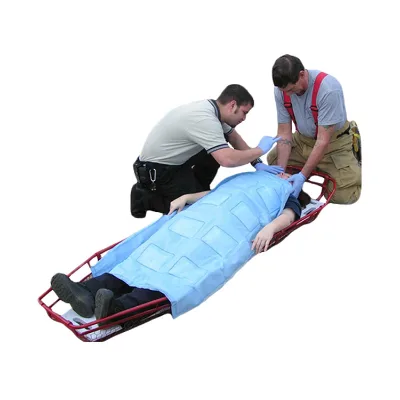
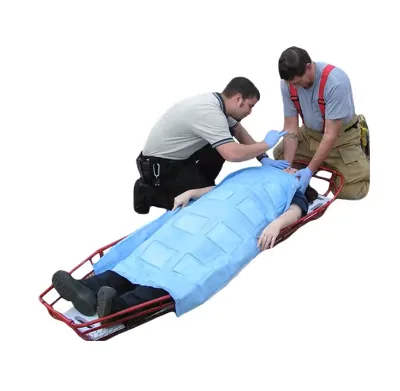
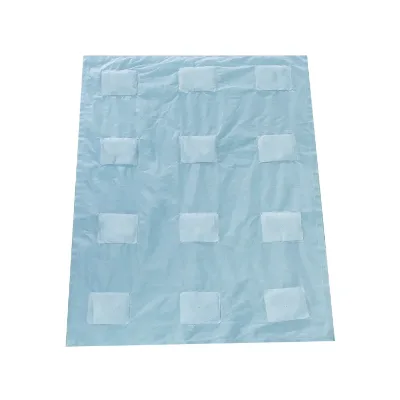


Removable High Temperature Equipment Thermal Insulation Protection Blanket
$50.00 - $55.00
MOQ: 10 Pieces


Comprehensive Sourcing Guide
Disposable Reflective Thermal Blanket Sourcing Guide
Procuring disposable reflective thermal blankets requires a nuanced understanding of their dual role as both emergency survival gear and first-aid devices. These products are engineered to retain up to 90% of a user’s body heat through a metallic-coated polymer surface, typically aluminum on a PET or plastic substrate. Buyers must distinguish between standard emergency blankets used for rapid heat retention in survival scenarios and those classified as medical first-aid devices, which may carry different regulatory expectations despite similar physical construction. The core value proposition lies in their lightweight, compact nature and high efficiency in preventing hypothermia, making them indispensable for outdoor enthusiasts, emergency responders, and industrial safety kits.
The market landscape for these items is characterized by a wide variance in quality, packaging, and intended use cases. While many listings emphasize their utility in camping, vehicle travel, and factory settings, others position them specifically for hospital or professional equipment contexts. This divergence necessitates careful scrutiny of the product’s classification and material composition. Buyers should recognize that a blanket marketed for "survival" may lack the sterile packaging or specific material certifications required for medical first-aid applications. Understanding this distinction is critical for ensuring that the procured inventory meets the specific operational needs of the end-user, whether that be a rugged outdoor expedition or a clinical emergency response protocol.
Product Scope and Observed Listing Signals
Current market listings reveal a broad spectrum of product attributes, with observed price points ranging from $0.02 to $55 USD and minimum order quantities (MOQs) spanning from 1 to 200,000 pieces. This wide range indicates a fragmented supply chain catering to both small-scale retail replenishment and large-scale industrial or governmental procurement. The presence of such low MOQs suggests that many suppliers are willing to accommodate trial orders or small-batch customizations, which is beneficial for buyers testing market demand or fulfilling specific niche requirements. However, the significant price disparity often correlates with differences in material thickness, packaging quality, and the inclusion of additional features such as logo printing or specialized sterilization processes.
Key product signals observed in the market include variations in size, with common dimensions like 130x210cm, 160x210cm, and 90x150cm being prevalent. Some listings specify "Medium" size classifications, while others offer fully customizable dimensions to fit specific kit requirements. The material composition is frequently cited as PET or plastic, with a metallic finish in silver or gold colors. Buyers should note that while "silver" is the standard for high reflectivity, gold variants are also available, though their thermal efficiency may differ slightly due to coating variations. Additionally, the classification of these items as "Class I" instruments or "First-Aid Devices" in some listings highlights the importance of verifying the intended regulatory pathway, as this affects compliance requirements and market access in different regions.
Technical Specifications to Verify
When evaluating technical specifications, buyers must prioritize the material integrity and dimensional accuracy of the blankets. The substrate material, often PET, should be verified for its tensile strength and tear resistance, as thin or low-quality films can easily rip during deployment in emergency situations. Standard dimensions such as 160x210cm are common for adult use, but buyers should confirm whether the supplier offers customization for specific sizes, as this can impact the fit within pre-existing first-aid kits or survival packs. The hardness and texture of the material are also relevant; a "medium" hardness is often preferred to balance flexibility for easy folding with sufficient durability to withstand rough handling.
Packaging and storage characteristics are equally critical for maintaining product efficacy. Many suppliers offer individual packaging in zipper bags or simple bags, with bulk quantities packed in cartons (e.g., 200 pieces per carton). Buyers should verify the shelf life of the product, which is typically listed as one year, and ensure that the packaging provides adequate protection against moisture, UV light, and physical damage during transit and storage. The inclusion of features like logo printing or specific branding options can add value for corporate gifting or branded emergency kits, but buyers must confirm the durability of the print and its impact on the blanket’s reflective properties. Additionally, the absence of ethylene oxide sterilization in some listings indicates that these products are not intended for direct contact with open wounds, a crucial distinction for medical procurement.
Compliance and Safety Documentation
Compliance with international standards is a non-negotiable aspect of sourcing disposable reflective thermal blankets, particularly when they are marketed as first-aid devices or medical equipment. Buyers should request documentation for certifications such as ISO and CE, which indicate adherence to quality management systems and European health, safety, and environmental protection standards. The presence of these certifications suggests that the supplier has undergone rigorous auditing processes, but buyers must verify the scope of these certifications to ensure they cover the specific product type and manufacturing location. For products intended for the Chinese market or export from China, additional local regulatory approvals may be required.
Safety documentation should also include material safety data sheets (MSDS) and declarations of conformity, which confirm that the materials used are free from harmful substances and suitable for their intended use. Buyers should be cautious of products that claim to be sterile or suitable for direct wound care without explicit medical device registration, as most disposable thermal blankets are not sterile and are designed for external heat retention only. The distinction between "without ethylene oxide sterilization" and sterile medical devices is vital for preventing misuse in clinical settings. Furthermore, buyers should ensure that the supplier provides clear labeling instructions, including usage guidelines and warnings, to mitigate liability risks associated with improper use.
Cost Drivers and Commercial Terms
The cost of disposable reflective thermal blankets is influenced by several key factors, including material costs, production volume, and customization requirements. The base price is heavily dependent on the thickness and quality of the PET or plastic film, as well as the aluminum coating process. Higher-quality materials and more robust manufacturing processes will result in higher unit costs, but they also offer better durability and performance. Buyers should consider the total cost of ownership, which includes shipping, packaging, and potential tariffs, rather than focusing solely on the unit price. The observed MOQ range of 1 to 200,000 pieces allows for flexibility, but larger orders typically yield better economies of scale.
Commercial terms such as payment methods, lead times, and warranty policies are critical components of the procurement process. While specific lead times and payment terms are not universally standardized, buyers should negotiate clear agreements that define delivery schedules and quality assurance periods. Some suppliers offer a two-year quality guarantee, which provides additional security for bulk purchases. Buyers should also clarify the responsibilities for logo printing and custom packaging, as these services can incur additional costs and extend production lead times. Understanding the full commercial landscape helps in budgeting accurately and avoiding unexpected expenses during the procurement cycle.
Supplier Qualification and Quality Control
Supplier qualification is essential to ensure that the procured blankets meet the required quality and safety standards. Buyers should conduct thorough due diligence on potential suppliers, verifying their business licenses, manufacturing capabilities, and quality control processes. Suppliers located in regions like Jiangsu, China, are common sources for these products, but buyers should not rely solely on geographic origin as a proxy for quality. Instead, they should request samples for testing and review the supplier’s track record in producing similar products. The ability to provide OEM services and customize products according to specific requirements is a positive indicator of a supplier’s flexibility and commitment to customer satisfaction.
Quality control measures should be integrated into the procurement process to minimize the risk of receiving defective products. Buyers should establish clear quality acceptance criteria, including visual inspections, dimensional checks, and performance tests for heat retention and tear resistance. Regular audits of the supplier’s production facilities can help ensure consistent quality and compliance with agreed-upon standards. Additionally, buyers should implement a robust incoming inspection process to verify that the delivered products match the specifications and quality levels agreed upon in the contract. This proactive approach to quality control helps protect the buyer’s brand reputation and ensures that the end-users receive reliable and effective emergency equipment.
Long-Term Procurement Checks
Long-term procurement success depends on establishing a sustainable relationship with suppliers and continuously monitoring market trends. Buyers should regularly review supplier performance metrics, including on-time delivery rates, product quality consistency, and responsiveness to issues. Building a diversified supplier base can mitigate risks associated with supply chain disruptions and price volatility. Buyers should also stay informed about changes in regulatory requirements and industry standards that may impact the procurement of disposable reflective thermal blankets. This proactive approach ensures that the procured products remain compliant and competitive in the market.
Continuous improvement in the procurement process involves leveraging data and feedback to optimize purchasing decisions. Buyers should analyze sales data and customer feedback to identify trends in product preferences and usage patterns. This information can guide future procurement strategies, such as adjusting product specifications or exploring new supplier options. Additionally, buyers should consider the environmental impact of their procurement choices, exploring options for more sustainable materials or packaging solutions where feasible. By focusing on long-term value creation and strategic supplier management, buyers can ensure a reliable supply of high-quality disposable reflective thermal blankets that meet the evolving needs of their customers.
FAQs
What certifications do these thermal blankets hold?
These blankets hold ISO and CE certifications. The product data confirms compliance with ISO and CE standards, ensuring they meet international safety and quality requirements for medical and survival applications.
Can I customize the size of the emergency blanket?
Yes, customization is available for the blanket size. Standard dimensions include 130x210cm and 160x210cm, but the supplier accepts requests for any other size to meet specific operational needs.
What is the minimum order quantity for these blankets?
The minimum order quantity is 10,000 pieces for standard orders. However, observed listings show a broader range from 1 to 200,000 units, allowing flexibility for different procurement scales.
Where are these thermal blankets manufactured?
These blankets are manufactured in Jiangsu, China. The product origin is explicitly listed as Jiangsu, China, indicating the primary production location for these survival and first-aid devices.
How are the blankets packaged for shipment?
Packaging options include individual zipper bags or cartons. Specific configurations range from 1 piece per bag to 200 pieces per carton, ensuring safe transport and organized distribution for bulk buyers.
What is the shelf life of the thermal blanket?
The shelf life is one year. This duration applies to the product's usability before expiration, ensuring reliability for emergency preparedness and storage until the specified period ends.