Source Disposable PS Chocolate Tray for Gift, Craft, and Tableware
Find and compare 30 listings for Disposable PS Chocolate Tray options suitable for gift packaging, craft projects, and tableware use. Evaluate specifications such as material structure, thickness, and customization availability to select the right solution for your industrial needs.
Key considerations
Products List
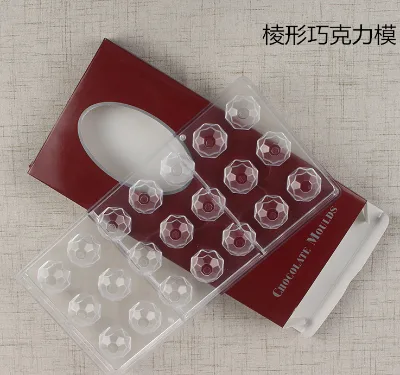


Plastic Customized Packaging, Disposable Plastic Vacuum Formed Chocolate Tray
$0.03 - $0.03
MOQ: 100000 Pieces
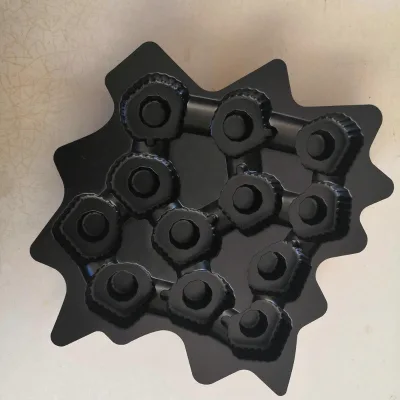


Biodegradable Food Tray Bagasse Paper Pulp Tableware Biodegradable Trays
$0.03 - $0.05
MOQ: 50000 Pieces


Comprehensive Sourcing Guide
Disposable PS Chocolate Tray Sourcing Guide
Sourcing disposable polystyrene (PS) chocolate trays requires a disciplined approach to balancing cost efficiency with material safety and aesthetic presentation. These trays are primarily designed for the confectionery industry, serving as functional packaging that protects delicate chocolate pieces while enhancing their visual appeal for retail or gifting purposes. Buyers must navigate a market where product attributes vary significantly across suppliers, particularly regarding material composition, thickness, and customization capabilities. The following guide outlines the critical verification steps and commercial considerations necessary to secure a reliable supply chain for these specific packaging components.
The procurement process begins with a clear definition of technical requirements, as the term "Disposable PS Chocolate Tray" can encompass a wide range of physical specifications. Observed market data indicates that products are often listed with specific model numbers, such as 3030 or JX-0060, which correspond to distinct dimensional and structural profiles. Buyers should prioritize suppliers who provide transparent details on material structure, thickness, and printing handling, as these factors directly impact the tray’s ability to hold product weight and maintain structural integrity during transit. Understanding these baseline signals is essential before engaging in detailed commercial negotiations.
Product Scope and Observed Listing Signals
The observed product landscape reveals a diverse array of listings that share the core identity of disposable chocolate trays but differ in specific attributes. Key observations include a price range of $0.01 to $0.68 USD and a minimum order quantity (MOQ) spanning from 500 to 500,000 units. These figures suggest a market segmented by volume and customization level, where lower MOQs may correlate with higher per-unit costs or limited customization options. Buyers should interpret these ranges as indicative of market variability rather than fixed benchmarks, recognizing that final pricing will depend heavily on order volume, design complexity, and material selection.
Material composition is a critical differentiator among listed products, with some items explicitly identified as PS (polystyrene) while others list PP (polypropylene) or generic plastic. This discrepancy highlights the importance of verifying the actual material structure, as PS and PP have distinct thermal and mechanical properties. For chocolate packaging, PS is often preferred for its clarity and rigidity, but buyers must confirm that the listed material matches their functional needs. Additionally, features such as embossing, specific color codes (e.g., DQ-185, DQ-192), and industrial use classifications (such as Gift & Craft) provide further insight into the product’s intended application and aesthetic value.
Technical Specifications to Verify
Thickness and dimensional accuracy are paramount for ensuring that chocolate trays can support the weight of confectionery without deforming. Observed specifications indicate a thickness of 0.3mm for certain models, but buyers must verify this metric for each specific product variant, as thinner materials may compromise durability while thicker ones may increase material costs unnecessarily. The size specifications, often listed with codes like DQ-185 or TL-PS-001, should be cross-referenced with actual product dimensions to ensure compatibility with existing packaging lines or retail display requirements. Precision in these measurements is crucial for maintaining brand consistency and operational efficiency.
Customization capabilities significantly influence the suitability of a tray for specific branding needs. Many suppliers offer custom orders, allowing for tailored sizes, logos, and embossing patterns. Buyers should assess the extent of this customization, including whether the supplier can accommodate specific model numbers or design requirements. The availability of multicolor options and specific color codes suggests a high degree of aesthetic flexibility, which is valuable for creating distinctive packaging. However, buyers must confirm the feasibility of these customizations in terms of tooling costs, lead times, and minimum order quantities to avoid unexpected expenses or delays.
Compliance and Safety Documentation
Food safety compliance is non-negotiable for any packaging material intended for direct contact with chocolate. Buyers must verify that suppliers hold relevant certifications, such as FDA, SGS, and ISO9001, which indicate adherence to international quality and safety standards. The presence of these certifications suggests that the materials used are safe for food contact, but buyers should request current copies of these documents to ensure they are valid and applicable to the specific product being sourced. Additionally, certifications like CE/EU may be relevant for suppliers targeting European markets, indicating compliance with regional regulatory requirements.
Beyond certifications, buyers should inquire about the specific standards and testing protocols used to validate the safety of the packaging materials. While some listings mention standards like SGS, the exact nature of the tests performed (e.g., migration tests, heavy metal analysis) should be clarified. It is also important to verify that the manufacturing facilities adhere to good manufacturing practices (GMP) to prevent contamination during production. Understanding the full scope of compliance documentation helps mitigate risks associated with product recalls or regulatory non-compliance, ensuring that the sourced trays meet all legal and safety requirements for their intended market.
Cost Drivers and Commercial Terms
The cost of disposable PS chocolate trays is influenced by several factors, including material prices, production volume, and customization complexity. The observed price range of $0.01 to $0.68 USD reflects these variables, with lower prices typically associated with higher volumes and standard designs. Buyers should analyze the cost structure to understand how changes in order quantity or design specifications impact the final price. It is advisable to request detailed quotations that break down costs by material, labor, and overhead, providing transparency into the pricing model and enabling more accurate budgeting.
Commercial terms, including minimum order quantities (MOQs) and payment conditions, also play a significant role in the overall cost of procurement. MOQs ranging from 500 to 500,000 units suggest that suppliers may offer better pricing for larger orders, but buyers must balance this with their inventory management capabilities and cash flow constraints. Additionally, terms such as lead times, shipping methods (e.g., sea transportation), and packaging details (e.g., export cartons) should be clearly defined in the contract to avoid misunderstandings. Negotiating favorable commercial terms can significantly reduce total procurement costs and improve supply chain efficiency.
Supplier Qualification and Quality Control
Supplier qualification is a critical step in ensuring the reliability and consistency of the sourced chocolate trays. Buyers should conduct thorough due diligence on potential suppliers, including verifying their business licenses, manufacturing capabilities, and quality control processes. Suppliers located in regions like Tianjin, Guangzhou, and Shandong, China, may offer competitive advantages in terms of logistics and cost, but buyers must assess their ability to meet specific quality and delivery requirements. Requesting samples and conducting factory audits can provide valuable insights into the supplier’s operational standards and product quality.
Quality control measures should be established to ensure that the delivered trays meet the agreed-upon specifications. This includes implementing incoming inspection protocols to verify dimensions, material properties, and visual appearance. Buyers should also consider establishing a quality agreement with the supplier that defines acceptable defect rates, corrective action procedures, and liability for non-conforming products. Regular communication and feedback loops with the supplier can help identify and resolve quality issues promptly, maintaining high standards of product quality and customer satisfaction.
Long-Term Procurement Checks
Long-term procurement success depends on continuous monitoring and evaluation of supplier performance. Buyers should establish key performance indicators (KPIs) such as on-time delivery rates, product quality consistency, and responsiveness to issues. Regular performance reviews can help identify areas for improvement and strengthen the partnership with the supplier. Additionally, staying informed about market trends, material price fluctuations, and regulatory changes can help buyers anticipate potential challenges and adjust their procurement strategies accordingly.
Sustainability and environmental considerations are increasingly important in the packaging industry. Buyers should evaluate the environmental impact of the materials used, including the recyclability and biodegradability of the trays. While PS is a common material, exploring options for more sustainable alternatives or suppliers with strong environmental practices can enhance brand reputation and meet growing consumer demand for eco-friendly products. By integrating sustainability into their procurement strategy, buyers can future-proof their supply chain and contribute to a more responsible industry.
FAQs
What material is used for the PS chocolate tray?
The product is constructed from PS plastic material. Some listings also indicate PP or general plastic structures. This ensures the tray is suitable for food packaging and storage applications.
Can I request a custom size for this tray?
Yes, customization is available for this product. Buyers can request specific dimensions or models tailored to their requirements. The standard thickness is 0.3mm, but sizes vary by model number.
Which certifications does the manufacturer hold?
The product holds FDA and SGS certifications. Some listings also mention CE/EU and ISO9001 standards. These certifications ensure the packaging meets safety and quality requirements for food contact.
How much is the minimum order quantity?
The minimum order quantity ranges from 500 to 500,000 units. This wide range allows flexibility for different buyer needs. Specific MOQs depend on the selected model and customization level.
Where are these trays manufactured?
The products originate from Tianjin, Guangzhou, and Shandong in China. Different listings specify different city origins. Buyers should verify the specific place of origin for their selected supplier.
What features does the tray offer?
The tray is designed as a disposable item with embossing printing handling. It is suitable for kitchen use and gift packaging. Some variants are also described as eco-friendly and microwavable.
What colors are available for this product?
Multiple color codes are available, including DQ-185 through DQ-366. The product also comes in multicolor options. Specific color availability depends on the model number selected by the buyer.