Source Disposable Tattoo Wash Bottle for Body Art, Cosmetic, Skin Care
Find 30 listings for the Disposable Tattoo Wash Bottle designed for body art, cosmetic, and skin care applications. Buyers can compare specifications like material, size, and packaging options from verified suppliers.
Key considerations
Products List
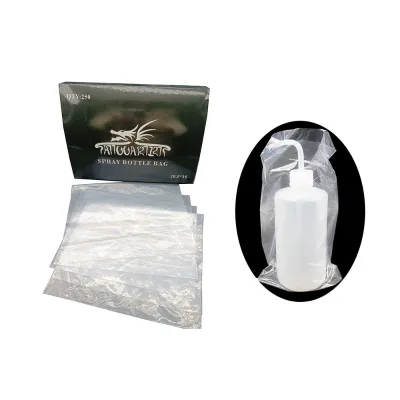
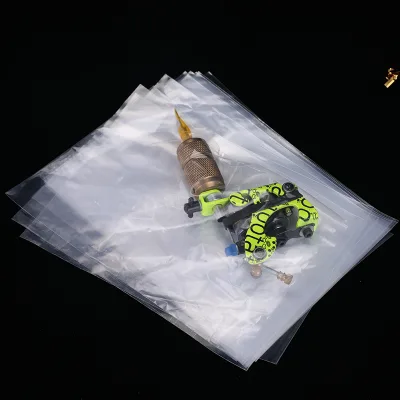
Guarddent Tattoo Supplies 250pcs Disposable Plastic Tattoo Wash Bottle Bags
$0.01 - $0.01
MOQ: 20000 Minimum


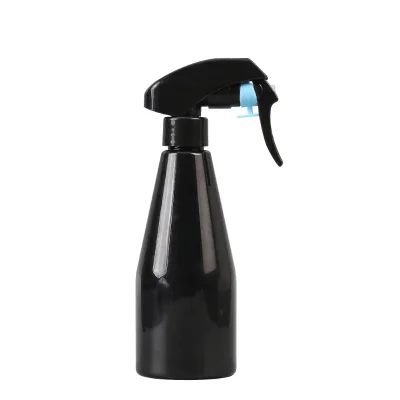
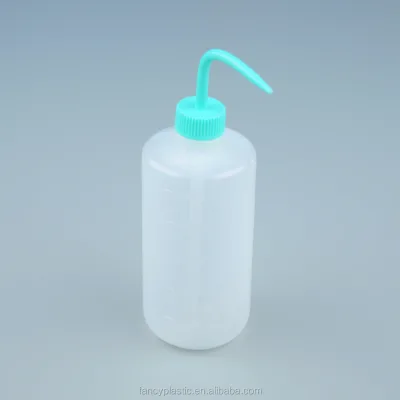
Professional LDPE 500 ml Tattoo Wash Bottle for Permanent Makeup Accessories
$0.40 - $0.50
MOQ: 100 pieces


Comprehensive Sourcing Guide
Strategic Sourcing Guide for Disposable Tattoo Wash Bottle Bags
Procuring Disposable Tattoo Wash Bottle bags requires a meticulous approach to ensure compliance with hygiene standards, operational efficiency, and cost-effectiveness. In the body art and cosmetic sectors, the integrity of the packaging is paramount, as it directly impacts the sterility of the washing solutions used during procedures. This guide synthesizes available market data to provide a structured framework for evaluating suppliers, verifying product specifications, and establishing a reliable supply chain for these critical consumables.
Technical Specifications and Material Composition
The foundation of a successful procurement strategy lies in a precise understanding of the product's technical attributes. The core product category, often referred to as tattoo wash bottle bags or squeeze bottle covers, is primarily constructed from plastic materials designed for single-use applications. Market observations indicate that the material composition frequently involves Strong PE (Polyethylene) materials, with specific thickness variations noted in the range of 2.5 to 3 centimeters, although buyers must verify the exact unit of measurement (e.g., microns or gauge) with suppliers, as "cm" in this context may refer to a specific grading or a data entry variation requiring clarification.
Dimensional consistency is another critical technical factor. Standard sizes observed in the market include 6 inches by 8 inches, with a clear color profile being the most common for visibility. However, suppliers also offer options in black and blue, catering to different branding or visibility needs. The packaging dimensions for individual units often vary, with single package sizes recorded around 20x20x25 cm, while the internal capacity standards may align with 30ml, 60ml, 90ml, or 120ml bottle requirements. Buyers should confirm that the selected model number, such as GD-tattoo, jm-31, jm-30, jm-48, or HB1004 series, matches the specific bottle geometry they intend to use.
The physical properties of the bags must support the rigors of a tattoo studio environment. Key features include being tear-resistant and not easy to corrode, ensuring the bag remains intact even when handling sharp tools or chemical solutions. The "Disposable" attribute is a defining characteristic, intended to prevent cross-contamination between clients. The single gross weight of these units is typically around 1.000 kg per unit, a figure that may refer to a specific packaging batch or a standard unit weight that requires validation against the actual order quantity.
Compliance, Certification, and Regulatory Standards
In the medical and cosmetic device sectors, regulatory compliance is non-negotiable. When sourcing tattoo wash bottle bags, buyers must prioritize suppliers who can provide verifiable documentation regarding product safety and quality management. The available data highlights specific certifications such as CE and ISO 13485. The CE marking indicates conformity with health, safety, and environmental protection standards for products sold within the European Economic Area, while ISO 13485 is a specific standard for medical devices quality management systems. Additionally, some product listings mention SGS certification, which serves as an independent verification of quality and safety.
It is crucial for buyers to understand that the presence of a certification claim on a product page does not automatically guarantee that every batch of the product meets these standards. Verification should be a proactive step in the procurement process. Buyers must request current, valid certificates directly from the supplier and cross-reference them with the issuing bodies. The product validity period is often cited as 3 years, which implies a shelf-life expectation, but this should be confirmed against storage conditions and material degradation rates.
While some background information suggests ISO 27001, this standard pertains to information security management rather than physical product manufacturing or medical device compliance. Therefore, it should not be relied upon as a primary indicator of product quality for tattoo supplies. Instead, focus should remain on ISO 13485 and CE/SGS marks. The product origin locations, including Hubei, Anhui, and Zhejiang in China, suggest a concentration of manufacturing capabilities in these regions, but the specific origin must be confirmed for each order to ensure accurate tracking and compliance with local import regulations.
Cost Drivers and Pricing Dynamics
The pricing landscape for Disposable Tattoo Wash Bottle bags is characterized by significant variability, influenced heavily by order volume, customization requirements, and material specifications. Observed price ranges in the market span from $0.01 to $11.90 USD. This wide disparity suggests that the lower end of the spectrum likely represents bulk raw material costs or minimal packaging units, while the higher end may include customized branding, specific high-grade materials, or smaller order quantities with premium service levels.
The Minimum Order Quantity (MOQ) is a primary driver of unit cost. Data indicates an MOQ range from 1 unit to 300,000 units. For small studios or testing phases, an MOQ of 1 allows for sample acquisition, which is explicitly noted as available in the market. However, to achieve cost efficiency, buyers often need to scale up to higher volume tiers. The standard packing configuration is often 500 pieces per box, with 20 boxes per carton, though some variations exist, such as 200 pieces per box. Understanding these packing units is essential for calculating the true landed cost, including shipping and handling.
Customization options, such as OEM (Original Equipment Manufacturer) services for size, package, and color, introduce additional cost variables. While the base product is often clear, requests for black or blue variants, or specific branding on the packaging, may incur setup fees or higher per-unit costs. Buyers should anticipate that the "Selling Unit" is often listed as a single item, but actual transactions will likely occur in bulk cartons. Payment terms typically include Western Union, Bank Transfer, and PayPal, which can also influence the final transaction cost depending on the fees associated with these methods.
Typical Applications and Usage Scenarios
The primary application for these products is in the realm of body art, specifically for tattooing procedures. The bags serve as a protective cover for wash bottles, ensuring that the cleaning solution remains sterile and uncontaminated during the tattooing process. The "Tattoo Supply" and "Packing Wash Bottle" designations highlight their functional role in maintaining hygiene standards. Beyond tattooing, the product specifications indicate versatility for use in cosmetic and skin care applications, broadening the potential market for these bags.
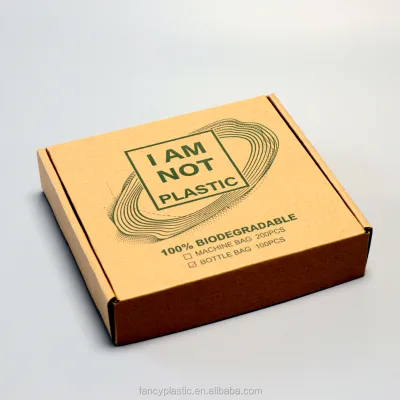
The "easy to use" and "tear resistant" features are particularly relevant in high-paced studio environments where speed and safety are priorities. The disposable nature of the product aligns with strict infection control protocols, allowing practitioners to discard the bag after a single client session. This prevents the transfer of bloodborne pathogens or other contaminants between clients. The "biodegradable material" option, while listed as an option rather than a standard, represents a growing trend in sustainable sourcing, appealing to eco-conscious businesses and those looking to reduce their environmental footprint.
The product's utility extends to various bottle sizes, accommodating the 30ml, 60ml, 90ml, and 120ml standards. This flexibility allows tattoo artists to choose the appropriate volume of washing solution based on the specific needs of the procedure, whether it be a small touch-up or a large-scale session. The clear color option is particularly useful for monitoring the fluid level, ensuring that the artist never runs out of solution mid-procedure.
Supplier Evaluation and Selection Criteria
Selecting the right supplier requires a rigorous evaluation process that goes beyond price comparison. Buyers should assess the supplier's ability to provide samples, as the market data confirms that samples are available. This allows for a physical inspection of the material thickness, tear resistance, and fit on actual bottles. The supplier's location, whether in Hubei, Anhui, or Zhejiang, may impact lead times and shipping costs, so buyers should verify the specific origin for their order.
The "Quality Assurance" and "Excellent Service" attributes listed in product descriptions are qualitative claims that must be validated through due diligence. Buyers should inquire about the supplier's production capacity, quality control processes, and history of meeting delivery deadlines. The delivery time is noted as generally 1-3 days, which suggests a responsive logistics network, but this should be confirmed for international shipments where customs clearance may add delays.
When evaluating suppliers, buyers should also consider their flexibility regarding OEM requests. The ability to customize size, package, and color is a significant advantage for businesses looking to build a unique brand identity. However, this customization must be balanced against the potential for increased lead times and costs. The supplier's willingness to accommodate specific packing requirements, such as individual packing versus carton packing, is another indicator of their service level.
Quality Control and Long-Term Procurement Considerations
Implementing a robust quality control (QC) protocol is essential for maintaining the integrity of the supply chain. Buyers should establish clear acceptance criteria based on the observed specifications, such as the 6"*8" size, clear color, and 2.5/3c thickness. Regular sampling and testing of incoming shipments can help identify any deviations in material quality or packaging integrity. The "3 Years" validity period suggests a long shelf life, but storage conditions must be controlled to prevent material degradation before use.
For long-term procurement, building a strategic relationship with a reliable supplier is more beneficial than transactional purchasing. Consistency in product quality, availability of stock, and responsiveness to changes in demand are critical factors. The wide range of MOQs (1 to 300,000) offers flexibility, allowing buyers to start with small orders and scale up as their business grows. However, buyers should be aware that larger orders may require longer lead times for production and shipping, despite the generally short delivery times mentioned.
Logistics and delivery terms also play a crucial role in long-term planning. The availability of multiple shipping methods, including DHL, UPS, TNT, FedEx, EMS, and Ship, provides options for balancing speed and cost. Buyers should negotiate terms that align with their inventory management strategies, ensuring that stock levels are maintained without overstocking. The payment terms, including Western Union, Bank Transfer, and PayPal, offer various options, but buyers should consider the security and fees associated with each method when establishing long-term contracts.
Conclusion
Sourcing Disposable Tattoo Wash Bottle bags requires a balanced approach that prioritizes technical specifications, regulatory compliance, and supplier reliability. By focusing on the core attributes such as material strength, certification status, and dimensional accuracy, buyers can ensure they are procuring products that meet the high standards required in the body art industry. The variability in pricing and MOQs offers opportunities for cost optimization, but these must be weighed against the need for consistent quality and timely delivery. Ultimately, a successful procurement strategy relies on thorough due diligence, clear communication with suppliers, and a commitment to maintaining the highest levels of hygiene and safety for tattoo professionals and their clients.
FAQs
What certifications do Disposable Tattoo Wash Bottle bags have?
These bags typically hold CE and ISO 13485 certifications for medical device quality management. Some listings also mention SGS certification to verify safety standards. Buyers should request current certificates directly from suppliers to ensure compliance before purchasing.
How thick are the plastic materials used for these bags?
The bags are constructed from Strong PE materials with a thickness ranging from 2.5 to 3 centimeters. This dimension ensures the bags are tear-resistant and durable enough for tattoo studio environments while remaining disposable for single-use hygiene.
Can I get samples of Disposable Tattoo Wash Bottle bags?
Yes, samples are available for potential buyers to inspect quality before placing bulk orders. This allows you to verify the material thickness, tear resistance, and fit on your specific bottles before committing to a larger Minimum Order Quantity.
What are the standard dimensions for these tattoo bottle bags?
Standard sizes observed include 6 inches by 8 inches with a clear color profile. Other dimensions like 15x20CM or 30ml to 120ml capacities are also available depending on the specific model number and bottle geometry you intend to use.
Which locations manufacture these Disposable Tattoo Wash Bottle bags?
Manufacturing origins are primarily located in Hubei, Anhui, and Zhejiang provinces in China. The specific origin must be confirmed for each order to ensure accurate tracking and compliance with local import regulations and shipping logistics.
What is the typical delivery time for these tattoo supplies?
The general delivery time is typically 1 to 3 days for processing. However, international shipping times will vary based on the selected courier service like DHL, UPS, or FedEx, and potential customs clearance delays at the destination.