Source Disposable Womens Felt Slippers for Daily Life, Outdoor, and Winter Use
Compare 30 listings of Disposable Womens Felt Slippers featuring materials like cotton fabric, PU, and PVC. Buyers can evaluate options for daily life, outdoor activities, and seasonal comfort with various closure types and sizes available from suppliers in China.
Key considerations
Products List

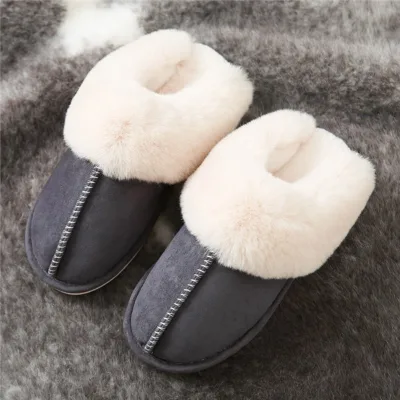
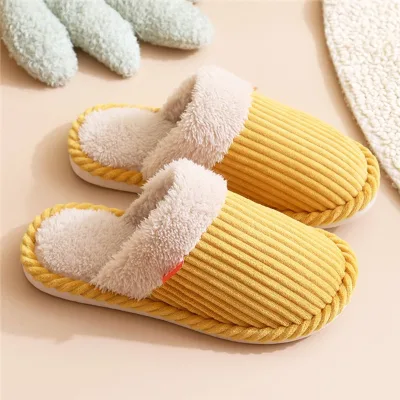


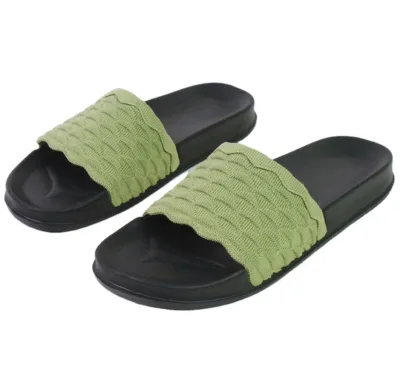


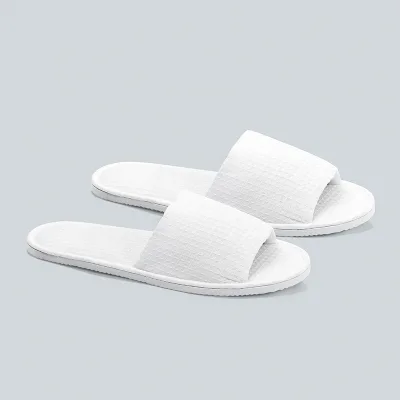
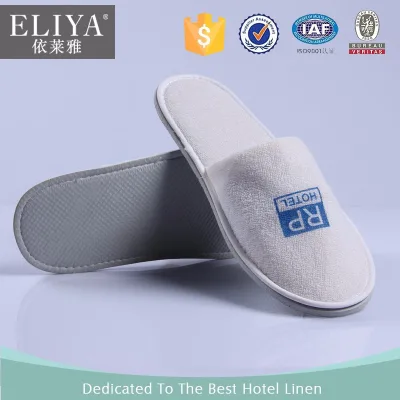


Foldable Airline Slipper Terry Slippers Disposable Slippers Felt Slipper
$0.20 - $0.66
MOQ: 5000 piece
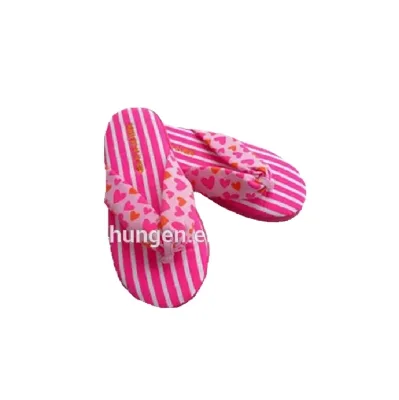


Factory Price Hotel One-Size Individually Indoor Disposable Non-Slip Slipper
$0.10 - $0.50
MOQ: 5000 Pairs
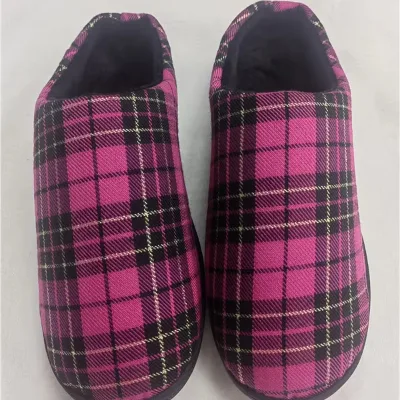
Comprehensive Sourcing Guide
Strategic Sourcing Guide for Disposable Women's Felt Slippers
The global market for disposable footwear has expanded significantly as businesses and consumers seek hygienic, cost-effective, and sustainable solutions for temporary use. For procurement professionals researching disposable women's felt slippers, the sourcing landscape presents a unique blend of material science, regulatory compliance, and supply chain logistics. This guide provides a structured approach to evaluating suppliers, understanding product specifications, and mitigating risks in the acquisition of these items. The focus remains on evidence-based criteria derived from current market observations and technical requirements, ensuring that buyers make informed decisions without relying on unverified claims.
Material Composition and Technical Specifications
The foundation of any successful procurement strategy for disposable slippers lies in a rigorous understanding of material composition. Unlike traditional footwear, disposable variants often prioritize specific functional attributes such as breathability, softness, and immediate comfort. Based on observed product data, the upper materials for these slippers frequently include cotton fabric, non-woven fabrics, polyester, microfiber, and fur. The choice of upper material directly influences the tactile experience and the perceived quality of the slipper. For instance, non-woven materials are often highlighted for their eco-friendly and disposable nature, while cotton fabric and plush linings offer enhanced comfort for the wearer.
The construction of the sole is equally critical. The outsole materials observed in the market range from TPR (Thermoplastic Rubber), EVA (Ethylene-Vinyl Acetate), and PE to PVC and rubber. These materials determine the slipper's durability, anti-slip properties, and flexibility. A common configuration involves an EVA insole paired with a TPR or rubber outsole to provide cushioning and traction. The lining materials are equally diverse, including PVC, PU, plush, mesh, and cotton fabric, with customization options available to meet specific brand requirements. Buyers must verify that the specific combination of upper, lining, and sole materials aligns with the intended use case, whether it is for hotel amenities, medical facilities, or event management.
Furthermore, the closure type for disposable slippers is predominantly slip-on, designed for ease of use without the need for laces or buckles. The toe style varies between open-toe and closed-toe designs, allowing buyers to select options that suit the specific climate or hygiene protocols of their target environment. Seasonal versatility is another key specification, with products available for winter, summer, spring, and autumn, often dictated by the thickness of the lining and the insulation properties of the upper material.
Compliance, Certification, and Safety Standards
When sourcing disposable footwear, compliance with safety and environmental standards is paramount. While specific certification statuses such as OEKO-TEX or REACH are noted in background market data, buyers must treat these as verification targets rather than guaranteed attributes of every listed product. The procurement process should include a strict requirement for suppliers to provide current, valid test reports from accredited laboratories. These reports should verify that the materials used do not contain harmful substances, particularly heavy metals, azo dyes, or formaldehyde, which are common concerns in textile and rubber manufacturing.
The "Eco-Friendly" and "Recyclable" attributes observed in product listings suggest a growing market demand for sustainable options. However, buyers should not assume that a product labeled as eco-friendly meets specific international recycling standards without documentation. The verification process should involve requesting detailed material safety data sheets (MSDS) and compliance certificates that explicitly state the chemical composition of the non-woven fabrics and the adhesives used in bonding the sole to the upper. Additionally, for products intended for medical or food service environments, compliance with local health department regulations is essential.
Buyers must also consider the standard of production. The market data indicates that "customized" standards are available, meaning that generic compliance may not suffice for specialized applications. It is advisable to establish a clear definition of acceptable standards in the purchase order, referencing specific international norms relevant to the destination market. This proactive approach ensures that the supplier understands the regulatory landscape of the importing country and can adjust their production processes accordingly.
Cost Drivers and Pricing Dynamics
Understanding the cost structure of disposable slippers is vital for budgeting and negotiation. The observed price range in the market spans from $0.04 to $35.00 USD, a wide variance that reflects differences in material quality, customization levels, and order volume. The primary cost drivers include the type of upper material (e.g., cotton vs. non-woven), the complexity of the sole construction, and the extent of customization such as branding or unique color schemes.
Order volume plays a significant role in pricing. The observed Minimum Order Quantity (MOQ) ranges from 500 to 100,000 units. Suppliers often offer tiered pricing structures where the unit cost decreases as the order quantity increases. For buyers with smaller requirements, the MOQ of 500 or 800 units may be acceptable, but the per-unit cost will likely be higher. Conversely, large-scale procurement can leverage economies of scale to achieve the lower end of the price spectrum.
Additional cost factors include packaging and logistics. The standard single package size is often around 22x22x22 cm with a gross weight of 1.000 kg. Buyers should calculate the total landed cost, which includes shipping, insurance, and customs duties. The shipping method, typically by sea for bulk orders, impacts the timeline and overall expense. Furthermore, the availability of OEM and ODM services can influence the final price, as custom design and branding add value but also incur setup and tooling costs.
Typical Applications and Usage Scenarios
Disposable women's felt slippers serve a diverse range of applications across various industries. The primary usage category is "Daily Life," but the specific context varies significantly. In the hospitality sector, these slippers are a standard amenity in hotels, resorts, and spas, providing guests with a hygienic and comfortable option for indoor use. The "Folded" attribute observed in product listings is particularly relevant here, as compact packaging saves storage space and enhances the guest experience.
In the healthcare and medical sectors, the "Anti-Slip" and "Breathable" features are critical. These slippers are used in hospitals, clinics, and nursing homes to prevent cross-contamination and ensure patient safety. The "Waterproof" attribute, while not universal, is a valuable feature for environments where moisture resistance is required. Similarly, the "Outdoor Slippers" style indicates suitability for semi-outdoor areas like pool decks or garden patios, provided the outsole material offers adequate traction.
Event management and corporate gifting also represent significant application areas. The "Multicolor" and "Customized" options allow companies to brand slippers for conferences, trade shows, or employee wellness programs. The "Printed" style and various color options (Black, Blue, Pink, Gold, White, Red, Yellow, Brown, Grey, Green, Purple) enable buyers to align the product with specific branding guidelines or seasonal themes. Understanding these diverse use cases helps buyers select the right product specifications for their specific operational needs.
Supplier Evaluation and Service Capabilities
Selecting the right supplier requires a comprehensive evaluation of their capabilities, reliability, and service offerings. The market data indicates that suppliers often offer "OEM&ODM" services, accepting "Customer Designer" requests and providing "Customized" solutions. This flexibility is a strong indicator of a supplier's ability to meet unique buyer requirements. However, buyers should verify the supplier's capacity to handle these customizations without compromising quality or delivery timelines.
Key evaluation criteria include the supplier's origin and production location. Many suppliers are based in China, with specific manufacturing hubs in Hubei and Zhejiang provinces. These regions are known for their textile and footwear manufacturing infrastructure. Buyers should assess the supplier's logistical capabilities, including their ability to handle "Small Orders" and their experience with international shipping. The "Sample Date" of 15-20 days is a critical metric for planning; buyers must ensure this timeline aligns with their project schedules.
Transparency in communication and documentation is another vital factor. Suppliers should be willing to provide detailed product specifications, material samples, and proof of compliance. The ability to accept "Customized" orders suggests a collaborative approach, but buyers must establish clear quality control checkpoints before mass production begins. Evaluating the supplier's track record in handling similar orders and their responsiveness to inquiries can provide valuable insights into their reliability.
Quality Control and Long-Term Procurement Strategy
Implementing a robust quality control (QC) strategy is essential to ensure that the received goods meet the specified standards. Given the wide range of materials and construction methods, buyers should develop a detailed inspection checklist that covers material integrity, stitching quality, sole adhesion, and overall dimensions. The "Single gross weight" of 1.000 kg and "Single package size" of 22x22x22 cm serve as baseline metrics for verifying that the products match the agreed-upon specifications.
For long-term procurement, building a strategic partnership with a reliable supplier is more beneficial than a transactional relationship. This involves establishing clear communication channels, agreeing on consistent quality benchmarks, and negotiating favorable terms for repeat orders. The "Service" aspect, including OEM and ODM capabilities, should be leveraged to continuously improve the product offering based on feedback from end-users.
Buyers should also consider the environmental impact of their procurement decisions. As the market shifts towards "Eco-Friendly" and "Recyclable" options, suppliers who can demonstrate a commitment to sustainability will likely become preferred partners. This includes using biodegradable materials, minimizing waste in the production process, and offering recyclable packaging. By prioritizing these factors, buyers can align their procurement strategy with broader corporate social responsibility goals while ensuring a steady supply of high-quality disposable slippers.
Conclusion
Sourcing disposable women's felt slippers requires a balanced approach that combines technical knowledge, regulatory awareness, and strategic supplier management. By focusing on material specifications, verifying compliance, understanding cost drivers, and evaluating supplier capabilities, buyers can navigate the complex market landscape effectively. The wide range of available options, from different materials to customizable designs, offers significant flexibility to meet diverse needs. However, success depends on rigorous due diligence and a commitment to maintaining high standards of quality and safety throughout the supply chain.
FAQs
What materials are used for the upper and lining?
Upper materials include cotton fabric, non-woven fabric, polyester, and microfiber, while linings feature PVC, PU, plush, or mesh. These options allow buyers to select based on comfort and hygiene needs for daily life or hospitality use.
Which outsole materials provide the best anti-slip performance?
Outsoles are commonly made from TPR, EVA, rubber, or PVC to ensure anti-slip traction. Buyers should verify specific material combinations for environments requiring waterproof or outdoor slipper capabilities.
Can suppliers accept small orders with customization?
Yes, suppliers accept small orders and offer customization services including OEM and ODM. Customization options cover model numbers, colors, and packaging, with sample dates typically ranging from 15 to 20 days.
What is the typical MOQ and price range for these slippers?
Minimum order quantities range from 500 to 100,000 units, with prices varying between 0.04 and 35 USD. Costs depend on material quality, customization levels, and order volume tiers.
Where are the manufacturing facilities located?
Manufacturing facilities are located in China, specifically in Hubei and Zhejiang provinces. These regions offer established textile and footwear infrastructure for producing disposable felt slippers.
How are the slippers packaged and shipped?
Products are packed in standard packaging with a single package size of 22x22x22 cm and a gross weight of 1.000 kg. Shipping is typically conducted by sea for bulk orders.