Source Disposable Wide Mouth Airless Bottle for Skincare
Find 30 Disposable Wide Mouth Airless Bottle options for skin care packaging. Compare models like SXMJ11 and KA1000, featuring screw caps, lotion sprays, and custom printing. Source from Ningbo and Yuyao manufacturers with MOQs starting at 2,000 pieces; compare the available evidence and request quotations based on your requirements.
Key considerations
Products List


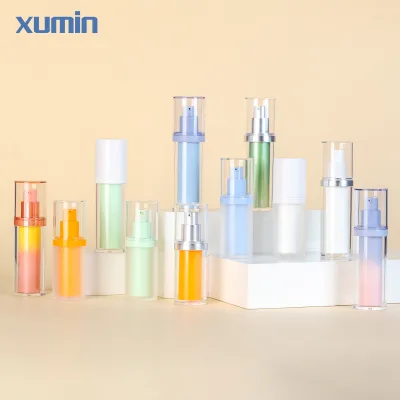
Stylish Design and Eco-Friendly Materials Airless Bottle Versatile Deostick Bottle
$0.17 - $0.18
MOQ: 10000 Pieces




Comprehensive Sourcing Guide
Disposable Wide Mouth Airless Bottle Sourcing Guide
Sourcing disposable wide mouth airless bottles requires a careful balance between functional design and cost efficiency, particularly for brands prioritizing hygiene and product preservation. These containers are engineered to prevent oxidation and contamination, ensuring that sensitive skincare formulations remain potent until the last drop. The wide mouth design facilitates easier filling during manufacturing and allows for more robust pump mechanisms, which can enhance user experience by providing consistent dispensing. Buyers must evaluate whether the disposable nature aligns with their sustainability goals or if it serves a specific promotional or trial-size strategy.
The market offers a variety of models, such as SXMJ11 and SXJJ63, each tailored to different volume requirements and aesthetic preferences. Observations indicate that materials are predominantly plastic, with customization options available for molding and surface treatments like printing or hot stamping. This flexibility allows brands to create unique packaging that stands out on retail shelves while maintaining the functional integrity of the airless system. Understanding the specific capabilities of each model is crucial for selecting the right container for your product’s viscosity and usage pattern.
Product Scope and Observed Listing Signals
The observed product listings reveal a diverse range of specifications, with models like SXMJ55 and Kp1200 indicating varied structural designs. Prices observed in the market range from $0.09 to $1.26, reflecting differences in material quality, pump complexity, and customization levels. Minimum order quantities (MOQs) typically span from 2,000 to 30,000 units, with some suppliers requiring up to 10,000 pieces for standard configurations. This wide variance suggests that buyers can find options suitable for both small batch testing and large-scale production runs, depending on their inventory strategy.
Applications for these bottles are primarily focused on skin care packaging and cosmetics, as noted in the product attributes. The sealing types vary, with screw caps and press caps being common, while some models feature non-spill features for enhanced portability. Surface treatments include silk screen printing, hot stamping, and matte finishes, allowing for high-end branding. Buyers should verify if the "disposable" aspect refers to the entire unit or just the pump mechanism, as this impacts recycling and disposal considerations for end consumers.
Technical Specifications to Verify
Verifying technical specifications is critical to ensuring compatibility with your filling equipment and product formulation. Standard capacities observed include 15ml, 30ml, 50ml, and 100ml, with some models supporting weights like 30g or 50g. It is essential to confirm the exact dimensions and thread types to ensure seamless integration with your filling lines. Additionally, check if the airless mechanism is designed for specific viscosities, as thicker creams may require different pump pressures than lotions or serums.
Customization options such as molded shapes and surface handling techniques like matte or glossy finishes can significantly impact the final product appearance. Some listings mention actuator options for lotion or spray, which may not be suitable for all wide mouth designs. Buyers should request detailed technical drawings and material specifications to verify that the plastic used meets their durability and chemical resistance requirements. Confirming the sealing method, whether it is a screw cap or press cap, is also vital for preventing leaks during transit.
Compliance and Safety Documentation
Compliance with safety standards is non-negotiable for cosmetic packaging, especially when dealing with products that come into direct contact with skin. While some listings mention SGS standards, buyers must verify the specific tests conducted and the scope of certification. It is crucial to ensure that the plastic materials used are free from harmful substances like BPA or phthalates, particularly if the bottles are intended for markets with strict regulatory requirements. Requesting material safety data sheets (MSDS) and compliance certificates from suppliers is a necessary step in the qualification process.
Documentation should also cover the manufacturing process and quality control measures implemented by the supplier. Look for evidence of consistent production quality, such as batch testing results or adherence to ISO standards. If the supplier offers OEM services, ensure that they have the necessary approvals to handle custom molds and designs. Verifying that the packaging materials are food-grade or cosmetic-grade can provide additional assurance of safety and quality, protecting your brand from potential liability issues.
Cost Drivers and Commercial Terms
Cost drivers for disposable wide mouth airless bottles include material selection, pump complexity, and customization requirements. Basic models with standard colors and no printing will be at the lower end of the price spectrum, while those with custom molds, special finishes, or complex actuator options will command higher prices. Buyers should also consider the impact of order volume on pricing, as larger MOQs often result in significant discounts. Understanding these variables helps in budgeting accurately and negotiating favorable terms with suppliers.
Commercial terms such as lead times and payment conditions are equally important. Observed delivery times can be around 25 days, but this may vary based on customization needs and supplier capacity. It is advisable to clarify the packing details, such as whether items are packed in cartons or on pallets, to avoid unexpected logistics costs. Additionally, confirm if sample costs are refundable upon placing a bulk order, as this can affect the initial investment in product development and testing.
Supplier Qualification and Quality Control
Qualifying suppliers involves assessing their manufacturing capabilities, quality control processes, and customer service responsiveness. Look for suppliers who offer OEM services and are willing to create new molds based on your samples, as this indicates flexibility and commitment to customization. Verify their production capacity to ensure they can meet your volume requirements without compromising quality or delivery schedules. Requesting references or case studies from other clients can provide insights into their reliability and performance.
Quality control measures should be clearly defined and agreed upon before production begins. This includes specifications for material quality, dimensional accuracy, and functional testing of the airless mechanism. Implementing a pre-shipment inspection process can help identify and rectify any defects before the goods are dispatched. Establishing a clear communication channel with the supplier for addressing issues promptly is essential for maintaining a smooth supply chain and ensuring consistent product quality.
Long-Term Procurement Checks
Long-term procurement success depends on continuous monitoring of supplier performance and market trends. Regularly review quality metrics, such as defect rates and customer feedback, to ensure that the products meet your standards. Stay informed about changes in material costs and regulatory requirements that may impact pricing or compliance. Building a strong relationship with your supplier can lead to better pricing, priority production, and access to new innovations in packaging technology.
Consider diversifying your supplier base to mitigate risks associated with single-source dependencies. Evaluate alternative suppliers periodically to ensure you are getting the best value for your money. Additionally, assess the sustainability of the packaging solutions, as consumer preferences are increasingly shifting towards eco-friendly options. By staying proactive and adaptable, you can ensure that your procurement strategy remains aligned with your brand’s goals and market demands.
FAQs
What materials are used for these airless bottles?
The bottles are manufactured from plastic, ensuring durability and lightweight handling for various cosmetic applications. This material choice supports the non-spill feature and allows for customized molding processes. Buyers can rely on plastic construction for standard skin care packaging needs while maintaining product integrity during transport and daily use.
Can I customize the mold for my brand?
Yes, customization is available for both the mold and the overall product design. The supplier welcomes new mold requests accompanied by samples to ensure precise alignment with your brand requirements. This flexible approach allows for unique shapes and features, supporting distinct branding strategies for cosmetics and personal care products.
What are the standard volume specifications available?
Standard specifications include volumes of 15ml, 30ml, and 50ml for liquid applications, as well as 30g and 50g for cream or paste formulations. Additional options extend to 60ml, 80ml, 100ml, 150ml, and 200ml depending on the specific model. These sizes cater to diverse packaging needs in the skin care sector.
What is the typical lead time for orders?
The typical delivery time is approximately 25 days for standard production runs. This timeline applies to most orders, though custom molds or specific printing requirements may influence the exact schedule. Buyers should plan their inventory accordingly to ensure timely availability for their cosmetic product launches and restocking needs.
How are the bottles packed for shipping?
The bottles are packed in standard export carton boxes, often placed on pallets for secure handling. This packaging method protects the round bottles and screw caps or press caps from damage during transit. The use of paper cartons ensures efficient stacking and storage, facilitating smooth logistics for international shipments to global markets.
What surface treatment options are offered?
Surface treatments include silk screen printing, hot stamping, matte finishes, and PVC labeling. These options allow for high-quality branding and aesthetic customization on the plastic bottles. Buyers can choose from various decorative techniques to enhance the visual appeal of their cosmetic packaging, ensuring the final product matches their brand identity.