Source DIY Whitening Skin Care Set for Home, Salon, and Retail
Explore 30 listings for a DIY Whitening Skin Care Set featuring ingredients like Aloe Vera and Vitamin C. Buyers can compare OEM options, certifications such as FDA and GMP, and packaging types including sets and boxes to find suitable suppliers.
Key considerations
Products List


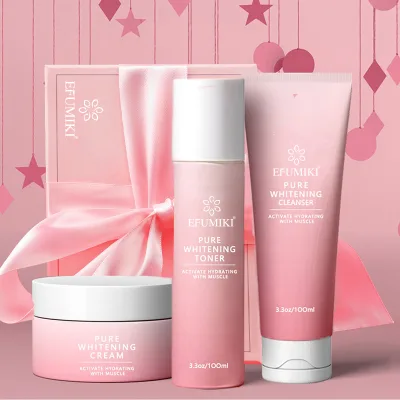
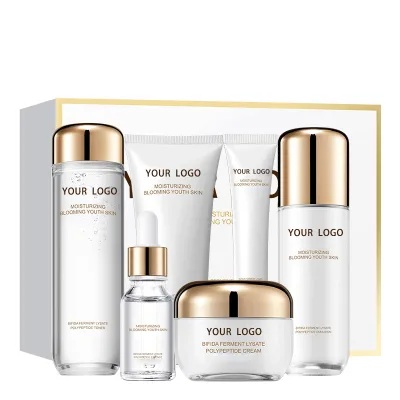
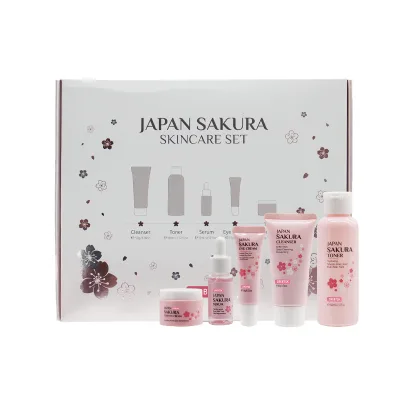


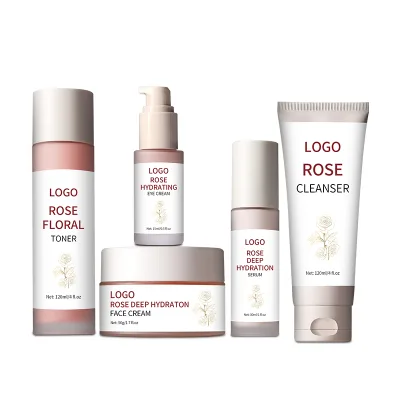


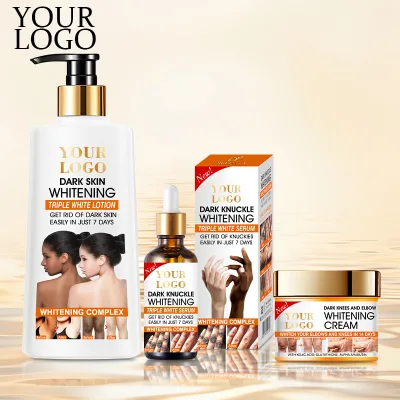
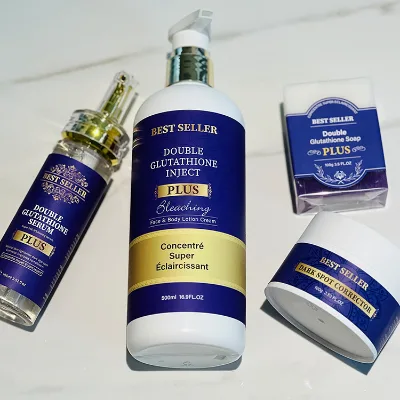
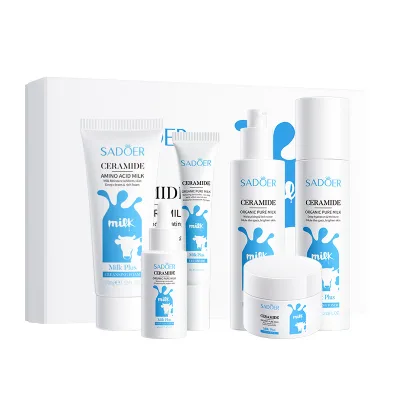
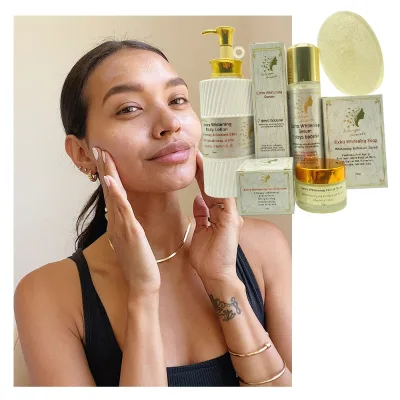
Niacinamide Five-Piece Skin Care Products Moisturizing Whitening Skin Care Set
$8.99 - $12.99
MOQ: 1000 Pieces


Private Label Skin Care Products Anti-Allergy Moisturizing Skin Care Set
$8.99 - $12.99
MOQ: 1000 Pieces

OEM Private Label Organic Anti Aging Whitening Moisturizer Skin Care Set
$10.69 - $15.99
MOQ: 1000 Pieces


Beauty Cosmetics Skin Care Whitening Skin Care Set Anti-Wrinkle and Anti-Aging
$3.00 - $5.00
MOQ: 3000 Pieces




Comprehensive Sourcing Guide
Strategic Sourcing Guide for DIY Whitening Skin Care Sets
Navigating the global market for DIY whitening skin care sets requires a disciplined approach that balances ingredient efficacy, regulatory compliance, and supply chain reliability. Buyers entering this sector must distinguish between generic formulations and specialized sets designed for specific skin concerns. The current landscape offers a diverse array of options, ranging from basic moisturizing kits to advanced anti-aging regimens. This guide provides a structured framework for evaluating suppliers and products, ensuring that procurement decisions are grounded in verified facts rather than marketing assertions.
Understanding Product Composition and Formulation
The foundation of any effective whitening skin care set lies in its ingredient profile. When sourcing DIY kits, buyers must scrutinize the primary active components. Common ingredients observed in the market include Aloe Vera, Vitamin C, and various herbal extracts. These components are frequently cited for their ability to address pigmentation and improve skin texture. For instance, sets utilizing Aloe Vera often focus on moisturizing and repairing the skin barrier while delivering lightening effects. Similarly, formulations containing Vitamin C are typically marketed for their antioxidant properties and capacity to brighten the complexion.
Some advanced sets incorporate specialized actives such as Pro-Xylane, Tranexamic Acid, and Hyaluronic Acid. These ingredients suggest a higher tier of formulation intended for anti-aging and deep nourishment. The presence of ingredients like Silicone-Free, Sulfate-Free, and Paraben-Free labels indicates a commitment to gentler formulations suitable for sensitive skin types. Buyers should verify that the "Natural Organic Ingredients" claim is backed by specific botanical sources rather than vague terminology. The combination of these ingredients often defines the set's primary function, which may range from simple cleansing and smoothing to complex tasks like dark circle reduction and pore shrinking.
Technical Specifications and Packaging Standards
Technical specifications provide the measurable parameters that define the product's physical characteristics. A critical aspect of the DIY skin care set is the packaging type and volume. Standard sets are often packaged in boxes and may include a variety of container sizes, such as 50g, 30ml, 200ml, or 250ml units. Some configurations are sold as a 4-product set, which is a common format for comprehensive daily routines. The product model may vary, with specific designations like "Caramel Skin Care Set" or "African skin care set" indicating distinct formulation profiles or target demographics.
Packaging standards also dictate the shelf life and stability of the product. Most suppliers indicate a shelf life of approximately 3 years, provided the product is stored correctly. The standard packaging often includes a box, which serves both protective and branding purposes. Buyers must verify the specific volume and unit count, as specifications can range from small trial sizes to larger bulk containers like 100ml, 120ml, or 300ml. The "Picture Color" attribute suggests that the visual appearance of the product may vary, and buyers should rely on physical samples rather than digital representations to confirm color accuracy.
Regulatory Compliance and Certification Verification
Compliance is non-negotiable in the personal care industry. When sourcing DIY whitening sets, buyers must ensure that the supplier adheres to recognized international standards. The most frequently observed certifications in this sector include FDA, GMP, and MSDS. These certifications indicate that the manufacturing facility follows Good Manufacturing Practices, the product has been evaluated for safety data, and it meets specific regulatory requirements for export. Additional certifications such as CE may also be present, suggesting compliance with European safety standards.
Beyond general certifications, specific product attributes like "Cruelty-Free" and "Vegan" are increasingly important for modern consumers. These claims require verification to ensure they are not merely marketing labels. The presence of organic ingredients often aligns with these ethical standards, but buyers should request documentation to confirm the organic status. Furthermore, the "Private Label" and "OEM/ODM" service options imply that the supplier can customize the product to meet specific regulatory requirements of the target market. Buyers must confirm that the supplier's certifications are valid and applicable to the specific product batch being ordered.
Cost Drivers and Minimum Order Quantities
The economics of sourcing skin care sets are influenced by several factors, including customization, packaging, and ingredient quality. The observed price range for these products in the market spans from $2.99 to $29.00 USD. This wide variance reflects differences in formulation complexity, packaging materials, and brand positioning. Sets containing premium ingredients like Pro-Xylane or Tranexamic Acid typically command higher prices compared to basic Aloe Vera formulations.
Minimum Order Quantities (MOQ) vary significantly depending on the supplier and the level of customization required. Some suppliers offer low MOQs starting at 1 set, which is ideal for sampling or small-scale testing. However, for bulk procurement and private labeling, MOQs can rise to 3000 sets or even 500 sets for specific branded lines. The "MOQ: 10 Set" and "MOQ: 500 Sets" observations highlight the flexibility of the market, allowing buyers to scale their orders based on their budget and sales projections. Buyers should negotiate MOQs based on their initial market entry strategy, balancing the need for inventory with cash flow constraints.
Supplier Evaluation and Service Capabilities
Selecting the right supplier involves more than just comparing prices; it requires assessing their service capabilities and production flexibility. The market offers a mix of OEM (Original Equipment Manufacturer) and ODM (Original Design Manufacturer) services, allowing buyers to either customize existing formulas or develop entirely new products. The "Supply Type: OEM/ODM" and "Service: OEM/ODM/Private Label" attributes indicate that suppliers are equipped to handle custom branding and formulation requests.
When evaluating suppliers, buyers should consider the origin of the products. Guangdong, China, is a prominent manufacturing hub for these goods, offering a mature supply chain and competitive pricing. However, the location alone does not guarantee quality. Buyers must assess the supplier's ability to maintain consistency in production, their responsiveness to inquiries, and their track record with international clients. The availability of customization options, such as adjusting the ingredient list or packaging design, is a key differentiator. Suppliers that offer "Natural Organic Ingredients" and "Quick Effect" claims should be vetted for the scientific backing of these assertions.
Quality Control and Long-Term Procurement Strategy
Maintaining product quality over time requires a robust quality control (QC) strategy. Buyers should implement a multi-stage QC process that includes pre-production sample approval, in-process monitoring, and final inspection before shipment. Key quality indicators include the consistency of the product's texture, the accuracy of the ingredient list, and the integrity of the packaging. The "Feature: Lightening, Moisturizer, Whitening" and "Effect: Whitening Anti-Aging" claims must be validated through third-party testing or supplier-provided data.
Long-term procurement considerations involve building a sustainable relationship with the supplier. This includes establishing clear communication channels, defining quality standards in the contract, and planning for potential supply chain disruptions. The "Shelf Life: 3 Years" specification allows for flexible inventory management, but buyers must ensure that the products are stored in conditions that preserve their efficacy. Additionally, the "Application: for Home Use" attribute suggests that the products are designed for consumer self-application, which necessitates clear usage instructions and safety warnings.
Comparative Analysis of Product Attributes
To facilitate decision-making, buyers can compare key attributes across different product offerings. The following table summarizes the variations observed in the market:
| Attribute Category | Option A: Basic Set | Option B: Advanced Set | Option C: Premium Organic |
|---|---|---|---|
| Main Ingredient | Aloe Vera | Vitamin C, Herbal | Pro-Xylane, Tranexamic Acid |
| Primary Function | Moisturizing, Lightening | Anti-Aging, Nourishing | Skin Revitalizer, Firming |
| Certifications | FDA, GMP, MSDS | CE, FDA, GMP, MSDS | Organic, Cruelty-Free, Vegan |
| Packaging | Box (4 Products Set) | Box (Various Sizes) | Box (Customizable) |
| MOQ Range | 10 Sets | 500 Sets | 1-3000 Sets |
| Target Audience | Female, Unisex | All Skin Types | All Skin Types |
| Key Features | Whitening, Repairing | Anti-Wrinkle, Sunscreen | Silicone-Free, Paraben-Free |
This comparison highlights the trade-offs between cost, complexity, and target demographics. Basic sets are suitable for entry-level markets, while advanced and premium sets cater to consumers seeking specific anti-aging or organic solutions.
Final Procurement Considerations
In conclusion, sourcing DIY whitening skin care sets requires a meticulous approach that prioritizes ingredient transparency, regulatory compliance, and supplier reliability. Buyers must navigate a complex landscape where product attributes vary widely, from simple moisturizing kits to sophisticated anti-aging regimens. By focusing on verified certifications, clear technical specifications, and flexible MOQs, buyers can mitigate risks and ensure the delivery of high-quality products. The market offers significant opportunities for those who can effectively evaluate supplier capabilities and align product selection with their specific market needs. Ultimately, success in this sector depends on a commitment to quality and a strategic approach to long-term supply chain management.
FAQs
How are DIY whitening skin care sets certified for safety?
These sets typically hold FDA, GMP, and MSDS certifications to ensure safety. Some products also include CE certification for European compliance. Buyers must verify that these certifications apply to the specific batch being ordered before purchase.
What ingredients are commonly found in these whitening sets?
Common main ingredients include Aloe Vera, Vitamin C, and various herbal extracts. Advanced formulations may contain Pro-Xylane, Tranexamic Acid, and Hyaluronic Acid. Organic and cruelty-free options are also available for sensitive skin types.
Which packaging types are standard for these product sets?
Standard packaging usually consists of a box containing a 4-product set. Container sizes often range from 30ml to 300ml depending on the specific model. The product color may vary, so physical samples are recommended for confirmation.
Can suppliers offer customization for private label orders?
Yes, suppliers provide OEM, ODM, and private label services for customization. Buyers can request specific ingredient adjustments or packaging designs. This service is available for both small and large order volumes depending on the supplier.
How long is the shelf life of these skin care sets?
The typical shelf life for these products is three years when stored correctly. This duration applies to standard formulations found in the market. Buyers should check the specific expiration date on the packaging before distribution.
What is the minimum order quantity for these sets?
Minimum order quantities vary from 1 set for sampling up to 3000 sets for bulk. Some specific branded lines may require a minimum of 500 sets. Buyers should negotiate based on their initial market entry strategy and budget.
Where are these products typically manufactured?
Most products originate from Guangdong, China, a major manufacturing hub. This location offers a mature supply chain and competitive pricing for international buyers. Buyers should verify the specific factory location during the supplier evaluation process.
What is the price range for DIY whitening skin care sets?
The observed price range spans from 2.99 to 29 USD per unit. This variance reflects differences in ingredient quality, packaging, and brand positioning. Premium sets with specialized actives generally command higher prices than basic formulations.