Source Diving Scooter for Underwater Exploration, Photography, and Safety
Find and compare 30 Diving Scooter options tailored for underwater exploration, photography, and safety. Evaluate specifications such as battery capacity, motor power, and waterproof ratings to select the ideal propulsion device for your marine activities.
Key considerations
Products List


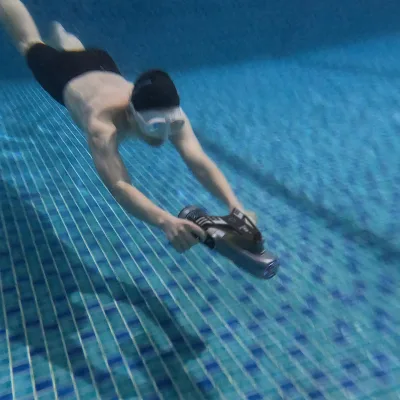
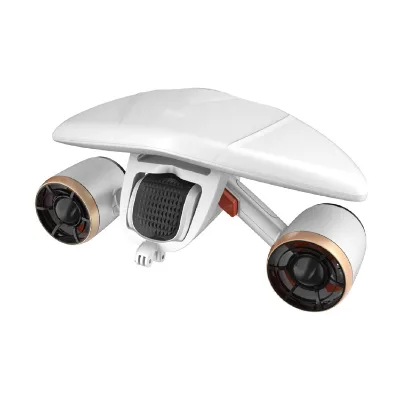
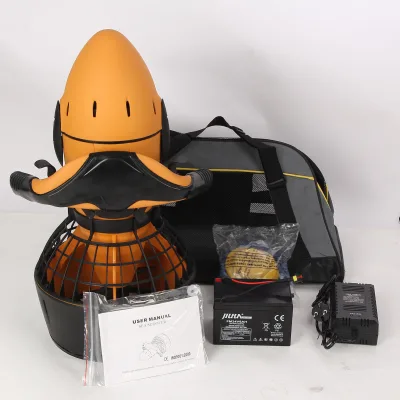
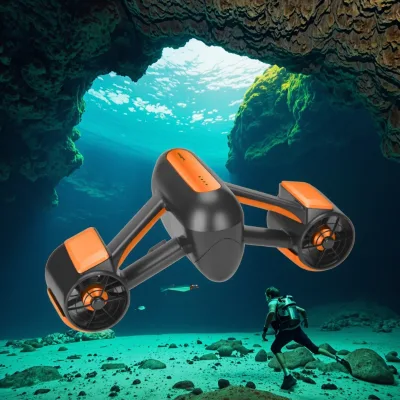
2024 Newest Trend 6000W Water Scooter Boat Sea Scooter Underwater Scooter
$1750.00 - $1850.00
MOQ: 1 Pieces


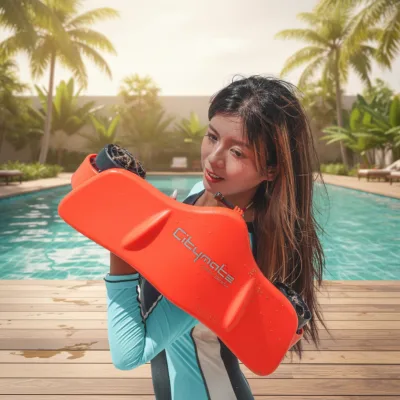


China Factory Underwater Best Electric Sea Diving Water Scooter Custom
$119.00 - $179.00
MOQ: 1 Pieces


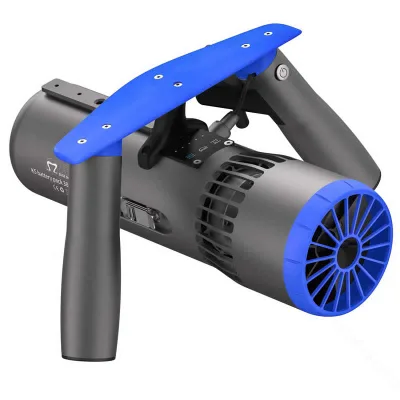
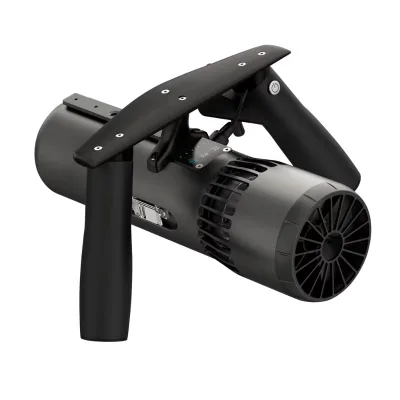


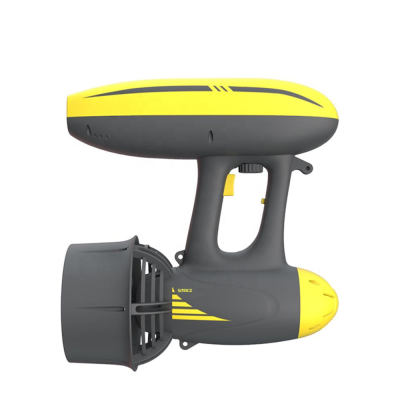
New Technology Product Outdoor Underwater Sports Underwater Dive Scooter
$889.00 - $905.00
MOQ: 1 packs




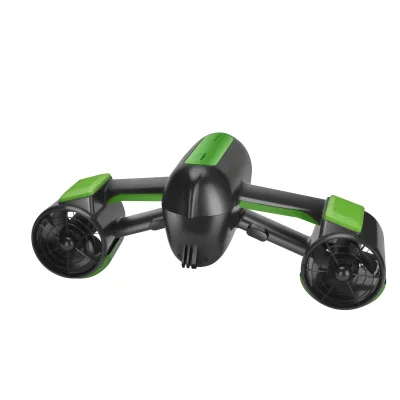
Comprehensive Sourcing Guide
Diving Scooter Sourcing Guide
The underwater sea scooter market presents a diverse array of propulsion devices designed to enhance mobility and efficiency for divers, ranging from recreational snorkelers to professional technical divers. Sourcing these devices requires a nuanced understanding of the technical specifications that dictate performance, safety, and regulatory compliance. Buyers must navigate a landscape where product attributes vary significantly, from battery configurations and motor power to material construction and waterproofing standards. This guide provides a structured approach to evaluating suppliers and products, ensuring that procurement decisions are grounded in verified data and industry best practices rather than marketing claims.
Procurement professionals must recognize that the term "Diving Scooter" encompasses a wide spectrum of devices, each tailored to specific use cases and environmental conditions. The observed market includes products with varying battery capacities, such as the 48V/18.2Ah configuration seen in some listings, and others with different voltage and capacity ratings like the 5.2Ah 25.2V units. These variations directly impact operating time, speed, and maximum depth ratings, which are critical factors in determining the suitability of a device for a particular diving operation. Understanding these technical distinctions is the first step in building a robust sourcing strategy that aligns with operational requirements.
Product Scope and Observed Listing Signals
The current market landscape for underwater scooters reveals a broad range of product types, including devices marketed for general swimming, underwater exploration, and specialized diving applications. Listings indicate a variety of models, such as the V2plus, BE-SF-02, and Seafly-A241, each with distinct packaging dimensions and weight specifications. For instance, some units are packaged in cartons measuring 46.5x23x15 cm, while others have larger dimensions like 70x40x40 cm, reflecting differences in device size and accessory inclusion. These physical attributes are essential for logistics planning, as they influence shipping costs, storage requirements, and handling procedures in the supply chain.
Observations from product listings also highlight significant variations in target demographics and feature sets. Some devices are explicitly labeled as suitable for unisex, women, men, girls, and boys, suggesting a focus on recreational and family-oriented markets. In contrast, other products emphasize technical features such as waterproofing, windproofing, and high-speed capabilities, with some listings citing speeds up to 15m/s and maximum depths of 40 meters. These signals indicate a segmented market where buyers must carefully match product capabilities with their specific operational needs, whether for leisure activities or professional underwater tasks.
Technical Specifications to Verify
Battery configuration is a primary technical specification that buyers must verify to ensure device performance and safety. Listings show diverse battery types, including lithium batteries with varying capacities such as 18.2Ah and 5.2Ah, and voltage ratings like 48V and 25.2V. The charging time for some devices is reported as 2-3.5 hours, which impacts operational readiness and turnaround time between dives. Buyers should confirm the actual battery chemistry, cell quality, and protection circuitry to prevent issues such as overheating or premature degradation, which are critical for underwater safety.
Motor power and propulsion efficiency are other key technical parameters that influence the scooter's performance in water. Some listings mention motor powers of 6000W, while others specify lower wattage options like 480W, indicating a wide range of power outputs. The displacement and engine type, such as 2-stroke engines with 1500CC displacement, are also noted in some contexts, though these may refer to different types of watercraft rather than electric scooters. Buyers must clarify the propulsion mechanism, whether it is electric or internal combustion, and verify the thrust output to ensure it meets the requirements for the intended diving conditions and user weight limits.
Compliance and Safety Documentation
Certification is a critical aspect of sourcing diving scooters, as these devices operate in hazardous underwater environments. The CE certification is mentioned in some listings, indicating compliance with European health, safety, and environmental protection standards. Buyers should verify the validity and scope of such certifications, ensuring that they cover the specific electrical and mechanical components of the scooter. Additional certifications, such as IP ratings for waterproofing, are essential to confirm that the device can withstand the pressure and moisture conditions at the specified maximum depth, which some listings claim to be 40 meters.
Safety features and warranty support are also important considerations for risk management. Some products offer a 2-year warranty and support, which can provide assurance regarding product durability and manufacturer reliability. Buyers should inquire about the terms of the warranty, including coverage for battery degradation, motor failure, and water damage. Additionally, verifying the presence of safety features such as emergency release mechanisms, low-battery alerts, and speed limiters can enhance user safety and reduce the risk of accidents during underwater operations.
Cost Drivers and Commercial Terms
The price range for diving scooters observed in the market spans from $89 to $1850, reflecting significant variations in quality, features, and brand positioning. Lower-priced items may offer basic functionality and shorter operating times, while higher-priced models likely include advanced battery technology, higher motor power, and enhanced safety features. Buyers should analyze the cost structure to understand what drives the price difference, such as the type of lithium cells used, the quality of the fiberglass or plastic materials, and the level of customization available.
Minimum Order Quantity (MOQ) and customization options are also key commercial terms that affect procurement strategy. The observed MOQ range is from 1 to 100 units, providing flexibility for both small-scale buyers and larger distributors. Customization is available for some products, allowing buyers to tailor features such as branding, packaging, or specific technical specifications to their needs. However, customization may impact lead times and costs, so buyers should negotiate these terms clearly to avoid unexpected delays or expenses.
Supplier Qualification and Quality Control
Supplier location and origin are important factors in assessing reliability and logistics efficiency. Many products originate from Shenzhen or Guangdong, China, regions known for their manufacturing capabilities in electronics and water sports equipment. Buyers should verify the supplier's production capacity, quality control processes, and track record in exporting similar products. Establishing a direct relationship with the manufacturer or a reputable distributor can help ensure consistent product quality and timely delivery.
Quality control measures should be implemented to verify that the products meet the specified technical and safety standards. This includes conducting pre-shipment inspections to check for defects in materials, assembly, and functionality. Buyers should also request test reports or performance data from the supplier to validate claims about battery life, waterproofing, and motor performance. Implementing a robust quality control process helps mitigate risks associated with product failures and ensures that the sourced scooters meet the required operational standards.
Long-Term Procurement Checks
After initial procurement, buyers should establish a system for monitoring product performance and customer feedback. This includes tracking warranty claims, return rates, and user satisfaction to identify any recurring issues or areas for improvement. Regularly reviewing supplier performance metrics, such as delivery times, product consistency, and responsiveness to issues, can help maintain a high standard of supply chain management. Continuous evaluation ensures that the sourcing strategy remains aligned with business goals and market expectations.
Long-term partnerships with suppliers can be fostered through open communication and collaborative improvement initiatives. Buyers should engage in regular discussions with suppliers to address any technical challenges or market changes that may affect product requirements. By maintaining a proactive approach to supplier management, buyers can ensure a steady supply of high-quality diving scooters that meet the evolving needs of their customers and operations. This strategic focus on relationship building and continuous improvement supports sustainable procurement practices and long-term business success.
FAQs
What is the maximum operating depth for this Diving Scooter?
The maximum operating depth for this Diving Scooter is 40 meters. This specification allows for recreational and professional diving activities within standard safety limits. Buyers should verify that their specific diving conditions do not exceed this depth to ensure optimal performance and safety.
How long does the battery take to fully charge?
The battery requires 2 to 3.5 hours to reach a full charge. This charging time is typical for lithium battery configurations used in underwater propulsion devices. Efficient charging cycles help maintain battery longevity and ensure readiness for repeated diving sessions.
What is the net weight of the Diving Scooter?
The net weight of the Diving Scooter is 19 kilograms. This weight is designed to balance buoyancy and maneuverability for adult users. Heavier units may offer more stability but require greater physical effort to handle during entry and exit from the water.
Can the Diving Scooter be customized for specific needs?
Yes, customization is available for this Diving Scooter. Buyers can request specific modifications to suit their operational requirements. Customization options may include branding, color, or specific functional adjustments, though exact details should be confirmed with the supplier during the inquiry process.
What certification does the Diving Scooter hold?
The Diving Scooter holds CE certification. This indicates compliance with European health, safety, and environmental protection standards. CE certification is a critical factor for buyers seeking products that meet international regulatory requirements for market entry and consumer safety.
What is the maximum speed of the Diving Scooter?
The maximum speed of the Diving Scooter is 15 meters per second. This speed provides sufficient propulsion for efficient underwater movement. Buyers should consider their specific diving needs and environmental conditions when evaluating if this speed meets their operational requirements.
What is the warranty period for the Diving Scooter?
The Diving Scooter comes with a 2-year warranty. This coverage period provides assurance against manufacturing defects and ensures long-term reliability. Buyers should review the specific terms and conditions of the warranty to understand what is covered and any exclusions.