Source Distribution Cabinet for Power Plants, Buildings, and Factories
Explore 30 verified listings for Distribution Cabinet solutions featuring customizable designs, IP54-66 protection ratings, and low voltage operation. Buyers can compare models from brands like ABB and Siemens with lead times of 7-15 days for high-rise buildings and power plants.
Key considerations
Products List




Comprehensive Sourcing Guide
Strategic Sourcing Guide for Industrial Distribution Cabinets
Understanding Technical Specifications and Core Components
When initiating a procurement strategy for distribution cabinets, the buyer must first establish a precise understanding of the technical architecture that defines these critical electrical assets. The core product category encompasses distribution control cabinets, often referred to as control panels or metering boxes, designed to manage power distribution and system control in industrial and commercial environments. The fundamental structure of these units typically relies on a steel plate shell, chosen for its durability and ability to house sensitive electrical components. The thickness of this shell material is a critical variable, with observed specifications ranging from 0.8mm to 1.5mm. This variance directly influences the mechanical strength and the overall protection rating of the enclosure.
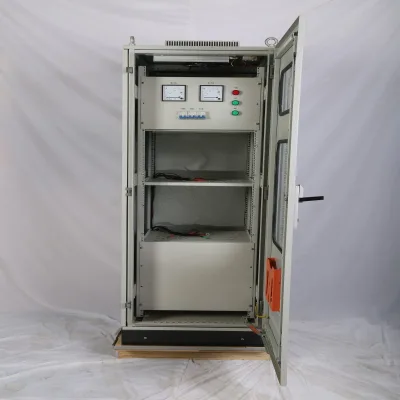
The internal architecture is equally vital. A standard Distribution Cabinet integrates key components such as circuit breakers, contactors, and frequency converters. These elements are housed within a cabinet structure that supports various mounting configurations, including rectilinear styles, wall-mounted units, console setups, and movable designs. The operational voltage for these systems is predominantly low voltage, with specific units supporting a wide range of input voltages including 220V, 380V, 415V, 440V, 460V, and 480V. This flexibility allows the cabinets to serve diverse grid requirements across different regions. Furthermore, the functional application extends beyond simple distribution; many units are engineered for specific tasks such as start-stop control and overload protection, ensuring the safety and continuity of the connected electrical load.
The physical dimensions and form factor are rarely static. Buyers should expect a "Made To Order" or customized standard where the box or cabinet size is tailored to the specific site requirements. The form is generally described as an all-packaged type, meaning the unit is delivered as a complete assembly ready for installation. This approach minimizes on-site assembly time but requires precise initial dimensioning. The protection rating of the shell is a primary differentiator, with observed ranges spanning from IP30 to IP66, and specific models highlighting a protection class between IP54 and IP66. This rating indicates the degree of protection against solid objects and water ingress, a crucial factor for cabinets deployed in harsh industrial environments or outdoor settings.
Compliance, Certification, and Regulatory Standards
Navigating the compliance landscape is a non-negotiable aspect of sourcing distribution cabinets. The market presents a mix of certifications that signal adherence to quality management and safety standards. High-confidence data indicates that many suppliers provide units certified under CCC (China Compulsory Certification) and ISO9001. These certifications are essential for verifying that the manufacturing process meets rigorous quality control benchmarks and that the product complies with mandatory safety regulations in specific markets.
However, buyers must exercise caution regarding international standards. While some background information references standards such as UL 50, UL 2416, UL 891, and IEC 61439, these should not be assumed as standard inclusions unless explicitly confirmed in the product listing. The presence of a CE mark is also mentioned in general background contexts but requires specific verification for each lot. The primary obligation for the buyer is to demand explicit documentation proving that the specific model ordered meets the regulatory requirements of the destination country. For instance, if the project is in a region requiring UL certification, the buyer must verify that the supplier can provide test reports specifically for UL 891 or equivalent standards, rather than relying on general ISO9001 quality assurance.
The certification status often correlates with the product's intended application. Units designated for high-voltage operation may carry different certification requirements compared to low-voltage distribution boxes. Buyers should verify the "Operation Voltage" classification against the certification scope. A unit certified for low-voltage applications may not be legally compliant for high-voltage installations without specific re-certification or additional testing. Therefore, the procurement checklist must include a line item for "Certification Scope Verification," ensuring that the CCC or ISO9001 certificate explicitly covers the voltage class and application range of the specific cabinet being purchased.
Cost Drivers and Pricing Dynamics
The pricing structure for distribution cabinets is inherently complex due to the high degree of customization available. The observed price range in the market is vast, spanning from approximately $6.66 to $10,000 USD. This wide disparity is not indicative of quality differences alone but reflects the variability in size, component selection, protection rating, and customization level. A basic, small-scale control panel with minimal components and a lower IP rating will sit at the lower end of this spectrum, while a large, fully integrated distribution control cabinet with high IP66 protection, advanced frequency converters, and custom branding will command the higher price points.
Several specific factors drive the final cost. First, the shell material thickness and the type of steel plate used are primary cost determinants. Thicker plates (e.g., 1.5mm vs. 0.8mm) increase material costs and shipping weight. Second, the selection of key components significantly impacts the price. The inclusion of branded components from manufacturers like ABB, Siemens, Schneider, Chint, Delixi, or Changshu S will increase the bill of materials compared to generic or unbranded parts. Third, the protection rating is a major cost driver; achieving an IP66 rating requires more complex sealing and gasketing than an IP30 rating.
The "Made To Order" nature of these products also introduces cost variables related to engineering and design time. Customization of the internal layout, color, and specific functional applications (such as specific start-stop logic) requires engineering resources that are factored into the unit price. Additionally, packaging costs vary; while standard export wooden boxes with pallets are common, specialized full packaging with wooden cases and wound film for high-value or sensitive units adds to the total cost. Buyers should request a detailed breakdown of costs to understand how much of the price is attributed to the enclosure versus the internal electrical components.
Typical Applications and Operational Environments
Distribution cabinets are versatile assets deployed across a wide array of industrial and commercial sectors. The primary application range identified includes high-rise buildings, where these units manage vertical power distribution and control systems for lighting, elevators, and HVAC. In these environments, the cabinets must often be wall-mounted or console-mounted to save space while providing reliable power management.
Beyond residential and commercial high-rises, the power plant sector is a significant application area. Here, the cabinets serve as critical control points for power generation and distribution infrastructure. The operational environment in power plants can be demanding, necessitating higher protection ratings (IP54-IP66) to withstand dust, moisture, and potential chemical exposure. The ability of the cabinet to handle overload protection and provide reliable start-stop functions is paramount in these settings to prevent equipment damage and ensure operational safety.
The "All-packaged Type" form factor makes these units suitable for rapid deployment in temporary or semi-permanent structures, as well as permanent industrial facilities. The customization feature allows for adaptation to specific site conditions, such as unique mounting requirements or specific voltage needs (220V to 480V). Whether for a small commercial building or a large-scale power generation facility, the Distribution Cabinet acts as the central nervous system for electrical safety and control. Buyers should match the cabinet's protection rating and voltage capacity to the specific environmental challenges of the intended site.
Supplier Evaluation and Operational Capabilities
Selecting the right supplier requires a deep dive into their operational capabilities and service scope. The market features suppliers with varying degrees of specialization, from those offering standard models to those providing full OEM (Original Equipment Manufacturer) services. A robust supplier should offer a comprehensive service scope that includes design, processing, assembly, and OEM customization. This end-to-end capability ensures that the buyer can rely on the supplier for the entire lifecycle of the product, from initial concept to final delivery.
The origin of the product is another critical evaluation metric. Suppliers are located in various regions, including Hangzhou (Zhejiang), Fujian, and Shaanxi in China. While the location itself does not dictate quality, it can influence logistics, lead times, and communication. Buyers should verify the supplier's production capacity and their ability to handle the specific model numbers observed in the market, such as MSBK, JNY, BNM-NEW, LV-13, YY-FF, or 001. The presence of multiple model numbers suggests a diverse product line, but the buyer must ensure the specific model meets their technical requirements.
The "Selected Brands" of key components used by the supplier is a strong indicator of quality. Suppliers that utilize components from reputable manufacturers like ABB, Siemens, and Schneider are generally more reliable than those using unbranded or generic parts. This choice affects the long-term reliability and maintenance costs of the Distribution Cabinet. Additionally, the warranty period is a key differentiator; a standard 12-month warranty is common, but buyers should negotiate terms that align with the criticality of the application.
Quality Control and Lead Time Management
Quality control in the manufacturing of distribution cabinets is paramount, given the safety implications of electrical equipment. The "Made To Order" standard implies that quality assurance must be integrated into the custom design and assembly process. Buyers should insist on a quality control protocol that includes pre-shipment testing, particularly for the protection rating and electrical continuity. The observed lead time for these units is typically 7-15 days per unit, with sample lead times available within 7 days. This relatively short turnaround suggests a responsive manufacturing process, but buyers must account for the time required for custom design and engineering if the order involves significant modifications.
Packaging is a critical component of quality control during transit. The standard practice involves full packaging with wooden cases and wound film, or standard export wooden boxes with pallets. This ensures that the steel plate shell and internal components are protected from physical damage and environmental exposure during shipping. Buyers should verify that the packaging method matches the fragility of the internal components and the distance of the shipment.
The Minimum Order Quantity (MOQ) is another factor in procurement planning. The observed MOQ range is 1 to 50 units. This flexibility allows small projects to procure single units while larger projects can leverage economies of scale. However, buyers should be aware that custom orders may have higher MOQs than standard models. The "Selling Units" are typically listed as single items, but bulk orders may trigger different pricing or lead time structures.
Long-Term Procurement and Lifecycle Considerations
Procuring a Distribution Cabinet is not a one-time transaction but the beginning of a long-term relationship with the supplier. The "Customization" attribute implies that the buyer may need future support for maintenance, upgrades, or additional units that match the original specifications. A supplier that offers design and assembly services is better positioned to provide this ongoing support than a simple manufacturer. The warranty period of 12 months is a baseline; buyers should consider the availability of spare parts and the supplier's response time for warranty claims.
The longevity of the cabinet depends heavily on the quality of the shell material and the protection rating. A steel plate cabinet with an IP66 rating will have a significantly longer service life in harsh environments compared to a lower-rated unit. Buyers should plan for periodic maintenance checks, particularly for the internal components like circuit breakers and contactors, which may require replacement over time. The ability to source compatible replacement parts from the original supplier is a key consideration for long-term procurement.
Finally, the evolving nature of electrical standards and regulations means that future expansions or modifications may require compliance with new standards. A supplier with a strong track record of certification (CCC, ISO9001) and experience with international standards is better equipped to guide the buyer through these changes. The "One Control by One" product type suggests a modular approach, which can facilitate future expansions without requiring a complete system overhaul. By focusing on suppliers with robust service scopes and a history of compliance, buyers can ensure the long-term reliability and safety of their distribution infrastructure.
FAQs
What certifications do distribution cabinets typically have?
Most units carry CCC and ISO9001 certifications to ensure quality and safety compliance. These standards verify that the manufacturing process meets rigorous benchmarks for electrical safety and management systems.
Can I customize the size and color of the cabinet?
Yes, customization is available for box size, color, and internal layout to meet specific site requirements. Buyers should expect a made-to-order standard where dimensions are tailored to the project.
What is the typical lead time for these units?
The standard lead time ranges from 7 to 15 days per unit for production. Sample orders can often be completed within 7 days depending on the specific model and customization level.
Which brands are used for key components like breakers?
Key components often include parts from ABB, Siemens, Schneider, Chint, Delixi, and Changshu S. The selection of these reputable brands impacts the reliability and long-term performance of the system.
What protection ratings are available for the shell?
Protection ratings generally span from IP30 to IP66, with specific models offering IP54 to IP66 classes. This rating indicates the level of protection against solid objects and water ingress for harsh environments.
How is the product packed for shipping?
Products are typically packed in standard export wooden boxes with pallets or full wooden cases with wound film. This packaging ensures the unit remains secure during transit and protects the steel plate shell.
What is the minimum order quantity for these cabinets?
The minimum order quantity varies from 1 to 50 units depending on the supplier and model. Some specific listings indicate a minimum of 5 pieces for certain customized or standard configurations.
Where are these distribution cabinets manufactured?
Units originate from various locations in China including Hangzhou, Fujian, and Shaanxi provinces. The specific origin may influence logistics and lead times but does not dictate the technical specifications.