Source DIY Anime 3D Illusion Lamp for Bedroom, Living Room, and Office
Explore 30 verified listings for the DIY Anime 3D Illusion Lamp to compare specifications like power supply, color options, and dimensions. Buyers can evaluate models ranging from battery-operated to USB rechargeable units with varying sizes and certifications for home decoration projects.
Key considerations
Products List
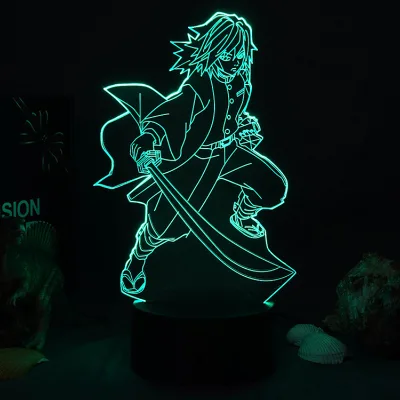
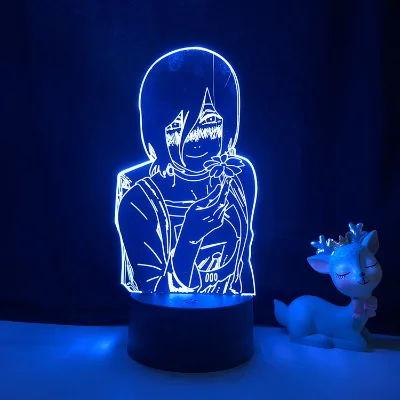
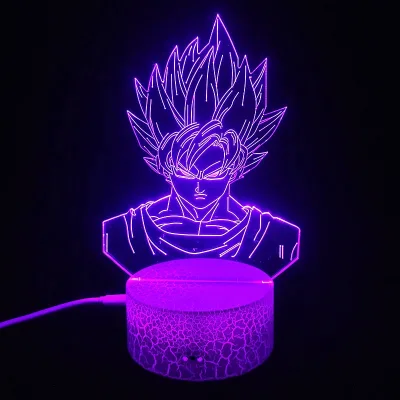
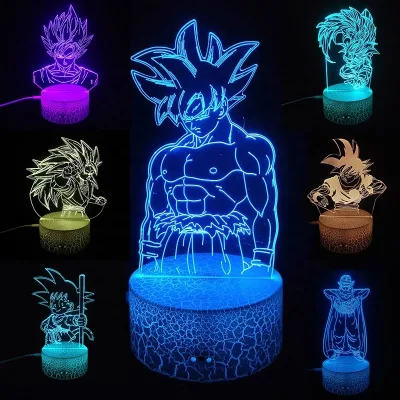
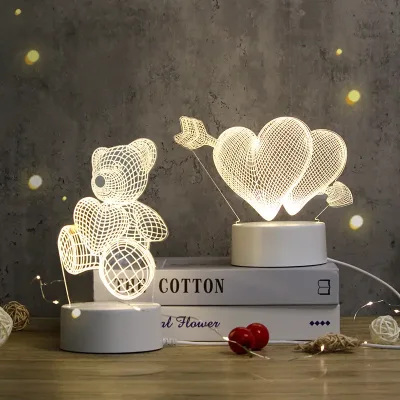


LED Night Light Custom Pattern Illusion Cartoon Sleep Anime Acrylic Night Lamp
$0.87 - $1.25
MOQ: 400 Pieces
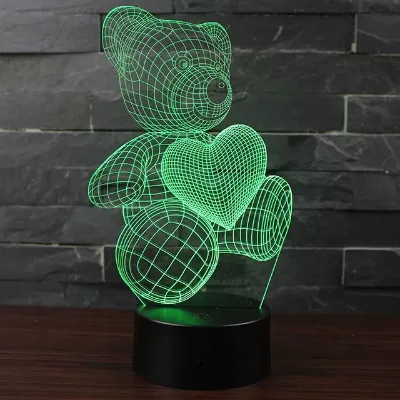
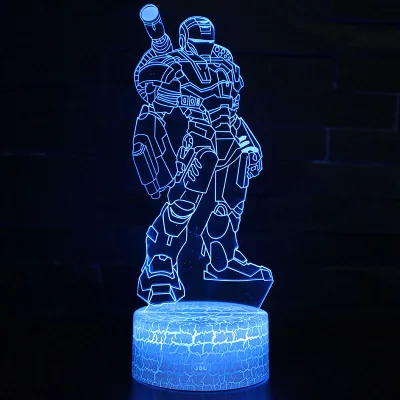
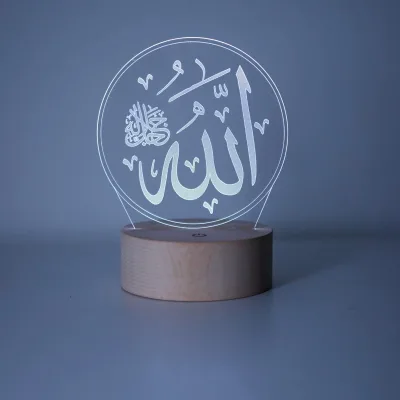


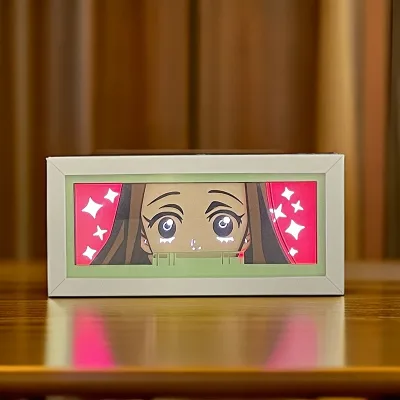
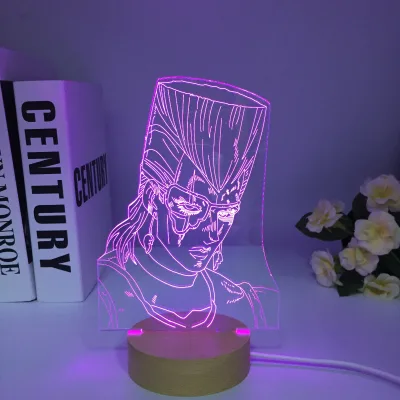
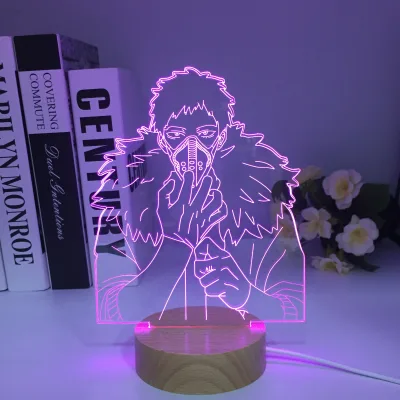
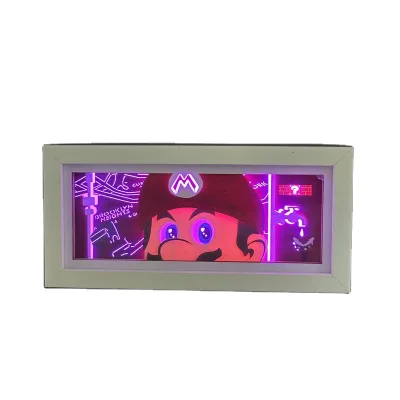
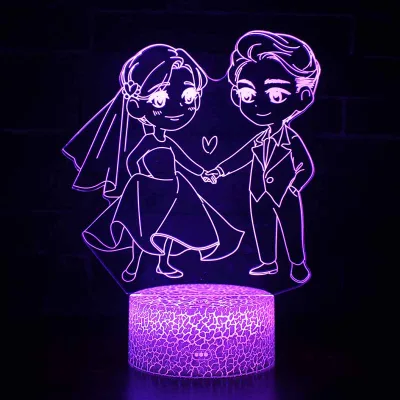
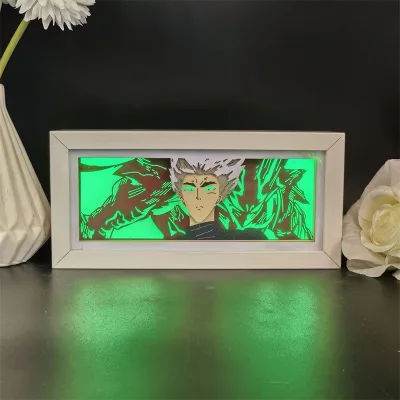

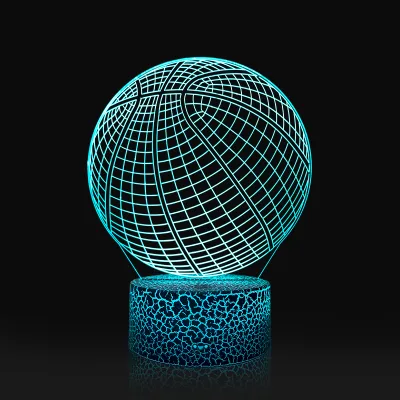


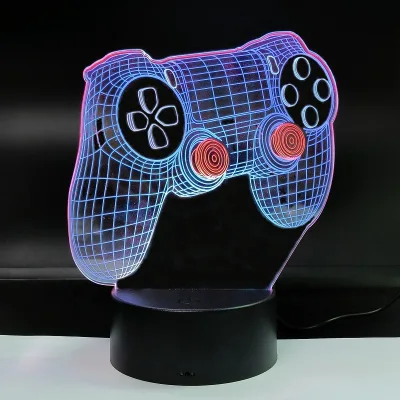


Comprehensive Sourcing Guide
Strategic Sourcing Guide for DIY Anime 3D Illusion Lamps
Understanding the Product Category and Technical Specifications
When sourcing "DIY anime 3D illusion lamps," buyers must first distinguish between products that rely on optical projection technology and those that utilize 3D printing or acrylic layering to create depth. The market contains a variety of configurations, but the core functionality remains consistent: creating a three-dimensional visual effect using LED light sources. Based on observed product attributes, these devices often feature specific dimensional constraints. For instance, certain models in this category have been observed with base sizes of 95 * 40mm, while the overall product dimensions can vary significantly, with some units measuring 18 * 10 * 0.4cm or 20.5 * 14.5 * 5cm.
The power requirements are a critical technical specification to verify during the initial screening phase. Many units in this sector operate on a 5V input voltage, compatible with standard USB power supplies. However, power supply modes can differ; some models utilize a battery configuration requiring three AA batteries, while others are designed for USB rechargeable operation. The light source is universally LED, with specific observations noting a lamp power of 4W and a lifespan of up to 10,000 hours. Color rendering is another vital metric; observed data indicates a Color Rendering Index (Ra) of 80, which is sufficient for general home decoration but may not meet professional studio standards.
The visual output capabilities also vary. Some products offer a fixed color temperature of 3500K (Warm White), while others provide dynamic color options ranging from 7 to 34 distinct colors. This variability suggests that buyers should not assume a specific color palette without verifying the individual product listing. The control methods observed include simple switch controls, though more advanced models may support dimming. The material composition is predominantly acrylic, which allows for the precise layering required to achieve the 3D illusion effect. Packaging dimensions are typically compact, with single package sizes ranging from 10.0 * 10.0 * 10.0 cm to 20 * 10 * 5 cm, facilitating efficient shipping.
Compliance and Certification Verification
In the B2B procurement of electronic lighting products, verifying compliance with safety and electromagnetic standards is non-negotiable. The supply chain for these items often originates from manufacturing hubs in Zhejiang, China, where regulatory adherence can vary between suppliers. Buyers must explicitly request documentation confirming that the products meet relevant international safety standards. Observed product attributes list certifications such as EMC (Electromagnetic Compatibility) and LVD (Low Voltage Directive). These certifications indicate that the product has undergone testing for electromagnetic interference and electrical safety, which are essential for market entry in regions like the European Union.
However, the presence of a certification label on a product listing does not guarantee that every unit in a bulk order is compliant. Buyers must treat these certifications as observations of specific models rather than universal guarantees for the entire category. It is imperative to request valid test reports from accredited laboratories for the specific model numbers being sourced, such as BNT886, BNTN004, or BNT966. The absence of a specific certification standard in the provided data means that buyers should not assume compliance with standards like UL (USA) or CE (Europe) unless explicitly confirmed by the supplier.
Furthermore, the warranty period observed for these products is typically 1 year. This duration serves as a baseline for supplier confidence but should be negotiated based on the volume and the specific risk profile of the shipment. Buyers should verify if the warranty covers the LED driver, the power supply, and the acrylic housing, as failure modes can differ across these components. Ensuring that the supplier can provide a Certificate of Conformity (CoC) for the specific batch is a critical step before finalizing any purchase order.
Cost Drivers and Pricing Structure Analysis
The pricing structure for DIY anime 3D illusion lamps is influenced by several factors, including the complexity of the 3D design, the quality of the acrylic material, and the sophistication of the electronic components. The observed price range for these products spans from $0.29 to $15.27 USD. This wide disparity indicates a highly segmented market where low-cost, mass-produced items compete with premium, design-intensive units. The lower end of the price spectrum likely corresponds to simpler designs with basic LED configurations and standard acrylic thickness, while the higher end reflects intricate anime artwork, higher quality materials, and advanced features like dimming or multi-color cycling.
Minimum Order Quantity (MOQ) is another significant cost driver. The observed MOQ range varies from 1 piece to 3,000 pieces. For buyers testing the market, suppliers offering an MOQ of 1 or 100 pieces provide a low-risk entry point. However, as order volumes increase, the unit price typically decreases. The relationship between volume and price is not linear; there may be tiered pricing structures where significant savings are realized only after crossing specific thresholds, such as 500 or 1,000 units. Buyers should also consider the single gross weight of the product, which ranges from 0.3 kg to 1.0 kg. Heavier units, often due to thicker acrylic or larger bases, will incur higher shipping costs, which can erode the savings gained from a lower unit price.
Additionally, the packaging method affects costs. Products packed in individual boxes, as observed in the data, offer better protection but increase the volume and weight of the shipment compared to bulk packing. The "Selling Units" are typically listed as single items, meaning that even in bulk orders, the packaging is unitized. This impacts the number of units that can fit into a standard container, thereby influencing the total landed cost. Buyers must calculate the total cost of ownership, including freight, duties, and packaging, rather than focusing solely on the FOB price.
Typical Applications and Market Segmentation
The primary application for DIY anime 3D illusion lamps is home decoration, specifically in residential settings such as bedrooms. The product attributes explicitly list "Bedroom" and "Home Decoration" as key usage scenarios. The modern design style and the ability to customize colors make these lamps particularly appealing to younger demographics who are fans of anime culture. The visual effect of the 3D illusion creates an immersive atmosphere that standard flat lighting cannot achieve, making them popular as night lights or ambient lighting fixtures.
Beyond residential use, these products can serve as promotional items or corporate gifts. The "Light Drawing And Design" service mentioned in the attributes suggests that some suppliers offer customization capabilities, allowing businesses to brand the lamps with logos or specific designs. This feature expands the potential market to include event organizers, gaming communities, and tech companies looking for unique giveaways. The "Project Installation" service indicates that larger scale applications are possible, though this is less common for small, single-item units.
The versatility of the color options, ranging from 7 to 34 colors, allows these lamps to adapt to various interior design themes. Whether used as a focal point in a gaming setup or a soft night light for a child's room, the product's adaptability is a key selling point. However, buyers should note that the "Lighting solutions service" may vary by supplier, and not all vendors offer full-scale project installation. It is essential to clarify the scope of services included in the price to ensure the product meets the specific application requirements of the target market.
Supplier Evaluation and Quality Control Protocols
Evaluating suppliers in this category requires a rigorous approach to quality control, given the variability in product construction. The brand names observed, such as BNT and OEM, indicate that some products are branded while others are generic. When sourcing OEM products, buyers must ensure that the supplier has strict quality control processes in place to maintain consistency across batches. The "Newly-designed" attribute suggests that the market is dynamic, with frequent updates to designs and features. Buyers should verify that the supplier has a stable supply chain for the specific components, such as the LED strips and acrylic sheets, to avoid delays.
Quality control checks should focus on the integrity of the 3D illusion effect. Buyers must verify that the acrylic layers are aligned correctly and that the gaps between layers are consistent. Any misalignment can ruin the 3D effect, rendering the product unsellable. Additionally, the electrical safety of the USB ports and battery compartments must be tested to ensure they meet the observed EMC and LVD standards. The "Single gross weight" and "Single package size" should be verified against the supplier's shipping documents to prevent discrepancies that could lead to customs issues or unexpected freight charges.
Buyers should also assess the supplier's ability to handle the "Free sample" request. Although the data indicates "No" for free samples in some contexts, this does not preclude the possibility of purchasing a sample unit for evaluation. Requesting a sample is a critical step to verify the actual color temperature, brightness, and build quality before committing to a large order. The supplier's responsiveness to quality inquiries and their willingness to provide detailed technical specifications are strong indicators of their reliability.
Long-Term Procurement Considerations and Sustainability
For long-term procurement, buyers must consider the lifecycle of the product and the potential for repeat orders. The observed lifespan of 10,000 hours suggests that the LED components are durable, but the acrylic material may degrade over time due to exposure to UV light or heat. Buyers should inquire about the material's resistance to yellowing or cracking, especially if the lamps are intended for long-term use in direct sunlight or high-temperature environments. The "Warranty(Year): 1-Year" provides a safety net, but buyers should negotiate extended warranty terms for high-volume contracts to mitigate long-term risks.
Sustainability is becoming an increasingly important factor in B2B procurement. While the specific environmental certifications are not detailed in the provided data, buyers should ask suppliers about the recyclability of the acrylic material and the energy efficiency of the LED components. The "Lamp Luminous Efficiency" of 15 lm/w is a baseline metric that buyers can use to compare different models. Higher efficiency models may command a premium but offer lower long-term operating costs for the end-user.
Finally, buyers should monitor the "PCs/Ctn" (Pieces per Carton) metric, which was observed as 60 in some cases. This figure is crucial for optimizing logistics and storage. Efficient packing reduces shipping costs and minimizes the risk of damage during transit. As the market evolves, buyers should stay informed about new design trends and technological advancements in 3D lighting to ensure their product offerings remain competitive. By maintaining a strategic relationship with reliable suppliers and adhering to strict quality control protocols, buyers can successfully navigate the complexities of sourcing DIY anime 3D illusion lamps.
Comparative Analysis of Key Product Attributes
To assist buyers in making informed decisions, the following table summarizes the key technical and logistical attributes observed in the product data. This comparison highlights the variability in specifications that must be addressed during the sourcing process.
| Attribute Category | Observed Value/Range | Procurement Implication |
|---|---|---|
| Product Name | 3D Led Night Light, 3D Printed Moon Lamp | Verify the specific visual effect (projection vs. printed layers). |
| Model Numbers | BNT886, BNTN004, BNT966, BNT885, A1 | Ensure the model number matches the requested design exactly. |
| Dimensions | 18100.4cm to 20.514.55cm | Check compatibility with intended display spaces or packaging. |
| Power Supply | 3*AA, USB Recharge, 5V Input | Confirm compatibility with target market power standards. |
| Color Options | 7 Colors to 34 Colors | Align color range with customer preferences and design needs. |
| Material | Acrylic | Verify thickness and clarity for optimal 3D effect. |
| Certifications | EMC, LVD | Request valid test reports for specific batches. |
| MOQ | 1 to 3,000 pcs | Negotiate based on initial order volume and future growth. |
| Warranty | 1-Year | Assess if this covers all components or just the LED. |
| Origin | Zhejiang, China | Factor in lead times and potential shipping routes. |
This table serves as a checklist for buyers to ensure all critical parameters are verified before placing an order. By systematically addressing each attribute, buyers can minimize the risk of receiving non-compliant or substandard products.
FAQs
What power supply modes are available for these lamps?
These lamps support both battery and USB rechargeable power modes. Some models require three AA batteries while others operate on a 5V USB input, allowing flexible usage in various settings without needing a fixed power outlet.
Which certifications do the products typically hold?
Observed products carry EMC and LVD certifications for safety and electromagnetic compatibility. Buyers should verify specific test reports for each model number to ensure compliance with regional electrical standards before placing bulk orders.
How does the color temperature affect the lighting effect?
Some models offer a fixed warm white temperature of 3500K for a cozy ambiance. Other variants provide dynamic color options ranging from 7 to 34 colors, allowing users to customize the atmosphere for different home decoration themes.
Can I find suppliers with low minimum order quantities?
Yes, suppliers offer minimum order quantities starting from just one piece up to 3000 pieces. This range allows buyers to test the market with small orders or scale up production based on their specific inventory needs and budget.
What is the typical lifespan of the LED light source?
The LED light source has an observed lifespan of up to 10,000 hours. This durability ensures long-term reliability for home decoration applications, provided the unit is used within standard operating conditions and voltage limits.
Which material is used for the 3D illusion effect?
The 3D illusion effect is primarily created using acrylic material. This material allows for precise layering to achieve depth, and its quality directly impacts the clarity of the visual effect and the overall durability of the lamp.
What is the warranty period for these electronic lamps?
The standard warranty period observed for these products is one year. This coverage typically applies to the LED driver and power supply, but buyers should confirm specific terms regarding the acrylic housing and other components with the supplier.