Source Doctor Hat Necklace for medical staff, students, and events
Explore 30 listings for the Doctor Hat Necklace, comparing alloy and stainless steel options with silver or gold plating. Buyers can evaluate geometric and heart pendant shapes suitable for anniversaries or daily decoration.
Key considerations
Products List
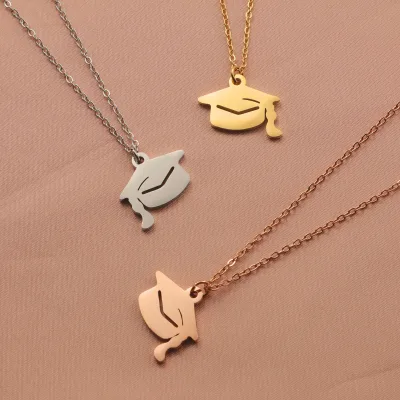
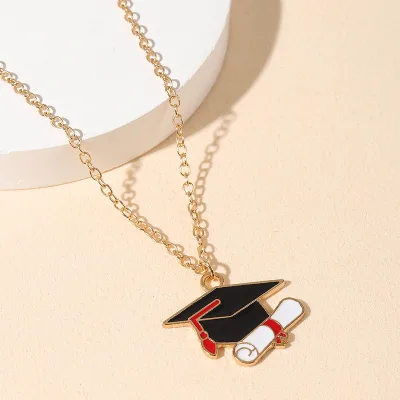
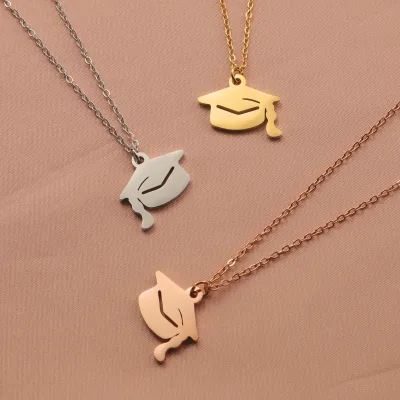


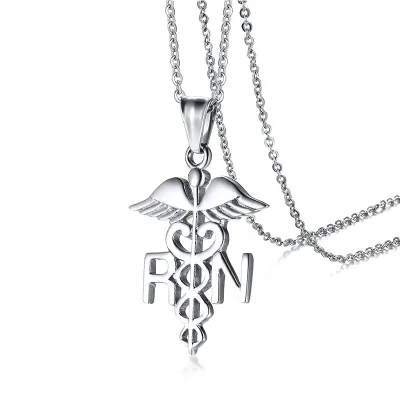



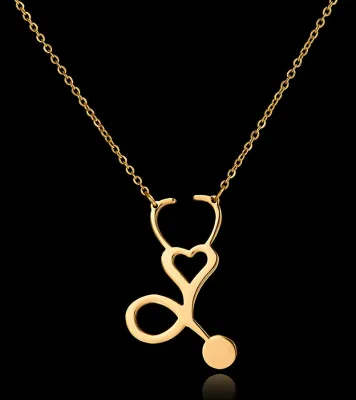
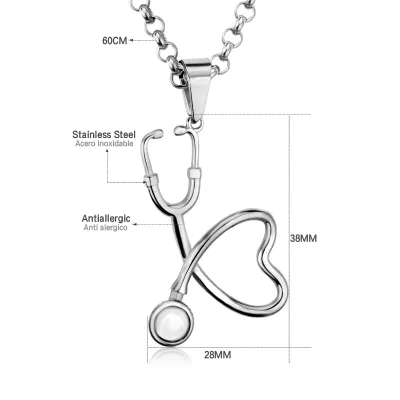


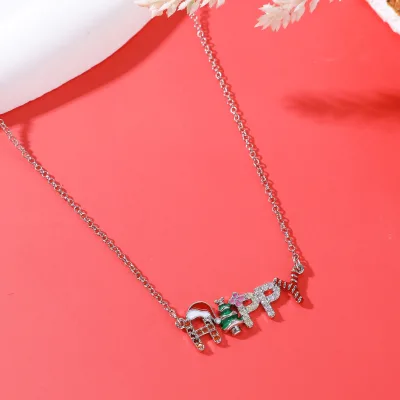
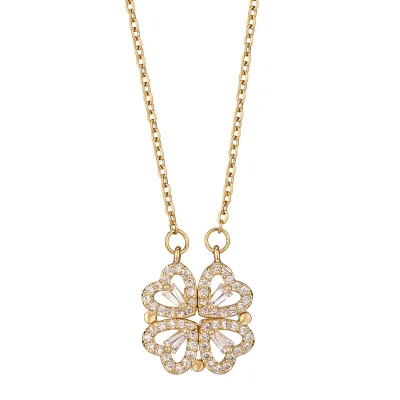

Comprehensive Sourcing Guide
Strategic Sourcing Guide for Medical-Themed Jewelry Procurement
Understanding Product Specifications and Variability
When initiating a procurement strategy for items categorized under the core keyword "Doctor Hat Necklace," buyers must first recognize that this term often refers to novelty jewelry featuring medical iconography rather than functional medical equipment. The product landscape for such items is defined by a diverse array of technical specifications that vary significantly between suppliers. Based on observed market data, the physical dimensions of these necklaces can range from compact designs with a single package size of 6x6x6 cm to longer chains with specified lengths of 15cm, 18cm, and 20cm. A specific high-confidence observation notes a length of 18 inches for certain models, while others are listed with sizes "As see the pictures," indicating a need for visual verification during the selection process.
The material composition is a critical differentiator in this category. Buyers will encounter products constructed from Alloy, Stainless Steel, and various other material types. The choice of material directly influences the durability, weight, and plating quality of the final product. For instance, some listings specify a single gross weight of 0.030 kg, suggesting lightweight designs, while others indicate a weight of approximately 10g, which may align with specific standards like "10g" mentioned in certain product attributes. The plating options are equally varied, with Silver Plated, Gold, and Rose Gold finishes being common. Some products explicitly claim Non-Fading properties for silver plating, while noting specific color retention characteristics for gold and rose gold variants. This variability requires buyers to treat material claims as observations that must be verified through sample testing rather than assuming uniformity across all suppliers.
Design Aesthetics and Functional Attributes
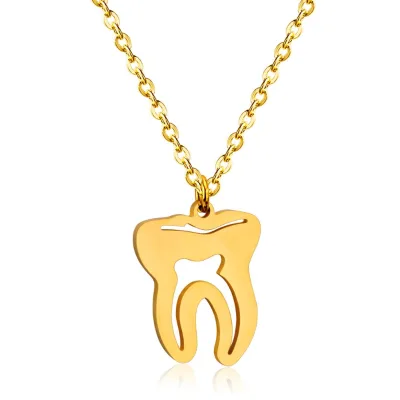
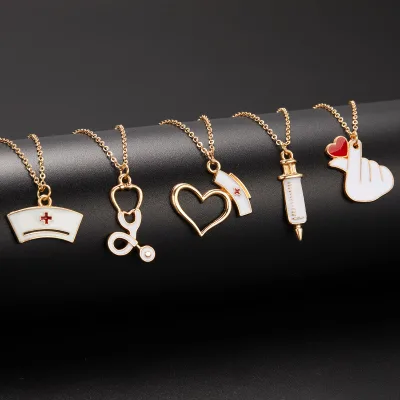
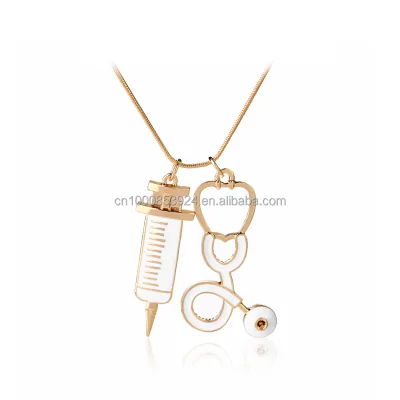
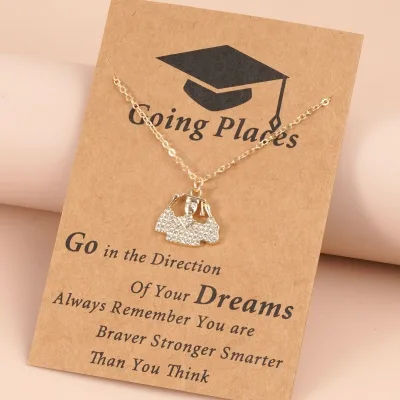
The aesthetic design of doctor hat necklaces is driven by current fashion trends, with "TRENDY" and "Fashion" styles dominating the market. The shape and pattern of the pendants are diverse, ranging from Geometric designs to specific shapes like Hearts and Squares. While the core keyword implies a medical theme, the actual pendant shapes observed in the supply chain include these generic forms, suggesting that the "doctor hat" motif may be a thematic descriptor rather than a literal shape for every item listed. The chain types also vary, with Link Chains being a standard offering.
Color options are extensive, with suppliers offering combinations such as 1, 2, 3, 4, 5, and specific color names like Silver, Gold, Rose Gold, Golden, and White Gold. This wide spectrum allows for customization based on target demographics. The intended gender for these products is listed as Unisex, though specific attributes also note suitability for Females and Children. This suggests a broad market appeal, from professional medical staff looking for subtle accessories to children's fashion. The style is further categorized as Simple or Fashion, and the usage is primarily listed as Decoration, with some attributes mentioning Health, which likely refers to the symbolic nature of the item rather than therapeutic properties. Buyers should verify if the "Health" usage claim is a marketing term or if it implies specific material benefits, as no standard health certification is provided in the general product data.
Cost Drivers and Pricing Dynamics
The pricing structure for doctor hat necklaces is influenced by several key factors, including material costs, plating quality, and order volume. The observed listed price range in the market spans from $0.19 to $580 USD, a massive disparity that highlights the difference between mass-produced alloy items and potentially high-end, custom-designed pieces. This range indicates that cost is not linearly correlated with the basic description of the item but is heavily dependent on the specific attributes selected, such as the use of Stainless Steel versus generic Alloy, or the complexity of the plating process.
Minimum Order Quantity (MOQ) is another significant cost driver. The observed MOQ range varies from 1 piece to 1440 pieces, with specific high-confidence facts noting MOQs of 10 pcs and 20 pcs for certain models. Suppliers offering an MOQ of 1 are ideal for sampling or small boutique orders, while those requiring 1440 pieces are geared toward large-scale wholesale distribution. The selling units are typically listed as "Single item," but the packaging often involves Cartons for bulk shipments. Buyers must calculate the total landed cost by factoring in the MOQ requirements, as a low unit price may be offset by the need to purchase a high volume of inventory. Additionally, customization availability is a variable cost; while some suppliers offer customization, the lead time for items with logo printing increases significantly compared to standard items, impacting the overall cost structure and cash flow planning.
Compliance, Certification, and Safety Verification
In the jewelry sector, particularly for items worn close to the skin or marketed with health-related attributes, compliance and safety verification are paramount. While the supplied data does not explicitly list specific certifications like ISO or REACH, buyers must treat the absence of listed standards as a risk factor requiring proactive verification. The product attributes mention a "prod_standard" of 10g, which likely refers to weight specifications rather than a safety standard. Similarly, the claim of "Non-Fading" plating requires independent testing to validate, as color retention can degrade based on exposure to chemicals, sweat, or water.
Buyers should verify that the materials used, particularly the Alloy and Stainless Steel, comply with international safety regulations regarding heavy metals such as lead, cadmium, and nickel. The "Health" usage claim mentioned in some attributes is particularly sensitive; if a product is marketed as having health benefits, it may fall under stricter regulatory scrutiny depending on the destination market. Without explicit certification data in the product listings, procurement teams must request third-party test reports from suppliers to confirm that the items are safe for prolonged skin contact. The "Place of Origin" is consistently listed as Zhejiang, China, a major manufacturing hub, but origin alone does not guarantee compliance. Buyers should ensure that the supplier can provide documentation proving adherence to the safety standards of the target import country, such as the CPSIA in the United States or the EU's REACH regulation.
Supplier Evaluation and Operational Capabilities
Evaluating suppliers for doctor hat necklaces requires a focus on operational reliability and communication transparency. The lead times observed in the market vary from 3-4 days for items without logo printing to 15 days for those with logo printing. This distinction is crucial for supply chain planning, as customized orders require significantly more time. The payment terms listed include T/T and Pay on Mic, indicating a need for buyers to assess their own risk tolerance regarding payment methods.
Supplier evaluation should also consider the consistency of product attributes. The data shows conflicting information regarding color options (e.g., "1,2,3" vs. "Gold,Silver,rose gold") and model numbers (e.g., "N246" vs. "Necklace-M002" vs. "necklace-2026"). This inconsistency suggests that different suppliers or even different batches from the same supplier may have varying specifications. A reliable supplier will provide clear, consistent technical data sheets and maintain a stable inventory of their core models. Buyers should prioritize suppliers who offer customization services but have a proven track record of meeting the specified lead times. The ability to handle small MOQs (down to 1 piece) for sampling is also a key indicator of a supplier's flexibility and willingness to engage with new buyers.
Quality Control and Long-Term Procurement Strategy
Implementing a robust quality control (QC) strategy is essential for mitigating the risks associated with the high variability in the Doctor Hat Necklace market. Given the range of materials from Alloy to Stainless Steel, QC protocols must include visual inspections for plating defects, such as peeling or discoloration, which are common issues with plated jewelry. The specific claim of "Non-Fading" for silver and "Color Retention" for gold and rose gold should be tested under simulated wear conditions before bulk ordering. Weight verification is also necessary to ensure the product matches the stated specifications, such as the 10g standard or the 0.030 kg gross weight.
For long-term procurement, buyers should establish a standardized specification sheet that overrides the generic descriptions found on product pages. This sheet should define acceptable tolerances for length, weight, and plating thickness. Building a relationship with a supplier who can consistently meet the 3-4 day lead time for standard items and the 15-day lead time for customized items will streamline operations. Furthermore, buyers should monitor the market for changes in material costs and MOQ requirements, as these factors can shift rapidly. By maintaining a diverse supplier base and conducting regular quality audits, buyers can ensure a steady supply of high-quality doctor hat necklaces that meet both aesthetic and safety expectations.
Comparative Analysis of Product Attributes
To facilitate decision-making, the following table summarizes the key attribute variations observed in the market for doctor hat necklaces. This comparison highlights the need for precise specification matching during the sourcing process.
| Attribute Category | Observed Variation | Procurement Implication |
|---|---|---|
| Material | Alloy, Stainless Steel, Other | Verify metal content and plating durability; Stainless Steel offers higher corrosion resistance. |
| Plating | Silver, Gold, Rose Gold, Silver Plated | Test for color retention; "Non-Fading" claims require validation. |
| Length/Size | 15cm, 18cm, 20cm, 18 inches, "As seen" | Confirm exact dimensions via sample; 18 inches is a common standard but not universal. |
| MOQ | 1, 10, 20, up to 1440 pcs | Align order volume with cash flow; low MOQ allows for sampling. |
| Lead Time | 3-4 days (no logo), 15 days (with logo) | Plan inventory buffers for customized orders; standard items are faster to source. |
| Pendant Shape | Heart, Square, Geometric, "Other" | Ensure the shape matches the "doctor hat" theme or specific design requirements. |
| Target Audience | Unisex, Female, Children | Tailor marketing and design selection to the specific demographic. |
| Usage | Decoration, Health | Clarify "Health" claims; likely symbolic rather than functional. |
By adhering to these evidence-based guidelines and verifying all claims against actual product samples, buyers can navigate the complexities of the Doctor Hat Necklace market effectively. The key to successful procurement lies in rigorous specification management, thorough supplier vetting, and a commitment to quality control that transcends the generic descriptions found in initial product listings.
FAQs
What materials are used for doctor hat necklaces?
These necklaces are primarily made from Alloy or Stainless Steel. Some listings also mention other material types, so buyers should verify the specific composition before ordering to ensure durability and safety.
How long is the lead time for custom orders?
The lead time is 3 to 4 days for items without a logo. For orders requiring logo printing, the production time extends to 15 days, which buyers must account for in their supply chain planning.
Which plating options are available for these necklaces?
Common plating options include Silver Plated, Gold, and Rose Gold. Some products claim non-fading properties for silver, while gold and rose gold variants may have specific color retention characteristics that require verification.
Can I order small quantities of doctor hat necklaces?
Yes, suppliers offer Minimum Order Quantities ranging from 1 piece up to 1440 pieces. Specific models may have MOQs of 10 or 20 pieces, allowing flexibility for sampling or small boutique orders.
Where are these necklaces manufactured?
The place of origin for these products is consistently listed as Zhejiang, China. Buyers should verify this location when sourcing to ensure alignment with their logistics and compliance requirements for the region.
What sizes are available for the necklace chains?
Chain sizes vary, with options including 15cm, 18cm, and 20cm. Some specific models are listed as 18 inches long, while others are described as sizes seen in pictures, requiring visual confirmation.
Are these necklaces suitable for children and men?
The products are generally categorized as Unisex and are also noted as suitable for females and children. This broad suitability allows them to be marketed to various demographics including professional staff and youth.