Source Domino Qube A320i Solvent Ink for industrial printing
Compare 30 listings for Domino Qube A320i Solvent Ink from verified suppliers in China. Evaluate model numbers, ink types, and packaging options to find suitable solutions for Domino printers and other industrial applications.
Key considerations
Products List
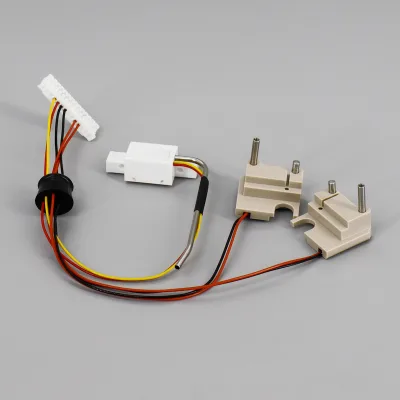
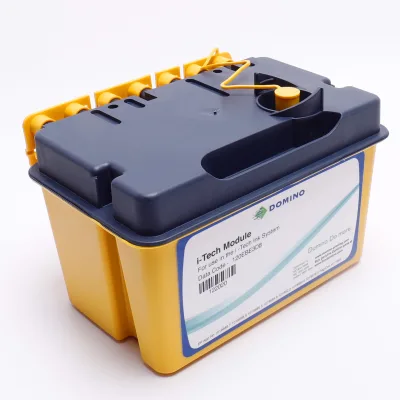
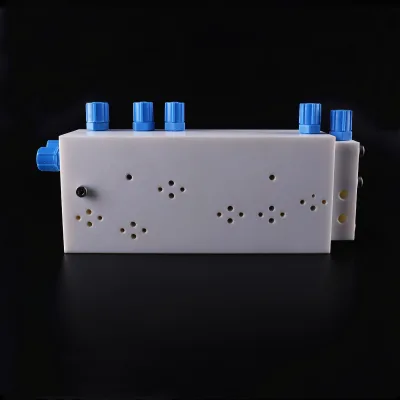
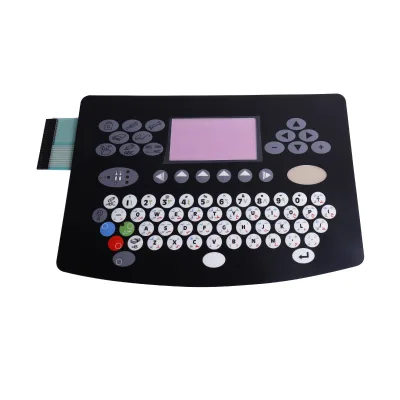
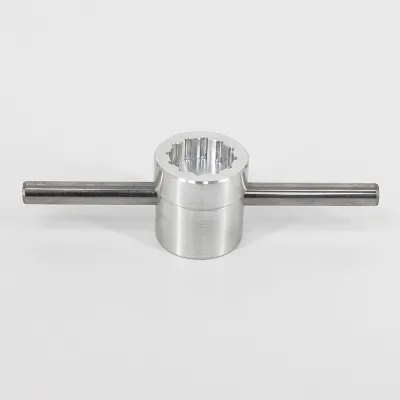
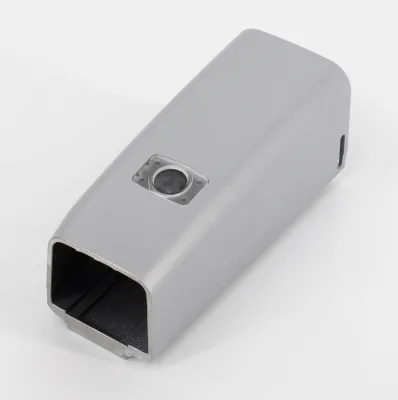
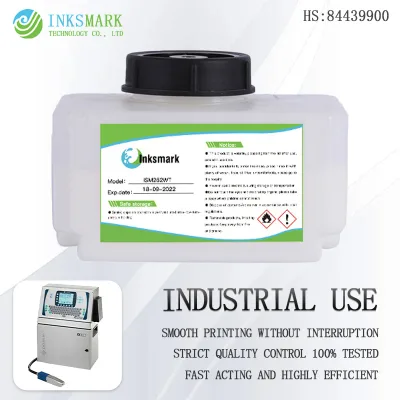
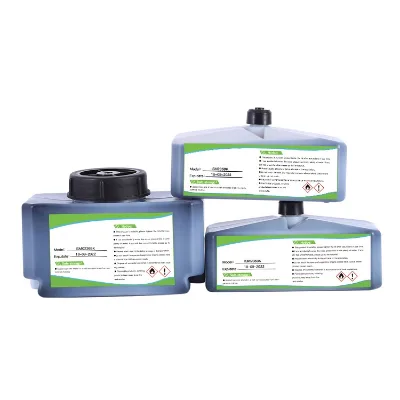
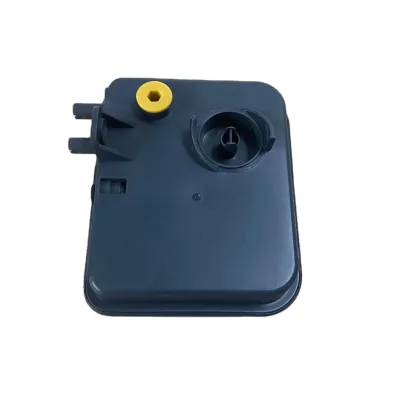
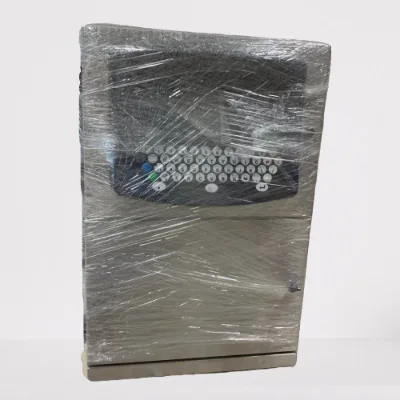
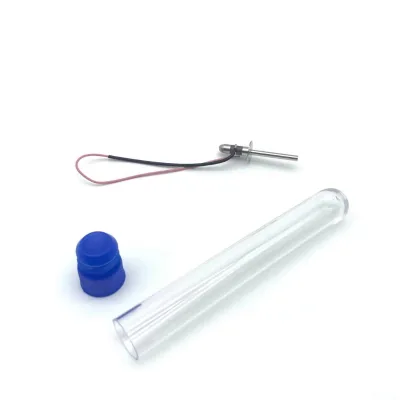
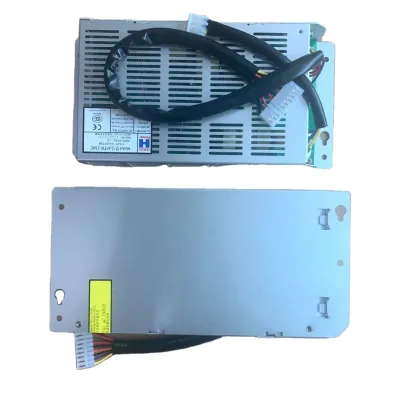
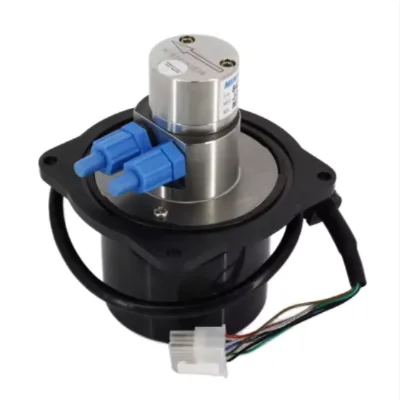


Compatible Printing Ink IR-291bk 1200ml Compatible for Domino Inkjet Printer
$24.00 - $33.00
MOQ: 6 Pieces

Original Domino Consumable IC-2bk006 Ink for A320I A420I A520I Cij Inkjet Printer
$116.00 - $151.00
MOQ: 1 Pieces

Comprehensive Sourcing Guide
Strategic Sourcing Guide for Domino Qube A320i Solvent Ink and Compatible Consumables
Procuring replacement consumables for industrial printing machinery, specifically targeting the Domino Qube A320i Solvent Ink ecosystem, requires a disciplined approach that balances technical compatibility with supply chain reliability. The market for third-party and compatible inks is vast, yet the specific requirements of high-speed industrial printers demand rigorous verification. Buyers must navigate a landscape where product attributes vary significantly between suppliers, and where the distinction between original equipment manufacturer (OEM) specifications and compatible alternatives is critical for operational continuity. This guide outlines the essential factors for sourcing solvent-based ink solutions, focusing on the technical realities observed in current market listings and the necessary due diligence for B2B procurement.
Technical Specifications and Compatibility Verification
The foundation of a successful procurement strategy lies in the precise identification of technical specifications. When searching for ink solutions for the Domino Qube A320i, buyers must distinguish between the specific ink chemistry and the mechanical components that support it. Market observations indicate that "Solvent Ink" is the primary chemical classification for this application, often labeled explicitly as "Solvent Based Ink" in product listings. This distinction is vital because solvent-based formulations interact differently with substrates and printer hardware compared to water-based or UV-curable alternatives.
Compatibility extends beyond the ink bottle itself. The supply chain for these printers often includes a complex array of accessories, such as nozzle covers, drive rod assemblies, and specific ink modules. For instance, product data reveals the existence of "ink and solvent cube module" components, which suggests that the printer's fluid dynamics rely on specific modular designs. Buyers must verify that the model numbers of the ink and associated modules align with the printer's firmware requirements. Listings show a variety of model numbers, such as DB2-0160113SP, PG0409, and DB67808, which may correspond to specific printer configurations or regional variants.
Furthermore, the physical attributes of the product are critical for logistics and storage. Observed data indicates a standard single gross weight of 1.0 kg for individual packages, with dimensions typically ranging from 12x11x11 cm to 22x22x15 cm. These dimensions influence packaging density and shipping costs. Buyers should also note that some listings specify "Custom" color options, which implies that color matching may be a variable service offered by certain suppliers rather than a standard SKU. When evaluating a product, the buyer must confirm that the "Ink Type" matches the printer's requirement for solvent chemistry and that the "Applicable Printing Type" aligns with the intended production environment, whether it be flexo printing or general industrial marking.
Compliance, Certification, and Safety Standards
In the realm of industrial solvents, regulatory compliance is not merely a formality but a prerequisite for safe handling and legal operation. The most prominent certification observed in the current market for these ink products is the Material Safety Data Sheet (MSDS). This document is essential for understanding the chemical composition, handling precautions, and emergency response procedures for the solvent ink. Buyers must insist on receiving the MSDS for any batch of ink purchased, as it serves as the primary evidence of the product's safety profile.
While some general market knowledge might suggest the presence of CE certification for machinery or components, the specific product listings for the ink and its immediate accessories do not universally confirm this status. Therefore, procurement teams should treat any certification claims with verification protocols. The absence of a specific certification in a listing does not necessarily indicate non-compliance, but it does require the buyer to request explicit documentation. For solvent inks, compliance with local environmental regulations regarding volatile organic compounds (VOCs) is often more critical than international machinery certifications.
Additionally, the "Condition" of the product is a key compliance indicator. Most listings specify the product as "New," which is standard for consumables. However, some entries mention "Alternative" conditions or "Used Printer" contexts, which may imply refurbished components or secondary market goods. For ink, which is a consumable with a finite shelf life, purchasing "New" items is the only viable option to ensure chemical stability. Buyers must verify that the "Warranty" status is clearly defined, as many solvent ink listings explicitly state "Unavailable" or "No service" for after-warranty support. This lack of warranty coverage places the burden of quality assurance entirely on the pre-purchase verification process.
Cost Drivers and Pricing Structures
The pricing landscape for industrial solvent ink is highly variable, reflecting the diversity of suppliers, product quality, and included services. Observed market data indicates a price range spanning from 14 USD to 1700 USD. This wide disparity is not indicative of a single product line but rather a reflection of the entire ecosystem, which includes small ink cartridges, bulk solvent containers, and complete printer modules or accessories. A buyer seeking only the ink fluid will likely encounter prices at the lower end of this spectrum, whereas those purchasing a full "ink and solvent cube module" or a complete "Drive Rod Assembly" will see costs approaching the higher limits.
Several factors drive these costs. First, the "Brand Name" plays a significant role. Listings show products from brands like "DNM" and "inksmark," suggesting that proprietary branding commands a premium over generic or unbranded alternatives. Second, the "Selling Units" structure affects the unit price. Most items are sold as "Single item," which can lead to higher per-unit costs compared to bulk purchasing agreements. However, the "MOQ" (Minimum Order Quantity) is often flexible, with observed values ranging from 1 to 10 pieces. This flexibility allows small to medium enterprises to test compatibility without committing to large inventories.
Payment terms also influence the effective cost of procurement. The standard term observed is "100% Advance Payment," which requires buyers to have sufficient liquidity and trust in the supplier before delivery. This term can be a barrier for new suppliers but is common in the industry for custom or specialized chemical products. Buyers should factor in the cost of "Box Packing" and the logistics associated with the "Single package size" when calculating the total landed cost. The weight of 1.0 kg per unit is a consistent metric that simplifies freight estimation, but the varying package dimensions can impact volumetric weight charges.
Typical Applications and Operational Context
Understanding the intended application of the solvent ink is crucial for selecting the right product. The primary use case identified in the market data is for "Domino" printers, with specific references to models like the "Domino printer" and "IR-270BK" or "ISM IR-214BK" compatibility. This suggests that the ink is designed for high-speed industrial coding and marking applications, likely in sectors such as manufacturing, logistics, and packaging. The "Printing Type" is often listed as "Flexo Printing," indicating suitability for flexible packaging materials, but the versatility of solvent inks allows for broader applications.
The "Use" attribute in product listings sometimes specifies "Domino" or "Other," highlighting that while some products are optimized for specific printer brands, others are generic alternatives. Buyers must ensure that the "Product name" and "Used for" fields align with their specific printer model. For example, an ink listed for "ISM IR-214BK" may not be directly compatible with a Domino Qube A320i without verification, even if the chemistry is similar. The "Type" of product, whether it is "Inkjet Printer Accessories," "Nozzle Cover," or "PSB4," further defines the operational context. Accessories like nozzle covers are essential for maintaining print head health, while the ink itself is the consumable medium.
Operational continuity is also influenced by the "Delivery time" and "Lead time." Market data shows a delivery window of 3-5 days for some suppliers, which is relatively fast for international shipping. However, this speed may depend on the "Place of Origin," which is listed as either "Guangdong, China" or "Fujian, China." Buyers should consider the proximity of the supplier to their logistics hubs to minimize transit time and potential disruptions. The "After Warranty Service" being "No service" for many items means that operational downtime must be managed through inventory planning rather than reliance on immediate supplier support.
Supplier Evaluation and Quality Control Protocols
Evaluating suppliers for industrial ink requires a multi-faceted approach that goes beyond price comparison. The "Brand Name" is a primary filter, with established names like "DNM" and "inksmark" offering a baseline of reliability. However, buyers should not rely solely on brand recognition. The "Condition" of the product, consistently listed as "New," is a minimum requirement, but buyers must verify the physical integrity of the packaging upon receipt. The "Packing" method, typically "Box Packing," should be inspected for signs of damage that could compromise the seal of the solvent ink.
Quality control should begin with the verification of the "Model Number." The market lists numerous model numbers, such as DB37581, DB-SQN0589, and EAS000042SP. Each of these corresponds to a specific configuration or batch. Buyers must cross-reference these numbers with their printer's manual or OEM specifications to ensure exact compatibility. The "Weight" of the product, consistently 1.0 kg, serves as a quick check for authenticity; significant deviations could indicate counterfeit or diluted products.
Furthermore, the "Certification" status, particularly the MSDS, is a non-negotiable quality control checkpoint. Buyers should request the MSDS before placing an order and compare it against the chemical requirements of their facility. The "Payment Term" of 100% Advance Payment adds a layer of risk, making it essential to verify the supplier's reputation and history. While specific supplier names should not be recommended, buyers can look for patterns in the data, such as consistent "Single package size" and "Single gross weight" across multiple listings, which may indicate a standardized supply chain.
Long-Term Procurement Considerations
Sourcing solvent ink for industrial printers is a long-term commitment that requires strategic planning. The "Warranty" status of "Unavailable" for many products means that buyers must build a buffer stock to mitigate the risk of supply chain interruptions. The "Lead time" of 3-5 days is favorable, but buyers should not rely on this as a guaranteed standard for all suppliers. Variability in "Delivery time" can disrupt production schedules, so maintaining a relationship with multiple suppliers is advisable.
The "Color" attribute, listed as "custom" in some cases, suggests that color consistency may be a variable. For applications requiring precise color matching, buyers should request samples or test prints before committing to large orders. The "Used for" field, which includes specific printer models like "IR-270BK," indicates that the ink market is highly segmented. Buyers should plan for the obsolescence of specific printer models and ensure that the ink they source has a long shelf life or is compatible with future printer upgrades.
Finally, the "After Warranty Service" being "No service" underscores the importance of in-house technical expertise. Buyers should train their maintenance teams to handle ink-related issues, such as nozzle clogging or module replacement, without relying on external support. The "Type" of product, whether it is a simple ink cartridge or a complex "Drive Rod Assembly," dictates the level of technical skill required for installation and maintenance. By understanding these long-term implications, buyers can build a resilient procurement strategy that ensures operational efficiency and minimizes downtime.
Conclusion
Procuring solvent ink for the Domino Qube A320i and related industrial printers demands a meticulous approach to technical verification, compliance, and supplier evaluation. The market offers a wide range of options, from basic ink cartridges to complex modules, with prices and specifications varying significantly. By focusing on the core attributes of "Solvent Ink," verifying "MSDS" documentation, and understanding the specific "Model Number" requirements, buyers can navigate this complex landscape effectively. The absence of universal warranties and the variability in delivery times necessitate a proactive inventory strategy and robust quality control protocols. Ultimately, successful sourcing relies on a deep understanding of the product's technical specifications and a disciplined approach to supplier selection, ensuring that the procurement process supports the long-term operational goals of the business.
FAQs
What ink type is compatible with the Domino Qube A320i?
The compatible ink type is solvent ink, specifically labeled as solvent-based ink for this application. Listings confirm this chemistry is required for the printer, distinct from water-based or UV alternatives, ensuring proper substrate interaction and print quality.
Which certifications are required for purchasing this solvent ink?
The primary certification observed for these products is the Material Safety Data Sheet (MSDS). Buyers must verify this document for safety handling and chemical composition, as other certifications like CE are not universally confirmed in the product listings.
Can I find these ink products with a minimum order of one piece?
Yes, the minimum order quantity can be as low as one piece for certain listings. This flexibility allows buyers to test compatibility without large commitments, though some suppliers may require higher volumes for specific bulk configurations or custom orders.
How long is the delivery time for these inkjet printer accessories?
The delivery time is typically 3 to 5 days for available stock items. This lead time applies to suppliers located in regions like Guangdong or Fujian, China, though actual transit duration depends on the specific shipping method and destination chosen by the buyer.
What is the typical weight and packaging for a single unit?
A single unit typically weighs 1.0 kg and is packed in a box. Package dimensions vary, often ranging from 12x11x11 cm to 22x22x15 cm, which influences shipping costs and storage requirements for the solvent ink or associated printer accessories.
Are there specific model numbers I should verify for compatibility?
Yes, verify model numbers like DB2-0160113SP, PG0409, or DB67808 against your printer's requirements. These specific identifiers correspond to different configurations or regional variants, ensuring the ink and modules align correctly with the Domino Qube A320i firmware.
What payment terms are standard for these industrial ink products?
The standard payment term is 100% advance payment before delivery. This requirement is common for specialized chemical products and custom ink solutions, meaning buyers must have sufficient liquidity and trust in the supplier before the order is processed.