Source Double Layer Square Pencil Case for School, Office, and Gifts
Find 30 Double Layer Square Pencil Case options for school supplies, office organization, and promotional gifts. Compare plastic and fabric materials, custom logo capabilities, and various dimensions to select the right storage solution for your business needs; compare the available evidence and request quotations based on your requirements.
Key considerations
Products List


Double-Layer Pencil Case with Handle Pure Color Zipper Close Pencil Bag
$0.70 - $1.10
MOQ: 5000 Pieces

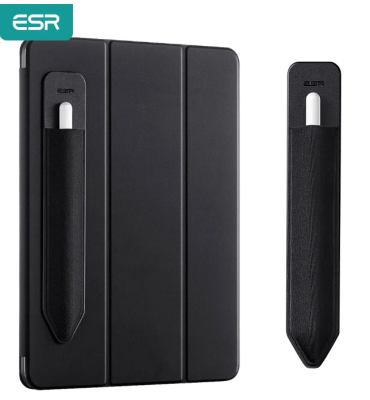


Large Capacity Pencil Case Cute Pencil Bag Customized Canvas Pencil Case
$0.25 - $0.33
MOQ: 500 Pieces


3 Layer Customized Logo Printing Large Capacity Pencil Case for School Stationery
$1.40 - $1.60
MOQ: 5000 Pieces
Comprehensive Sourcing Guide
Double Layer Square Pencil Case Sourcing Guide
Procuring a Double Layer Square Pencil Case requires distinguishing between rigid plastic constructions and flexible fabric variants, as the supplied data indicates both material types exist in the market. Buyers must verify whether the specific unit features a single or double layer configuration, as the listing signals show conflicting attributes where some products are explicitly described as single-layer while others are double-layer. This distinction fundamentally alters the internal storage capacity and structural rigidity, directly impacting suitability for heavy school supplies versus light office stationery.
The observed product range includes diverse shapes such as rectangular, square, and circular forms, necessitating a precise definition of the target geometry before engaging suppliers. While the core keyword specifies a square profile, the available data reveals that some listings offer European style or fashion-oriented designs that may deviate from strict geometric definitions. Sourcing teams should prioritize suppliers who can confirm the exact dimensional constraints, such as the 19.57.57.5cm or 24711.5cm standards observed, to ensure the final product aligns with the intended packaging and retail display requirements.
Product Scope and Observed Listing Signals
The market for these items demonstrates significant variation in customization capabilities, with many suppliers offering acceptable logo printing and customized packing options. Buyers should note that while some listings specify a standard model number like UC075 or xx16, others operate under a "customized" model designation, indicating a high degree of flexibility in design and branding. This variability suggests that procurement strategies must account for both off-the-shelf inventory and bespoke manufacturing runs, each carrying different implications for lead times and minimum order quantities.
Application contexts for these pencil cases extend beyond general school and office use to include promotional gifts and hotel amenities, as evidenced by specific attribute tags. The presence of "Hotel" as an application and "Promotion Gift" as a usage category implies that the product design often incorporates aesthetic elements like "Fashion" or "European Style" to appeal to corporate branding needs. Procurement teams must therefore evaluate the visual finish and branding potential alongside functional storage capacity to ensure the selected item meets the specific marketing or utility goals of the purchase.
Technical Specifications to Verify
Dimensional accuracy is a critical technical parameter, as the observed data lists specific standard sizes ranging from 20104.5cm to 24711.5cm, which must be strictly adhered to for compatibility with existing storage solutions. Buyers should request detailed technical drawings or physical samples to confirm that the square or rectangular footprint matches the specified measurements, particularly when the product is intended for automated packaging lines or specific retail shelving units. The absence of a password lock in the observed data suggests that security is not a primary design feature, allowing focus to remain on physical dimensions and internal compartmentalization.
Material composition varies significantly between plastic and fabric options, with some listings explicitly citing "Sewing" as the production technique, which implies a textile-based construction. When sourcing fabric variants, verification of the stitching quality and the durability of the zipper or closure mechanism is essential, as these are common points of failure in double-layer designs. Conversely, plastic models require assessment of the molding quality to ensure the layers are securely bonded without sharp edges, ensuring the product remains safe for use by students and office workers alike.
Compliance and Safety Documentation
While the supplied facts do not explicitly list specific safety certifications, the requirement for "High Standard Request" quality implies that suppliers should be prepared to provide documentation regarding material safety and manufacturing consistency. Buyers must verify that the plastic or fabric materials used comply with relevant regional regulations for children's products, particularly since the primary usage category includes schools and students. It is prudent to request test reports confirming the absence of harmful substances, even if the specific standard is not listed in the initial product description, to mitigate liability risks associated with student use.
The origin of the products, identified as China with specific mentions of Guangdong and Ningbo, suggests a supply chain that may be subject to varying levels of regulatory oversight depending on the specific factory. Procurement teams should ensure that the supplier can provide proof of origin and any necessary export compliance documents, such as those required for shipping goods to international markets. Although the data mentions "Customized" standards, this does not exempt the product from general safety requirements, and buyers should explicitly confirm that the customized design does not compromise the structural integrity or safety of the final item.
Cost Drivers and Commercial Terms
The observed price range of 0.21 to 14.9 USD indicates a wide disparity in value, driven largely by material choice, customization complexity, and order volume. Lower-priced items likely correspond to basic plastic or simple fabric models with minimal branding, while the higher end of the spectrum reflects premium materials, complex double-layer constructions, and extensive custom printing services. Buyers must analyze the cost structure to understand whether the price difference is justified by superior durability or if it simply reflects branding premiums that may not add functional value to the end user.
Minimum Order Quantities (MOQ) observed in the market range from 100 to 5000 pieces, with specific listings citing 500 PCS as a standard threshold. This variation requires careful financial planning, as smaller orders may incur higher per-unit costs or require a premium for sample production, while larger orders benefit from economies of scale but tie up more capital. The sample time of 5-7 days is a critical factor in the commercial timeline, influencing the speed at which a buyer can validate the product quality before committing to a full production run, and should be factored into the overall project schedule.
Supplier Qualification and Quality Control
Supplier qualification should focus on their ability to manage private molds and customized production, as the data indicates that many listings offer "Private mold: Yes" and "Customized Packing" options. This capability suggests a higher level of manufacturing sophistication, but it also introduces complexity in quality control that requires rigorous oversight. Buyers should verify the supplier's track record in handling custom orders, ensuring they have the infrastructure to maintain consistency across different production batches and to manage the specific technical requirements of double-layer constructions.
Quality control protocols must be established to address the specific attributes of the product, such as the "Sewing" technique for fabric models or the molding precision for plastic variants. Since the data mentions "High Standard Request" quality, buyers should implement a clear inspection plan that includes checks for layer separation, zipper functionality, and logo alignment. The presence of "Accept Customized Logo" and "Printing: Customized Designs" further necessitates a visual inspection step to ensure that branding elements are applied correctly and do not detract from the overall aesthetic or functional integrity of the pencil case.
Long-Term Procurement Checks
Sustaining a successful procurement relationship requires ongoing monitoring of the supplier's ability to maintain the "Customized" standard over time, especially when dealing with complex double-layer designs. Buyers should establish regular quality audits to ensure that the materials and construction methods remain consistent with the initial samples, preventing drift in product quality that could occur as production volumes increase. The flexibility to adjust models, such as switching between UC075 and xx16, should be balanced with a commitment to maintaining the core specifications that define the product's value proposition.
Long-term viability also depends on the supplier's responsiveness to changes in market demands, such as shifts in style preferences from "Fashion" to "European Style" or changes in application needs from school to hotel use. Procurement teams should maintain open communication channels to anticipate these shifts and ensure the supply chain can adapt without significant delays or cost penalties. Regular review of the supplier's lead times and sample turnaround capabilities will help mitigate risks associated with supply chain disruptions and ensure a steady flow of high-quality pencil cases for ongoing business needs.
FAQs
What materials are used for double layer square pencil cases?
These cases are typically made from plastic or fabric. Plastic options offer durability and water resistance, while fabric versions provide a softer texture. Some models feature sewing techniques for enhanced structural integrity. Buyers can choose based on their preference for lightweight portability or rugged protection for school and office supplies.
Can I customize the logo on these pencil cases?
Yes, customization is available for most double layer square pencil cases. Suppliers accept customized logos and designs to meet specific branding needs. This service allows businesses to create promotional gifts or branded school supplies. Buyers should confirm the customization process and any associated costs with the manufacturer before placing a bulk order.
What is the typical MOQ for these pencil cases?
The minimum order quantity usually ranges from 100 to 5000 pieces. Specific models may have an MOQ of 500 PCS or higher depending on the supplier. Buyers should check the specific product page for exact requirements. Lower MOQs might be available for sample orders or standard stock items, while custom designs often require higher volumes.
Are these pencil cases suitable for promotional gifts?
Yes, they are widely used as promotion gifts for schools and offices. Their practical storage function and customizable appearance make them ideal for branding. Many suppliers offer customized packing and printing options. This makes them a cost-effective marketing tool for corporate events, educational institutions, or office supply promotions.
What are the common dimensions for these cases?
Common dimensions include 19.5*7.5*7.5cm, 24*7*11.5 cm, and 20*10*4.5cm. These sizes accommodate various stationery items while maintaining a compact square or rectangular shape. Buyers should verify the exact specifications for each model, as dimensions can vary based on the material and internal layer design. OEM options are also available for custom sizing.