Source Double Layer Satin Bonnet for Sleep, Hair Care, and Travel
Explore 30 Double Layer Satin Bonnet options from Chinese manufacturers. Compare features like double-layer construction, adjustable fits, and various color choices to find the right supplier for your needs; compare the available evidence and request quotations based on your requirements.
Key considerations
Products List


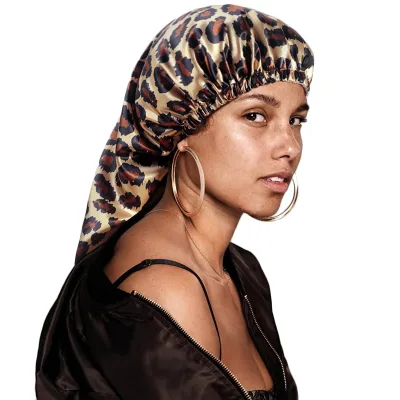
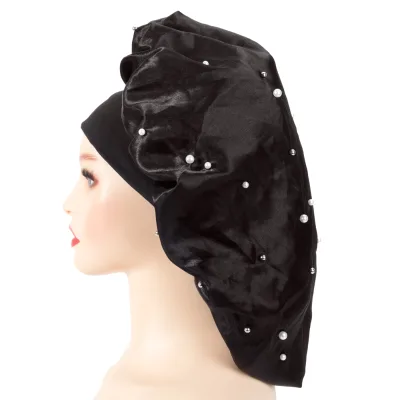
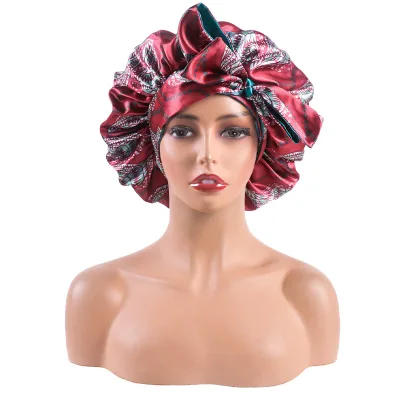
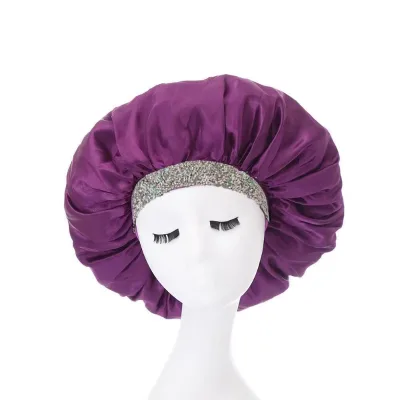
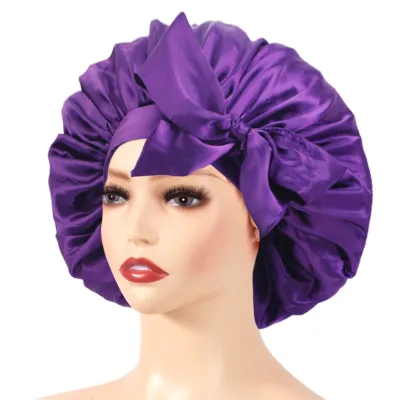


Hot Sell Single Layer Printing Women Designer Bonnets Stock Satin Bonnet
$1.00 - $1.38
MOQ: 250 Pieces
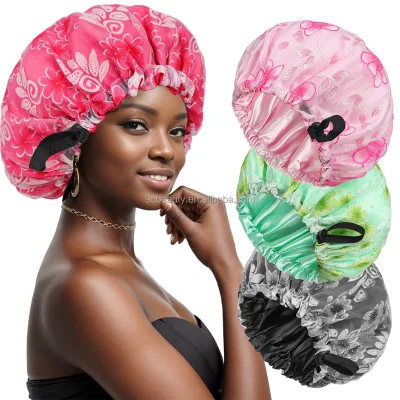
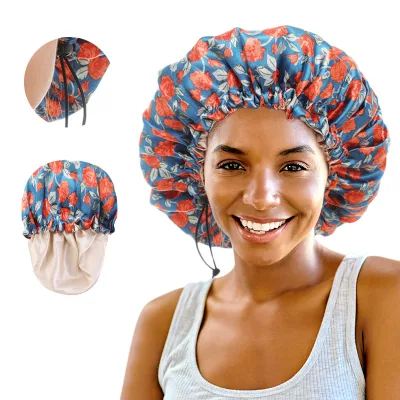
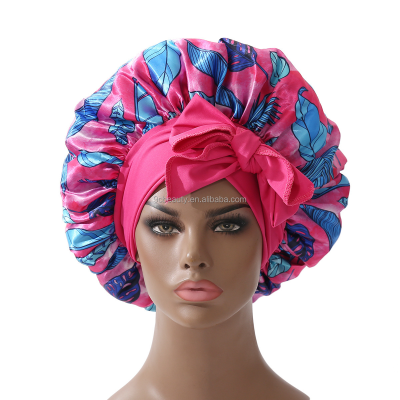
Comprehensive Sourcing Guide
Double Layer Satin Bonnet Sourcing Guide
Procurement teams must first distinguish between the specific double-layer construction and general satin bonnet offerings found in the market. The supplied data confirms that double-layer designs are available with specific model identifiers like WT-053 and WT-054, which carry distinct weight standards of 50 and 60 grams respectively. Buyers should verify that the supplier explicitly lists "Double Layer" as a primary feature rather than assuming standard single-layer construction, as this structural difference directly impacts durability and hair protection efficacy.
When evaluating product listings, attention must be paid to the specific material composition and weight specifications provided for each model. While some entries list "Silk Satin" as the fabric, others specify "Satin" with precise gram weights, indicating that not all satin bonnets share identical density or feel. Sourcing professionals should request physical samples to confirm the double-layer integrity and ensure the fabric weight matches the claimed standard, as variations in gram weight can significantly alter the product's performance and perceived quality.
Product Scope and Observed Listing Signals
The market for double layer satin bonnets presents a diverse range of customization options, including OEM and ODM services for style and logo application. Listings indicate that manufacturers in Henan and Hangzhou offer multiple color palettes, with some models supporting up to ten colors while others provide nine or six options. Buyers should carefully review the specific color availability for each model number, as the "10 Colors Available" claim for one model does not necessarily apply to the "6 Colors Available" variant, requiring precise specification matching during the ordering process.
Customization extends beyond color to include pattern technology and edge finishing, with options ranging from plain dyed to silk screen printing and machine hemming. The product scope also encompasses various functional attributes, such as invisible adjustable features or specific usage scenarios like sports, weddings, and daily sleep. Procurement teams must align their requirements with the specific model capabilities, noting that some designs are optimized for bedding usage while others are marketed for broader occasions, ensuring the selected product fits the intended end-user application.
Technical Specifications to Verify
Verification of technical specifications requires a close examination of the model numbers and their associated physical standards. The data highlights specific models like WT-053, WT-054, and WT-057, each defined by distinct weight standards of 50, 60, and 65 grams respectively. Buyers must confirm that the supplier provides the exact weight specification for the ordered model, as this metric is a critical indicator of fabric density and the effectiveness of the double-layer construction in preventing hair breakage and moisture loss.
Packaging and sizing standards are equally critical components of the technical verification process. While some models come in standard export cartons with individual PP or PVC bagging, others specify a single PP bag per unit or standard sizes ranging from 56 to 58 centimeters. Procurement teams should validate the packaging method to ensure it meets export requirements and prevents damage during transit, while also confirming that the size specifications align with the target demographic, particularly when custom sizing is requested versus standard offerings.
Compliance and Safety Documentation
Although the supplied facts do not explicitly list specific safety certifications, buyers must proactively request documentation regarding material safety and manufacturing compliance. The presence of GOTS certification is mentioned in background notes, but this should not be assumed as a standard attribute for all listed products without direct verification from the supplier. Sourcing professionals should demand test reports confirming that the satin or silk materials are free from harmful dyes and chemicals, ensuring the bonnets are safe for prolonged skin contact during sleep.
Documentation regarding the origin and production standards is essential for maintaining supply chain transparency. The data indicates origins in Henan and Hangzhou, China, but buyers should verify the specific factory compliance status and adherence to international safety standards for textile products. It is crucial to establish that the supplier maintains a documented quality management system that covers the entire production process, from fabric sourcing to final packaging, to mitigate risks associated with non-compliant materials or unsafe manufacturing practices.
Cost Drivers and Commercial Terms
Cost structures for double layer satin bonnets are influenced by material weight, customization complexity, and order volume. The observed price range spans from 0.69 to 15 USD, reflecting significant variation based on the specific model, fabric quality, and order quantity. Buyers should analyze the cost per unit against the specified gram weight and feature set, understanding that higher weight standards and complex customization like digital printing or embroidery will likely command a premium price point within this observed range.
Commercial terms and payment conditions vary significantly among suppliers, with some offering flexible MOQs as low as one piece while others require 100 pieces per design. Payment methods typically include T/T, PayPal, and Western Union, and lead times generally range from 15 to 20 days for delivery after sample approval. Procurement teams must negotiate clear terms regarding sample times, which are noted as 5-7 days, and ensure that shipping methods like DHL, UPS, or FedEx are agreed upon to manage logistics costs and delivery expectations effectively.
Supplier Qualification and Quality Control
Supplier qualification should focus on their ability to deliver consistent double-layer construction and accurate customization. The data shows that suppliers accept OEM and ODM requests, but buyers must verify their capacity to maintain quality across different color runs and pattern technologies. It is advisable to audit the supplier's production facilities to ensure they possess the necessary machinery for silk screen printing and machine hemming, which are critical for achieving the advertised finish and durability of the bonnets.
Quality control protocols must be established to verify that the final product matches the technical specifications provided. Buyers should implement a rigorous inspection process that checks for consistent double-layer bonding, accurate weight distribution, and correct color matching against the approved samples. Given the variation in color availability and model specifications, a pre-shipment inspection is essential to confirm that the delivered goods meet the agreed-upon standards for fabric, size, and packaging before final acceptance.
Long-Term Procurement Checks
Establishing a long-term partnership requires continuous monitoring of supplier performance against the agreed-upon technical and commercial benchmarks. Buyers should track the consistency of weight standards and color availability over multiple production cycles to ensure that the supplier can maintain quality at scale. Regular reviews of the supplier's ability to meet lead times and handle custom orders will help identify any potential bottlenecks or quality drifts that could impact the supply chain stability.
Future procurement strategies should include periodic re-evaluation of the product specifications and market trends to ensure continued relevance. As the market evolves, buyers should assess whether the current double-layer designs and material options continue to meet customer expectations for hair care and comfort. Maintaining open communication with suppliers regarding new technologies or material innovations will allow procurement teams to adapt their sourcing strategies and maintain a competitive edge in the Double Layer Satin Bonnet market.
FAQs
What materials are used for double layer satin bonnets?
The bonnets are crafted from satin and silk satin fabrics. These materials provide a smooth surface that helps retain hair moisture and reduces friction during sleep. The double-layer design adds durability and comfort, making them suitable for various hair types and nightly use.
Can I customize the logo and style of the bonnet?
Yes, OEM and ODM services are available for customizing style and logo. Buyers can request specific designs to match their brand identity. This customization option allows businesses to create unique products that stand out in the market while maintaining the quality of the satin material.
What is the minimum order quantity for these bonnets?
The minimum order quantity varies by design, typically starting at 100 pieces per design or 50 pieces per color. These thresholds allow for flexible ordering for both small and large batches. Buyers should confirm specific MOQ requirements with suppliers to ensure alignment with their inventory needs.
How many colors are available for the satin bonnets?
Multiple color options are available, with some models offering up to ten different colors. Other styles may provide six or nine color choices. Custom dying is also available for specific color requirements, allowing buyers to select shades that best fit their target audience preferences.
What is the standard weight and specification of the bonnets?
Specifications vary by model, with weights ranging from 30 grams to 65 grams. Standard sizes typically fit head circumferences of 56-58cm. These variations allow buyers to choose products based on desired thickness and fit, ensuring the bonnet meets specific quality and comfort standards for end users.
What packaging is used for shipping the satin bonnets?
Bonnets are packed in individual PP or PVC bags, often with one piece per bag. Standard export cartons are used for bulk shipping to ensure protection during transit. This packaging method helps maintain product hygiene and prevents damage, ensuring items arrive in good condition for resale.