Source Double Layer Stacking Pendant Necklace for Fashion, Religious, and Health Uses
Compare 30 Double Layer Stacking Pendant Necklace options from verified suppliers in China. Buyers can evaluate materials like 925 sterling silver and alloy, plating types, and customization features for fashion, religious, and health decoration needs.
Key considerations
Products List


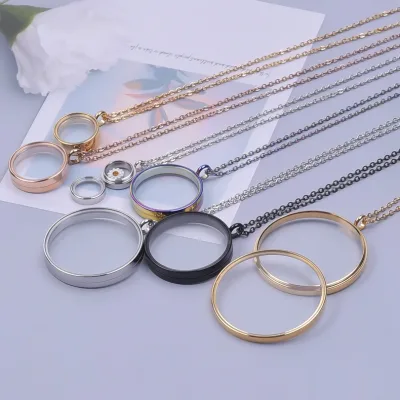

Hot Selling Double Layer Necklace Pearl Portrait Decoration Cross Jewelry
$1.14 - $1.25
MOQ: 50 Pieces




Comprehensive Sourcing Guide
Strategic Sourcing Guide for Double Layer Stacking Pendant Necklaces
The global B2B market for fashion jewelry continues to evolve with a strong demand for versatile, multi-layered designs that cater to contemporary styling trends. The core keyword "Double Layer Stacking Pendant Necklace" represents a specific segment where functionality meets aesthetic appeal, allowing buyers to source products that offer visual depth and adaptability. Sourcing these items requires a nuanced understanding of material composition, plating technologies, and the specific customization capabilities that define modern manufacturing. This guide provides a structured approach to evaluating suppliers and products within this category, ensuring that procurement decisions are grounded in verified product attributes and industry standards rather than speculative claims.
Technical Specifications and Material Composition
When evaluating double layer stacking pendant necklaces, the technical specifications provided by suppliers serve as the primary filter for quality and suitability. The market data indicates a diverse range of materials, with 925 Sterling Silver and Alloy being the most prominent options. For buyers targeting the premium segment, the presence of "925 Sterling Silver" is a critical identifier, often associated with higher durability and hypoallergenic properties. Conversely, "Alloy" and "Stainless Steel" options offer cost-effective alternatives suitable for promotional items or fashion-forward, trend-driven collections.
The construction of the double-layer design often involves specific plating technologies to ensure longevity and visual consistency. Observed attributes include "Silver," "Rhodium," and "Gold" plating, with some products featuring a combination of "Gold, Silver" finishes. The treatment technology is frequently listed as "Electroplate," a standard process that enhances the base metal's resistance to tarnish and corrosion. Buyers must verify the thickness and quality of these plating layers, as the "1-2 Fade-Proof Warranty" mentioned in specific product listings suggests a manufacturer's confidence in their electroplating process. However, without third-party test data, this warranty should be treated as a supplier assurance rather than an independent certification.
The physical dimensions and structural elements are equally vital. Specifications such as "Length: 60cm" and "Length: 45cm" indicate the versatility of chain lengths available for stacking. The pendant shapes vary significantly, ranging from "Cross" and "Round" to "Geometric Form," allowing for diverse styling options. The "Customized" size attribute suggests that manufacturers can adapt the chain length and pendant dimensions to specific client requirements, a crucial feature for brands seeking unique inventory.
Compliance, Certification, and Safety Standards
In the B2B jewelry sector, compliance is not merely a regulatory formality but a fundamental component of brand integrity. The supplied product facts highlight "Nickel & Lead Free" as a specific standard for certain items, particularly those made from Stainless Steel. This attribute is essential for markets with strict regulations regarding heavy metals, such as the European Union and North America, where nickel allergies are a common consumer concern. Buyers must ensure that any supplier claiming "Nickel & Lead Free" status can provide supporting documentation, as this claim directly impacts the product's marketability in regulated regions.
While specific certification bodies are not explicitly named in the product data, the mention of "Standard: customized" and "Standard: as pic" indicates that manufacturers are willing to align their production with client-specific compliance requirements. For products intended for religious or health-related usage, such as those with "Usage: Religious, Health," the material safety becomes even more critical. The "1-2 Fade-Proof Warranty" also serves as a proxy for quality assurance, implying that the supplier has tested the product's resistance to environmental factors. However, buyers should verify if this warranty covers specific conditions like water exposure or skin contact, as these claims vary by manufacturer.
Cost Drivers and Pricing Dynamics
The pricing landscape for double layer stacking pendant necklaces is influenced by a complex interplay of material costs, plating quality, and order volume. The observed price range of $0.15 to $318.24 USD reflects the vast disparity between mass-produced alloy items and high-end sterling silver pieces. The lower end of this spectrum typically corresponds to "Promotional Alloy Necklace" products with basic electroplating, while the upper end is reserved for "925 Sterling Silver" items with intricate designs and premium finishes.
Minimum Order Quantity (MOQ) is another significant cost driver. The data shows an MOQ range from 1 to 1000 units, with specific listings citing "MOQ: 500PCS" for alloy items and "MOQ: 100PCS/Jewelry Necklace" for other variants. Buyers must balance their budget constraints with the need for volume discounts. Higher MOQs often result in lower per-unit costs, but they also increase inventory risk. The "Customization: Available" attribute suggests that bespoke designs may incur additional setup costs, which can impact the final price point. Additionally, the "Weight: 15g" specification for certain items indicates that heavier pieces, which use more raw material, will naturally command higher prices.
Typical Applications and Market Segmentation
Double layer stacking pendant necklaces serve a wide array of applications, driven by their versatility in styling. The primary usage is listed as "Decoration," making them suitable for everyday fashion and accessory collections. However, the data also identifies specific niches such as "Religious" and "Health" usage. For religious applications, the "Pendant Shape: Cross" is a dominant feature, catering to faith-based markets. In the health sector, the "Stainless Steel" material is often preferred for its hypoallergenic properties and durability.
The target demographic also varies. Attributes such as "Suitable for: Female" and "Suitable for: Elderly" indicate that these products are designed to appeal to different age groups and gender preferences. The "Popular Element: Tassels, Chains" and "Popular Element Classification: Shape/Pattern" suggest that the design trends lean towards intricate details and layered aesthetics. The "Style: Fashion" and "Design: Fashionable" attributes confirm that these necklaces are primarily driven by current fashion trends rather than timeless classics. Buyers should align their product selection with the specific demographic they aim to serve, ensuring that the design elements resonate with the intended audience.
Supplier Evaluation and Customization Capabilities
Evaluating a supplier for double layer stacking pendant necklaces requires a deep dive into their customization capabilities and production flexibility. The "OEM: Yes" and "OEM Order: Accept" attributes are strong indicators of a supplier's willingness to work with brand-specific requirements. Furthermore, the "OEM&ODM: Welcomed" statement suggests that suppliers are equipped to handle both Original Equipment Manufacturing and Original Design Manufacturing, offering buyers the option to either replicate existing designs or create entirely new ones.
The "Customized" logo and "Customized" size attributes highlight the importance of branding and fit. Buyers looking to establish a unique brand identity should prioritize suppliers who can seamlessly integrate custom logos and adjust dimensions to meet specific design briefs. The "prod_packing: 1 Piece/Paper Card/Polybag" and "prod_packing: OPP" options indicate varying levels of packaging sophistication. Premium buyers may require custom packaging solutions, while promotional buyers might opt for standard OPP bags to minimize costs.
Quality Control and Long-Term Procurement Considerations
Maintaining consistent quality is paramount in the jewelry industry, where even minor defects can lead to significant returns and brand damage. The "Standard: Nickel & Lead Free" and "1-2 Fade-Proof Warranty" are key indicators of a supplier's commitment to quality. However, buyers should implement their own quality control protocols, including random sampling and third-party testing, to verify these claims. The "Treatment Technology: Electroplate" process should be monitored to ensure uniform plating thickness and adhesion, which are critical for preventing color fading.
Long-term procurement considerations involve building a sustainable relationship with suppliers who can scale production as demand grows. The "Location: China" and "Location: Yiwu Zhejiang" origins suggest that many suppliers are based in major manufacturing hubs known for their efficiency and supply chain integration. Buyers should assess the supplier's ability to maintain lead times and manage inventory, especially given the "MOQ: 1000" upper limit observed in some listings. Establishing clear communication channels and defining quality standards in the initial contract will help mitigate risks associated with long-term partnerships.
Comparative Analysis of Product Attributes
To facilitate informed decision-making, the following table summarizes key product attributes observed in the market, highlighting the distinctions between different material and design options.
| Attribute Category | Option A: Premium Segment | Option B: Promotional/Alloy Segment | Option C: Functional/Health Segment |
|---|---|---|---|
| Primary Material | 925 Sterling Silver | Alloy / Promotional Alloy | Stainless Steel |
| Plating Type | Silver, Rhodium, Gold | Gold, Silver | None (Base Metal) |
| Pendant Shape | Cross, Round, Geometric | Geometric Form, Tassels | Round, Cross |
| MOQ Range | 100 - 1000 PCS | 500 PCS | 100 PCS |
| Key Standard | Nickel & Lead Free | As Pic | Nickel & Lead Free |
| Usage Focus | Fashion, Decoration | Promotion, Decoration | Health, Religious |
| Warranty | 1-2 Fade-Proof | Standard | 1-2 Fade-Proof |
This comparison underscores the importance of aligning product selection with specific business goals. Premium segments require a focus on material purity and plating durability, while promotional segments prioritize cost-efficiency and design flexibility. Functional segments demand strict adherence to safety standards and hypoallergenic properties.
Conclusion
Sourcing double layer stacking pendant necklaces requires a strategic approach that balances aesthetic appeal, material quality, and regulatory compliance. By leveraging the detailed product attributes available in the market, buyers can make informed decisions that align with their brand identity and customer expectations. The diversity in materials, from 925 Sterling Silver to Stainless Steel, offers opportunities for market segmentation, while the availability of customization and OEM services ensures that brands can differentiate their offerings. Ultimately, success in this category depends on rigorous supplier evaluation, clear quality control measures, and a deep understanding of the specific needs of the target demographic.
FAQs
What materials are available for double layer stacking pendant necklaces?
Available materials include 925 Sterling Silver, Alloy, and Stainless Steel. Buyers can select 925 Sterling Silver for premium durability or Alloy for cost-effective promotional items, while Stainless Steel offers hypoallergenic properties suitable for health-focused usage.
Can suppliers customize the size and logo for these necklaces?
Yes, customization is available for both size and logo. Manufacturers offer customized dimensions and logo printing to meet specific brand requirements, allowing buyers to create unique inventory with tailored chain lengths and pendant shapes like Cross or Round.
Which plating options are commonly used for these necklaces?
Common plating options include Silver, Rhodium, and Gold finishes. Some products feature combined Gold and Silver plating applied via Electroplate treatment technology, with specific listings offering a 1-2 Fade-Proof Warranty to ensure color longevity.
What are the typical MOQ requirements for ordering these necklaces?
Minimum Order Quantities range from 100 to 500 pieces depending on the product type. Specific listings show an MOQ of 100PCS for jewelry necklaces and 500PCS for promotional alloy necklaces, allowing flexibility for different order volumes.
Are there safety standards like Nickel and Lead Free options?
Yes, certain Stainless Steel items meet Nickel and Lead Free standards. This compliance is critical for markets with strict regulations, ensuring the jewelry is safe for skin contact and suitable for religious or health-related usage niches.
How does the price vary based on material and customization?
Prices range from $0.15 to $318.24 USD based on material and design complexity. Lower prices correspond to mass-produced alloy items, while higher prices reflect 925 Sterling Silver pieces with intricate designs and premium plating finishes.