Source Double Layer Waterproof Pup Tent for Camping, Beach, Relief
Compare 30 Double Layer Waterproof Pup Tent options from verified suppliers. These tents feature polyester materials, flexible poles, and waterproof designs suitable for summer camping, beach use, and relief operations; compare the available evidence and request quotations based on your requirements.
Key considerations
Products List

Hot Sell Automatic Pop up Double Layers Camping Outdoor Waterproof Tents
$17.00 - $19.00
MOQ: 50 Pieces

Camping 3-4 People Double-Layer Camping Tent Rain Proof Sunscreen Couple Tent
$40.00 - $49.00
MOQ: 500 Pieces


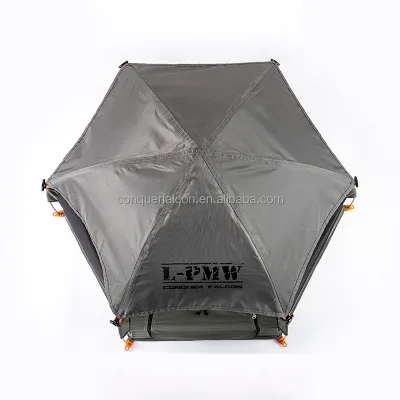


Hot Sale Outdoor Elevated Dog Bed Waterproof Canopy Portable Removable Tent
$11.94 - $12.14
MOQ: 100 Pieces


2/3/4 Person Travel Tent Family Waterproof Windproof for Camping Outdoor Tent
$20.00 - $25.00
MOQ: 300 Pieces


Comprehensive Sourcing Guide
Double Layer Waterproof Pup Tent Sourcing Guide
Procuring a Double Layer Waterproof Pup Tent requires a strategic approach that balances structural integrity with environmental adaptability. Buyers must first distinguish between traditional camping applications and specialized uses such as relief operations or advertising displays. The observed market data indicates a strong presence of polyester-based structures with double-skin configurations, which are critical for managing condensation and enhancing thermal retention. Understanding the specific usage context—whether for party events, beach outings, or emergency relief—directly influences the selection of pole materials and fabric weights. This initial segmentation ensures that the sourced equipment meets the functional demands of the intended environment without over-specifying unnecessary features.
Furthermore, the customization landscape for these tents is highly flexible, allowing buyers to tailor dimensions, colors, and branding elements to their specific needs. The availability of customized options means that standard models can be adapted for unique logistical requirements, such as specific packing sizes or portability constraints. Buyers should evaluate the trade-offs between standard inventory and bespoke orders, considering how customization impacts lead times and unit costs. By aligning the tent’s structural style, such as the pup tent design, with the intended seasonal use, procurement teams can optimize both performance and cost-efficiency. This alignment is particularly important for summer use, where ventilation and waterproofing must work in tandem to ensure user comfort.
Product Scope and Observed Listing Signals
The current market landscape for double layer waterproof pup tents reveals a diverse range of product models, including identifiers such as BQT426, BQT403, and XSOD-TT0103. These models vary significantly in their structural attributes, with some featuring flexible fiberglass poles while others utilize aluminum alloy poles for enhanced durability. The observed listings indicate a price range that reflects these material differences, with higher-end options offering superior wind resistance and longevity. Buyers should carefully review the specific model specifications to ensure that the pole material aligns with the expected weather conditions of the deployment site. This variation in construction highlights the importance of verifying the exact material composition before placing bulk orders.
Additionally, the product scope includes variations in door configurations, with options ranging from single-door to double-door designs. These structural differences impact the internal volume and accessibility of the tent, which are critical factors for user experience. The observed capacity and color options, such as green or multicolor variants, provide further customization opportunities for branding or visibility purposes. Buyers must also consider the packing methods, which range from clothes bags to cartons, as this affects shipping efficiency and storage requirements. Understanding these scope nuances allows procurement teams to select the most appropriate model for their specific logistical and operational needs.
Technical Specifications to Verify
Verifying the technical specifications of a Double Layer Waterproof Pup Tent is essential to ensure it meets the required performance standards. Buyers should confirm the exact dimensions of the tent, as observed standards include sizes such as 205195135CM and 230150115cm. These dimensions directly impact the usable interior space and the tent’s stability in windy conditions. It is crucial to verify the waterproof rating of the polyester or Oxford fabric used, ensuring that it can withstand heavy rainfall without leaking. The double-skin structure should be inspected to confirm that the inner and outer layers are properly separated to prevent condensation buildup, which can compromise insulation and comfort.
Furthermore, the type of poles used in the tent’s frame must be carefully evaluated. Flexible fiberglass poles are common in budget-friendly models, while aluminum alloy poles offer greater strength and lighter weight for premium options. Buyers should verify the joint mechanisms and connector quality, as these are common points of failure in harsh weather conditions. The style of the tent, whether it is a pup tent or a house-style design, also affects its aerodynamic properties and ease of setup. Ensuring that all technical specifications are clearly documented in the purchase order helps prevent discrepancies between the ordered product and the delivered goods, reducing the risk of operational disruptions.
Compliance and Safety Documentation
Compliance and safety documentation are critical components of the procurement process for double layer waterproof pup tents, especially when used in relief or commercial settings. Buyers must ensure that the tents meet relevant safety standards for flammability and structural integrity, although specific certification requirements may vary by region. It is advisable to request test reports or compliance certificates from the supplier to verify that the materials used are free from harmful substances. This is particularly important for tents intended for use by vulnerable populations or in sensitive environments where health and safety are paramount.
Additionally, buyers should verify that the supplier adheres to international quality management standards, which can provide assurance of consistent product quality. Documentation regarding the origin of the materials, such as the polyester fabric and pole alloys, can also be useful for supply chain transparency. Buyers must ensure that the supplier provides clear instructions for assembly and maintenance, which are essential for ensuring the long-term durability of the tent. By prioritizing compliance and safety documentation, procurement teams can mitigate risks associated with product liability and ensure that the tents meet the highest standards of quality and safety.
Cost Drivers and Commercial Terms
The cost of double layer waterproof pup tents is influenced by several key factors, including material quality, customization level, and order volume. The observed minimum order quantities (MOQ) range from 1 to 1000 pieces, with higher volumes typically resulting in lower unit prices. Buyers should negotiate based on their expected annual consumption to secure the most favorable pricing structure. The choice of pole material, such as aluminum versus fiberglass, also significantly impacts the cost, with aluminum options commanding a premium due to their superior strength-to-weight ratio. Understanding these cost drivers allows buyers to make informed decisions that balance budget constraints with performance requirements.
Commercial terms, including payment methods and shipping arrangements, also play a crucial role in the overall cost of procurement. The observed payment terms often include TT (Telegraphic Transfer), which is a common method for international trade. Buyers should clarify the shipping time, which can vary based on the order size and production schedule, with some suppliers offering expedited options for urgent needs. The packing method, whether in cloth bags or cartons, can affect shipping costs and handling efficiency. By carefully reviewing and negotiating these commercial terms, buyers can optimize their total cost of ownership and ensure a smooth procurement process.
Supplier Qualification and Quality Control
Supplier qualification is a critical step in ensuring the reliability and consistency of Double Layer Waterproof Pup Tent supplies. Buyers should conduct thorough due diligence to verify the supplier’s manufacturing capabilities, quality control processes, and financial stability. This includes assessing the supplier’s experience in producing tents with double-skin structures and waterproof features. It is advisable to request samples for evaluation before placing bulk orders, allowing buyers to assess the quality of materials, stitching, and overall construction. This proactive approach helps identify potential issues early in the procurement process, reducing the risk of receiving substandard products.
Quality control measures should be clearly defined and agreed upon with the supplier to ensure that the final products meet the specified standards. Buyers should establish clear acceptance criteria for defects, such as fabric tears, pole breakage, or waterproofing failures. Regular inspections during production and before shipment can help catch issues early and prevent costly delays. Additionally, buyers should verify the supplier’s ability to handle customization requests, such as specific colors or branding, without compromising quality. By maintaining strict quality control standards, procurement teams can ensure that the tents perform reliably in the field and meet the expectations of end-users.
Long-Term Procurement Checks
Long-term procurement checks are essential for maintaining a sustainable and efficient supply chain for double layer waterproof pup tents. Buyers should regularly review supplier performance metrics, including on-time delivery rates, product quality consistency, and responsiveness to issues. This ongoing evaluation helps identify potential risks and opportunities for improvement in the supply chain. It is also important to stay updated on market trends and technological advancements in tent manufacturing, which may offer new opportunities for cost savings or performance enhancements. By maintaining a proactive approach to supplier management, buyers can ensure that their procurement strategy remains aligned with their organizational goals.
Furthermore, buyers should establish a feedback loop with end-users to gather insights on the performance and durability of the tents in real-world conditions. This feedback can inform future purchasing decisions and help refine specifications for subsequent orders. Regular audits of the supplier’s quality control processes can also help ensure that standards are consistently met over time. By continuously monitoring and evaluating the procurement process, buyers can build a resilient supply chain that supports their operational needs and delivers value over the long term. This strategic approach to procurement helps mitigate risks and ensures that the organization remains competitive in a dynamic market environment.
FAQs
How waterproof is a Double Layer Waterproof Pup Tent for camping use?
The double layer waterproof construction uses a polyester outer skin with a separate inner layer, so rain is kept off occupants by the outer canopy. Seams and ground contact areas are the usual weak points, so buyers should confirm seam taping and a fitted groundsheet before ordering. Always request water-resistance test details from the supplier in writing.
What sizes are available for the Double Layer Waterproof Pup Tent models?
Listed pup tent models include specifications such as 205x195x135CM, 200x150x110CM, 230x150x115cm, and 220x130x110cm, giving options for two-person and larger layouts. Dimensions describe the floor footprint and peak height, so check that tent length matches sleeping bag or mat size. Customized capacity is also available on some listings, so confirm exact sizing with each factory before sampling.
Which pole materials are used in these double layer waterproof pup tents?
Two pole configurations appear across the listings: flexible fibreglass poles and flexible aluminium alloy poles. Fibreglass keeps cost low and suits beach or party use, while aluminium alloys offer better strength-to-weight for camping and repeated setup. Ask each supplier which poles ship with your chosen model, since the frame choice affects packing weight and durability.
Can I order customized colors, sizes, or branding on the pup tents?
Yes, customization is available on the listed double layer waterproof pup tents, including customized capacity options. Typical customization covers fabric color, printed logos for advertising use, and specification changes agreed with the factory. Confirm artwork format, print method, and any sampling cost with each supplier, since customized orders usually follow the listed MOQ terms of around 50 pieces.
What is the minimum order quantity and packing for these tents?
Listed MOQ is 50 pieces with packing quantities of 10 pieces per carton, and models ship in a clothes bag or cloth bag with a carrying option. Some listings show MOQ from 1 piece, so small trial orders may be possible with certain suppliers. Always confirm MOQ, inner packing style, and carton markings in the quotation before placing a deposit.
How long does shipping take from these tent suppliers?
Listed shipping time is about 7 days, with dispatch through the seaport of Ningbo, China. That lead time typically applies after payment confirmation and excludes transit time to your destination port. For customized orders, add time for sampling and production, and confirm the exact production window and payment terms such as T/T with the supplier directly.
What uses suit a Double Layer Waterproof Pup Tent besides camping?
Listed usage covers traditional camping, beach outings, parties, relief shelter, and advertising events. The white Oxford fabric and house-style designs work well for promotional booths, while green two-door camping models suit outdoor trips. Match the pole material and fabric weight to the intended use, and confirm waterproofing details if tents will stand through extended rain.
Which season ratings apply to these double layer waterproof pup tents?
The listings show Summer and Spring & Autumn seasonal ratings, so these tents suit mild and warm conditions rather than snow or winter loads. The double skin polyester structure improves comfort in rain and sun, but ventilation and wind resistance vary by model. Confirm seasonal suitability and any wind test data with the supplier before ordering for exposed sites.