Source double-lined cotton women crop hoodie for casual wear, gym, and street style
Explore 30 listings for the double-lined cotton women crop hoodie to compare fabric weights, styles, and suppliers. Buyers can evaluate options ranging from 210g to 460g with features like hooded collars and various printing methods for diverse seasonal needs.
Key considerations
Products List
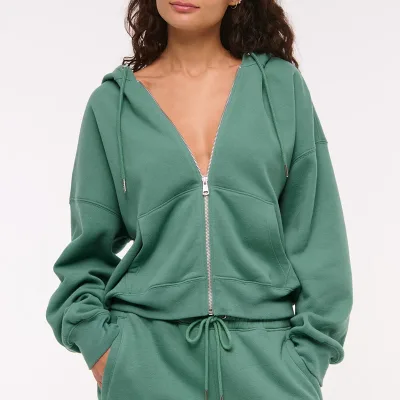
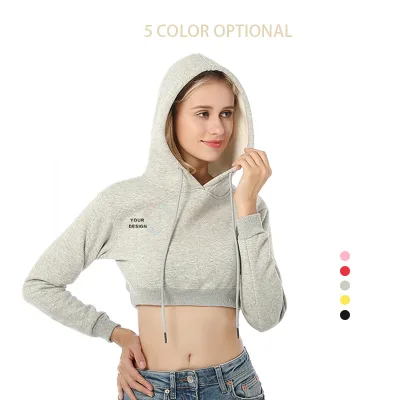
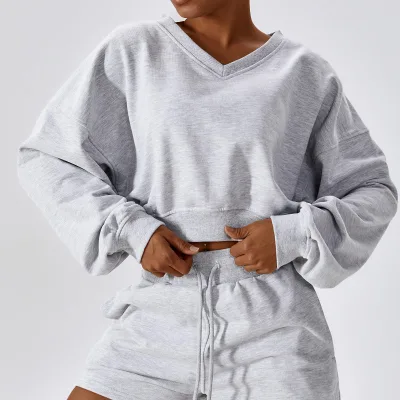


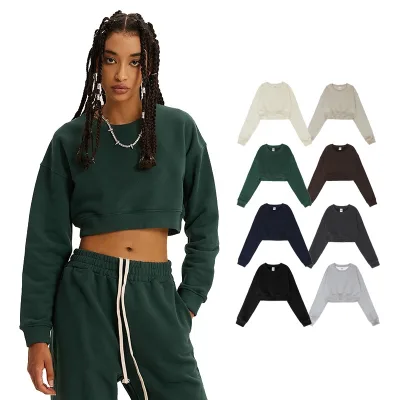
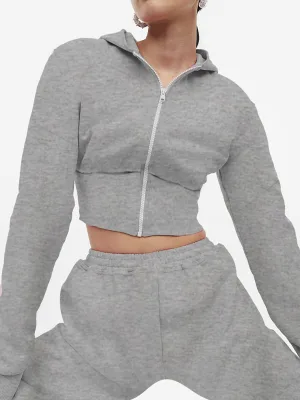
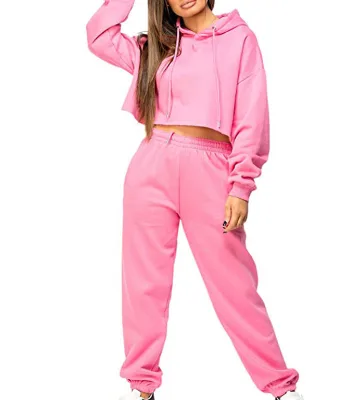
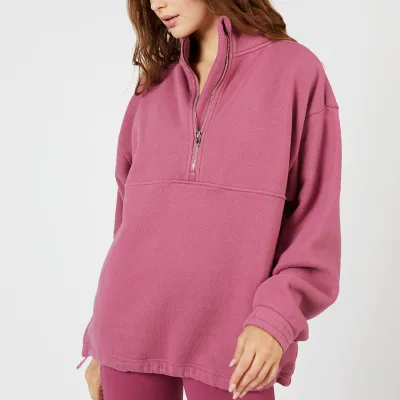


Comprehensive Sourcing Guide
Strategic Sourcing Guide for Double-Lined Cotton Women Crop Hoodies
Understanding Product Specifications and Material Composition
When sourcing a double-lined cotton women crop hoodie, the primary focus must be on the precise definition of materials and construction techniques. Based on the available market data, the core material composition is frequently cited as 100% cotton, which offers the breathability and softness expected in premium casual wear. However, buyers must exercise caution, as the observed product landscape includes variations where silk or blended fabrics are listed under similar search terms. For a specific "cotton" requirement, the fabric weight is a critical differentiator. The market data indicates a wide range of fabric weights, spanning from 210 grams to 460 grams. A double-lined construction typically necessitates a higher gram weight to ensure structural integrity and warmth without excessive bulk. Buyers should specifically target products within the 300-400 gram range, as weights below 250 grams may struggle to support a double-layer design effectively, while weights exceeding 450 grams might be too heavy for a crop style intended for transitional weather.
The construction method is equally vital. The observed data highlights "Knitted" as the primary weaving method, specifically utilizing Jersey fabric types which are standard for hoodies. The "double-lined" attribute implies a specific internal construction that may involve a fleece lining or a second layer of fabric. While the provided facts list "Lined" as a feature for certain items, they do not explicitly confirm a "double-lined" specification for every listing. Therefore, procurement teams must verify if the "lined" attribute refers to a single layer of fleece or a true double-layer construction. Additionally, the fit type is predominantly "Regular Fit," though "Oversized" and "Boxy" styles are also present in the market. For a crop hoodie, the length specification is often "Regular" but tailored to end above the waistline. The collar style observed includes "Hooded" and "Crew Neck" options; a double-lined crop hoodie typically features a hooded collar for the intended aesthetic. The sleeve style is generally "Regular" or "Full," and the gender specification is often "Women" or "Unisex," requiring buyers to confirm the specific sizing charts for women's cuts versus unisex models.
Technical Construction and Design Variations
The technical execution of a double-lined crop hoodie involves several specific design elements that influence both the final look and the manufacturing cost. The design features observed in the market include "Pocket" placements, which are standard for hoodies, and "Logo position" which is typically located on the front. The style of the garment is highly versatile, ranging from "Fashion," "Vintage," and "Sporty" to "Gothic," "Hip Hop," and "Y2K." This diversity means that a single supplier may offer the same base hoodie construction in vastly different aesthetic categories. The "Technics" applied to these garments are extensive, including "Embroidered," "Printed," "Beaded," "Washed," "Plain Dyed," "Yarn Dyed," "Tie Dyed," "Garment Dyed," "Color Blocked," "Puff Print," "Bleach Wash," "Flocking," "Rinsing," "3D embroidery," "Dip Dye," "Nail bead embroidery," "Automated cutting," "Batik print," and "Machine emb."
For a double-lined product, the choice of technique significantly impacts the final weight and drape. For instance, "Puff Printing" and "3D embroidery" add texture and volume, which must be accounted for when calculating the total garment weight. The "Printing Methods" available include "Discharge Printing," "Tie-dye," "Heat-Transfer Printing," "Digital Printing," "Silk Screen Printing," and "Ready-Made Apparel Direct Injection Heat-Transfer Printing." Buyers should note that some methods, such as "Ready-Made Apparel Direct Digital Printing," may require specific fabric treatments to ensure adhesion, which could affect the breathability of the cotton. The "Pattern Type" varies between "Print" and "Solid," with "Solid" being common for the double-lined variations observed. The "Feature" list includes "Anti-Wrinkle," "Quick Dry," "Anti-Pilling," "Waterproof," "Breathable," "Eco-Friendly," "Windproof," and "Anti-Shrink." It is important to treat these features as observations of specific listings rather than universal guarantees; a buyer must verify if the double-lined construction specifically retains the "Breathable" and "Anti-Shrink" properties, as adding layers can sometimes reduce airflow.
Compliance, Certification, and Safety Standards
In the realm of B2B apparel procurement, compliance and safety are non-negotiable, yet the data provided offers limited explicit certification details. The only certification mentioned in the background context is "GOTS" (Global Organic Textile Standard), but this is flagged as low-confidence background information and should not be assumed to apply to any specific product without verification. The "Needle detection" attribute is listed as "Yes" for several items, which is a critical quality control measure for ensuring that no metal fragments remain in the finished garment, a standard requirement for export to many markets.
Buyers must verify that the "Place of Origin" aligns with their compliance requirements. The data shows products originating from "Guangdong, China" and "Jiangxi, China." While both are major manufacturing hubs, specific factories within these regions may hold different compliance certifications. The "Supply Type" varies between "Oem Service" and "In-Stock Items." OEM services typically allow for more customization regarding compliance, such as adding specific eco-friendly dyes or organic cotton certifications, whereas in-stock items may have fixed compliance profiles. The "Feature" list includes "Eco-Friendly," but this is a broad claim. Procurement teams should request specific documentation, such as test reports for chemical restrictions (e.g., REACH, CPSIA) or organic certification (e.g., GOTS, OCS), rather than relying on the generic "Eco-Friendly" label found in product descriptions. The "Needle detection" being "Yes" is a strong indicator of a factory's commitment to safety, but it should be complemented by third-party lab testing for fabric composition and chemical safety.
Cost Drivers and Pricing Dynamics
The pricing of double-lined cotton women crop hoodies is influenced by a complex interplay of material costs, labor, and customization. The observed price range in the market is broad, spanning from $0.50 to $26.58 USD. This wide variance suggests that the lower end of the spectrum likely represents basic, single-layer, or lower-weight cotton garments, while the higher end reflects the double-lined construction, premium cotton weights (e.g., 400g+), and complex finishing techniques. The "Fabric Weight" is a primary cost driver; heavier cotton (e.g., 450 grams) naturally costs more than lighter variants (e.g., 210 grams). Furthermore, the "Technics" applied, such as "3D embroidery," "Nail bead embroidery," or "Puff Print," add significant labor and material costs, pushing the price toward the upper limit of the observed range.
The "MOQ" (Minimum Order Quantity) is another critical factor, with observed ranges from 1 to 1000 units. For a custom double-lined product, buyers should expect MOQs to be higher, likely in the 100-500 range, to justify the setup costs for specialized lining and construction. The "Small Orders: Accepted" attribute indicates that some suppliers are flexible, but this may come with a higher unit price. The "Single gross weight" of 0.500 kg and "Single package size" of 50X30X1 cm (or 36X26X2 cm for other items) directly impact shipping costs. Heavier double-lined hoodies will incur higher freight charges, which must be factored into the total landed cost. The "Lead time" for samples is noted as "7 days," which is relatively fast, but bulk production lead times are not explicitly defined in the data and should be confirmed with the supplier. Buyers should anticipate that complex styles like "Gothic" or "Y2K" with multiple printing methods may have longer lead times due to the intricate production processes involved.
Supplier Evaluation and Operational Capabilities
Evaluating suppliers for double-lined cotton crop hoodies requires a deep dive into their operational capabilities and supply chain transparency. The data indicates that "Supply Type" can be "Oem Service" or "In-Stock Items." For a specialized product like a double-lined hoodie, an OEM supplier is generally preferable as they can tailor the lining, fabric weight, and construction to specific requirements. The "Brand Name" varies, with some listings showing "Aogu," "brothergarments," or "NO," indicating a mix of branded and white-label options. Buyers should prioritize suppliers who demonstrate the ability to handle the "Technics" list comprehensively, including "Automated cutting" and "Machine emb," as these suggest a higher level of manufacturing precision.
The "Place of Origin" is consistently "China," specifically "Guangdong" and "Jiangxi." These regions have established textile ecosystems, but buyers should verify the specific factory's capacity for double-lined construction. The "Season" attribute varies between "Spring," "Winter," and "Autumn," suggesting that suppliers may produce these hoodies for different market needs. A supplier capable of producing for multiple seasons likely has a more versatile production line. The "Needle detection: Yes" is a positive indicator of quality control, but buyers should also inquire about the supplier's internal quality assurance processes. The "Design" features, such as "Pocket" and "Lined," should be confirmed against physical samples. The "Style" diversity, from "Casual" to "Formal," implies that the supplier has a broad design portfolio, but buyers must ensure the supplier can execute the specific "Crop" silhouette required. The "Small Orders: Accepted" attribute is useful for initial sampling, but for bulk orders, the supplier's ability to scale production without compromising quality is paramount.
Quality Control and Long-Term Procurement Strategy
Implementing a robust quality control (QC) strategy is essential for double-lined cotton women crop hoodies to ensure consistency and durability. The "Fabric Weight" variance observed (210g to 460g) highlights the need for strict weight verification during production. Buyers should establish a tolerance range for the fabric weight, typically +/- 5%, to ensure the double-lined construction meets the intended warmth and drape specifications. The "Needle detection" process should be verified through third-party testing or on-site audits to ensure no metal contaminants are present. The "Feature" list includes "Anti-Shrink" and "Anti-Pilling," which are critical for customer satisfaction. Buyers should request shrinkage test results, as cotton garments are prone to shrinking, especially when double-lined and subjected to washing.
Long-term procurement considerations involve building a relationship with suppliers who can maintain consistency in the "Technics" and "Printing Methods" used. The "Model Number" variations, such as "Sharon2025082503" and "wt-ct-3," suggest that suppliers may have specific SKUs for different styles. Buyers should work with suppliers to standardize these model numbers for easier inventory management. The "Single package size" and "Single gross weight" should be optimized to reduce shipping costs, especially for heavy double-lined items. The "7 days sample order lead time" is a good starting point, but buyers should negotiate realistic bulk lead times based on the complexity of the design. Finally, the "Feature" of "Eco-Friendly" should be backed by verifiable data, as this is increasingly important for modern consumers. By focusing on these technical and operational details, buyers can secure a reliable supply of high-quality double-lined cotton women crop hoodies that meet both functional and aesthetic requirements.
FAQs
What fabric weight is recommended for double-lined cotton crop hoodies?
A fabric weight between 300 and 400 grams is recommended to ensure structural integrity for double-lined construction. Weights below 250 grams may struggle to support the design, while those exceeding 450 grams could be too heavy for a crop style intended for transitional weather.
Can I find double-lined cotton hoodies with needle detection safety features?
Yes, several listings confirm needle detection as a standard safety feature for these garments. This quality control measure ensures no metal fragments remain in the finished product, which is a critical requirement for export to many international markets.
Which printing methods are available for customizing these cotton hoodies?
Available methods include Discharge Printing, Puff Printing, Heat-Transfer Printing, and Silk Screen Printing. Buyers should note that techniques like Puff Printing add texture and volume, which must be accounted for when calculating the total garment weight and final cost.
How does the supply type affect customization options for these items?
OEM Service allows for more customization regarding lining and fabric weight compared to In-Stock Items. While OEM services enable tailored eco-friendly dyes, in-stock items may have fixed compliance profiles and limited ability to alter specific construction details.
What is the typical lead time for sample orders of these hoodies?
Sample order lead time is typically supported within 7 days for these products. However, bulk production lead times vary based on complexity, and buyers should confirm specific timelines with the supplier before placing large orders for custom designs.
Can I source double-lined hoodies from manufacturers in Guangdong or Jiangxi?
Yes, products originate from both Guangdong and Jiangxi, China, which are major manufacturing hubs. Buyers should verify specific factory capacities for double-lined construction within these regions to ensure the supplier can meet the required technical specifications.