Source double-sided oil drop alloy pendant for Jewelry, Gifts, Decor
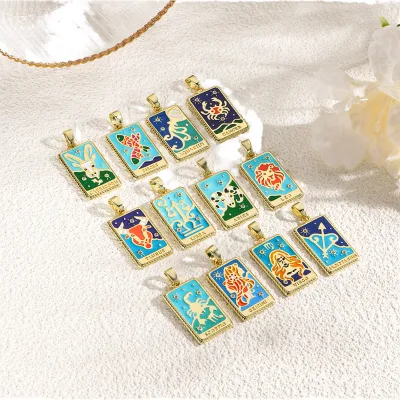
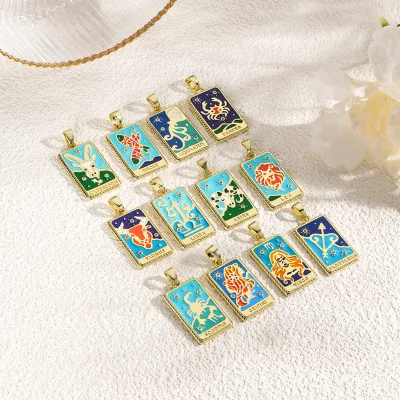
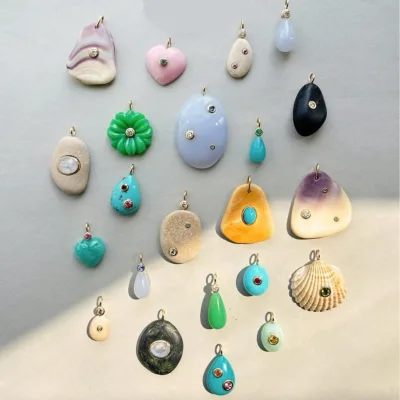
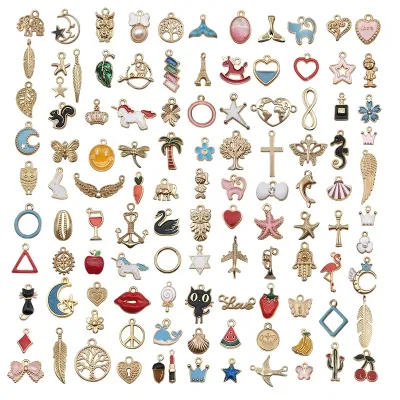
Compare 30 listings of double-sided oil drop alloy pendant with options in gold, silver, and rhodium plating. Buyers can select from various shapes including flower, round, cross, heart, and oval for jewelry design, handcraft DIY, and promotional gifts.
Key considerations
Products List









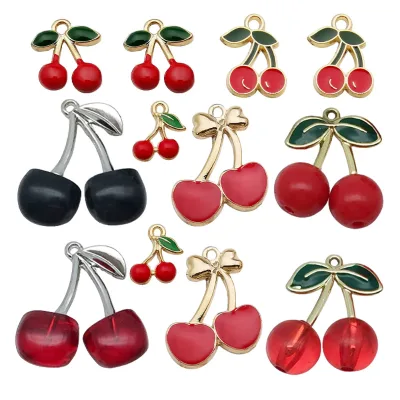
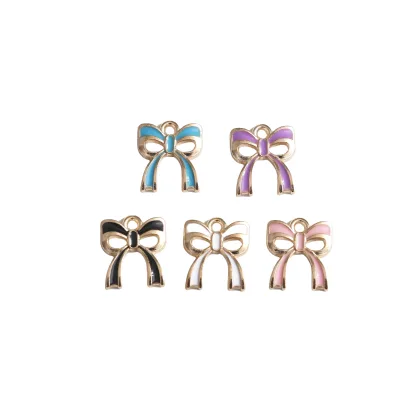
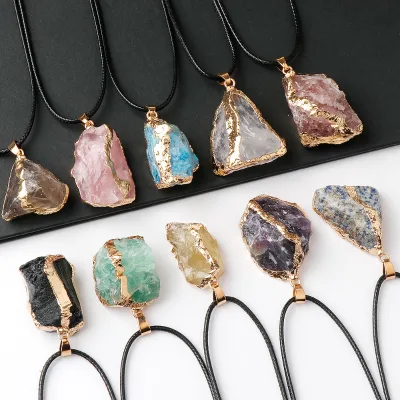

Comprehensive Sourcing Guide
Double-Sided Oil Drop Alloy Pendant Sourcing Guide
Sourcing double-sided oil drop alloy pendants requires a nuanced understanding of both aesthetic versatility and manufacturing precision. These components are frequently utilized in fashion jewelry, promotional gifts, and DIY craft projects, offering a balance between visual appeal and cost-efficiency. The "oil drop" design typically refers to a teardrop or droplet shape that often features a translucent or glossy finish, sometimes incorporating English lettering or specific color schemes to enhance its decorative value. Buyers must recognize that while the base material is often an alloy, the final appearance is heavily dependent on plating processes and surface treatments, which can vary significantly between suppliers.
The procurement landscape for these items is characterized by a wide range of customization options and flexible order quantities. Suppliers often cater to diverse client needs, from small-batch boutique orders to large-scale promotional campaigns. This flexibility is evident in the availability of various colors, including white, black, blue, pink, and red, as well as different plating finishes such as gold, silver, and rhodium. Understanding these variables is crucial for buyers who need to align product aesthetics with brand identity or target market preferences, ensuring that the final product meets both functional and stylistic requirements.
Product Scope and Observed Listing Signals
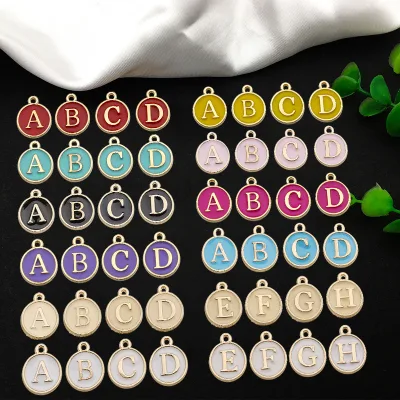
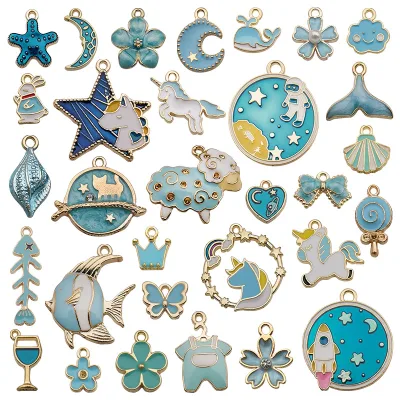
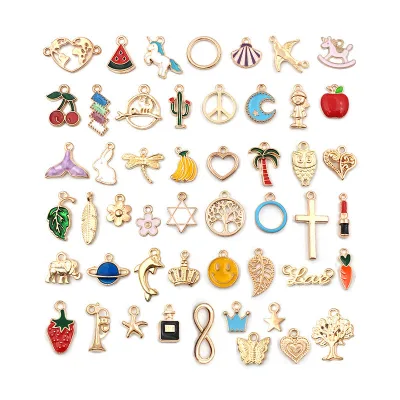
The product scope for double-sided oil drop alloy pendants encompasses a variety of designs, shapes, and applications. Observed listings indicate a strong presence of items with specific decorative elements, such as English letters and oil drop effects, available in multiple colorways. These pendants are often marketed for their suitability in both male and female jewelry lines, highlighting their universal appeal. The pendant shapes observed include flowers, crosses, hearts, ovals, and rounds, suggesting that the "oil drop" form factor is just one of many design possibilities within this category. Buyers should note that the term "alloy" generally refers to a base metal composition, which serves as the foundation for various plating and finishing techniques.
Listing signals also reveal significant variation in packaging and shipping methods, which can impact logistics and cost. Products are commonly packed in OPP bags, cartons, or paper cards with polybags, depending on the supplier's standard operating procedures. Shipping options typically include major carriers like UPS, DHL, FedEx, and TNT, as well as professional logistics lines, allowing buyers to choose based on urgency and budget. Additionally, the origin of these products is frequently listed as Guangzhou, China, a major hub for jewelry manufacturing, which implies access to a robust supply chain and competitive pricing structures. Buyers should verify these details for each specific supplier to ensure alignment with their logistical needs.
Technical Specifications to Verify
Technical verification begins with confirming the material composition and plating quality. While many listings specify "alloy" as the base material, it is essential to clarify the specific alloy type and its durability characteristics. Plating options such as gold, silver, and rhodium are common, but buyers must verify the thickness and adherence of these platings to prevent tarnishing or wear over time. For instance, rhodium plating is often used for its bright, white finish and corrosion resistance, while gold and silver platings offer different aesthetic and value propositions. The presence of "925 Sterling Silver" or "Stainless Steel" in some listings indicates a higher-end segment, so buyers must distinguish between standard alloy pendants and those made from precious or high-grade metals.
Dimensions and structural integrity are also critical technical specifications. Observed lengths for related necklaces and pendants range from 40cm to 60cm, but the pendant itself may have specific size requirements that need to be confirmed. The pendant shape, whether it is a flower, cross, heart, or oval, must be verified against design samples to ensure accuracy. Additionally, the "double-sided" aspect of the oil drop design implies a specific manufacturing process that must be consistent across the batch. Buyers should request detailed technical drawings or samples to verify the thickness, weight, and attachment mechanisms, such as bails or loops, to ensure compatibility with chains or cords.
Compliance and Safety Documentation
Compliance and safety are paramount, especially when sourcing jewelry items that come into direct contact with the skin. Buyers must ensure that suppliers adhere to relevant international standards for heavy metal content, such as lead, cadmium, and nickel, which are often restricted in jewelry products. While specific certification statuses may not be explicitly listed in all product descriptions, buyers should proactively request test reports from accredited laboratories to verify compliance with regulations like REACH in Europe or CPSIA in the United States. This is particularly important for products intended for children or sensitive skin types, where stricter limits apply.
Documentation should also cover the origin and manufacturing practices of the materials used. Suppliers should provide clear information about the sourcing of raw materials and the environmental impact of their plating processes. Buyers should inquire about the use of eco-friendly plating solutions and waste management practices, as these factors are increasingly important in the global market. Additionally, any claims regarding hypoallergenic properties or specific material grades, such as "925 Sterling Silver," must be substantiated with appropriate documentation. Ensuring that all compliance documents are up-to-date and verifiable helps mitigate legal risks and enhances brand reputation.
Cost Drivers and Commercial Terms
Cost drivers for double-sided oil drop alloy pendants include material costs, plating complexity, and customization requirements. The choice of base alloy and plating material significantly impacts the unit price, with precious metal platings and stainless steel options generally commanding higher prices than standard alloy products. Customization, such as adding specific English letters or unique color schemes, can also increase costs due to the additional setup and production time required. Buyers should be aware that lower MOQs, such as 30 pieces, may come with higher per-unit costs compared to larger orders, which can benefit from economies of scale.
Commercial terms, including MOQ, lead time, and payment conditions, vary widely among suppliers. Observed MOQs range from 30 pieces to 20,000 pieces, offering flexibility for different business models. Lead times are typically estimated at 15-30 days, but this can be influenced by the complexity of the design and the current production load of the supplier. Buyers should negotiate clear terms regarding sample costs, production timelines, and quality assurance processes. It is also important to clarify who bears the cost of shipping and insurance, as well as the procedures for handling defects or delays. Transparent communication about these terms helps prevent misunderstandings and ensures a smooth procurement process.
Supplier Qualification and Quality Control
Supplier qualification involves assessing the manufacturer's capabilities, experience, and reputation. Buyers should prioritize suppliers who offer OEM and custom design services, as this indicates a higher level of flexibility and expertise. The availability of customization options, such as specific pendant shapes and plating finishes, is a strong indicator of a supplier's technical proficiency. Additionally, suppliers with a long-standing presence in the industry, particularly in hubs like Guangzhou, are likely to have established quality control processes and reliable supply chains. Buyers should request references or case studies to verify the supplier's track record with similar products.
Quality control measures should be clearly defined and enforced throughout the production process. Buyers should implement pre-production sample approvals, in-line inspections, and final random inspections to ensure that the products meet specified standards. Key quality indicators include the consistency of plating, the accuracy of pendant shapes, and the integrity of the "double-sided" oil drop effect. Suppliers should provide detailed quality control reports and be willing to address any defects or discrepancies promptly. Establishing a clear communication channel for quality issues and defining acceptable quality limits (AQL) helps maintain product consistency and customer satisfaction.
Long-Term Procurement Checks
Long-term procurement success depends on continuous monitoring of supplier performance and market trends. Buyers should regularly review supplier metrics, such as on-time delivery rates, defect rates, and responsiveness to issues. Building a strong relationship with suppliers can lead to better pricing, priority production slots, and improved collaboration on new designs. Additionally, staying informed about changes in material costs, regulatory requirements, and consumer preferences is essential for maintaining a competitive edge. Buyers should periodically reassess their supplier base to ensure that they are leveraging the best available options for their specific needs.
Sustainability and ethical sourcing are becoming increasingly important in the jewelry industry. Buyers should evaluate suppliers' commitment to environmental responsibility and ethical labor practices. This may involve verifying the use of recycled materials, reducing waste, and ensuring fair working conditions. By prioritizing suppliers who align with these values, buyers can enhance their brand's social responsibility profile and appeal to conscious consumers. Long-term procurement strategies should also include contingency planning for supply chain disruptions, such as diversifying suppliers or maintaining safety stock, to ensure business continuity.
FAQs
What colors are available for double-sided oil drop alloy pendants?
Available colors include white, black, blue, pink, and red double-sided oil drop English letters. Additionally, suit green, red, pink, white, and lake blue drop oil alloy pendants are offered in 31 kinds of suit options.
Which plating options can be selected for these alloy pendants?
Plating options include gold, rhodium, and silver. Some listings specifically mention gold and silver plating, while others highlight rhodium plating as a distinct finish for the alloy pendant products.
Can I customize the design and packaging for these pendants?
Customization is available for design and packaging. The products support OEM and custom design manufacture, with packaging options ranging from OPP bags to cartons depending on the specific order requirements.
What are the standard length specifications for the necklaces?
Standard lengths include 40cm, 45cm, and 60cm. These measurements apply to the alloy necklaces and pendants, allowing buyers to select the appropriate size for their specific jewelry design needs.
What is the minimum order quantity for purchasing these items?
Minimum order quantities vary between 30 pieces and 500 pieces depending on the specific product model. Some listings indicate an MOQ of 30 PCS, while others require 500 PCS for certain alloy pendant types.
Where are these alloy pendants manufactured and shipped from?
The products originate from Guangzhou, China, and other locations within China. Shipping methods include UPS, DHL, FedEx, TNT, EMS, and professional lines, with delivery times typically ranging from 15 to 30 days.