Source Doughnut Frying Machine for Bakery, Catering, and Snack Factories
Find and compare 30 Doughnut Frying Machine options from China. Evaluate electric models with stainless steel construction, automatic features, and energy-saving designs for commercial baking and snack production.
Key considerations
Products List


High Quality Continuous Doughnut Frying Machine, Snack Food Frying Machine
$1800.00 - $5800.00
MOQ: 1 Pieces

Commercial Continuous Doughnut Frying Machine Fully Automatic Crispy Snack Frying Machine
$900.00 - $3000.00
MOQ: 1 Pieces

Industrial Doughnut Frying Machine for Delicious Snack Processing Needs
$3600.00 - $18800.00
MOQ: 1 Pieces
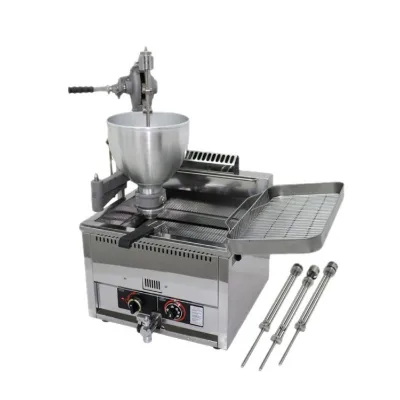


Donut Gas Fryer Coconut Shrimp Making Frying Machine with Good Price
$3000.00 - $7000.00
MOQ: 1 Pieces


Donut Cake Doughnut Making Machine with Automatic Frying Cooling and Glazing System
$20000.00 - $25888.00
MOQ: 1 Pieces
Comprehensive Sourcing Guide
Doughnut Frying Machine Sourcing Guide
Selecting the right Doughnut Frying Machine requires a careful balance between production capacity, energy efficiency, and operational reliability. Buyers must distinguish between standalone units suitable for small-scale bakeries and fully integrated production lines designed for high-volume snack factories. The market offers a variety of configurations, from compact electric fryers to complex automated systems that handle frying, cooling, and packaging. Understanding these distinctions is the first step in aligning procurement with specific business needs, ensuring that the chosen equipment supports both current output requirements and future scalability.
This guide focuses on evidence-based verification steps for sourcing doughnut frying equipment, drawing on observed market data and standard industry practices. It emphasizes the importance of verifying technical specifications, compliance documentation, and supplier qualifications before committing to a purchase. By adhering to these structured verification protocols, procurement teams can mitigate risks associated with equipment failure, non-compliance, and hidden operational costs. The goal is to provide a clear, actionable framework for evaluating suppliers and selecting machinery that delivers consistent performance and long-term value.
Product Scope and Observed Listing Signals
The current market for doughnut frying machines exhibits a wide range of capabilities, from single-unit fryers to complete automated production lines. Observed listings indicate that products are often categorized by their specific application, such as chips, biscuits, popcorn, or donuts, with some machines designed for general fried food snack processing. Buyers should note that while some units are marketed specifically as "donut machines," others are part of broader "French fries production lines" that may also handle doughnut production. This overlap necessitates a close review of the machine’s functional description to ensure it meets the specific requirements for doughnut frying, such as oil temperature control and dough handling compatibility.
Product attributes observed in the market highlight key differentiators, including automation levels, energy sources, and material construction. Many listings emphasize advantages such as automation, high efficiency, and energy saving, which are critical for reducing operational costs in high-volume environments. The material of construction is frequently cited as 304 stainless steel, a standard for food-grade equipment due to its corrosion resistance and ease of cleaning. Additionally, power sources vary, with options including electric, steam, and gas, allowing buyers to select based on their facility’s infrastructure. These signals provide a baseline for evaluating the suitability of a machine for specific production scales and operational preferences.
Technical Specifications to Verify
When evaluating technical specifications, buyers must prioritize the machine’s capacity, dimensions, and power requirements to ensure compatibility with their production floor. Observed models range from compact units with dimensions around 570x450x440 mm to larger industrial systems weighing up to 5000 kg. It is essential to verify the oil tank size and capacity, as this directly impacts frying efficiency and oil consumption. For instance, some listings specify oil tank dimensions and capacities, such as 388x248x63 mm with a 10.8 L capacity, which is suitable for smaller batches. Buyers should confirm that the machine’s output aligns with their daily production targets, whether it is for small-scale commercial catering or large-scale factory processing.
Energy efficiency and heating modes are critical technical factors that influence long-term operational costs. Listings indicate that heating modes can include electricity, steam, or gas, each with distinct advantages depending on local utility costs and availability. Buyers should verify the electrical equipment brands, such as Chint, which may indicate a level of reliability and ease of maintenance. Additionally, the machine’s weight and dimensions must be considered for installation logistics, including floor load capacity and space allocation. It is also important to check if the machine is designed for specific finished products, such as frozen French fries or fresh donuts, as this affects the required temperature controls and processing time.
Compliance and Safety Documentation
Compliance with safety and quality standards is non-negotiable for food processing equipment, and buyers must verify that suppliers provide the necessary documentation. Observed listings mention certifications such as ISOCE, which suggests adherence to international quality and environmental management standards. Buyers should request copies of these certificates to confirm their validity and scope, ensuring that the supplier’s manufacturing processes meet recognized benchmarks. Additionally, machinery test reports are often provided, offering evidence of the equipment’s performance and reliability under standard operating conditions. These documents are crucial for internal audits and regulatory compliance, particularly in regions with strict food safety regulations.
Safety features and operational reliability are key components of compliance, and buyers should inquire about specific safety mechanisms integrated into the machine. Listings highlight advantages such as safe operating performance and temperature control, which are essential for preventing accidents and ensuring product quality. Buyers should verify that the machine includes emergency stop buttons, overheat protection, and other standard safety features. Furthermore, the warranty period, often listed as two years, provides a layer of protection against manufacturing defects. It is advisable to clarify the terms of the warranty, including coverage for parts and labor, to ensure that potential issues are addressed promptly and cost-effectively.
Cost Drivers and Commercial Terms
Understanding the cost drivers associated with doughnut frying machines is essential for accurate budgeting and total cost of ownership analysis. The observed price range for these machines is significant, spanning from $500 to $29,800, reflecting the diversity in capacity, automation level, and feature set. Buyers should recognize that higher-priced units often offer greater automation, energy efficiency, and durability, which can lead to lower operational costs over time. It is important to evaluate the cost in the context of the machine’s output capacity and energy consumption, rather than focusing solely on the initial purchase price. This holistic approach ensures that the selected equipment provides the best value for the specific production needs.
Commercial terms, including minimum order quantity (MOQ) and payment conditions, vary among suppliers and can impact procurement strategy. Observed listings indicate an MOQ of 1, suggesting that suppliers are flexible and willing to accommodate small orders, which is beneficial for startups or small-scale operations. Buyers should negotiate payment terms that align with their cash flow, such as partial payments upfront and the balance upon delivery or installation. Additionally, shipping and installation costs should be considered, as some suppliers offer on-site installation services by engineers. These services can reduce downtime and ensure proper setup, but they may incur additional fees that should be factored into the overall cost.
Supplier Qualification and Quality Control
Supplier qualification is a critical step in mitigating procurement risks, and buyers should conduct thorough due diligence on potential vendors. Observed listings indicate that suppliers are often located in China, with some specifically based in Shandong, a region known for its manufacturing capabilities. Buyers should verify the supplier’s business license, export history, and customer references to assess their reliability and experience. Additionally, it is important to check if the supplier provides after-sales support, including spare parts availability and technical assistance. A supplier with a strong track record and robust support infrastructure is more likely to deliver a high-quality product and resolve issues efficiently.
Quality control processes should be transparent and verifiable, with buyers requesting details on manufacturing standards and inspection procedures. Listings mention processes such as stainless steel welding and laser welding, which are indicative of precision manufacturing. Buyers should inquire about the quality control measures implemented during production, such as material testing and functional checks. Additionally, the condition of the machine, often listed as "new," should be confirmed to ensure that it is not refurbished or used. Establishing clear quality expectations and verification steps in the contract can help ensure that the delivered equipment meets the specified standards and performs as expected.
Long-Term Procurement Checks
Long-term procurement success depends on establishing a framework for ongoing performance monitoring and supplier relationship management. Buyers should implement regular maintenance schedules and track key performance indicators, such as energy consumption, downtime, and product quality consistency. These metrics provide valuable insights into the machine’s operational efficiency and help identify potential issues before they escalate. Additionally, maintaining open communication with the supplier is essential for addressing any technical challenges or upgrading needs. A proactive approach to maintenance and supplier engagement can extend the machine’s lifespan and optimize its performance over time.
It is also important to stay informed about industry trends and technological advancements that may impact future procurement decisions. The market for doughnut frying machines is evolving, with new features and efficiencies being introduced regularly. Buyers should participate in industry forums, attend trade shows, and engage with suppliers to stay updated on the latest innovations. This knowledge can inform future upgrades or replacements, ensuring that the procurement strategy remains aligned with business goals and market demands. By continuously evaluating and adapting to changes, buyers can maintain a competitive edge and ensure that their equipment investments deliver sustained value.
FAQs
What material is used for the Doughnut Frying Machine?
The machine is constructed from 304 Stainless Steel to ensure durability and hygiene. This material meets food processing standards and is available in models like the 300S and YZ-600 for various production needs.
Can the Doughnut Frying Machine be customized for specific needs?
Yes, customization is available for this equipment to suit different factory requirements. Buyers can select from various models and configurations, including specific packing options like plastic wrap or wooden crates depending on the order.
What is the power source for the automatic doughnut machine?
The machine operates using an electric power source with Chint electrical equipment. It is designed for high efficiency and energy saving, making it suitable for commercial catering and snack food factories.
Which certification does the Doughnut Frying Machine hold?
The product holds ISOCE certification, indicating compliance with specific quality and safety standards. This ensures the machinery is reliable for use in food processing factories producing items like donuts and chips.
How is the Doughnut Frying Machine packed for shipment?
Packing options include plastic wrap or wooden crates depending on the specific model and order. This ensures the equipment arrives safely, with some models weighing up to 5000 Kg requiring robust transport solutions.
What is the warranty period for the Doughnut Frying Machine?
The machine comes with a 2-year warranty to protect the buyer's investment. This coverage applies to the new condition equipment, ensuring reliability and support for operations in bakery or snack food settings.