Source Diesel Drainage Truck for Flood Control and Fire Rescue
Source 30 Drainage Truck models featuring diesel engines, cast iron construction, and self-priming capabilities. Compare specifications for flood control, urban waterlogging, and fire rescue applications, including suction heads up to 8.5m and capacities exceeding 400 L/min.
Key considerations
Products List


Diesel Remote Warranty China Rescue Vehicle Supply Dongfeng Drainage Truck
$25000.00 - $88000.00
MOQ: 1 Pieces


HOWO Drainage Rescue Trucks with 200kw Generator 1000m3 - 4000m3/H Pump
$125000.00 - $250000.00
MOQ: 1 Pieces


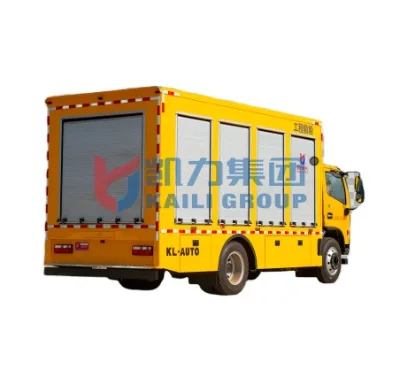
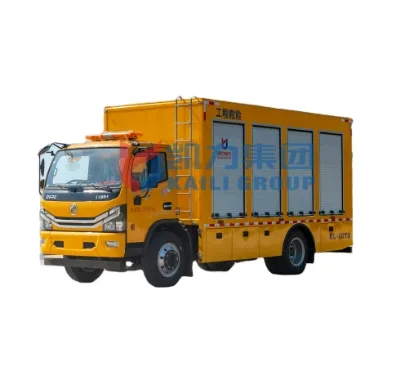
For Sale Powerful Water Pump 4*2 Water Suction Truck Drainage Truck for Emergency
$50352.79 - $52634.99
MOQ: 1 units


Flood Drainage Rescue Truck for Urban Flood Emergency Waterlogging Drainage
$18685.00 - $23585.00
MOQ: 1 unit

Heavy-Duty Emergency Drainage Rescue Truck with High Flow Capacity
$19000.00 - $30000.00
MOQ: 1 Pieces
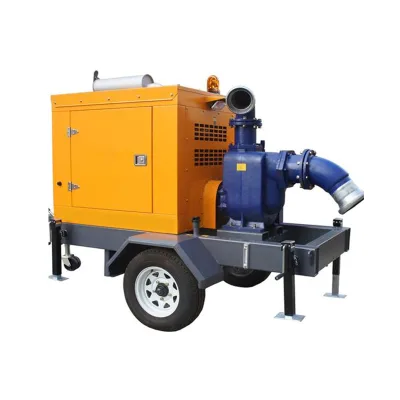


HOWO Drainage Rescue Trucks with 200kw Generator 1000m3 - 4000m3/H Pump
$198000.00 - $268000.00
MOQ: 1 Pieces


Customizing Drainage Pump with Vehicle (Flood Control Drainage Pump Truck Drainage Rescue Vehicle)
$30000.00 - $88000.00
MOQ: 1 Pieces


Comprehensive Sourcing Guide
Drainage Truck Sourcing Guide
The Drainage Truck market presents a specialized segment of mobile fluid handling equipment designed for rapid response to urban waterlogging, flood control, and industrial sewage management. Based on current market observations, these units are frequently configured as mobile trailers or integrated vehicles equipped with high-capacity centrifugal pumps capable of handling raw sewage and slurry. Buyers should note that the observed product range includes models with varying suction heads, such as those capable of 8.5 meters of lift, and flow rates exceeding 400 liters per minute, indicating a diverse capability spectrum from light municipal maintenance to heavy-duty emergency rescue operations.
Procurement decisions for these units must account for the specific operational environment, as the observed listings highlight distinct configurations like two-wheel highway trailers and four-wheel mobile chassis. The selection process is heavily influenced by the required mobility and power source, with many units featuring diesel engines paired with electric start modes for immediate deployment. Buyers must verify that the chosen model aligns with the intended application, whether it is fire rescue, flood control, or general sewage pumping, as the structural design and pump type, such as self-priming pumps with inner recirculation, vary significantly across the available inventory.
Product Scope and Observed Listing Signals
The current market listings for drainage trucks reveal a clear segmentation based on model designation and physical dimensions, which often correlate with their intended capacity and transport requirements. Specific model identifiers such as HYS5080XXHE6 and HYS5150XXHE6 suggest standardized chassis configurations, while the RY series (e.g., RY700PV, RY1200PV) appears to denote pump-centric specifications with distinct standard dimensions ranging from 3290mm to 5300mm in length. Buyers should treat these model numbers as primary filters for identifying units that fit within their logistical constraints, as the physical footprint directly impacts transportability and on-site maneuverability.
Pricing signals in the observed data span a wide range from 100 USD to 268,000 USD, reflecting the vast difference between basic pump assemblies and fully integrated, custom-engineered mobile units. This variance is further complicated by the observation that the Minimum Order Quantity (MOQ) is consistently listed as 1, suggesting a market structure that accommodates both single-unit emergency procurement and larger fleet acquisitions. Buyers must carefully distinguish between the cost of the core mechanical assembly, which may be listed separately, and the total cost of a fully equipped vehicle, as the latter includes the chassis, trailer type, and specialized packing such as wooden cases or nude vehicle protection.
Technical Specifications to Verify
When evaluating the mechanical core of a Drainage Truck, the pump structure and material composition are critical determinants of longevity and performance under harsh conditions. The observed listings frequently specify cast iron construction for pump bodies, which offers robust wear resistance, and highlight the use of mechanical seals that are dry-run capable to prevent catastrophic failure during low-water scenarios. Buyers must verify that the specific model selected matches the required application, ensuring that the "Single-stage Pump" or "Centrifugal Pump" theory aligns with the viscosity of the media being handled, particularly for sewage applications where solids content can vary.
Operational capabilities such as suction head, transmission type, and start-up mode require rigorous validation against the specific site conditions where the truck will operate. The data indicates a maximum suction head of 8.5 meters for certain models, a figure that must be compared against the actual depth of water or sump levels at the deployment site to ensure effective priming. Additionally, the transmission is often described as a direct connection, and the start mode is typically electric or one-key automatic, features that buyers should confirm are compatible with the available power infrastructure and the urgency required for flood control or fire rescue operations.
Compliance and Safety Documentation
Certification status is a primary indicator of a Drainage Truck's readiness for international deployment and regulatory compliance in various jurisdictions. The observed product data explicitly lists ISOCCC and CE certifications for specific models, which are essential for verifying that the equipment meets international safety and quality standards. Buyers should request current certification documents for the exact model number being purchased, as these credentials often dictate eligibility for government contracts and insurance coverage, particularly for units intended for use in flood control or urban waterlogging scenarios.
Safety features integrated into the pump system, such as gas-liquid separation mechanisms and automatic sensors, are vital for preventing operational hazards during emergency response. The listings mention features like "Stop When No Water Pumping" and the integration of mechanical float valves, which serve as critical fail-safes to protect the engine and pump from damage. Procurement teams must verify that these automated safety systems are functional and that the documentation provided by the supplier includes detailed operational manuals explaining how these sensors interact with the diesel engine and electric start systems to ensure safe, unattended operation.
Cost Drivers and Commercial Terms
The final cost of a Drainage Truck is driven by a combination of customization options, packing requirements, and the complexity of the integrated systems. While the base price may appear low for certain pump assemblies, the total landed cost increases significantly with the inclusion of custom chassis modifications, specialized packing like stretch film wooden cases, and the integration of advanced features such as automatic water suction. Buyers should scrutinize the "Customization: Available" attribute to understand the scope of work required to tailor the unit to specific needs, as this often involves additional engineering time and material costs that are not reflected in the base listing price.
Commercial terms regarding the origin and delivery logistics also play a significant role in the total cost of ownership. The observed data indicates that products originate from Hubei and China, with specific dimensions and weights that influence shipping costs and customs duties. Buyers must clarify whether the quoted price includes the "Nude Vehicle with Standard Export Protection" or if additional packaging is required for long-distance transport, as the lack of standardized packing for certain models could lead to damage during transit. Furthermore, the distinction between a two-wheel highway trailer and a four-wheel mobile chassis will impact the vehicle's classification and the associated regulatory costs for road transport.
Supplier Qualification and Quality Control
Verifying the supplier's ability to deliver consistent quality requires a focus on the manufacturing origin and the specific condition of the goods offered. The observed listings consistently state that the products are "New," which is a fundamental requirement for procurement, but buyers must go further to ensure that the manufacturing process adheres to the claimed ISOCCC standards. It is advisable to request evidence of the production facility's quality control protocols, particularly for critical components like the mechanical seals and the diesel engine, to ensure that the "Strong Wear Resistance" claims are backed by actual testing data rather than marketing assertions.
Quality control should also extend to the assembly and testing of the final unit before shipment. Given the complex integration of the pump, engine, and trailer chassis, buyers should insist on pre-shipment inspection reports that verify the functionality of the "One-Key Start" and "Automatic Water Suction" features. The supplier's ability to provide a "Nude Packing" or "Wooden Case Packing" solution should be evaluated based on the fragility of the components and the distance of transport, ensuring that the unit arrives in the condition described in the product specifications without requiring extensive on-site repairs.
Long-Term Procurement Checks
Sourcing drainage trucks for long-term use requires a strategic approach to maintenance and spare parts availability, given the harsh operating conditions these vehicles face. Buyers should verify the supplier's commitment to providing a comprehensive spare parts list, particularly for high-wear items like mechanical seals and pump impellers, to minimize downtime during critical flood control or sewage pumping operations. The "Customization: Available" attribute suggests that the supplier may offer tailored maintenance solutions, which should be formalized in the procurement contract to ensure long-term support and operational continuity.
Finally, the long-term viability of the procurement depends on the supplier's ability to adapt to evolving regulatory and environmental standards. As urban waterlogging and flood control requirements become more stringent, the Drainage Truck must remain compliant with updated safety and emission standards. Buyers should establish a relationship with the supplier that includes regular reviews of the product's performance against the observed specifications, such as the 1500m³/h capacity or the 80km/h trailer speed, to ensure that the equipment continues to meet the operational demands of the organization over its entire lifecycle.
FAQs
What certifications do the drainage pumps hold?
The drainage pumps hold ISOCCC certification, with some models also featuring CE certification. These certifications ensure compliance with international safety and quality standards for mechanical pumps used in sewage and flood control applications.
How is the product packed for shipment?
Packaging varies by model, ranging from nude packing to wooden case packing or stretch film wooden cases. Some vehicles are shipped as nude vehicles with standard export protection to ensure safe delivery of the mechanical pump units.
Can the pumps operate without water?
Yes, the mechanical seals are designed to be dry run capable with strong wear resistance. The system also features a stop function when no water is pumping to protect the motor and ensure operational safety during use.
What is the maximum suction head available?
The maximum suction head for these units is 8.5 meters. This capability supports efficient water suction for applications like flood control and urban waterlogging, ensuring reliable performance in various drainage scenarios.
Which trailer types are available for these pumps?
Available trailer types include two-wheel highway trailers and four-wheel mobile chassis. These options provide mobility for the pumps, with highway trailers capable of speeds greater than 80 km/h for rapid deployment.
What is the starting mode for the pumps?
The pumps feature a one-key start mode with automatic water suction capabilities. This electric pump start-up method simplifies operation, allowing for quick activation in emergency situations like fire rescue or sewage pumping.