Source Drain Valve for Canoe, Kayak, and Sailboat Applications
Compare 30 Drain Valve options for inflatable boats, rafts, and fishing vessels. Buyers can review specifications like head shape, weight, and customization availability from verified suppliers in China.
Key considerations
Products List




Comprehensive Sourcing Guide
Strategic Sourcing Guide for Marine Drain Valves
The global market for marine drainage components requires precise technical alignment between vessel design and component specifications. For procurement professionals researching the core keyword "Drain Valve," the primary challenge lies in navigating a fragmented supply landscape where product attributes vary significantly across different vessel types and operational requirements. This guide synthesizes observed market data and verified product attributes to establish a framework for evaluating suppliers, ensuring compliance, and securing reliable supply chains for boat accessories and parts. The focus remains on evidence-based criteria derived from actual product listings and industry standards, avoiding speculative claims while highlighting critical verification points for buyers.
Technical Specifications and Model Variations
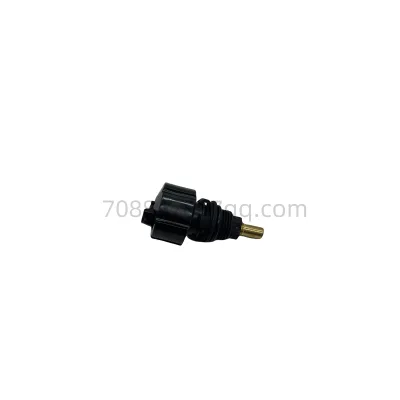
When sourcing drain valves, the first step is to categorize products based on their structural design and dimensional specifications. Market observations indicate a clear segmentation between multi-piece and single-piece valve assemblies. One distinct category features a "3-Piece" structure, designed for specific applications such as inflatable boats, rafts, and fishing vessels. These units often present dimensions of approximately 85mm by 57mm for the head size, with height variations ranging from 24mm to 36mm. The weight for these specific configurations is observed around 80 grams, though alternative models in the same category may weigh approximately 66 grams.
Another significant segment involves valves with a "One Inside Part, One Outside Part" structure. These are typically marketed for general inflatable products and may be paired with specialized matched tools, such as a valve wrench, to facilitate installation and maintenance. The head shape for these components is frequently hexagonal, allowing for standard tool engagement. Buyers must carefully distinguish between model codes such as VAD-01, VAD-02, VAD-03, and others like AVD01, JEDV, or SM173, as these identifiers often correlate with specific standard configurations or manufacturing batches.
Material composition is another critical technical differentiator. While many standard valves are constructed from durable plastics or composites, specific listings highlight "Aluminum" as a primary material, likely for high-stress or corrosion-resistant applications. The color options generally include black, off-white, or gray, which can be relevant for aesthetic integration or UV resistance requirements. Furthermore, the motive force for these valves is typically described as "Pressure," indicating a mechanism that relies on internal or external fluid pressure to operate the drain function.
Compliance, Certification, and Standards Verification
In the marine industry, regulatory compliance is non-negotiable. Procurement teams must verify that suppliers possess valid certifications that align with international safety and environmental standards. Current market data confirms the presence of "CE" certification for various Drain Valve models, including those with model numbers VAD-01, VAD-02, and VAD-03. Some listings also reference "RoHS" compliance, which is essential for products intended for markets with strict restrictions on hazardous substances.
Beyond general certifications, buyers should scrutinize the specific product standards listed. While some entries cite model numbers as their standard (e.g., VAD-02), others reference dimensional standards such as "602323cm" or size ranges like "2"-4", DN50-DN200." These figures likely pertain to packaging dimensions or pipe fitting standards rather than the valve itself, creating a potential point of confusion. It is imperative for buyers to request explicit documentation clarifying whether these standards apply to the valve's manufacturing tolerance, the packaging unit, or the pipe connection interface.
Additionally, the "Usage" attribute provides insight into the intended regulatory environment. Products listed for "Environmental Protection" usage suggest compliance with discharge regulations, which is vital for commercial vessels operating in sensitive waterways. Buyers should not assume that a generic "CE" mark covers all regulatory requirements for their specific region or vessel class. Instead, they must request test reports and certification certificates that explicitly name the applicable directive or standard for the specific valve model being procured.
Cost Drivers and Pricing Dynamics
Understanding the cost structure of drain valves requires an analysis of the observed price ranges and minimum order quantities (MOQs). The market data indicates a wide price spectrum, ranging from $0.05 to $140 USD per unit. This disparity is driven by several factors, including material composition, complexity of the valve structure, and the level of customization. The lower end of the price range likely corresponds to standard, non-customized plastic components, while the higher end may reflect aluminum construction, specialized fittings, or bulk packaging configurations.
MOQs also play a significant role in unit economics. Observed MOQs range from 1 to 1000 pieces, with a specific high-confidence fact noting an MOQ of 100 pieces for certain product lines. This suggests a tiered pricing model where smaller buyers can access single items or small batches at a premium, while larger orders benefit from economies of scale. Buyers should note that "Sample" availability is often restricted to "Paid Samples," meaning initial testing incurs a cost before a bulk commitment is made.
Other cost drivers include the packaging method. Listings specify "Plastic Bag + Cartons" with a standard packing quantity of 100 pieces per carton, while other entries mention "Plywood Cases." The choice of packaging affects shipping costs and protection during transit, particularly for international shipments from the "Place of Origin: China." Buyers must factor in the logistics of these packaging types when calculating the total landed cost. Additionally, the "Selling Units" are often listed as "Single Item," which can complicate bulk pricing negotiations if the supplier does not have a clear tiered structure for larger volumes.
Typical Applications and Usage Scenarios
Drain valves are integral to the safety and functionality of various watercraft. The observed application data highlights a diverse range of vessels, including canoes, kayaks, sailboats, jet skis, and yachts. Specific product attributes link certain models to "Inflatable Boats," "Raft Boats," and "Fishing Boats," indicating that the valve design must accommodate the unique pressure and material requirements of inflatable structures.
The "Scope" of application further clarifies the versatility of these components. Products are explicitly designed for use in inflatable products, suggesting a focus on valves that can withstand the dynamic pressure changes inherent in inflatable hulls. The "Style" of the valve, often described as "Vertical," implies a specific orientation that may be required for gravity drainage or space-constrained installations within a vessel's hull.
For maintenance purposes, the "Usage" attribute is listed as "Maintenance," indicating that these valves are not just for initial construction but are also critical for ongoing vessel upkeep. This includes the removal of water accumulated in the bilge or storage compartments. The "Product Name" variations, such as "Boat Accessory Drain Valve" versus "Boat Parts Drain Valve," suggest that the market distinguishes between standalone accessories and integrated parts, which may influence the procurement strategy depending on whether the buyer is equipping a new vessel or retrofitting an existing one.
Supplier Evaluation and Quality Control
Evaluating suppliers in this sector requires a rigorous approach to verifying the consistency of product attributes. Since product listings show variations in weight (80g vs. 66g) and color (Black/Offwhite vs. Black or Gray), buyers must establish clear quality control protocols. A key aspect of supplier evaluation is the ability to provide consistent product samples that match the claimed specifications. The "Customization" attribute is available, allowing for tailored solutions, but buyers must verify that the "Customized" options do not compromise the structural integrity or certification status of the valve.
Quality control should also focus on the "Packing" and "Specifications" consistency. For instance, if a supplier claims a packing standard of 100 pieces per carton, the actual count must be verified upon receipt to prevent inventory discrepancies. The presence of a "Matched Tool" like a valve wrench is a positive indicator of a complete product offering, but buyers should ensure the tool is included in the shipment and matches the valve's hexagonal head size.
Furthermore, the "Warranty" terms vary, with some listings offering "Years" and others "Months." This discrepancy highlights the need for buyers to clarify warranty periods in the purchase agreement. A warranty of "Years" suggests a higher confidence in product durability, whereas "Months" may indicate a shorter-term guarantee or a specific condition-based coverage. Buyers should request written warranty terms that define the scope of coverage, including defects in material and workmanship.
Long-Term Procurement Considerations
Sourcing drain valves is not merely a transactional activity but a strategic decision that impacts long-term vessel safety and operational efficiency. Buyers should consider the "Place of Origin" as a factor in supply chain resilience. With the majority of products originating from China, diversifying the supplier base or establishing strong relationships with multiple vendors can mitigate risks associated with geopolitical tensions or logistical disruptions.
The "Customization" capability is a critical long-term asset. As vessel designs evolve, the ability to source valves with specific dimensions, materials, or mounting configurations becomes increasingly important. Buyers should assess the supplier's capacity to handle custom orders without significantly extending lead times or inflating costs. Additionally, the availability of "Single Item" sales suggests that suppliers are willing to support small-scale procurement, which is beneficial for maintenance teams needing immediate replacements.
Finally, buyers must plan for the lifecycle of the product. The "Type" of valve, such as those utilizing "Activated Carbon" (though this may be a misclassification in some listings and requires verification), or standard pressure-actuated valves, will determine the replacement frequency. Establishing a relationship with a supplier who can provide consistent quality and timely restocking is essential for maintaining a fleet of vessels in optimal condition. By focusing on verified specifications, clear certification standards, and robust supplier evaluation, procurement professionals can secure a reliable supply of drain valves that meet the rigorous demands of the marine industry.
FAQs
What is the minimum order quantity for drain valves?
The minimum order quantity is typically 100 pieces for standard listings. Some suppliers may accept orders as low as one unit, but bulk pricing usually applies to larger quantities.
Which certifications are available for these marine drain valves?
Many models hold CE certification, and some listings also include RoHS compliance. Buyers should verify specific certificates for the model number to ensure regulatory alignment.
Can I find drain valves made from aluminum?
Yes, aluminum is a documented material option for specific Drain Valve models. This material is often selected for high-stress or corrosion-resistant applications in marine environments.
What are the typical dimensions for the valve head?
The head size is approximately 85mm by 57mm for certain configurations. Height variations exist, ranging from 24mm to 36mm depending on the specific model structure.
How does customization affect the Drain Valve supply?
Customization is available for these products, allowing for tailored specifications. However, buyers must confirm if custom orders maintain the original certification status and warranty terms.
What is the warranty period for boat drain valves?
Warranty terms vary, with some listings offering coverage in months and others in years. Buyers must clarify the specific duration and scope of coverage in the purchase agreement.
Which vessel types are compatible with these drain valves?
These valves are designed for canoes, kayaks, sailboats, jet skis, and yachts. They are also specifically suited for inflatable boats, rafts, and fishing boats.