Source Portable Black Pickleball Net for Competition Training Events
Explore 30 listings for the Portable Black Pickleball Net suitable for competition, training, and events. Buyers can compare specifications, materials, and customization options from verified suppliers in Guangdong. Detailed product data includes size, material composition, and target audience profiles for professional players and children. This comprehensive guide helps you identify the right net for your specific needs.
Key considerations
Products List
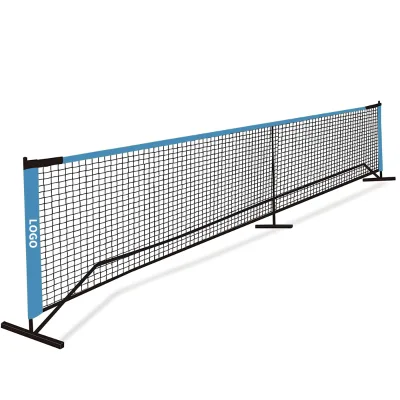


Pickleball Training Nets Pickleball Net Portable Pickleball Set with Net
$20.00 - $23.00
MOQ: 1 Pieces

High Quality Portable Convenient Outdoor Pikckleball Mesh Net Pickleball Net
$20.00 - $23.00
MOQ: 1 Pieces


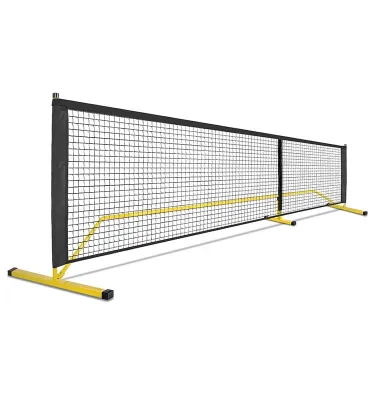
Official Regulation Size 22' Foot Yellow Pickleball Net with Travel Bag
$22.70 - $24.10
MOQ: 20 pieces

Pickleball Net Outdoor Black Pickleball Tennis Net 6.7m Portable Indoor and Outdoor
$22.70 - $24.10
MOQ: 20 pieces


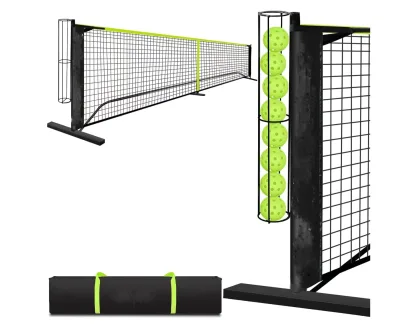

Manufacturers Wholesale Custom Portable Pickleballsports Nets 6.7 M *0.9 M
$0.60 - $2.00
MOQ: 1 square meters

Low Price Portable Round Rod Adult Pickleball Net Can Be Customized Logo
$25.50 - $30.00
MOQ: 1 sports net

High Strength HDPE Portable Adjustable Pickleball Net for Sports Training
$0.50 - $1.20
MOQ: 1 Square Meters

High Tensile Tear-Resistant Safety Portable Outdoor Pickleball Net for Sports Training
$0.50 - $1.20
MOQ: 1 Square Meters


Comprehensive Sourcing Guide
Portable Black Pickleball Net Sourcing Guide
Sourcing portable black pickleball nets requires a careful balance between competitive pricing and structural integrity, as the market offers a wide spectrum of options ranging from entry-level training gear to professional-grade competition equipment. Buyers must navigate a diverse supplier landscape, primarily concentrated in manufacturing hubs like Guangdong, China, where production capabilities vary significantly in terms of material quality and finishing standards. The observed price range is extensive, spanning from approximately $0.50 to over $16,000, which reflects differences in net mesh density, frame durability, and included accessories such as carrying bags or specialized posts. Understanding these variations is crucial for aligning procurement budgets with the intended use case, whether for casual community play, youth training programs, or high-stakes tournament environments.
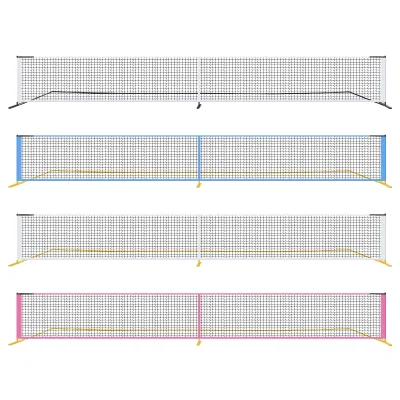
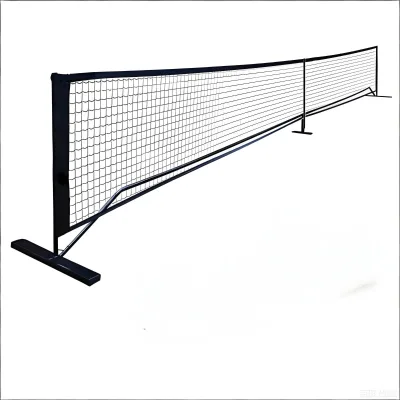
The visual and functional attributes of these nets also play a pivotal role in the selection process. Many listings highlight customizable features, including logo printing and color options, with black being a popular choice for its professional aesthetic and contrast against the court surface. Standard dimensions often cited include a width of 6.7 meters (22 feet) and a height of 0.9 meters, which align with official competition standards, though some portable variants may offer slightly different proportions for ease of transport. Buyers should verify that the "portable" designation includes robust folding mechanisms and secure locking systems, ensuring that the net remains stable during play while remaining easy to set up and dismantle. This balance of portability and stability is the primary differentiator between low-cost novelties and reliable sporting equipment.
Product Scope and Observed Listing Signals
The current market landscape for portable pickleball nets reveals a high degree of customization and variability in product specifications. Suppliers frequently offer models with specific identifiers such as PFP-2929 or WR-series codes, indicating distinct manufacturing batches or design iterations. These models often come with detailed packing information, such as OPP bags or standard bags, which directly impacts shipping volume and cost efficiency. The target audience spans from children and youth to professional players, suggesting that product durability and tension accuracy must be evaluated based on the end-user's skill level. Buyers should pay close attention to the "Usage" tags, which often specify suitability for both competition and training, as this influences the required tensile strength and mesh visibility.
Material composition is another critical signal observed in listings, with options including PE, Polyester, and PP blends, as well as carbon fiber components for associated accessories like rackets. The choice of material affects the net's lifespan, resistance to weathering, and overall feel during gameplay. Additionally, the presence of features like 40-hole mesh patterns or specific cold-press cutting technologies indicates a focus on precision manufacturing. Buyers must discern whether these technical details are marketing embellishments or genuine quality indicators. The availability of samples is a positive signal, allowing procurement teams to physically inspect the net's weave, post stability, and overall build quality before committing to larger orders.
Technical Specifications to Verify
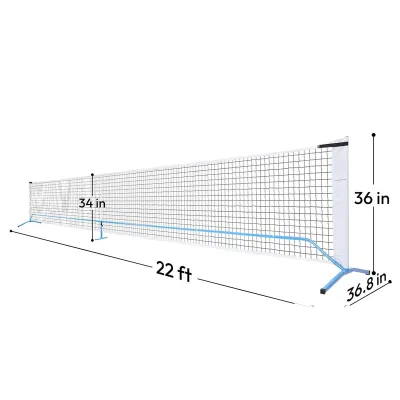
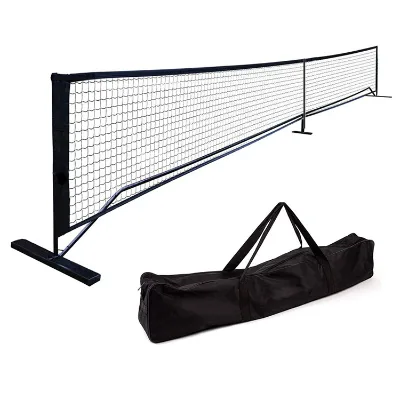
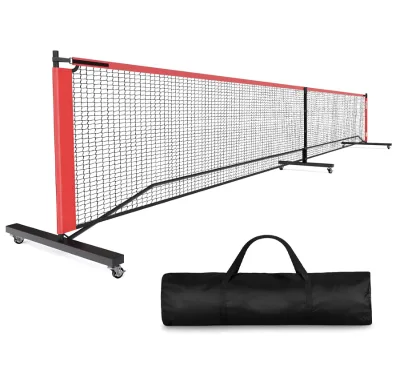
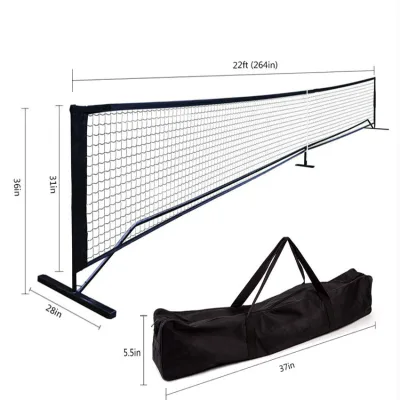
When evaluating portable pickleball nets, verifying the exact dimensions is paramount to ensure compliance with standard court requirements. The most common specification observed is a size of 6.7 meters by 0.9 meters, which corresponds to the 22-foot width and 3-foot height mandated for official play. However, some listings may present alternative dimensions, such as 310 by 85 centimeters, which could indicate a different product category or a non-standard variant. Buyers must confirm that the net's width matches the court's total span, including the center strap and side posts, to avoid gaps that could affect gameplay. The height specification is equally critical, as an incorrect net height can render the equipment unsuitable for competitive matches or official tournaments.
The structural integrity of the net system, including the posts and tensioning mechanisms, requires thorough technical verification. Portable nets often rely on folding frames or weighted bases for stability, and buyers should assess the material thickness and joint durability. Specifications such as a 92 by 19 by 14 centimeter packed size suggest a compact design, but the expanded dimensions must be checked for rigidity. Additionally, the mesh hole size, often cited as 40 holes, impacts ball visibility and bounce consistency. Buyers should request detailed technical drawings or videos demonstrating the setup process to ensure that the tensioning system can maintain proper net height and tightness across the entire span, preventing sagging during intense play.
Compliance and Safety Documentation
While specific certification statuses are not universally disclosed in all listings, buyers must prioritize safety and regulatory compliance when sourcing portable pickleball nets. This includes verifying that the materials used, such as PE or Polyester, are free from harmful chemicals and meet international textile safety standards. For nets intended for professional or youth use, documentation regarding flame retardancy and UV resistance may be necessary to ensure longevity and safety in outdoor environments. Buyers should request material safety data sheets (MSDS) and test reports from suppliers to confirm that the products adhere to relevant environmental and health regulations in their target markets.
Additionally, the structural safety of the net posts and base systems must be documented to prevent accidents during use. Portable nets often feature sharp edges or unstable bases that could pose risks if not properly designed. Buyers should inquire about impact resistance tests and stability assessments, particularly for nets used in high-traffic areas or by children. Compliance with local sports equipment standards, such as those set by national pickleball associations, is also essential. Ensuring that the supplier can provide evidence of quality control processes and adherence to these standards helps mitigate liability risks and ensures that the equipment is safe for all users, from beginners to advanced players.
Cost Drivers and Commercial Terms
The cost of portable pickleball nets is influenced by several key factors, including material quality, customization options, and order volume. The observed price range of $0.50 to $16,000 highlights the disparity between basic training nets and high-end competition-grade equipment. Buyers should consider the cost implications of custom logos and colors, which may incur additional setup fees or higher per-unit costs. The minimum order quantity (MOQ) also plays a significant role, with some suppliers requiring orders of 100 sets or more, while others offer lower MOQs for sample orders or smaller batches. Understanding these commercial terms is essential for budgeting and planning inventory levels effectively.
Shipping and logistics costs are another major component of the total procurement expense. The packed dimensions of the nets, such as 91 by 22 by 13 centimeters, directly impact freight charges, especially for air or express shipping. Buyers should negotiate clear Incoterms and clarify who is responsible for import duties and taxes. Additionally, the availability of samples, often available at a nominal cost, can help buyers assess quality before committing to large orders. It is advisable to request a detailed quotation that breaks down unit costs, tooling fees, and shipping estimates to ensure transparency and avoid unexpected expenses. Comparing total landed costs rather than just unit prices will provide a more accurate picture of the procurement investment.
Supplier Qualification and Quality Control
Selecting a reliable supplier for portable pickleball nets involves rigorous qualification and quality control measures. Buyers should verify the supplier's manufacturing capabilities, including their production capacity, quality management systems, and experience in the sports equipment industry. Suppliers based in Guangdong, China, often have established supply chains, but buyers must conduct due diligence to ensure consistent quality across batches. Requesting references or case studies from previous clients can provide insights into the supplier's reliability and customer service standards. Additionally, verifying the supplier's ability to handle custom orders, such as logo printing and specific packaging requirements, is crucial for meeting brand-specific needs.
Quality control processes should be clearly defined and enforced throughout the production cycle. Buyers should implement pre-production inspections to verify material specifications and post-production audits to check for defects in stitching, mesh tension, and frame assembly. Third-party inspection services can provide an objective assessment of product quality and compliance with agreed-upon standards. Establishing a clear communication channel with the supplier for addressing quality issues and implementing corrective actions is essential for maintaining product integrity. Regular feedback loops and performance evaluations can help identify areas for improvement and strengthen the supplier relationship over time, ensuring a steady supply of high-quality portable pickleball nets.
Long-Term Procurement Checks
Long-term procurement success with portable pickleball nets depends on continuous monitoring of supplier performance and market trends. Buyers should establish key performance indicators (KPIs) to track delivery times, product quality, and customer satisfaction. Regular reviews of supplier performance can help identify potential issues early and facilitate timely interventions. Additionally, staying informed about advancements in net technology and materials can help buyers make informed decisions about product upgrades or replacements. Engaging with industry associations and attending trade shows can provide valuable insights into emerging trends and best practices in the pickleball equipment sector.
Building a resilient supply chain is also critical for long-term procurement stability. Diversifying suppliers and maintaining backup options can mitigate risks associated with supply disruptions or quality inconsistencies. Negotiating long-term contracts with favorable terms, such as price protection and volume discounts, can provide cost savings and supply security. Furthermore, fostering a collaborative relationship with suppliers, based on mutual trust and transparency, can lead to better innovation and responsiveness to market changes. By proactively managing these aspects, buyers can ensure a sustainable and efficient procurement process for portable pickleball nets, supporting the growth and success of their sports equipment offerings.
FAQs
What are the standard dimensions for a Portable Black Pickleball Net?
The standard size for a Portable Black Pickleball Net is 6.7 meters in length and 0.9 meters in height. This dimension aligns with official competition regulations. Some models offer a width of 0.91 meters. The netting typically features 40 holes for durability. These specifications ensure consistent play for both professional and recreational users.
Can I customize the logo on a Portable Black Pickleball Net?
Yes, customization is available for portable black pickleball nets. Buyers can request a customized logo to be printed on the net or its packaging. The color can be black or adjusted to specific requests. This service supports branding for tournaments or corporate events. Samples are available to verify the quality of the customization before bulk production.
What materials are used to construct a Portable Black Pickleball Net?
Portable black pickleball nets are typically constructed from durable materials such as PE, polyester, or PP. These materials provide strength and weather resistance for outdoor use. The netting is designed to withstand repeated impacts during play. Some models may include carbon fiber components for added rigidity. The choice of material ensures longevity and consistent performance on various court surfaces.
What is the minimum order quantity for portable black pickleball nets?
The minimum order quantity varies by supplier but typically starts at one unit for samples. For bulk orders, the MOQ is often set at 100 sets. This allows buyers to test the product before committing to larger volumes. Some suppliers may offer lower MOQs for standard configurations. Buyers should confirm the specific MOQ with the manufacturer to ensure it meets their procurement needs.
Where are portable black pickleball nets typically manufactured?
Portable black pickleball nets are typically manufactured in Guangdong, China. This region is a major hub for sports equipment production. The products are dispatched from the port of Shenzhen. This location offers efficient logistics for global shipping. Buyers can expect reliable supply chains and competitive pricing from manufacturers in this area.
Are portable black pickleball nets suitable for professional competition?
Yes, portable black pickleball nets are designed for professional competition. They meet standard size requirements of 6.7 meters by 0.9 meters. The nets are built to withstand high-intensity play. They are suitable for both training and official matches. The durable construction ensures stability and accuracy during competitive games.