Source Dried Piece Peach Gum for snacks, beverages, and health supplements
Compare 30 listings for Dried Piece Peach Gum from verified Chinese suppliers. Buyers can evaluate models like Dried Peach Slices Natural, check certifications including ISO and HACCP, and review packaging options ranging from 1kg to 500 cartons.
Key considerations
Products List







Comprehensive Sourcing Guide
Strategic Sourcing Guide for Dried Piece Peach Gum
The global market for specialized botanical ingredients has seen a surge in demand for traditional Chinese medicinal foods, with Dried Piece Peach Gum emerging as a high-value commodity. For B2B procurement professionals, sourcing this specific ingredient requires a nuanced understanding of its physical characteristics, supply chain dynamics, and regulatory landscape. Unlike generic fruit snacks, dried peach gum is a natural exudate with distinct processing requirements and application profiles. This guide provides a comprehensive framework for buyers to navigate the procurement process, ensuring quality assurance and supply chain reliability without relying on unverified claims or speculative market data.
Technical Specifications and Physical Characteristics
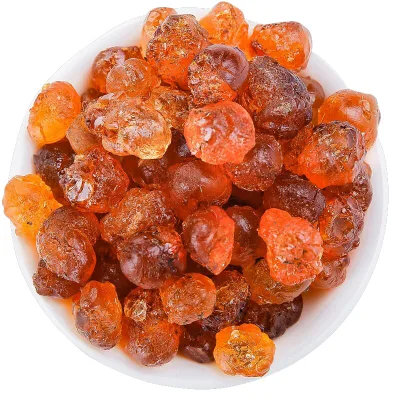
Understanding the precise technical specifications of dried peach gum is the first step in defining a robust Request for Quotation (RFQ). The product is fundamentally a solid form of natural gum, often processed through air-drying (AD) methods to preserve its structural integrity and nutritional profile. Buyers must distinguish between different grades based on the drying process and the resulting texture. The observed market data indicates that the product often appears in "Dried Peach Slices Natural" or similar descriptive models, though the core material remains the gum exudate.
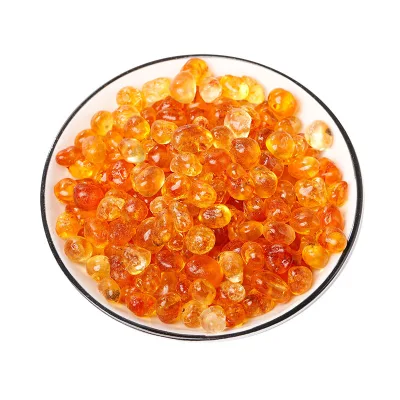
The physical form is critical for downstream processing. The product is typically characterized as indehiscent, meaning it does not split open at maturity, which can influence how it is handled during milling or rehydration. The shape is often described as fruit-shaped or irregular pieces, depending on the source tree and the cutting method used during harvesting. When evaluating samples, procurement teams should verify the moisture content and the degree of shrinkage post-drying, as these factors directly impact the yield and rehydration ratio in final applications.
Packaging plays a significant role in maintaining these specifications. The industry standard for export often involves laminated materials to protect against humidity and oxidation. Common packaging configurations include 25kg bags or 12.5kg cartons divided into four bags, designed to facilitate handling in industrial settings. The storage method is strictly defined as a cool, dry place, protected from direct sunlight, to prevent the gum from absorbing ambient moisture and becoming sticky or losing its structural properties.
Compliance, Certification, and Regulatory Standards
In the B2B food and ingredient sector, compliance is non-negotiable. Buyers must verify that suppliers adhere to international food safety standards. The available market data highlights several key certifications that serve as indicators of a supplier's quality management system. These include HACCP (Hazard Analysis and Critical Control Points), ISO (International Organization for Standardization), BRC (Brand Reputation Compliance), and HALAL. The presence of these certifications suggests that the supplier has implemented rigorous controls over their production environment, from raw material sourcing to final packaging.
However, buyers should not assume that every listed product automatically satisfies all certification requirements. It is essential to request current, valid certificates directly from the supplier and verify their scope. For instance, while some listings mention ISO certification, the specific standard (e.g., ISO 22000 vs. ISO 9001) must be confirmed. Similarly, HALAL certification is critical for markets in the Middle East and Southeast Asia, and its absence can limit market access.
The product standard is often listed as "as you require" or "as per packing," which indicates a high degree of customization potential. This flexibility allows buyers to negotiate specific quality thresholds, but it also places the burden of defining those standards on the buyer. Procurement teams must explicitly state their required standards in the RFQ, referencing specific international or national food safety codes relevant to their target market. Additionally, the origin of the product, often cited as Shandong or Hebei in China, should be verified, as regional differences can affect the chemical composition and purity of the gum.
Cost Drivers and Pricing Dynamics
The pricing of dried peach gum is influenced by a complex interplay of factors, including raw material scarcity, processing costs, and packaging requirements. The observed price range in the market is extensive, spanning from $0.05 to $3,070 USD. This wide variance is not indicative of a single product but rather reflects differences in grade, packaging volume, and order quantity. The low end of the spectrum likely represents bulk raw materials or lower-grade pieces, while the high end may include premium, small-batch, or highly processed variants with specialized packaging.
Order Quantity (MOQ) is a primary driver of unit cost. The market data shows an MOQ range from 1kg to 5,000 cartons. Suppliers often offer tiered pricing structures where the unit price decreases significantly as the order volume increases. For example, an MOQ of 1kg might carry a premium price due to the handling and administrative costs associated with small shipments. Conversely, an order of 500 cartons allows the supplier to optimize production runs and logistics, resulting in a lower per-unit cost.
Packaging costs also contribute significantly to the final price. Export cartons with laminated inner bags are more expensive than standard bulk packaging but are necessary for international shipping to prevent contamination. Buyers should calculate the total landed cost, including freight, insurance, and duties, rather than focusing solely on the FOB price. The "Low-sugar" or "Sugar Added" attributes mentioned in some listings can also affect pricing, as the addition of sweeteners or the removal of natural sugars involves additional processing steps.
Typical Applications and Market Segmentation
Dried peach gum is versatile, finding applications across various industries, primarily in food and beverage, pharmaceuticals, and health supplements. The product is often marketed for its nutritional value, which includes minerals, vitamins, and proteins, although some listings note "non-nutritional" claims, suggesting a focus on texture or traditional medicinal properties rather than caloric content.
In the food industry, the gum is used as a thickener, stabilizer, or texturizer. Its ability to absorb water and form a gel makes it ideal for soups, desserts, and traditional Chinese tonics. The "Fruit" flavor profile and "Fruit Shape" attributes suggest its use in confectionery or as a standalone snack, particularly for children and adults. The "Department: Bubble Gum" listing indicates a specific niche where the gum is processed into chewable formats, although this is distinct from the raw dried piece.
The target demographic is broad, ranging from children to the elderly, as indicated by the "Old Man, Adult, Children" application tag. This versatility allows suppliers to tailor their marketing and product specifications to different consumer segments. For instance, a "Low-sugar" variant would appeal to health-conscious adults, while a "Sugar Added" version might target the confectionery market. Understanding these segmentation nuances helps buyers align their procurement strategy with their specific end-market needs.
Supplier Evaluation and Verification
Evaluating suppliers for dried peach gum requires a due diligence process that goes beyond checking online listings. Buyers should verify the supplier's physical location, with Guangdong, Shandong, and Hebei being key production hubs in China. The presence of a specific address and brand name, such as "biosacc," can be a starting point for verification, but it should not be the sole criterion.
Key evaluation metrics include the supplier's production capacity, quality control protocols, and export experience. The "Customization: Available" and "OEM: Yes" attributes indicate that many suppliers are willing to work with buyers to develop custom products. However, buyers must assess the supplier's ability to maintain consistency across batches. Requesting samples from different production runs is essential to verify this consistency.
Furthermore, the "Standard: As you require" attribute implies a collaborative relationship. Buyers should evaluate the supplier's responsiveness and technical expertise. Can they provide detailed specifications for a custom order? Do they have the infrastructure to handle the required certifications? A supplier that can provide a comprehensive quality manual and traceability documentation is preferable to one that offers only generic product descriptions.
Quality Control and Long-Term Procurement Considerations
Implementing a robust quality control (QC) regime is vital for managing the risks associated with dried peach gum procurement. Given the natural origin of the product, there is an inherent risk of variability in size, color, and moisture content. Buyers should establish clear acceptance criteria based on the observed specifications, such as the "150PCS" or "100pcs*12jars" packaging standards, and the "12 Months" shelf life.
Regular third-party inspections are recommended, particularly for large orders. These inspections should verify the physical condition of the product, the integrity of the packaging, and the accuracy of the labeling. The "Export Carton" and "Laminated Material" specifications must be strictly enforced to ensure the product arrives in optimal condition.
Long-term procurement considerations involve building a resilient supply chain. Buyers should diversify their supplier base to mitigate risks associated with regional disruptions, such as weather events in Shandong or Hebei. Establishing long-term contracts with clear terms regarding price adjustments, delivery schedules, and quality penalties can provide stability. Additionally, maintaining open communication channels with suppliers allows for early detection of potential issues, such as raw material shortages or changes in processing methods.
Conclusion
Sourcing Dried Piece Peach Gum is a strategic endeavor that requires a deep understanding of the product's technical specifications, regulatory requirements, and market dynamics. By focusing on verified certifications, clear quality standards, and robust supplier evaluation, buyers can secure a reliable supply of this valuable ingredient. The wide range of applications and the potential for customization make dried peach gum a versatile addition to many product lines. However, success depends on meticulous planning, rigorous quality control, and a proactive approach to supplier management. As the market continues to evolve, staying informed about the latest standards and production techniques will be essential for maintaining a competitive edge in the B2B procurement landscape.
FAQs
What certifications do Dried Piece Peach Gum suppliers typically hold?
Suppliers often hold HACCP, ISO, BRC, and HALAL certifications to ensure food safety. These credentials verify that production environments meet rigorous international standards for quality control and hygiene.
How is Dried Piece Peach Gum typically packaged for export?
The product is commonly packed in laminated material bags or export cartons to protect against humidity. Standard configurations include 25kg bags or 12.5kg cartons divided into four bags for industrial handling.
Which storage conditions are required for Dried Piece Peach Gum?
The product must be stored in a cool, dry place protected from direct sunlight. This prevents the gum from absorbing ambient moisture and losing its structural integrity or becoming sticky.
Can buyers request custom specifications for Dried Piece Peach Gum?
Yes, customization is available and product standards are often listed as 'as you require'. Buyers can negotiate specific quality thresholds and packaging configurations directly with the supplier to meet their needs.
What is the typical shelf life of Dried Piece Peach Gum?
The product generally has a shelf life of 12 months when stored correctly. This duration assumes the product remains in a cool, dry environment within its specified packaging.
How does the MOQ vary for Dried Piece Peach Gum orders?
Minimum order quantities range from 1kg for small samples to 500 cartons for bulk industrial orders. Lower MOQs often carry higher unit costs due to handling and administrative expenses.