Source Drone Center Shaft Bolt for LED Lighting and Security
Find reliable Drone Center Shaft Bolt options from 30 verified suppliers. Buyers can compare customization, materials, and lead times for LED lighting parts and security applications.
Key considerations
Products List


$1000.00 - $200000.00
MOQ: 1 Pieces









Comprehensive Sourcing Guide
Strategic Sourcing Guide for Drone Center Shaft Bolts
Understanding Technical Specifications and Material Requirements
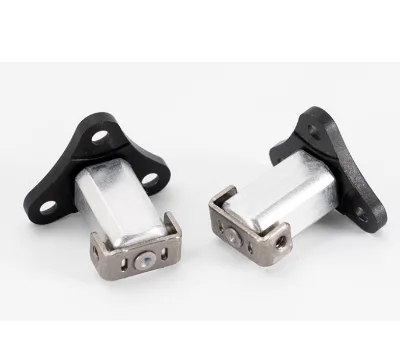
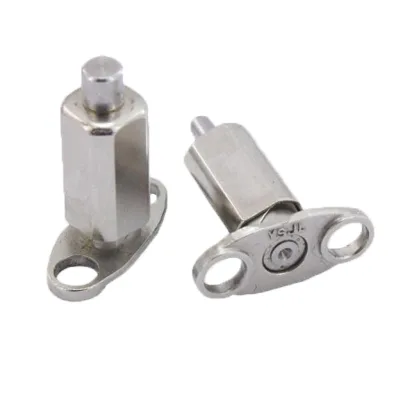
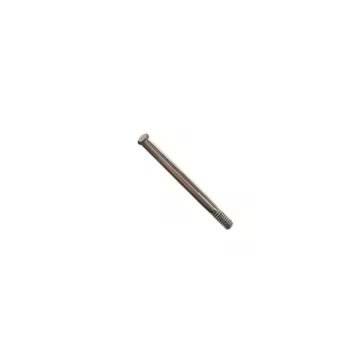
When sourcing a Drone Center Shaft Bolt, the primary objective is to identify components that balance structural integrity with minimal weight. The core function of this fastener is to secure the central hub of the drone, ensuring that the rotational forces generated by the motors are transmitted efficiently without compromising the airframe's stability. Based on available industry data, the material composition for such critical components often includes Aluminum, Steel, Brass, Copper, Nylon, Plastic, or various Alloys. Aluminum is frequently selected for its high strength-to-weight ratio, which is essential for maintaining flight endurance, while Steel or Alloy options may be preferred for applications requiring higher tensile strength under extreme stress.
The manufacturing process for these bolts is predominantly CNC Milling, a method that allows for the high precision required in aerospace and drone applications. This machining technique ensures that the geometric tolerances are maintained within strict limits. For high-performance drone components, a tolerance of +/- 0.02mm is often observed as a benchmark for critical dimensions. This level of precision is vital to prevent vibration issues that could lead to flight instability or premature wear on the motor bearings. Furthermore, the surface treatment plays a significant role in the component's longevity. Common finishes include Anodizing, which provides a protective oxide layer against corrosion, and Powder Coating, which offers additional durability and aesthetic customization. Other surface processes such as Sand Blasting, PVD (Physical Vapor Deposition), and Natural Color finishes are also available depending on the specific operational environment.
The physical attributes of the bolt must align with the specific drone model. For instance, a typical specification might involve a compact form factor, such as dimensions around 82405mm for the overall assembly or specific bolt geometry, though the exact dimensions must be verified against the drone's design blueprints. The weight of the component is another critical factor; a reference weight of approximately 78g for a related assembly highlights the need for lightweight materials to maximize battery life. Buyers should also consider the color options, which typically range from Black or Grey to fully Customized finishes, depending on the manufacturer's capabilities and the buyer's branding requirements.
Compliance, Certification, and Standard Adherence
Ensuring that the Drone Center Shaft Bolt meets international and industry-specific standards is a non-negotiable aspect of the procurement process. The supply chain for these components often adheres to a variety of recognized standards, including GB (Chinese National Standards), EN (European Norms), JIS (Japanese Industrial Standards), and specific industry codes like API650 or the China GB Code. Additionally, the Tema standard may be relevant depending on the specific application or regional requirements. Compliance with these standards ensures that the manufacturing process and the final product meet established safety and quality benchmarks.
Certification status is another critical verification point. While specific certification data for every individual bolt may vary, the broader manufacturing facility often holds ISO certification, which indicates a commitment to quality management systems. Buyers must verify that the supplier's ISO certification is current and relevant to the specific type of manufacturing being performed. It is important to note that while some products may claim compliance with specific standards, the actual verification of these claims requires direct engagement with the supplier and review of their documentation.
The application of the Drone Center Shaft Bolt can vary significantly, ranging from general LED lighting parts to specialized Low Altitude Security Control systems. In security applications, the bolt may need to support detection functions or integrate with wireless transmission modes. For outdoor applications, the component must withstand environmental stressors, which reinforces the need for robust surface treatments like Anodisation or PVD. The working principle of the drone system, whether passive or active, and the transmission mode, such as wireless alarm or signal transmission, can also influence the material and design requirements of the bolt. Buyers should ensure that the supplier understands the specific operational context of the drone to provide a component that meets the necessary functional and safety criteria.
Cost Drivers and Pricing Dynamics
The pricing of drone center shaft bolts is influenced by a complex array of factors, including material costs, manufacturing complexity, order volume, and customization requirements. The observed price range in the market can be extremely broad, spanning from as low as $0.01 to as high as $200,000. This vast disparity is not indicative of a single product but rather reflects the diversity of the market, ranging from simple, mass-produced fasteners to highly specialized, custom-engineered components for high-end security or industrial drones.
Several key drivers contribute to the final unit price. First, the choice of material is a primary cost factor. Precious metals or high-grade alloys will naturally command a higher price than standard aluminum or plastic. Second, the level of customization plays a significant role. While standard parts may be available at lower costs, custom designs requiring specific drawings, unique tolerances, or specialized surface treatments will incur additional engineering and setup fees. The supplier's capability to produce according to specific drawings and offers is a common feature, but this service often comes with a premium.
Order volume is another critical determinant of cost. The Minimum Order Quantity (MOQ) typically ranges from 1 to 2000 units, with a common benchmark of 100 pieces. Purchasing in larger quantities often results in a lower unit price due to economies of scale in mass production. However, for prototyping or small-batch needs, suppliers may accept lower MOQs at a higher per-unit cost. The lead time, which typically ranges from 10 to 15 days, can also impact pricing. Rush orders or expedited shipping may incur additional charges.
It is essential for buyers to understand that the unit price displayed in catalogs or online listings is often for reference only. The actual cost may vary based on the specific configuration, material selection, and volume. Buyers should request detailed quotations that break down the costs associated with materials, machining, surface treatment, and packaging. Additionally, the scrap rate, which is typically between 1% and 2%, should be factored into the overall cost analysis, as it represents the material waste inherent in the manufacturing process.
Typical Applications and Functional Integration
Drone center shaft bolts are integral to a wide range of applications, each with its own unique set of requirements. In the realm of LED lighting, these bolts serve as mounting points for lighting fixtures, ensuring stability and proper alignment. In more specialized sectors, such as Low Altitude Security Control, the bolts are part of a larger system designed for detection and surveillance. In these contexts, the bolt must not only provide mechanical strength but also integrate seamlessly with other system components, such as wireless transmission modules or electromagnetic sensors.
The functional role of the bolt extends beyond simple fastening. In some advanced systems, the bolt may be part of a quick-release mechanism, allowing for rapid deployment or maintenance of the drone. This feature is particularly valuable in scenarios where time is of the essence, such as emergency response or rapid security deployment. The working mode of the system, whether passive or active, and the working principle, such as electromagnetic operation, can influence the design and material selection of the bolt.
For outdoor applications, the bolt must be capable of withstanding harsh environmental conditions, including exposure to moisture, dust, and temperature fluctuations. This requirement underscores the importance of high-quality surface treatments and durable materials. The alarm volume and signal transmission capabilities of the drone system may also dictate the need for specific bolt designs that do not interfere with the acoustic or electromagnetic properties of the device.
Supplier Evaluation and Factory Capabilities
Selecting the right supplier is crucial for ensuring the quality and reliability of the Drone Center Shaft Bolt. Buyers should evaluate potential suppliers based on their production capabilities, quality control measures, and willingness to engage in the procurement process. A key indicator of a reliable supplier is their ability to offer customization services, including the production of samples according to specific drawings and the provision of various file formats such as STEP, STP, XT, IGS, DXF, DWG, and PDF.
Factory visits are a valuable opportunity for buyers to assess the supplier's capabilities firsthand. Many suppliers welcome factory visits, allowing buyers to observe the manufacturing process, inspect the equipment, and verify the quality control measures in place. This transparency can help build trust and ensure that the supplier is capable of meeting the buyer's specific requirements.
The supplier's location is another factor to consider. Many manufacturers are based in industrial hubs such as Shenzhen, Guangdong, which are known for their advanced manufacturing capabilities and supply chain efficiency. However, buyers should also consider the logistics and lead times associated with sourcing from different locations. The production type, whether mass production or small-batch, should align with the buyer's volume requirements. Additionally, the availability of after-sales service, which may depend on the specific parts supplied, is an important consideration for long-term procurement.
Quality Control and Long-Term Procurement Strategies
Maintaining high quality standards throughout the procurement process is essential for the successful operation of drone systems. Quality control measures should include rigorous inspection of the raw materials, monitoring of the machining process, and thorough testing of the finished products. The scrap rate, typically ranging from 1% to 2%, should be closely monitored to ensure that the manufacturing process is efficient and that waste is minimized.
Buyers should also consider the warranty and after-sales service provided by the supplier. A warranty period of 180 days is common, offering protection against defects and ensuring that the supplier stands behind the quality of their products. After-sales service, which may depend on the specific parts supplied, is crucial for addressing any issues that may arise after the initial purchase.
For long-term procurement, buyers should establish a strategic partnership with their supplier. This involves clear communication of requirements, regular quality audits, and a commitment to continuous improvement. By working closely with the supplier, buyers can ensure that the drone center shaft bolts meet their evolving needs and maintain the high standards required for safe and reliable drone operations. The ability to customize the product, such as choosing specific colors or finishes, and the availability of various packaging options, including EPE, plastic bags, bubble bags, or custom packages, further enhance the flexibility of the procurement process.
FAQs
What materials are used for drone center shaft bolts?
Common materials include Aluminum, Steel, Brass, Copper, Nylon, Plastic, and various Alloys. Aluminum is often selected for its strength-to-weight ratio, while Steel or Alloy options provide higher tensile strength for extreme stress applications.
Can these bolts be customized to specific drawings?
Yes, customization is available and samples are produced according to your specific drawings. Suppliers accept various file formats such as STEP, STP, XT, IGS, DXF, DWG, and PDF for accurate production of custom designs.
What is the typical lead time for production?
The standard lead time is about 10 to 15 days for most orders. This duration applies to mass production runs, though rush orders or specific customization requirements may influence the final delivery schedule.
Which surface treatments are available for these components?
Available finishes include Anodizing, Powder Coating, Sand Blasting, PVD, and Natural Color options. These treatments protect against corrosion and enhance durability, especially for outdoor applications requiring resistance to environmental stressors.
What is the minimum order quantity for these parts?
The typical minimum order quantity is 100 pieces, though ranges from 1 to 2000 are observed. Lower quantities may be accepted for prototyping, but larger volumes often result in better unit pricing due to economies of scale.
Do these products come with a warranty?
A standard warranty of 180 days is typically provided for these components. After-sales service depends on the specific parts supplied, so buyers should verify service terms directly with the supplier for long-term procurement.
Where are these manufacturers located?
Many manufacturers are based in Shenzhen, Guangdong, China. This location is a known industrial hub offering advanced manufacturing capabilities and efficient supply chain logistics for sourcing these precision components.