Source Dry Ice Low Fog Machine for Weddings Parties Events
Find 30 Dry Ice Low Fog Machine options from verified suppliers in Guangdong, China. Compare models like the DIM-6000 and DIM-3500 with varying power and coverage to select the right unit for stage shows, discos, and weddings.
Key considerations
Products List
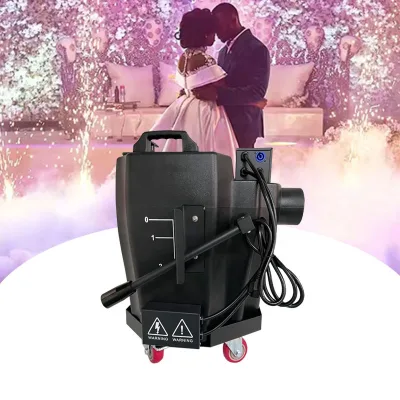
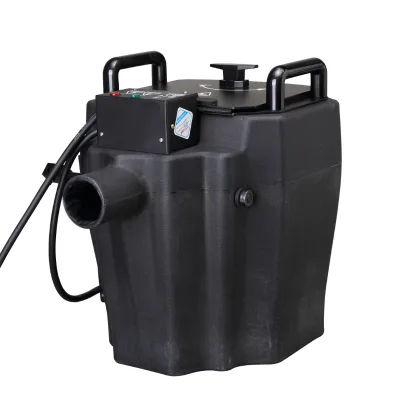
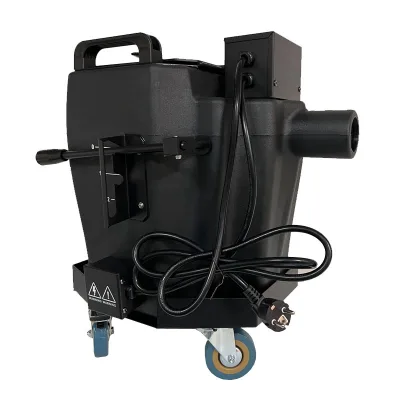
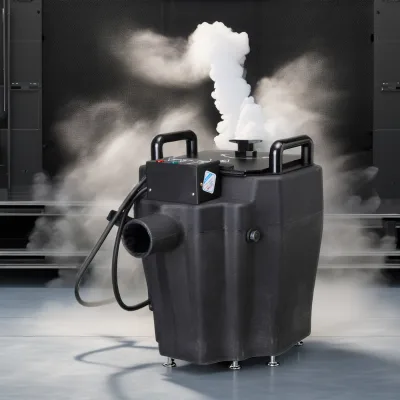


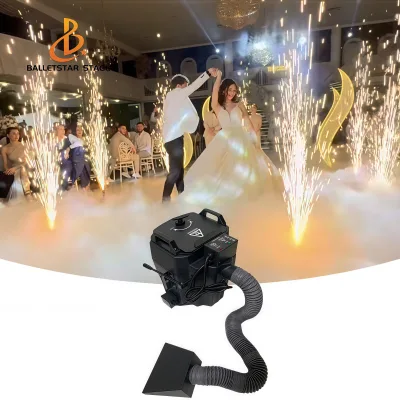
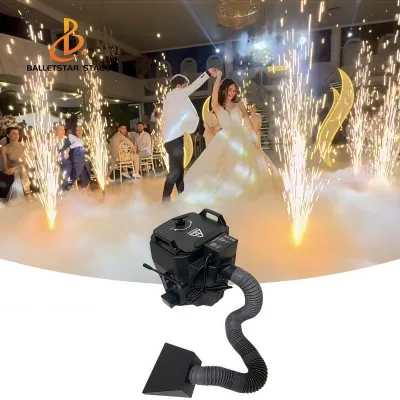


Dry Ice Machine Blasting Dry Ice Cleaning Machine Dry Ice Machine Fog
$5000.00 - $12000.00
MOQ: 1 Pieces


Dry Ice Blasting Machine Price Dry Ice Making Machine CO2 Dry Ice Smoke Machine
$5000.00 - $8000.00
MOQ: 1 Pieces

Dry Ice Portable Machine Dry Ice Maker Machine Dry Ice Making Machine CO2
$5000.00 - $8000.00
MOQ: 1 Pieces


Popular Benfu Industrial Dry Ice Blasting Machine Dry Ice Fog Making Machine
$4500.00 - $7500.00
MOQ: 1 Sets


Solid State Carbon Dioxide Machine Dry Ice Making Machine Used for Food industrial
$3500.00 - $19800.00
MOQ: 1 Sets

50kg Per Hour Dry Ice Making Machine with Good Price Used for Equipment Cleaning
$4500.00 - $7500.00
MOQ: 1 Sets
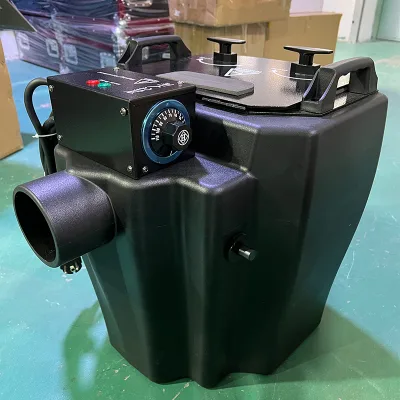


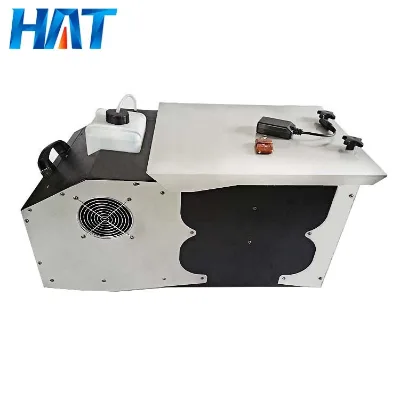
Comprehensive Sourcing Guide
Dry Ice Low Fog Machine Sourcing Guide
Procuring dry ice low fog machines requires a precise understanding of the equipment’s unique operational mechanics, which differ significantly from standard atmospheric fog or haze units. These machines are designed to generate dense, ground-hugging fog by sublimating solid dry ice into carbon dioxide gas, creating a visual effect that remains close to the floor for extended periods. This specific behavior makes them ideal for stage performances, weddings, and large-scale events where a low-lying visual layer is desired. Buyers must recognize that the core value proposition lies in the machine’s ability to produce heavy, cold fog that does not rise quickly, thereby enhancing the atmospheric depth of any venue.
The sourcing landscape for these devices is characterized by a mix of manual control systems and varying power outputs, which directly influence the density and coverage area of the fog produced. Unlike automated haze machines that rely on heating fluids, dry ice foggers require a steady supply of solid dry ice and often feature robust heating elements to accelerate sublimation. Consequently, procurement decisions must account for the logistical requirements of dry ice storage and replenishment at the event site. Understanding these operational nuances is essential for selecting a unit that matches the scale of the event and the technical capabilities of the venue’s power infrastructure.
Product Scope and Observed Listing Signals
Current market listings indicate a diverse range of models, with observed prices spanning from approximately $141.80 to $19,800, reflecting significant variations in build quality, power output, and brand positioning. The minimum order quantities (MOQ) are generally low, ranging from 1 to 2 units, which suggests that the market is accessible for both individual event organizers and small-scale rental companies. This accessibility allows buyers to test specific models without committing to large inventory purchases, although it also implies that economies of scale may be limited for bulk procurement. Buyers should carefully evaluate whether the lower price points correspond to entry-level units with basic features or if they represent genuine value propositions from established manufacturers.
Observed product attributes highlight two primary power tiers: 3500W and 6000W models, each catering to different coverage requirements. The 3500W units are often associated with coverage areas around 150 square meters, while the 6000W variants claim coverage up to 200 square meters, indicating a direct correlation between power consumption and effective fog dispersion. Additionally, listings frequently mention specific model numbers such as DIM-3500 and DIM-6000, which serve as key identifiers for technical verification. Buyers must verify that the listed coverage areas are realistic for their specific venue dimensions, as environmental factors like air currents and ceiling height can significantly impact the actual performance of the low-lying fog effect.
Technical Specifications to Verify
Voltage compatibility is a critical technical specification that must be verified before purchase, as units are available in both 110V and 220V configurations, often supporting 50/60Hz frequencies. The observed listings indicate that many models are dual-voltage capable, but buyers must confirm the specific plug types available, such as US, European, or Australian plugs, to ensure seamless integration with local power sources. Mismatched voltage requirements can lead to equipment failure or safety hazards, so it is imperative to match the machine’s electrical specifications with the venue’s power supply. Additionally, the power source is consistently listed as AC, with no battery options, meaning the machine requires a continuous and stable electrical connection during operation.
Physical dimensions and weight are also essential considerations for logistics and setup efficiency. Observed specifications show single package sizes ranging from approximately 47x37x49 cm to 58x55x56 cm, with gross weights varying from 12.8 kg to 28 kg depending on the model. These dimensions impact transportation costs and the ease of handling the equipment at event sites, particularly for venues with limited access or strict load-bearing restrictions. Buyers should also note the warm-up time, which is typically around 10 minutes, to plan the operational timeline accordingly. Ensuring that the machine’s physical footprint and weight align with the logistical constraints of the event is crucial for smooth execution.
Compliance and Safety Documentation
Safety certifications are a mandatory requirement for any electrical equipment used in public events, and buyers should prioritize machines that carry recognized compliance marks. Observed listings for certain models indicate the presence of CE and RoHS certifications, which suggest adherence to European health, safety, and environmental protection standards. However, buyers must verify the validity of these certifications with the supplier, as certification status can vary between different models or production batches. It is advisable to request copies of the certification documents to ensure that the specific unit being purchased meets the regulatory requirements of the destination country.
The protection grade of the machine is another critical safety factor, with some listings specifying an IP33 rating. This rating indicates a level of protection against solid objects larger than 2.5 mm and water spray from any direction, which is relevant for stage environments where equipment may be exposed to incidental moisture or debris. Buyers should assess whether the IP rating is sufficient for the intended application, especially if the machine will be used in outdoor settings or areas with high humidity. Additionally, the material composition, often listed as ABS plastic, should be evaluated for durability and heat resistance, as the machine’s heating elements can generate significant thermal energy during operation.
Cost Drivers and Commercial Terms
The cost of dry ice low fog machines is influenced by several factors, including power output, build quality, and the inclusion of additional features such as remote control or automated monitoring. Higher wattage models, such as the 6000W variants, typically command higher prices due to their increased energy consumption and enhanced fog production capabilities. Buyers should also consider the cost of consumables, specifically dry ice, which is a recurring expense. Observed data indicates a fuel consumption rate of approximately 9 minutes per liter of dry ice, which can help estimate operational costs for extended events. Understanding these ongoing expenses is vital for budgeting and ensuring the long-term viability of the equipment.
Warranty terms and after-sales support are significant components of the commercial agreement, with many suppliers offering a one-year warranty. Buyers should clarify the scope of this warranty, including whether it covers parts, labor, and shipping costs for repairs. Additionally, the availability of spare parts and technical support should be assessed to minimize downtime in case of equipment failure. Customization options are also available for some models, allowing buyers to tailor the machine to specific requirements, such as branding or specialized control interfaces. These customization services may incur additional costs but can enhance the machine’s suitability for branded events or specific operational needs.
Supplier Qualification and Quality Control
Supplier qualification is a critical step in the procurement process, requiring buyers to verify the manufacturer’s reputation and production capabilities. Observed listings indicate that many suppliers are located in Guangdong, China, a region known for its manufacturing expertise in electronic and stage equipment. Buyers should conduct due diligence to assess the supplier’s experience in producing dry ice fog machines, including their track record with similar products and their ability to meet quality standards. Requesting references or case studies from previous clients can provide valuable insights into the supplier’s reliability and the performance of their equipment in real-world scenarios.
Quality control measures should be established to ensure that the delivered machines meet the specified technical requirements. Buyers should consider implementing pre-shipment inspections to verify that the machines function correctly, including checks on voltage compatibility, heating elements, and fog output. Additionally, testing the machine’s warm-up time and coverage area can help confirm that it performs as advertised. Establishing clear quality criteria and communication channels with the supplier is essential for resolving any issues that may arise during the inspection process. This proactive approach helps mitigate risks and ensures that the procurement process results in reliable and high-performing equipment.
Long-Term Procurement Checks
Long-term procurement success depends on the ability to monitor equipment performance and maintain operational efficiency over time. Buyers should establish a routine maintenance schedule that includes cleaning the heating elements, checking for wear and tear on electrical components, and ensuring that the machine’s casing remains intact. Regular maintenance can extend the lifespan of the equipment and prevent unexpected failures during critical events. Additionally, keeping a record of maintenance activities and any repairs performed can help identify recurring issues and inform future purchasing decisions.
Feedback from event staff and technical operators is invaluable for assessing the practical usability of the dry ice fog machines. Buyers should gather insights on the ease of setup, the reliability of the fog output, and the overall user experience to identify areas for improvement. This feedback can be used to refine procurement specifications for future purchases, ensuring that the selected machines better meet the operational needs of the organization. By continuously evaluating and adapting procurement strategies, buyers can optimize their investment in dry ice low fog machines and enhance the quality of their event productions.
FAQs
What is the power consumption of the Dry Ice Low Fog Machine?
The machine operates at 6000 watts or 3500 watts depending on the specific model selected. These units require an AC power source and are available in 110V or 220V configurations to suit different regional electrical standards.
How long does the warm-up time take for this fog machine?
The device requires approximately 10 minutes to reach full operational temperature before fog production begins. This warm-up period ensures the dry ice is properly processed for optimal low-lying smoke output during events.
Which certifications are available for the Dry Ice Low Fog Machine?
The product carries CE and RoHS certifications to ensure compliance with safety and environmental standards. These certifications indicate the machine meets specific regulatory requirements for electrical equipment used in various international markets.
Can the Dry Ice Low Fog Machine be customized for specific needs?
Yes, customization is available for this Dry Ice Low Fog Machine to meet specific buyer requirements. Buyers can request tailored specifications while the standard models offer manual control and various plug types for global use.
What is the coverage area for the Dry Ice Low Fog Machine?
The coverage area ranges from 150 square meters to 200 square meters depending on the model configuration. This capacity allows the machine to effectively cover large stages, wedding venues, or party halls with low-lying smoke effects.
How much does the Dry Ice Low Fog Machine weigh?
The net weight varies between 12.8 kilograms and 28 kilograms based on the specific model and tank capacity. The gross weight for shipping is approximately 13 kilograms or 28 kilograms, reflecting the solid dry ice fuel and unit construction.