Source Dry Shotcrete Construction Pump Motor for tunnels, buildings, and slopes
Find 30 Dry Shotcrete Construction Pump Motor options from verified suppliers. Compare models like HBT9018K and KMB series with varying power ratings and conveying distances for building mortar spraying and tunnel projects.
Key considerations
Products List

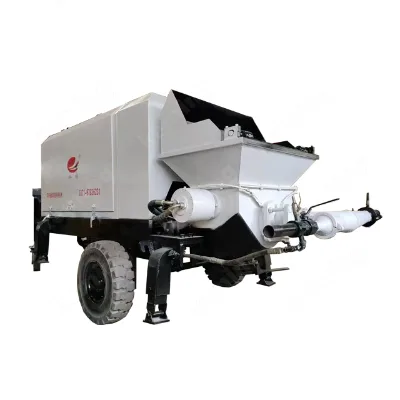
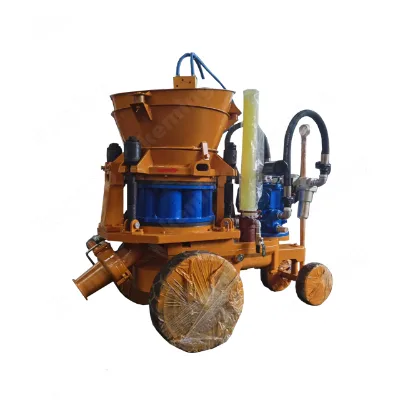
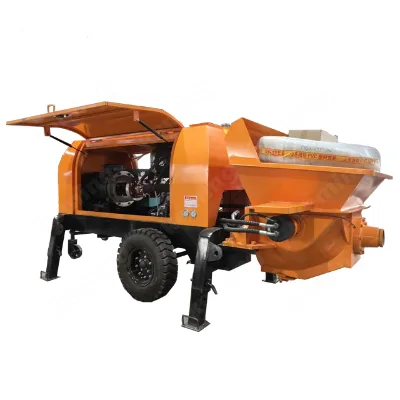
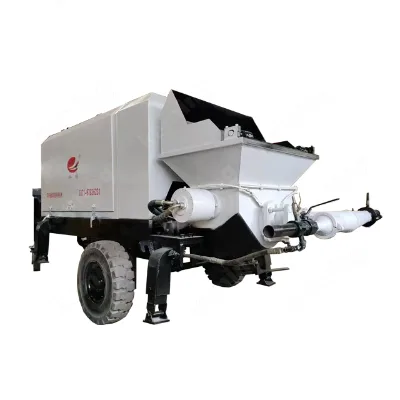
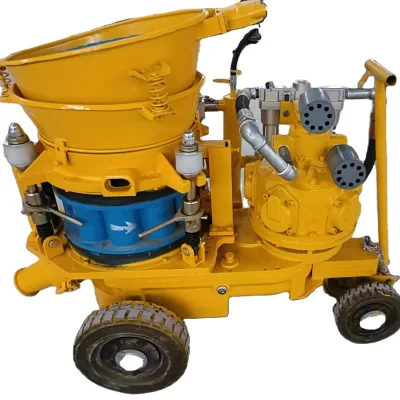


Accessory Service, Construction Diesel Engine Concrete Pump for Floor Screed Shotcrete Pump
$6100.00 - $6500.00
MOQ: 1 Pieces

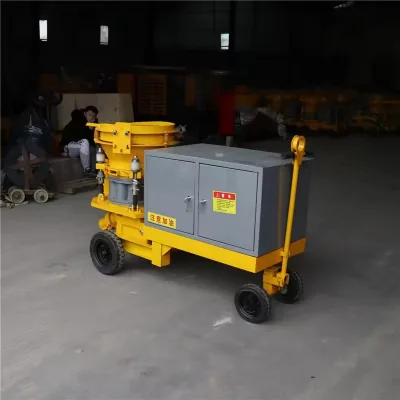
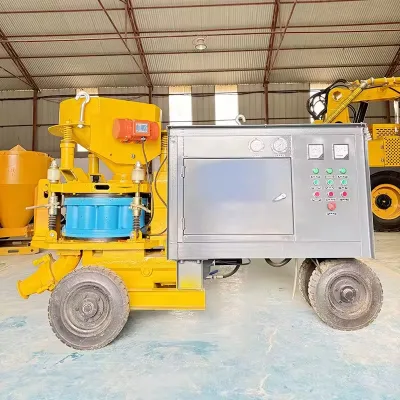

7m3 Capacity Dry Type Shotcrete Machine for Construction China Dry Shotcrete Equipment
$1990.00 - $2460.00
MOQ: 1 Pieces


Small Portable Dry Shotcrete Machine Wet Mix Concrete Spraying Shotcrete Machine Pump
$1990.00 - $2460.00
MOQ: 1 Pieces


Comprehensive Sourcing Guide
Dry Shotcrete Construction Pump Motor Sourcing Guide
Procuring a Dry Shotcrete Construction Pump Motor requires a nuanced understanding of the intersection between hydraulic power transmission and concrete placement mechanics. The core keyword highlights a specific component within a larger system, yet the market data indicates that buyers often encounter complete units rather than isolated motors. This guide synthesizes observed listing signals and technical attributes to help procurement specialists navigate the complexities of sourcing wet and dry shotcrete equipment, ensuring that the motor selection aligns with the broader operational requirements of the pump system.
The distinction between wet and dry shotcrete technologies is fundamental to motor sizing and application. Wet shotcrete machines, as observed in the current market, utilize hydraulic processes to convey mixed concrete, requiring robust motors capable of sustaining high torque under variable loads. In contrast, dry shotcrete applications, such as building mortar spraying, demand motors that can handle the rapid injection of dry materials mixed with water at the nozzle. Understanding this dichotomy is essential for verifying that the motor’s power output matches the specific conveying distance and vertical lift requirements of the project site.
Product Scope and Observed Listing Signals
The current market landscape for shotcrete equipment reveals a diverse range of product configurations, with observed listings spanning from compact units to large-scale industrial machines. Buyers will encounter products labeled as concrete mixers, dry shotcrete machines, and complete pump systems, often under various model designations such as the HBT9018K or KMB series. These variations suggest that the "motor" is rarely sold in isolation but is integrated into a rotor-type structure or hydraulic system, necessitating a holistic evaluation of the entire unit’s compatibility with the intended construction task.
Listing signals indicate a strong prevalence of Chinese manufacturing origins, with brands like KeMing and Lich appearing in the supply chain. The observed price range of $1,500 to $99,950 USD reflects the vast disparity between small-scale mortar sprayers and high-capacity concrete pumps. Furthermore, the minimum order quantity (MOQ) is consistently observed at one unit, suggesting that suppliers are accustomed to selling individual machines to contractors or rental companies rather than bulk industrial orders. This single-item selling unit structure allows for flexible procurement but requires careful verification of the specific motor specifications included in each model.
Technical Specifications to Verify
When evaluating the motor for a dry shotcrete construction pump, the power rating is a critical parameter that must be cross-referenced with the machine’s productivity and conveying capabilities. Observed data shows power ratings ranging from 5.5 kW to 45 kW, with some units listing specific wattage values like 186/2100 or 22-45 KW. Buyers must verify that the motor’s electrical requirements, such as 380V/50Hz or customized voltages, match the site’s power infrastructure. Mismatched voltage or frequency can lead to motor failure or inefficient operation, particularly in international projects where electrical standards vary significantly.
The mechanical integration of the motor with the pump’s hydraulic or rotor system is equally important. Specifications such as a working capacity of 5 m³/h or a concrete delivery value of 115/60 M3/H indicate the volume of material the motor must drive. Additionally, the maximum horizontal and vertical conveying distances, observed at 70m and 20m respectively for some units, or up to 200m for others, dictate the pressure the motor must sustain. Buyers should confirm the core components, typically the motor and pump, are sourced from reputable manufacturers to ensure longevity and consistent performance under the high-stress conditions of shotcrete application.
Compliance and Safety Documentation
Certification is a primary indicator of compliance and safety in the shotcrete equipment market. The observed listings frequently cite CE and ISO certifications, which are essential for ensuring that the motor and the entire pump system meet international safety and quality standards. The CE mark, in particular, is a mandatory requirement for selling machinery within the European Economic Area, indicating that the product adheres to strict health, safety, and environmental protection standards. Buyers must request valid certification documents to verify that the motor’s electrical insulation, thermal protection, and mechanical safeguards are compliant with local regulations.
Beyond certifications, the documentation should include detailed operational manuals and warranty terms that specify the coverage for the motor and core components. The observed warranty period of one year is standard, but buyers should clarify whether this covers the motor specifically or if there are exclusions for wear-and-tear parts. Additionally, the availability of video outgoing-inspection services, as noted in some listings, provides a valuable verification step. This allows buyers to visually inspect the motor’s installation, wiring, and overall assembly before shipment, reducing the risk of receiving defective or non-compliant equipment.
Cost Drivers and Commercial Terms
The cost of a Dry Shotcrete Construction Pump Motor is influenced by several factors, including the motor’s power output, the complexity of the hydraulic system, and the level of customization available. Observed data shows that customization is available, allowing buyers to tailor the motor’s voltage, color, and potentially its mounting configuration to specific site requirements. However, customized orders may incur additional costs and longer lead times, which should be factored into the procurement budget and project schedule. Buyers should also consider the packaging type, with nude packages being common, which may affect shipping costs and the risk of damage during transit.
Commercial terms such as payment methods, shipping responsibilities, and after-sales support significantly impact the total cost of ownership. While specific prices are not universally fixed, the wide range observed suggests that buyers should negotiate based on the specific configuration and volume of the order. It is crucial to clarify whether the quoted price includes the motor, the pump, and any necessary accessories, as well as the cost of installation and commissioning. Buyers should also inquire about the availability of spare parts, particularly for the motor and pump, to ensure minimal downtime during maintenance and repairs.
Supplier Qualification and Quality Control
Supplier qualification is a critical step in ensuring the reliability of the Dry Shotcrete Construction Pump Motor. Buyers should verify the supplier’s manufacturing capabilities, including their production facilities and quality control processes. The observation that video outgoing-inspection is provided by some suppliers indicates a level of transparency and confidence in their quality control measures. Buyers should request detailed information about the supplier’s experience in manufacturing shotcrete equipment and their track record in delivering reliable products to international markets.
In addition to video inspections, buyers should consider conducting third-party quality control inspections before shipment. This is particularly important for high-value items like shotcrete pumps, where defects in the motor or hydraulic system can lead to significant project delays and financial losses. Buyers should also verify the supplier’s ability to provide technical support and training, ensuring that their operational staff can effectively maintain and operate the equipment. The availability of a warranty and the supplier’s responsiveness to service requests are key indicators of their commitment to long-term customer satisfaction.
Long-Term Procurement Checks
Long-term procurement success depends on the durability and maintainability of the Dry Shotcrete Construction Pump Motor. Buyers should assess the motor’s expected lifespan and the availability of replacement parts, such as bearings, seals, and electrical components. The observed weight of 500 kg for some units suggests that the motor is a substantial component, and its durability is crucial for sustained operation. Buyers should inquire about the motor’s thermal protection features and its ability to handle continuous operation without overheating, which is common in high-productivity shotcrete applications.
Furthermore, buyers should establish a relationship with the supplier for ongoing support and potential future purchases. This includes negotiating favorable terms for spare parts and technical assistance, which can reduce operational costs over the life of the equipment. Buyers should also monitor the supplier’s product updates and technological advancements, as improvements in motor efficiency and hydraulic design can enhance the performance of the shotcrete pump. By maintaining a proactive approach to supplier management, buyers can ensure that their Dry Shotcrete Construction Pump Motor remains a reliable and efficient asset for their construction projects.
FAQs
What is the maximum vertical conveying distance for this machine?
The maximum vertical conveying distance is 20 meters. This capacity allows the dry shotcrete machine to effectively reach elevated construction zones while maintaining consistent material flow and pressure stability during operation.
Which certifications does the concrete mixer hold?
The product holds CE and ISO certifications. These standards verify that the equipment meets international safety and quality requirements, ensuring reliable performance for wet shotcrete applications in various global construction environments.
Can the machine be customized for specific voltage requirements?
Yes, customization is available for voltage requirements. The standard voltage is 380V, but the system supports 440V and 220V options to accommodate different electrical infrastructure standards found in various international project sites.
What is the hourly productivity rate of the rotor type structure?
The productivity rate reaches 240 cubic meters per hour. This high output is achieved through the hydraulic machining process and rotor type structure, making it suitable for large-scale building mortar spraying projects.
How long is the warranty period for the core components?
The warranty period is one year for the core components. This coverage includes the motor and pump, providing assurance against manufacturing defects and ensuring operational reliability during the initial phase of project deployment.
What is the maximum horizontal conveying distance capability?
The maximum horizontal conveying distance is 70 meters. This range enables efficient material transport across large construction sites without requiring intermediate transfer points, thereby improving overall workflow efficiency and reducing setup time.
Which model series is available for this dry shotcrete machine?
Available model series include HBT9018K, KMB series, KPZ series, and KBS. These models vary in dimensions and specifications to suit different aggregate sizes and project requirements while maintaining high operating efficiency.