Source Duplex Multimode Fiber Optical Connector for Data Centers, LANs, and FDDI
Find 30 Duplex Multimode Fiber Optical Connector options from verified suppliers. Compare LC and SC models with multimode transmission, APC and PC endfaces, and various certifications for network equipment and fiber distribution frames.
Key considerations
Products List


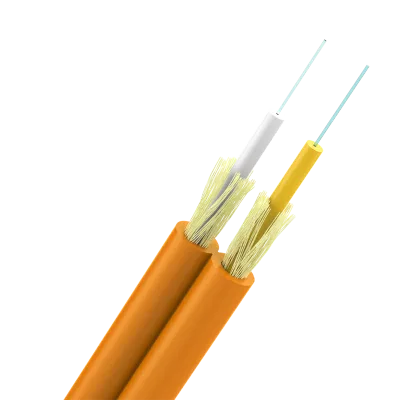


$0.44 - $0.50
MOQ: 200 Pieces

$0.44 - $0.50
MOQ: 200 Pieces


Comprehensive Sourcing Guide
Duplex Multimode Fiber Optical Connector Sourcing Guide
Product Scope and Observed Listing Signals
The market for duplex multimode fiber optical connectors presents a diverse array of components, ranging from simple adapters to complex quick-connect assemblies. Buyers will observe listings that specify the connection structure as an LC adapter, which is a prevalent choice for high-density applications due to its compact form factor. These components are often categorized under broader product models such as LC Optical Fiber Adapter or LC Fiber Optic Connector, indicating that the supply chain supports both standalone coupling devices and integrated connector assemblies. The presence of multi-core configurations in some listings suggests that procurement teams must carefully distinguish between single duplex pairs and more complex multi-fiber arrangements to ensure compatibility with existing patch panel infrastructure.
Visual and structural attributes vary significantly across suppliers, with rectangular shapes being common for LC-style interfaces, while circular and square shapes appear in other connector types like SC or ST variants. This diversity requires buyers to verify the physical geometry of the ferrule endface, as options include APC (Angled Physical Contact) and PC/UPC (Physical Contact/Ultra Physical Contact) finishes. The transmission medium is explicitly identified as multimode in many listings, which is critical for short-reach data center and enterprise network applications. However, some listings also reference single-mode transmission, necessitating a rigorous review of the product model to avoid mixing incompatible fiber types in a single deployment.
Technical Specifications to Verify
Verifying the connector type and standard is the first step in ensuring technical compatibility. Listings frequently reference SC/PC Simplex Parts, LC 2.0mm Duplex MM Parts, and ST/PC Simplex Parts, highlighting the need to match the connector interface to the specific port requirements of the network equipment. The ferrule endface polish type is a critical differentiator; APC connectors typically feature a green housing and an 8-degree angle to minimize back reflection, while PC and UPC connectors are usually blue and designed for lower insertion loss in standard digital applications. Buyers must confirm whether the product is a simplex or duplex configuration, as the latter involves two fibers aligned in a single housing, which is essential for bidirectional communication links.
The fabrication process and material composition also play a vital role in performance longevity. Injection molding is a common fabrication method for the connector housing, which ensures consistent dimensions and robust mechanical strength. The number of cores or conductors can vary, with some products supporting single-core configurations while others offer multi-core or even high-conductor counts exceeding ten. Additionally, the shape of the connector body—whether rectangular, circular, or square—must align with the strain relief and cable management systems in use. Buyers should also check for specific model numbers such as Duplex or Quick Connector variants, as these indicate specialized features like tool-less installation or pre-terminated assembly options that can impact deployment speed.
Compliance and Safety Documentation
Regulatory compliance is a non-negotiable aspect of sourcing fiber optic components, particularly for projects involving international shipping or strict industry standards. Many suppliers provide certifications such as RoHS, ISO9001, and UL, which indicate adherence to environmental safety, quality management systems, and electrical safety standards. In some cases, additional certifications like CCC and CE are present, which are particularly relevant for products destined for the Chinese and European markets, respectively. These certifications serve as a baseline assurance that the manufacturing processes and materials used do not contain hazardous substances and meet recognized quality benchmarks.
Beyond product-specific certifications, buyers should verify the origin of the components, as this can influence supply chain resilience and regulatory alignment. Products are frequently listed as originating from China, with specific manufacturing hubs identified in regions like Guangdong and Ningbo. While these regions are known for their robust electronics manufacturing ecosystems, buyers should ensure that the supplier can provide valid documentation for each batch. The condition of the product is typically listed as "New," but it is prudent to request batch-specific compliance certificates rather than relying solely on general supplier claims. This due diligence helps mitigate risks associated with counterfeit components or non-compliant materials that could fail during rigorous network testing.
Cost Drivers and Commercial Terms
The pricing structure for duplex multimode fiber optical connectors is influenced by several factors, including the complexity of the connector design, the quality of the ferrule, and the volume of the order. Observed price ranges in the market can vary widely, from low-cost basic adapters to higher-priced precision connectors with advanced polishing. The minimum order quantity (MOQ) is another significant commercial term, with listings showing MOQs ranging from single units for sampling to tens of thousands for bulk procurement. Buyers should negotiate pricing tiers based on volume, as larger orders often benefit from economies of scale in injection molding and assembly processes.
Packaging and logistics also contribute to the total cost of ownership. Products are commonly packed in carton boxes or individual PCS units, which affects handling efficiency and protection during transit. For large-scale deployments, standardized packaging can reduce labor costs associated with unpacking and installation. Additionally, the selling unit is often listed as a single item, which simplifies inventory management but may require careful calculation of total quantities needed for a full rack or patch panel. Buyers should clarify whether the quoted price includes shipping, taxes, and any necessary accessories like dust caps or strain relief boots, as these can add up quickly in large orders.
Supplier Qualification and Quality Control
Selecting a reliable supplier requires a thorough evaluation of their manufacturing capabilities and quality control processes. Suppliers with OEM branding capabilities are often preferred for custom projects, as they can tailor connector designs to specific client requirements. The use of injection molding for fabrication suggests a capability for high-volume production with consistent quality, but buyers should still request samples to verify dimensional accuracy and mechanical durability. It is also important to assess the supplier’s ability to provide traceability for each batch, including information on the ferrule material and polishing process.
Quality control should extend beyond the final product to include incoming material inspections and in-process testing. Buyers should inquire about the supplier’s defect rate and their procedures for handling non-conforming products. While specific test results are not always publicly listed, reputable suppliers should be able to provide data on insertion loss, return loss, and repeatability for their connectors. Additionally, verifying the supplier’s experience in the fiber optic industry, particularly with duplex multimode products, can provide confidence in their technical expertise. Suppliers that offer comprehensive technical support and documentation are better positioned to assist with troubleshooting and integration challenges during deployment.
Long-Term Procurement Checks
Establishing a long-term procurement strategy involves regular audits of supplier performance and product consistency. Buyers should monitor key performance indicators such as on-time delivery, defect rates, and responsiveness to technical queries. Since the fiber optic market is dynamic, with new standards and technologies emerging regularly, it is essential to stay informed about industry trends and updates. This includes keeping abreast of changes in connector standards, such as the evolution of LC and SC interfaces, to ensure that current procurement decisions remain relevant for future network upgrades.
Furthermore, buyers should maintain a robust supplier relationship management system to facilitate continuous improvement. This includes conducting periodic reviews of supplier certifications and compliance status to ensure ongoing adherence to regulatory requirements. It is also advisable to diversify the supplier base to mitigate risks associated with supply chain disruptions. By maintaining a clear record of product specifications, performance data, and supplier interactions, buyers can make informed decisions that support the reliability and scalability of their fiber optic networks over the long term.
FAQs
What customization options are available for duplex multimode fiber optical connectors?
Customization is available for these connectors to meet specific project needs. The products support various configurations including LC and SC types with different ferrule endfaces like APC or PC. Buyers can request tailored solutions while maintaining standard certifications such as RoHS and ISO9001 for quality assurance.
Which certifications do duplex multimode fiber optical connectors typically hold?
These connectors commonly hold RoHS, ISO9001, UL, CCC, and CE certifications. Such certifications ensure compliance with international safety and environmental standards. Buyers should verify specific product listings to confirm which certifications apply to their chosen model and supplier.
How is the packaging handled for duplex multimode fiber optical connectors?
Packaging is typically done in carton boxes or individual PCS units depending on the order size. This ensures safe transport and protection of the delicate fiber components. The specific packing method may vary based on the supplier and the quantity ordered.
Can I find duplex multimode fiber optical connectors with single-core options?
Yes, single-core options are available alongside multi-core variants in the product range. The connectors support different transmission mediums including single-mode and multimode fibers. Buyers should check the specific model number to confirm the core configuration required for their application.
What is the origin of duplex multimode fiber optical connectors?
The products originate from China, specifically from regions like Guangdong and Ningbo. This location allows for efficient manufacturing and distribution of fiber optic components. Buyers can expect competitive pricing and reliable supply chains from these established industrial hubs.
Which shapes are available for duplex multimode fiber optical connectors?
Available shapes include rectangular, circular, and square designs to suit various installation environments. The structure often features LC adapters or similar connection types. Selecting the right shape depends on the specific equipment and space constraints of the network setup.
What is the minimum order quantity for duplex multimode fiber optical connectors?
The minimum order quantity ranges from 1 to 50,000 units depending on the supplier and product type. This flexibility allows both small-scale projects and large deployments to source efficiently. Buyers should confirm the specific MOQ with the vendor before placing an order.
Are duplex multimode fiber optical connectors suitable for communication applications?
Yes, these connectors are designed specifically for communication applications including fiber modules and network equipment. They are also compatible with fiber distribution frames and ODF wiring devices. Their robust construction ensures reliable performance in demanding network environments.