Source Durable Aluminum Alloy Angle Ruler for Engineering
Find and compare Durable Aluminum Alloy Angle Ruler options from verified suppliers. This collection includes 30 models with varying sizes, accuracies, and certifications to help you select the right precision measuring device for your specific industrial or educational needs.
Key considerations
Products List


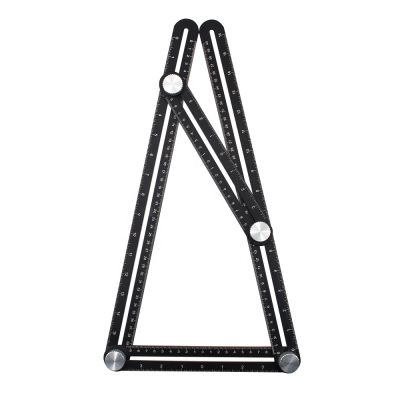
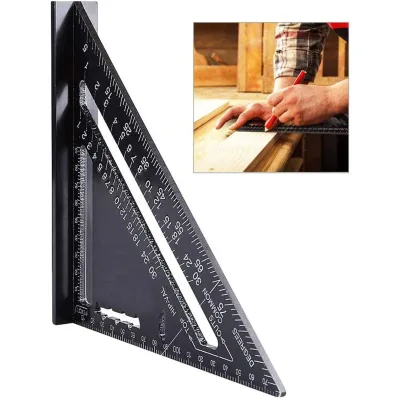
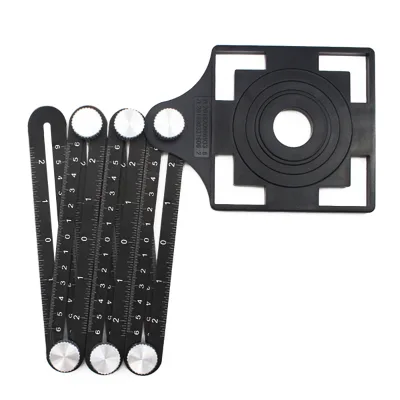


Comprehensive Sourcing Guide
Durable Aluminum Alloy Angle Ruler Sourcing Guide
Procuring durable aluminum alloy angle rulers requires a disciplined approach to verifying material integrity, dimensional accuracy, and compliance with international safety standards. These tools are essential for precision measurement in manufacturing, construction, and engineering environments where consistent length and angle verification are critical. Buyers must navigate a market characterized by varied model numbers, customizable specifications, and diverse certification requirements to ensure the selected instruments meet operational demands. This guide synthesizes observed listing signals and technical attributes to help procurement professionals make informed decisions without relying on unverified claims.
The following sections provide a structured framework for evaluating suppliers and products. By focusing on verifiable specifications such as material composition, accuracy ratings, and packaging standards, buyers can mitigate risks associated with inconsistent quality. The guidance emphasizes due diligence in supplier qualification and long-term performance checks, ensuring that the sourced angle rulers deliver reliable performance over their lifecycle. This approach aligns with best practices in B2B procurement, prioritizing evidence-based decision-making over marketing assertions.
Product Scope and Observed Listing Signals
The market for aluminum alloy angle rulers presents a wide range of product variations, as evidenced by the diverse model numbers and specifications observed in current listings. Models such as 03-03-T07120, 03-03-T07121, and MTE5029 indicate a high degree of customization and specialization among manufacturers. Buyers should note that while the core keyword specifies aluminum alloy, some listings also reference stainless steel or other materials, necessitating careful verification of the material composition before placing orders. The presence of models like "ruler 01" and "ULD-0718258" suggests that suppliers offer both standard and bespoke solutions, catering to specific industrial or commercial needs.
Observed listing signals reveal significant variability in packaging and origin, which can impact logistics and cost efficiency. Products are sourced from various regions in China, including Fujian and Zhejiang, with packaging options ranging from individual blister packs to carton boxes and paper boxes. The attribute "prod_packing: as Customers' Request" highlights the flexibility available in supply chain arrangements, allowing buyers to tailor packaging to their storage and distribution requirements. However, this customization potential also requires clear communication with suppliers to ensure that packaging standards align with the buyer’s quality control protocols and handling capabilities.
Technical Specifications to Verify
Accuracy and resolution are paramount when selecting angle rulers for precision tasks. Listings indicate accuracy ratings such as "B" and tolerances like "±0.1," alongside a resolution of 0.01mm for certain models. Buyers must verify these specifications against their operational requirements, as even minor deviations can compromise measurement integrity. The "Measure Method: Manual" attribute suggests that these tools are designed for direct human interaction, emphasizing the importance of ergonomic design and clear markings. It is crucial to confirm whether the stated accuracy applies to the entire length of the ruler or specific segments, as this can affect usability in different applications.
Dimensional standards and physical attributes also require close scrutiny. Some listings specify standards such as "300mm" or "180," while others offer customized sizes. The "Type: Straight Ruler" and "Type: Triangle Ruler" distinctions indicate that buyers should select the form factor that best suits their measurement geometry. Additionally, the "Folded: No" attribute for certain models clarifies that these are rigid instruments, which may offer greater stability compared to folding alternatives. Buyers should request detailed dimensional drawings or samples to verify that the physical dimensions, including thickness and width, match the intended use case, particularly for models with custom size attributes.
Compliance and Safety Documentation
Certification requirements vary significantly across suppliers, with some listing ISO, UL, CE, GB, ANSI, DIN, JIS, GS, and RoHS compliance. Buyers must verify which certifications are relevant to their target markets and regulatory environments. For instance, CE and RoHS are critical for products sold in the European Union, while UL and ANSI may be necessary for North American markets. The presence of multiple certifications in a single listing does not guarantee that every model meets all standards; therefore, buyers should request specific certification documents for the exact models they intend to purchase. This due diligence helps avoid compliance risks and ensures that the products meet local safety and environmental regulations.
Standardization practices also play a crucial role in ensuring product consistency. While some listings mention "Negotiate" as the standard, others reference specific industry standards like DIN or JIS. Buyers should clarify whether the supplier adheres to international standards for manufacturing and testing, as this can impact the reliability and interchangeability of the angle rulers. Additionally, the "Accuracy: B" rating suggests a classification system that buyers should understand in the context of their quality control processes. Engaging with suppliers to discuss their adherence to recognized standards can provide insights into their manufacturing capabilities and commitment to quality.
Cost Drivers and Commercial Terms
Pricing and minimum order quantities (MOQs) are key commercial factors that influence procurement decisions. The observed price range of $0.31 to $4.60 USD reflects significant variation based on model, material, and customization level. Buyers should analyze this range to identify cost drivers, such as the inclusion of specialized packaging or higher accuracy ratings. The MOQ range of 1 to 5000 units offers flexibility for both small-scale and bulk purchases, but buyers must consider how volume discounts and setup costs for customizations affect the total cost of ownership. Understanding these dynamics helps in negotiating favorable terms and aligning procurement volumes with demand forecasts.
Packaging and branding options also contribute to commercial terms. Attributes like "Brand Name: OEM Obm ODM" and "Customization: Available" indicate that suppliers can provide white-label or custom-branded products. While this adds value for buyers seeking to establish their own brand identity, it may involve additional costs or longer lead times. Buyers should clarify the implications of customization on pricing and production schedules. Furthermore, the "Selling Units: Single Item" attribute suggests that some suppliers offer flexible purchasing options, which can be advantageous for testing or low-volume needs. Clear communication regarding these terms ensures that both parties have aligned expectations regarding costs and delivery.
Supplier Qualification and Quality Control
Supplier qualification is essential to ensure consistent product quality and reliable service. Buyers should assess suppliers based on their manufacturing capabilities, quality control processes, and track record. The diversity of model numbers and customization options suggests that suppliers have flexible production lines, but buyers must verify that these capabilities do not compromise quality. Requesting samples and conducting independent testing can help validate the accuracy and durability of the angle rulers. Additionally, buyers should inquire about the supplier’s quality management systems, such as ISO certification, to ensure that they adhere to recognized standards for production and inspection.
Quality control measures should be integrated into the procurement process to mitigate risks. Buyers should establish clear acceptance criteria based on the verified specifications, such as accuracy, material composition, and dimensional standards. Regular audits or third-party inspections can provide additional assurance of product quality. Furthermore, buyers should maintain open communication with suppliers to address any issues promptly and ensure continuous improvement. By prioritizing supplier qualification and robust quality control, buyers can build a reliable supply chain that supports their operational needs and minimizes disruptions.
Long-Term Procurement Checks
Long-term procurement success depends on ongoing monitoring and evaluation of supplier performance. Buyers should establish key performance indicators (KPIs) to track metrics such as delivery times, product quality, and responsiveness to issues. Regular reviews of these metrics can help identify trends and areas for improvement, enabling proactive management of the supply chain. Additionally, buyers should stay informed about changes in industry standards and regulations that may impact product compliance. This vigilance ensures that the sourced angle rulers continue to meet evolving market requirements and maintain their value over time.
Relationship management with suppliers is also crucial for long-term procurement stability. Building strong partnerships based on mutual trust and clear communication can lead to better pricing, priority service, and collaborative innovation. Buyers should engage in regular dialogues with suppliers to discuss future needs, potential improvements, and market trends. By fostering these relationships, buyers can secure a competitive advantage and ensure a steady supply of high-quality angle rulers. Continuous evaluation and relationship management are key to sustaining procurement effectiveness and achieving long-term business objectives.
FAQs
What materials are used for durable aluminum alloy angle rulers?
Durable aluminum alloy angle rulers are constructed from aluminum alloy materials to ensure strength and longevity. Some variants may also utilize stainless steel for specific precision requirements. The material choice depends on the specific model and intended application for measuring length.
Can these rulers be customized for specific measurement needs?
Yes, customization is available for these precision measuring devices to meet unique buyer requirements. Buyers can request specific packing methods or dimensions tailored to their projects. The standard models offer flexibility while maintaining high precision for length measurement tasks.
Which certifications do these measuring devices typically hold?
These devices often hold multiple certifications including ISO, CE, UL, and RoHS to ensure quality and safety. Specific models may also comply with GB, ANSI, DIN, or JIS standards depending on the manufacturer. Buyers should verify the exact certification list for each product model before ordering.
How is the accuracy of these aluminum rulers defined?
The accuracy of these rulers is generally defined with a precision of 0.01mm for high-end models. Some standard variants may have an accuracy of plus or minus 0.1mm depending on the specific type. The measurement method is typically manual, requiring careful handling to maintain precision.
What are the standard sizes available for these rulers?
Standard sizes include 300mm, 180mm, and 10-inch (250mm) options for various measuring tasks. Customized sizes are also available to suit specific project dimensions. The folded status is typically no for straight rulers, ensuring a flat surface for accurate measurements.
Where are these aluminum alloy rulers manufactured?
These rulers are primarily manufactured in China, with specific production hubs in Fujian and Zhejiang provinces. The origin location ensures access to established manufacturing capabilities for precision instruments. Buyers can expect products to originate from these key industrial regions in China.
What packaging options are offered for these measuring tools?
Packaging options include cartons, paper boxes, and blister packs depending on the specific product model. Buyers can also request custom packing arrangements to suit their logistics needs. Each item is typically packed individually to prevent damage during transit.