Source Durable Car Emergency Tool Kits for Roadside Safety
Find a Durable Car Emergency Tool kit from 30 verified suppliers. Compare digital tire gauges, booster cables, and portable carry bags. Evaluate OEM options, ISO certifications, and Zhejiang-based manufacturing for reliable roadside assistance solutions; compare the available evidence and request quotations based on your requirements.
Key considerations
Products List


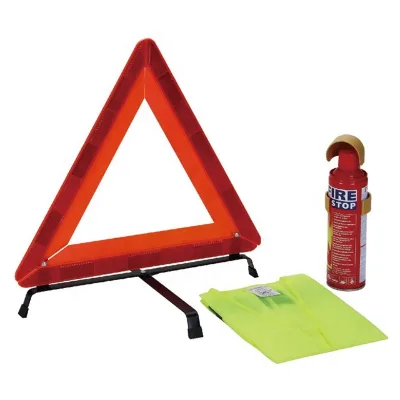
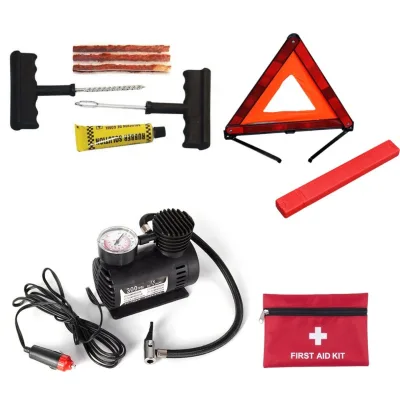


Emergency Car Rescue Tool Battery Operated Electric Hydraulic Combi Tools
$3800.00 - $4000.00
MOQ: 1 Pieces


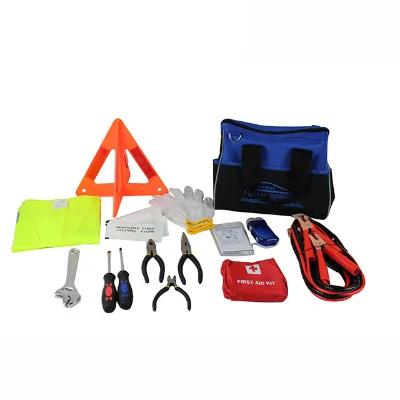


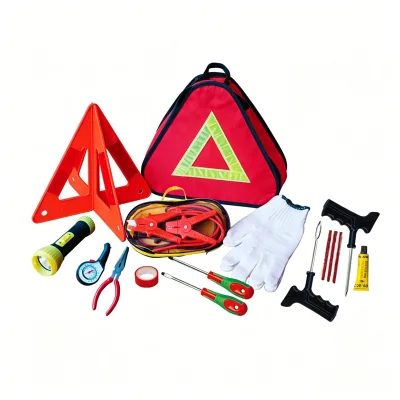
Comprehensive Sourcing Guide
Durable Car Emergency Tool Sourcing Guide
Procuring durable car emergency tools requires a clear understanding of the specific product categories available in the current market. The observed listings indicate a strong focus on roadside emergency kits that function as comprehensive hand tools for vehicle breakdowns. Buyers should prioritize suppliers who explicitly define their offerings as emergency tool kits rather than generic automotive accessories, ensuring the inventory includes essential items like tire pressure gauges and booster cables.
The market data reveals a diverse range of product models, from specific digital tire gauges to complete kits packaged in carry bags or cartons. When evaluating potential suppliers, it is critical to verify that the "New" condition items match the intended usage for emergency scenarios. Sourcing strategies must account for the variability in packaging, which ranges from simple polybags to more robust carton packaging, directly impacting the perceived value and protection of the tools during transit.
Product Scope and Observed Listing Signals
Buyers must distinguish between single-item digital tire gauges and multi-component emergency tool kits when reviewing supplier catalogs. The observed product scope includes specific models designed for portable use, such as digital tire gauges and cartire pressure gauges, alongside broader kits labeled as roadside emergency solutions. It is essential to confirm whether the listing describes a standalone gauge or a full kit containing booster cables, safety vests, and tow ropes, as this distinction significantly alters the utility and target customer base.
Listing signals also highlight the importance of customization options, which are frequently marked as available or workable for OEM requirements. Suppliers often offer custom logos and specific color requirements, allowing buyers to brand the emergency tools for their specific distribution channels. However, procurement teams must verify that these customization capabilities do not compromise the core functionality of the tools, ensuring that the "Universal" standard or specific model numbers like 602010 remain intact despite the added branding elements.
Technical Specifications to Verify
Technical verification begins with confirming the update method and the specific type of tire gauges included in the emergency kits. The observed data specifies that certain products utilize internet-based update methods, which is a unique feature for digital gauges that may require connectivity for calibration or data logging. Buyers should rigorously test these digital components to ensure they function reliably in the field, as the "by Internet" attribute implies a dependency on connectivity that may not always be available during roadside emergencies.
Furthermore, the physical specifications of the tools, including their condition and standard compliance, must be scrutinized against the intended application. While some listings claim a "Standard" or "Nonstandard" classification, others reference specific standards like "Booster cable" or "Tow rope" as part of the product definition. Procurement teams must ensure that the physical dimensions and material quality of items like the carry bags and polybags align with the durability required for emergency situations, preventing premature failure of the packaging or the tools themselves.
Compliance and Safety Documentation
Compliance verification is paramount when sourcing emergency tools, as these items often require adherence to international safety and environmental standards. The observed product listings frequently cite certifications such as ISO, CE, RoHS, and GS, which serve as critical indicators of manufacturing quality and safety compliance. Buyers must request valid certificates for these specific standards to ensure that the emergency tools meet the regulatory requirements of their target markets, particularly regarding electrical safety for digital gauges and material safety for vehicle accessories.
In addition to product certifications, documentation regarding the supply chain and manufacturing practices should be reviewed to ensure ethical compliance. Some listings mention BSCI certification, which addresses social compliance and labor standards within the manufacturing facility. Procurement teams should verify that these certifications are current and applicable to the specific models being ordered, ensuring that the supply chain does not introduce reputational risks or legal liabilities associated with non-compliant manufacturing practices.
Cost Drivers and Commercial Terms
Cost structures for durable car emergency tools are heavily influenced by the complexity of the kit and the level of customization requested. The observed price range spans from low-cost single items to high-value complete kits, reflecting the variance in components like booster cables, safety vests, and digital gauges. Buyers should analyze the cost per unit relative to the included accessories, ensuring that the price reflects the quality of materials and the robustness of the packaging, such as the difference between a simple bag and a sturdy carton.
Commercial terms, including Minimum Order Quantities (MOQ) and delivery timelines, vary significantly across suppliers and must be negotiated carefully. The data indicates an MOQ range from 1 to 5000 pieces, with some specific listings citing 500 PCS as a standard threshold. Procurement teams must align their order volumes with these MOQs to secure favorable pricing while managing inventory risks, and they should clarify the delivery time, which is often tied to payment confirmation, to avoid supply chain disruptions.
Supplier Qualification and Quality Control
Supplier qualification requires a thorough assessment of their production capabilities and their ability to meet specific OEM requirements. The observed listings indicate that many suppliers are located in China, specifically in regions like Zhejiang, and offer workable OEM services with custom logo options. Buyers should verify the supplier's capacity to handle large orders and their track record for maintaining the "New" condition of products, ensuring that the tools are manufactured to a consistent standard without defects.
Quality control processes must be established to validate the performance of the emergency tools before they reach the end customer. Given the critical nature of these items, buyers should implement pre-shipment inspections that test the functionality of digital gauges and the integrity of mechanical components like tow ropes. It is also advisable to request sample units for independent testing to confirm that the "Universal" standard or specific model specifications are met, ensuring that the tools will perform reliably in actual emergency scenarios.
Long-Term Procurement Checks
Long-term procurement success depends on establishing a reliable supply chain that can adapt to changing market demands and regulatory updates. Buyers should maintain regular communication with suppliers to monitor changes in certifications, such as ISO or CE, and ensure that the product standards remain compliant with evolving international regulations. This proactive approach helps mitigate the risk of supply disruptions and ensures that the emergency tools continue to meet the safety and quality expectations of the end users.
Additionally, performance monitoring of the products in the field is essential for identifying any recurring issues or areas for improvement. Buyers should track warranty claims, noting the standard 3-month warranty period observed in the listings, to assess the durability and reliability of the tools over time. By analyzing this data, procurement teams can make informed decisions about future orders, potentially negotiating extended warranties or improved quality controls based on the actual performance history of the sourced emergency tools.
FAQs
What certifications do these emergency tools have?
The products hold ISO, GS, RoHS, CE, and BSCI certifications. These credentials ensure compliance with international safety and quality standards for automotive accessories. Buyers can verify specific certificates for each model to meet regional regulatory requirements before placing bulk orders.
Can I customize the logo on the kit?
Yes, customization is available for logos and packaging. The supplier supports OEM workable options, allowing buyers to add their brand identity to the carry bags or product surfaces. This service helps businesses establish brand recognition in their local markets effectively.
What is the minimum order quantity for these tools?
The standard minimum order quantity is 500 pieces. However, observed ranges indicate flexibility from 1 to 5000 units depending on the specific supplier and model. Buyers should confirm the exact MOQ with the vendor to align with their inventory needs.
Where are these emergency tool kits manufactured?
These items originate from China, specifically Zhejiang province. The products are dispatched from the Ningbo port. This location is a major hub for automotive accessory exports, ensuring efficient logistics and supply chain management for international buyers seeking durable car emergency tools.
How is the product updated or maintained?
The digital tire gauges included in some kits support updates by internet. This feature ensures the devices remain accurate and functional over time. Buyers benefit from this connectivity as it reduces the need for manual recalibration or physical service visits for maintenance.
What warranty is provided for these kits?
A 3-month warranty is typically provided for these emergency tool kits. This coverage protects buyers against manufacturing defects during the initial period of use. It is advisable to review the specific warranty terms with the supplier to understand the scope of support.