Source Durable Cultivator Press Wheel for Seeder Tillage Planting
Compare 30 Durable Cultivator Press Wheel options from verified Chinese suppliers. These agricultural machinery parts feature rubber tires and steel hubs for seeder, harvester, and tillage applications.
Key considerations
Products List


High-Quality Steel Seeder Press Wheel for Agricultural Machinery Seeders
$0.10 - $2.00
MOQ: 200 Pieces


Seeder/Planter Closing Wheel for Farms Agriculture Machine Press Wheel
$14.00 - $19.00
MOQ: 100 Pieces


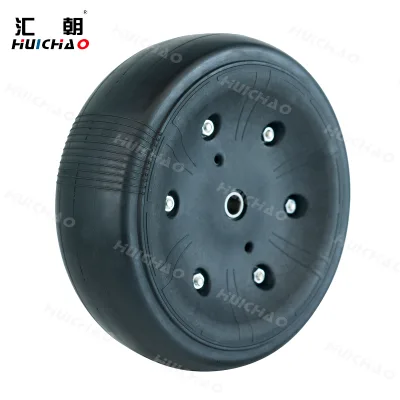
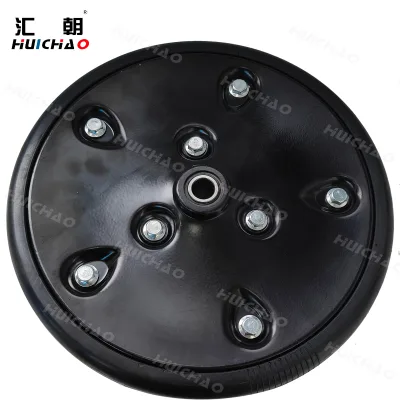
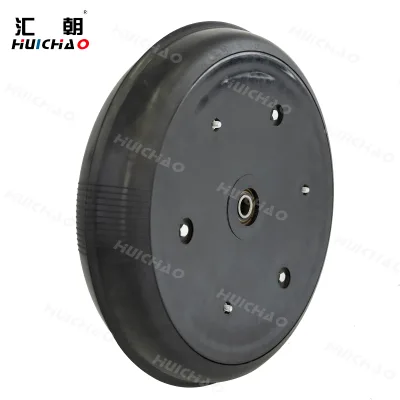
Rubber and Steel Material Press Wheel for Farm Industries Bearing and Part Type
$23.49 - $28.60
MOQ: 100 pieces
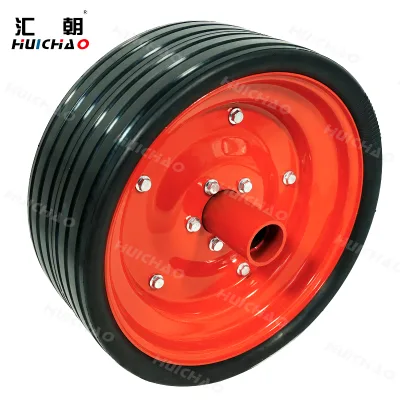
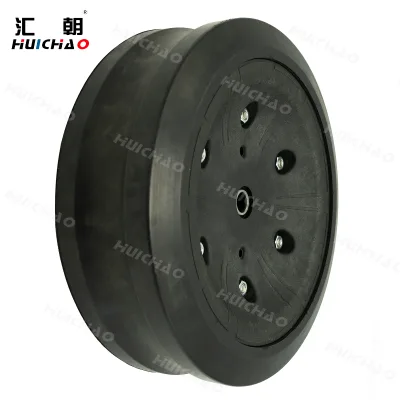
Semi Pneumatic Hot-Selling New Tire Part for Agriculture Machine Press Wheel
$27.57 - $32.68
MOQ: 100 pieces


Comprehensive Sourcing Guide
Strategic Sourcing Guide for Durable Cultivator Press Wheels
Understanding the Technical Architecture of Press Wheels
The cultivator press wheel is a critical component in modern agricultural machinery, designed to ensure seed-to-soil contact and proper soil compaction during the planting process. When sourcing these components, buyers must first distinguish between the various structural configurations observed in the market. The core product category includes rotating wheels that function as essential parts for seeders and harvesters. The fundamental design often features a wheel hub constructed from high-quality steel plate, formed through a stamping process to ensure structural integrity under load. This steel core is typically paired with tires made of brand-new rubber, which are selected for their durability and ability to withstand the abrasive nature of field conditions.
The physical dimensions of these wheels vary significantly based on the specific agricultural application and the machinery they serve. Market observations indicate a wide range of diameters and thicknesses. For instance, specific models are documented with a diameter of 230mm and a thickness of 50mm, while other configurations may measure 310mm by 29mm or 330mm by 50mm. The sizing nomenclature often appears in mixed formats, such as "12.8 Inch," "105 Inch," or metric equivalents like "25058mm." Buyers must verify that the selected wheel matches the mounting specifications of their existing seeder or harvester. The tire type is another critical variable; semi-pneumatic tires are a common configuration, offering a balance between cushioning and traction. Additionally, the rim color is not merely aesthetic but can indicate specific material treatments or batch variations, with options ranging from black and red to blue and green.
Material Composition and Surface Treatment Standards
The longevity of a press wheel is directly correlated with the materials used in its construction and the surface treatments applied. The primary material for the wheel structure is identified as iron, providing the necessary rigidity for heavy-duty tillage and planting operations. However, the interaction between the wheel and the soil requires specific surface enhancements to prevent corrosion and reduce friction. Chrome plating is a standard surface treatment observed in high-performance models, offering a protective layer against rust and wear. This treatment is particularly important for equipment operating in diverse soil conditions, from acidic to saline environments.
When evaluating material specifications, buyers should look for evidence of "brand-new rubber" for the tire component, as recycled materials can compromise the wheel's ability to maintain consistent pressure. The standard for the product itself often allows for customization, meaning that the "12inch-16inch" range or specific metric standards like "250*120mm" may be adjusted to meet unique operational requirements. The origin of these components is predominantly China, with specific manufacturing hubs noted in regions like Hebei. This geographic concentration suggests a mature supply chain, but it also necessitates rigorous verification of the specific factory's quality control protocols. The material composition should be verified against the intended usage, whether it is for tillage, planting, fertilization, or harvester applications, as different tasks impose varying stress loads on the wheel assembly.
Compliance, Certification, and Standard Verification
In the realm of agricultural machinery parts, compliance is not merely a bureaucratic hurdle but a guarantee of interoperability and safety. The product standards for press wheels are highly variable, often listed as "Customized" or adhering to specific dimensional standards such as "112 inch" or "33050mm/13*2 inch." Unlike consumer goods, there is no single universal certification that applies to every press wheel. Instead, buyers must verify that the supplier can meet the specific dimensional tolerances required by their machinery manufacturer. The standard "prod_standard" field often lists multiple values, indicating that a single supplier may produce wheels conforming to various international or regional specifications.
Buyers should explicitly request documentation that confirms the wheel meets the dimensional standards of their equipment. For example, if a seeder requires a "12.8 Inch Press Wheel," the supplier must provide proof that their product matches this exact specification rather than a generic "12 inch" alternative. The standard "114"/33353mm" or "4.00-10" tire size indicates that the wheel is part of a broader ecosystem of agricultural parts. While specific certification bodies are not universally mandated for all components, the presence of "Customized" standards suggests that the supplier is capable of adapting to specific client requirements. It is essential to verify that the "High-Quality Steel Plate" used in the hub meets the tensile strength requirements for the intended application, as this is a critical safety factor.
Cost Drivers and Economic Factors in Procurement
The pricing of cultivator press wheels is influenced by a complex interplay of material costs, manufacturing complexity, and order volume. The observed price range in the market spans from $0.10 to $80.00 USD, a wide disparity that reflects differences in size, material quality, and customization levels. A wheel with a diameter of 230mm and a thickness of 50mm may command a different price point than a smaller 12-inch model, even if both are made of iron and rubber. The weight of the component, typically around 3.5kg for standard models, also impacts shipping costs, which are a significant factor in the total landed cost for international buyers.
Minimum Order Quantities (MOQ) are another critical economic factor, ranging from as low as 1 unit to 500 units. This flexibility allows small-scale farmers to purchase single units for replacement, while large agricultural machinery dealers can leverage bulk purchasing to reduce per-unit costs. The packaging method, whether "Wood or Other Packaging After Forced Treatment," "Pallet or Wooden Box," or "Standard Package," directly affects the cost and safety of transit. Forced treatment of wooden packaging is often required for international shipping to prevent the spread of pests, adding a layer of cost that buyers must account for. Furthermore, the "Product Capacity" of the supplier, noted as 20,000 pieces per month, indicates that high-volume orders can be fulfilled without significant delays, but buyers should confirm lead times for custom orders which may extend beyond standard production cycles.
Supplier Evaluation and Market Landscape
Evaluating a supplier for press wheels requires a deep dive into their production capabilities and market reputation. The supply chain for these components is dominated by manufacturers in China, with Hebei being a notable production center. Buyers should assess the supplier's ability to handle "Customized" orders, as the standard "prod_standard" often varies. The presence of "Famous Customers" such as John Deere, Maschio, Debont, and Norwegian Gran in the supplier's portfolio is a strong indicator of quality and reliability. However, buyers must verify these claims independently, as the inclusion of such names does not guarantee that the specific product being sourced is identical to the one used by these major brands.
The supplier's production capacity is a key metric for reliability. A capacity of 20,000 pieces per month suggests a robust manufacturing operation capable of handling large orders. However, buyers should also inquire about the supplier's inventory management and their ability to maintain consistent quality across batches. The "Type" of the wheel, described as a "Rotating Wheel," implies a specific mechanical design that must be verified for smooth operation and minimal friction. When selecting a supplier, buyers should prioritize those who offer transparent communication regarding their "Surface Treatment" processes, such as chrome plating, and who can provide detailed specifications for their "Tire Type-1" semi-pneumatic tires.
Quality Control and Long-Term Procurement Strategy
Ensuring the long-term durability of press wheels requires a proactive quality control strategy. The "Usage" of these wheels spans tillage, planting, fertilization, and harvesting, each imposing different stress profiles on the component. Buyers should implement a rigorous inspection protocol that checks the "Wheel Hub" for defects in the stamping process and the "Tires" for uniformity in rubber composition. The "Color" of the wheel, which can be multi-colored or specific shades like black, red, blue, or green, should be consistent with the order specifications to avoid confusion in the field.
For long-term procurement, buyers should establish a relationship with suppliers who offer "Customized" solutions. This flexibility allows for adjustments in dimensions, such as the "121 Inch" or "132 Inch" models, to optimize performance for specific soil types. The "Power Source" for the machinery the wheel is attached to, often electricity or mechanical drive, should be compatible with the wheel's rotational speed and torque requirements. Additionally, the "Product Capacity" of 20,000 pieces per month should be leveraged to secure a steady supply chain, reducing the risk of production delays. Buyers should also consider the "prod_packing" options, ensuring that the chosen packaging method protects the wheels during transit and storage. By focusing on these technical and logistical details, buyers can secure a reliable supply of durable cultivator press wheels that meet the demanding requirements of modern agriculture.
Final Considerations for Procurement Success
The successful procurement of cultivator press wheels hinges on a meticulous alignment of technical specifications, supplier capabilities, and cost considerations. The market offers a diverse array of options, from the 230mm diameter models to the 330mm variants, each with unique material and treatment profiles. Buyers must navigate the wide price range of $0.10 to $80.00 with a clear understanding of what drives cost, including material quality, surface treatment, and packaging requirements. The flexibility of MOQs from 1 to 500 units allows for scalable purchasing strategies, while the high production capacity of suppliers ensures timely delivery.
Ultimately, the decision to source from a specific supplier should be based on verified evidence of quality, such as the use of high-quality steel plates and brand-new rubber tires, and the ability to meet specific dimensional standards. The presence of major agricultural brands in a supplier's client list is a positive signal, but it must be corroborated with direct product verification. By adhering to a disciplined approach that prioritizes technical accuracy and supplier transparency, buyers can ensure the reliability and performance of their agricultural machinery, minimizing downtime and maximizing operational efficiency in the field.
FAQs
What materials are used for the wheel hub and tires?
The wheel hub is constructed from high-quality steel plate formed by stamping, while the tires are made of brand-new rubber. This combination ensures structural integrity and durability for agricultural machinery applications.
Which dimensions are available for these press wheels?
Available dimensions include 230mm diameter with 50mm thickness, as well as models like 310mm by 29mm and 330mm by 50mm. Buyers should verify specific measurements against their seeder or harvester mounting requirements.
Can these wheels be customized for specific machinery?
Yes, customization is available for product standards and dimensions to meet unique operational needs. Suppliers can adapt specifications such as the 12-inch to 16-inch range or specific metric sizes to fit different agricultural equipment.
What is the typical weight and packaging for shipping?
A standard model weighs approximately 3.5kg and is shipped in wood or wooden boxes after forced treatment. Bulk packaging or pallet options are also available to ensure safe transit for international orders.
How is the surface treated to prevent corrosion?
The wheels undergo chrome plating as a standard surface treatment to protect against rust and wear. This enhancement is critical for maintaining performance in diverse soil conditions ranging from acidic to saline environments.
What is the minimum order quantity for these parts?
The minimum order quantity ranges from 1 unit to 500 units depending on the supplier and customization level. This flexibility allows small buyers to purchase single replacements while large dealers can leverage bulk discounts.
Which applications are these press wheels designed for?
These wheels are designed for tillage, planting, fertilization, and harvester applications in agricultural machinery. They ensure proper seed-to-soil contact and soil compaction during various farming operations.