Source Durable Electric Kettle Temperature Controller for Ovens, Heaters, Boilers
Find a Durable Electric Kettle Temperature Controller among 30 verified listings. Buyers can compare specifications, certifications, and pricing for applications including electric ovens, water heaters, and electric boilers to ensure reliable thermal management.
Key considerations
Products List


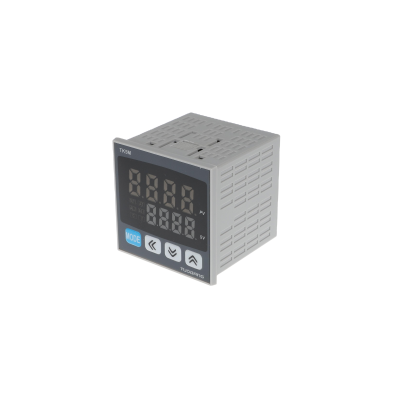
Boiler Water Pump Controller LCD Display Digital Temperature Controller
$6.55 - $10.15
MOQ: 500 Pieces




Comprehensive Sourcing Guide
Sourcing Guide for Durable Electric Kettle Temperature Controllers
Navigating the global market for durable electric kettle temperature controllers requires a disciplined approach that balances technical precision with supply chain reliability. Buyers seeking components for electric kettles must understand that "durable" implies a convergence of material integrity, thermal stability, and compliance with international safety standards. The procurement landscape for these devices is vast, with suppliers offering a spectrum of options ranging from basic capillary thermostats to advanced digital microcomputer controllers. This guide outlines the critical factors for sourcing these components effectively, relying on observed market data and verified product attributes to inform decision-making.
Technical Specifications and Functional Requirements
The core functionality of a temperature controller in an electric kettle is to regulate heating cycles to prevent boiling dry, maintain specific temperatures for brewing, or cut off power at safety thresholds. When evaluating potential products, buyers must scrutinize the specific model numbers and operational parameters provided by suppliers. The market offers distinct technological approaches, including capillary-based systems and digital solutions.
For capillary thermostats, the physical construction is paramount. These units often feature a stainless steel probe, with materials ranging from 201 stainless steel to the more corrosion-resistant 304 stainless steel. The choice of material directly impacts longevity, especially in high-humidity kitchen environments. Some suppliers list "borosilicate glass" as a material component, which suggests specific applications where thermal shock resistance is critical. The operating temperature range is another vital specification. While some units are rated for a broad spectrum of 30 to 380 degrees Celsius, others designed for precise digital control may operate within a narrower range of -40 to 70 degrees Celsius.
Digital controllers introduce a different set of technical requirements. These units often utilize NTC (Negative Temperature Coefficient) sensors to provide accurate feedback to a microcomputer. The display interface is a key differentiator; observed products feature both LED and LCD display types. An LCD display typically offers more granular information, such as Celsius readings and status indicators for cooling and heating functions. The power supply requirements for these digital units vary significantly, with some models supporting 110V, 250V, or even 400V inputs. Buyers must ensure the controller's voltage rating matches the kettle's electrical architecture. Furthermore, the physical dimensions of the controller, such as the 71*29MM standard observed in some listings, must align with the internal space constraints of the kettle housing.
Compliance and Certification Verification
In the electrical appliance sector, certification is not merely a formality but a prerequisite for market access and consumer safety. When sourcing temperature controllers, buyers must verify that the products hold valid certifications from recognized bodies. The market data indicates a prevalence of CE and RoHS certifications, which are essential for selling in the European Union and other regions with strict environmental and safety regulations.
However, the certification landscape is not uniform. Some suppliers list "ISORoHS" or "CE,ISORoHS," while others provide "UL" certification, which is critical for the North American market. A specific listing mentions "ISOCCC," indicating compliance with specific Chinese or international standards for electrical safety. It is crucial for buyers to treat these certifications as observations of specific product batches rather than universal guarantees for all listed items. The presence of a "CE" mark on a product does not automatically imply it meets all local safety codes in every destination country.
Buyers should also be wary of ambiguous certification claims. Some product attributes list "CE,ISOCustomized:Non-Customized," which suggests a potential confusion in data entry or a specific compliance status tied to a customized order. To mitigate risk, procurement teams should request current, verifiable certificates of conformity for the exact model number being purchased. Relying on a supplier's general claim of compliance without seeing the specific documentation for the batch in question can lead to significant regulatory hurdles at customs or during product audits.
Cost Drivers and Pricing Structures
The pricing of electric kettle temperature controllers is influenced by a complex matrix of factors, including technology level, certification status, and order volume. The observed market data reveals a staggering price range, from as low as 1 USD to as high as 2150 USD. This wide variance is not indicative of a single product type but rather reflects the diversity of the market, ranging from simple mechanical switches to complex digital control boards.
The Minimum Order Quantity (MOQ) is a significant cost driver. The observed MOQ range spans from 1 unit to 3000 units. Suppliers offering an MOQ of 1 are typically catering to prototyping or small-batch production, often at a higher unit cost. Conversely, suppliers requiring an MOQ of 3000 are likely offering bulk pricing that significantly reduces the per-unit cost. Buyers must align their order volume with their production forecast to optimize costs.
Customization is another major factor affecting price. The market data explicitly notes that "Customization" is available, yet some products are listed as "Non-Customized." Customized solutions, such as specific model numbers like "ZY-303#08-#8512" or tailored dimensions, generally command a premium. The "Universal" standard mentioned in some listings suggests off-the-shelf compatibility, which is typically more cost-effective than bespoke engineering. Additionally, packaging requirements, such as "Seaworthy Packages," "Carton," or "Wooden Package," can add to the overall landed cost, particularly for international shipping.
Typical Applications and Usage Scenarios
While the core keyword focuses on electric kettles, the technical specifications observed in the market suggest these controllers are versatile components used across a broader range of heating appliances. The application data indicates that these controllers are frequently used in electric ovens, water heaters, and electric boilers. This cross-application capability is a double-edged sword for buyers; it offers flexibility in sourcing but requires careful validation to ensure the controller is suitable for the specific thermal dynamics of an electric kettle.
For electric kettles, the primary application is "Heating," with some units also supporting "Cooling and Heating" functions, which might be relevant for kettles with dual heating and cooling elements or specific brewing cycles. The "Chassis heating" type noted in the specifications suggests a design where the heating element is integrated into the base or chassis, a common configuration in modern kettles. The inclusion of a "Capillary Tube" in some models points to traditional mechanical control methods, which are robust and cost-effective for basic on/off temperature regulation.
Buyers must ensure that the "Use for" attribute of the controller matches the intended application. A controller designed for a high-temperature industrial oven (up to 300 degrees) might be over-engineered for a standard kettle, while a controller rated for a lower temperature range might fail in a commercial kettle application. The "Brand Name" field, listing "ZHUNE/OEM," indicates that many suppliers offer private labeling, allowing buyers to brand the component as their own, which is common in the appliance manufacturing sector.
Supplier Evaluation and Sourcing Strategy
Evaluating suppliers for temperature controllers requires a focus on reliability and transparency. The market data shows that the origin of these products is predominantly "China," with specific mentions of "Ningbo China" as a manufacturing hub. This concentration suggests a mature supply chain with established logistics, but it also necessitates rigorous due diligence.
Buyers should prioritize suppliers who provide clear, consistent product attributes. The presence of conflicting data, such as "Customized" versus "Non-Customized" for the same product line, or ambiguous certification strings like "CE,ISOCustomized:Non-Customized," should be treated as red flags. A professional supplier will have clear, standardized product descriptions that distinguish between off-the-shelf and custom models.
The "Small Orders: Accepted" attribute is a positive indicator for flexibility, allowing buyers to test the market or manage inventory without committing to massive upfront costs. However, buyers should verify if the "Small Orders" policy applies to customized or only standard models. Additionally, the "Standard" attribute, which sometimes lists "Heating Electric Water Heater Capillary Thermostat" or "300 degree," should be cross-referenced with the actual product datasheet to ensure the supplier understands the specific requirements of the buyer's application.
Quality Control and Long-Term Procurement
Ensuring the long-term durability of the temperature controller is essential for the reputation of the final appliance. Quality control measures should focus on the consistency of materials and the reliability of the electrical connections. The use of "Stainless steel" and "Borosilicate glass" suggests a focus on durability, but buyers must verify that these materials meet the specific grade requirements for their application.
Packaging is a critical aspect of quality control during transit. The observed packaging types include "Seaworthy Packages," "Carton," and "Wooden Package." For international shipments, "Seaworthy" packaging is essential to protect the controllers from moisture and physical damage. Buyers should specify their packaging requirements in the purchase order to ensure the product arrives in pristine condition.
Long-term procurement considerations involve establishing a relationship with a supplier who can maintain consistent quality over time. The "prod_model" field, listing options like "STC-9200" or "as requested," indicates that some suppliers offer a range of models. Buyers should aim to standardize on a specific model number to simplify inventory management and quality assurance. Furthermore, the "Feature" attribute, such as "Microcomputer temperature Controller," suggests that future-proofing the product line with digital technology may be a strategic advantage.
Comparison of Controller Types
To assist in the decision-making process, the following table summarizes the key differences between the observed controller types based on the provided market data.
| Feature | Capillary Thermostat | Digital Microcomputer Controller |
|---|---|---|
| Sensor Type | Mechanical Capillary Tube | NTC Sensor |
| Display Type | None (Mechanical) | LED or LCD Display |
| Temperature Range | 30 ~ 380 Degrees | -40 ~ 70 Degrees |
| Power Supply | 110V/250V/400V | 110V/250V/400V |
| Material | Stainless Steel (201/304) | Varies (often PCB + Plastic) |
| Function | Heating / On-Off | Cooling and Heating / Regulation |
| Customization | Available / Non-Customized | Available / Non-Customized |
| Certification | CE, RoHS, UL | CE, ISOCCC, RoHS |
This comparison highlights that while both types serve the fundamental purpose of temperature control, they differ significantly in complexity, precision, and application suitability. The choice between them should be driven by the specific functional requirements of the electric kettle design and the target market's regulatory environment.
Conclusion
Sourcing durable electric kettle temperature controllers is a multifaceted process that demands attention to technical specifications, regulatory compliance, and supplier reliability. By carefully analyzing the observed market data, buyers can navigate the complexities of the global supply chain to find components that meet their specific needs. The wide range of options, from simple capillary thermostats to advanced digital controllers, offers flexibility but requires rigorous vetting. Ultimately, the success of the procurement effort depends on a clear understanding of the product attributes, a commitment to verifying certifications, and a strategic approach to managing costs and quality over the long term.
FAQs
What certifications are available for these controllers?
Available certifications include CE, RoHS, UL, and ISOCCC. Buyers must verify specific certificates for each model batch, as some listings show mixed or ambiguous compliance data like ISORoHS or CE with custom status tags.
Which temperature ranges do the controllers support?
Units support ranges from -40 to 70 degrees Celsius for digital models and 30 to 380 degrees for capillary types. Selection depends on whether the application requires precise microcomputer control or high-temperature industrial heating.
Can suppliers accept small order quantities?
Yes, small orders are accepted with minimums starting at 1 unit. However, bulk pricing is available for orders up to 3000 units, allowing flexibility for prototyping or large-scale production runs.
How are the products packaged for shipping?
Packaging options include seaworthy packages, cartons, and wooden crates. Seaworthy packaging is essential for international transit to protect components from moisture and physical damage during long-distance shipping.
What materials are used in the construction?
Common materials include stainless steel grades 201 and 304, along with borosilicate glass. These materials ensure durability and corrosion resistance, particularly for applications involving water heaters and electric ovens.
Which display types are offered for digital units?
Digital units feature LED or LCD displays capable of showing Celsius readings. LCD screens often provide additional status indicators for cooling and heating functions controlled by microcomputer sensors.