Source Durable Flight Case Butterfly Catch for Equipment, Tools, and Transport
Compare 30 listings for the Durable Flight Case Butterfly Catch, featuring stainless steel and steel options with various finishes like chrome and black zinc. Buyers can evaluate specifications including size, weight, and OEM support from suppliers in China.
Key considerations
Products List
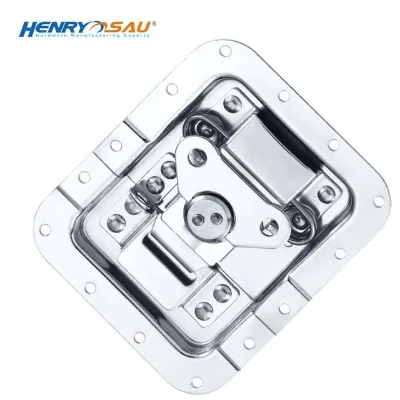
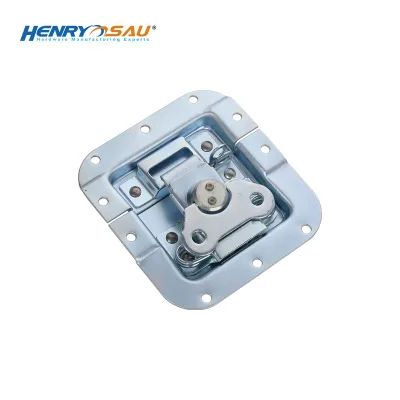


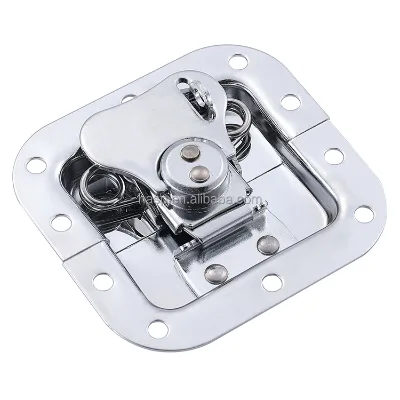
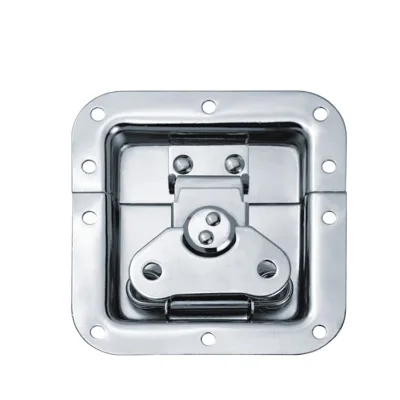
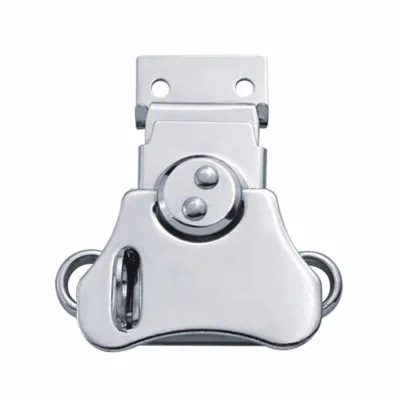
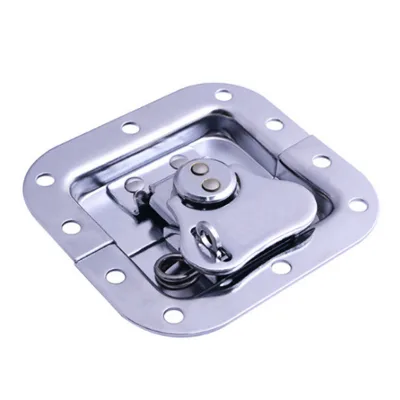
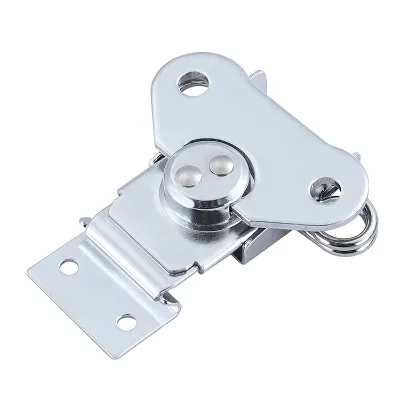
Aluminum Alloy Protective Aviation Flight Case Box Butterfly Latch Lock
$1.15 - $1.23
MOQ: 1000 Pieces


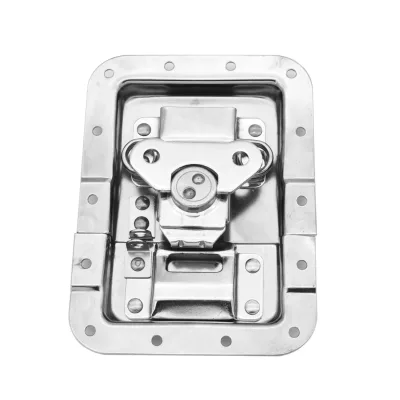
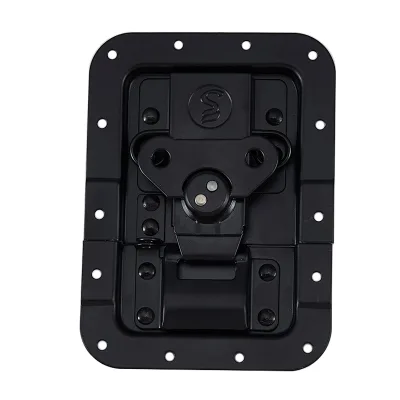
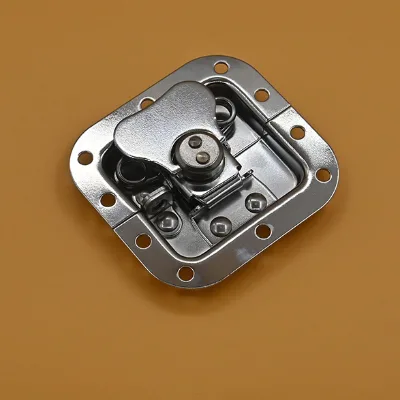
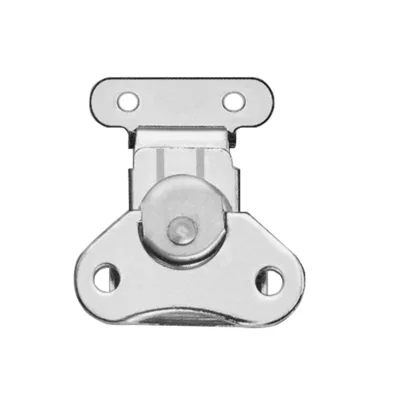
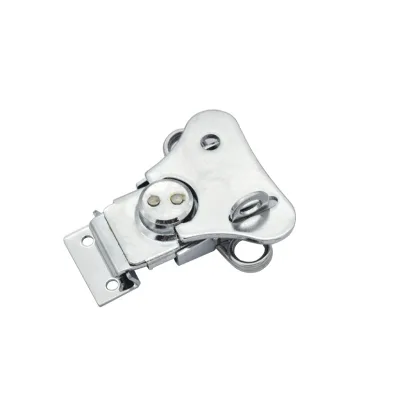
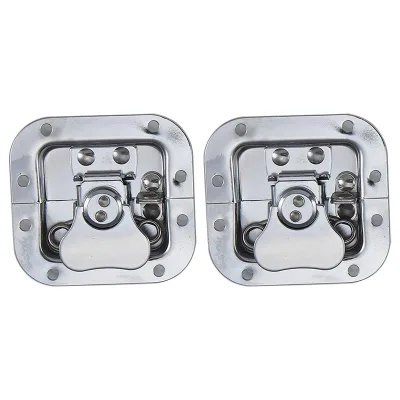


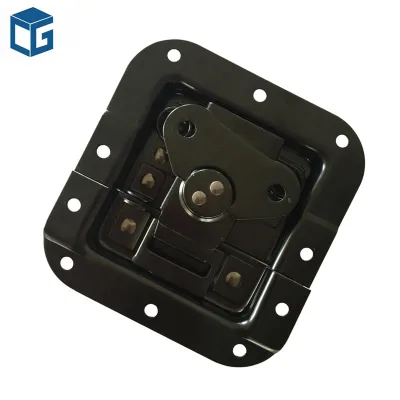
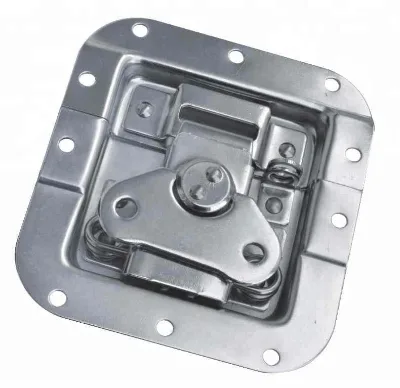
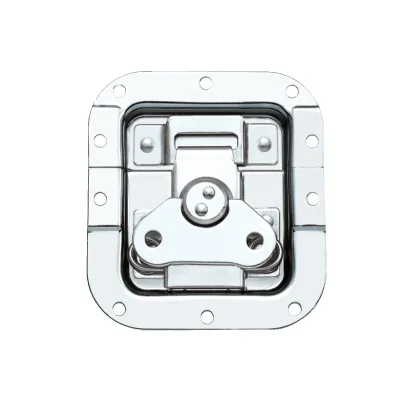

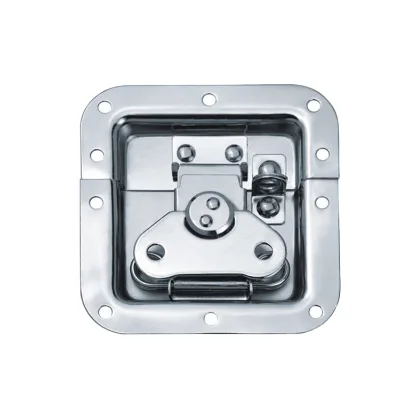
Comprehensive Sourcing Guide
Sourcing Guide for Durable Flight Case Butterfly Catches
Understanding the Technical Specifications of Butterfly Catches
When sourcing a Durable Flight Case Butterfly Catch, the primary objective is to identify hardware that ensures structural integrity under rigorous transport conditions. The market offers a variety of configurations, but specific technical parameters must be verified against the intended application. Based on available product data, the physical dimensions of these catches vary significantly depending on the model. For instance, specific models are documented with dimensions of 127mm by 157mm, while others are categorized by size designations such as "Middle" or "M". Buyers must not assume a universal size; instead, they should request precise dimensional drawings to ensure the catch fits the case thickness and latch hole alignment.
The material composition is a critical determinant of durability. High-performance catches are frequently manufactured from stainless steel 304, a raw material known for its corrosion resistance and strength, which is essential for equipment cases exposed to varying environmental conditions. Other listings indicate the use of general steel or iron, often finished with chrome, blue zinc, or black coatings to enhance protection against rust and wear. The finish is not merely aesthetic; it dictates the longevity of the hardware in humid or outdoor environments. A specific model, identified by the reference YBS01, utilizes stainless steel 304, whereas other variants may rely on different metal alloys. The fix hole size is another precise specification to verify; a standard observation in the market is a 5mm fix hole, but this must be confirmed for every specific batch to ensure compatibility with the case's mounting points.
Weight is also a factor in the overall logistics of the flight case. Individual units can weigh approximately 450g or 0.4kg, depending on the size and material density. This variance impacts the total weight of the case, which is a crucial consideration for air freight and manual handling. Furthermore, the mechanical type of the latch is typically classified as a mechanical lock or latch, relying on a physical locking mechanism rather than electronic systems. Buyers should verify whether the product supports customization, as many suppliers offer OEM and ODM services to tailor the catch to specific case designs. The availability of samples, often shipped with freight collect, allows for physical verification of these specifications before committing to a large order.
Compliance, Certification, and Quality Verification
In the realm of B2B procurement for industrial hardware, compliance and certification serve as the bedrock of trust and quality assurance. While specific product listings may mention a background association with ISO9001, this should be treated as a general industry reference rather than a guaranteed certification for every individual batch or supplier. Buyers must independently verify the certification status of the specific manufacturer. A supplier claiming to have "13 Years Production Experience" should be able to provide valid documentation proving their adherence to quality management systems.
The verification process should extend beyond the manufacturer's claims. Buyers need to request test results or third-party inspection reports that validate the hardness and structural integrity of the catches. For example, some product attributes list "Partial Hard" as a characteristic, but this is an observation rather than a standardized metric. Procurement teams should demand specific hardness test data, such as Rockwell or Brinell scales, to ensure the metal can withstand the repeated stress of opening and closing during transit. Additionally, the waterproof capability of the catch assembly should be scrutinized. Some listings explicitly state "Not Waterproof," which is a critical limitation for cases intended for marine or heavy rain environments. Buyers must clarify if the catch design includes gaskets or seals that would elevate the waterproof rating, or if the hardware is strictly for dry storage applications.
Certification checks should also encompass the origin of the raw materials. The supply chain for stainless steel 304 requires traceability to ensure the alloy composition meets international standards. If a supplier sources from Guangdong, China, or Foshan City, buyers should verify the mill certificates for the steel used. Similarly, for products originating from Nanjing, Jiangsu, the sourcing of wood or other composite materials, if applicable, must be checked against sustainability and safety standards. The absence of a specific certification claim in a product description does not imply non-compliance, but it does place the burden of verification on the buyer. It is advisable to include a clause in the purchase agreement requiring the supplier to provide proof of material compliance and manufacturing standards prior to shipment.
Cost Drivers and Pricing Structures
The pricing of flight case butterfly catches is influenced by a complex interplay of material costs, manufacturing complexity, and order volume. The observed market price range for these items spans from 0.49 USD to 2.67 USD per unit. This wide variance is not arbitrary; it reflects differences in material quality, finish type, and production scale. Stainless steel 304 components generally command a higher price point compared to those made from standard steel or iron due to the raw material cost and the additional processing required for corrosion resistance. The finish also plays a significant role; chrome plating, blue zinc, and black coatings each involve different chemical processes and labor costs, which are passed on to the buyer.
Order volume is perhaps the most significant driver of unit cost. The Minimum Order Quantity (MOQ) varies widely across suppliers, ranging from 50 units to 1500 units. A specific model might have an MOQ of 1000 pieces, while another could accept orders as low as 100 pieces. Buyers must align their procurement strategy with these thresholds to optimize costs. Ordering at the lower end of the MOQ spectrum often results in a higher per-unit price, whereas bulk orders can significantly reduce the cost per unit. However, buyers should be cautious of suppliers with very low MOQs, as they may lack the production capacity to maintain consistent quality or may charge a premium for small-batch handling.
Supply ability is another factor that influences pricing and availability. Suppliers with a stated supply ability of 10,000 pieces per week are better positioned to handle large, urgent orders without inflating prices due to capacity constraints. Conversely, suppliers with limited production capacity may charge more to prioritize orders or may face delays that impact the overall project timeline. The packaging details, such as the use of PP bags and cartons, also contribute to the final cost. Custom packaging or specialized labeling services will increase the price. Buyers should request a detailed breakdown of costs, including material, labor, finishing, and packaging, to understand the value proposition of each supplier.
Typical Applications and Usage Scenarios
Butterfly catches are engineered for specific applications where secure closure and rapid access are paramount. The primary usage identified in the market is for flight cases, equipment cases, and tool cases. These applications require hardware that can withstand the rigors of transportation, including vibration, shock, and changes in pressure. The catches are designed to secure the case lid tightly, protecting sensitive equipment inside from damage. The versatility of these catches allows them to be used in a variety of industries, from audio and video production to medical equipment transport and military logistics.
The "What can I supply for you" attribute highlights that suppliers often provide a comprehensive range of accessories, including handles, corners, extrusions, braces, and castors. This suggests that butterfly catches are part of a larger ecosystem of flight case hardware. When sourcing catches, buyers should consider the compatibility with these other components. For instance, the fix hole size of 5mm must align with the mounting points of the case corners and handles. The application also extends to "made up cases," which are custom-built containers for specific equipment. In these scenarios, the catch must be integrated seamlessly into the case design, requiring precise customization and OEM support.
It is important to note the limitations of certain products. Some listings explicitly state that the product is "Not Waterproof," which restricts its use to indoor or protected environments. Buyers intending to use the catches for outdoor or marine applications must seek out models with enhanced sealing capabilities. The "Transportation" usage category implies that the catches are designed for repeated handling and movement. The mechanical nature of the latch ensures reliability without the need for batteries or electronic components, making them suitable for harsh environments where electronics might fail. The ability to print logos on the hardware adds a layer of branding utility, making these catches suitable for corporate fleets and rental equipment companies.
Supplier Evaluation and Selection Criteria
Selecting the right supplier for flight case butterfly catches requires a rigorous evaluation process that goes beyond price comparisons. The geographical origin of the product is a key indicator of the supply chain structure. Products originating from Guangdong, China, Foshan City, or Nanjing, Jiangsu, represent different manufacturing hubs with varying specializations. Buyers should assess the supplier's location in the context of their logistics strategy. A supplier in Foshan might have a strong network for metal processing, while a supplier in Nanjing might offer different logistical advantages depending on the buyer's location.
Experience is a critical metric for supplier evaluation. A claim of "13 Years Production Experience" suggests a mature operation with established quality control processes. However, buyers should verify this claim by requesting references or case studies from previous clients. The ability to support OEM and ODM requests is another vital criterion. Suppliers that offer customization can tailor the catch to specific case dimensions, hole patterns, and aesthetic requirements. This flexibility is essential for buyers with unique product designs or those looking to differentiate their brand.
The supply ability and lead time are practical considerations that affect project timelines. A supplier with a weekly capacity of 10,000 pieces and a delivery time of 3-7 days offers significant advantages for urgent orders. However, buyers must ensure that these figures are realistic and not inflated marketing claims. Requesting a production schedule or a sample order timeline can help validate these claims. Additionally, the availability of samples is a crucial step in the evaluation process. Suppliers that offer samples with freight collect allow buyers to physically inspect the quality, finish, and functionality of the product before committing to a large order. This reduces the risk of receiving substandard goods.
Quality Control and Long-Term Procurement Strategies
Implementing a robust quality control (QC) strategy is essential for maintaining the integrity of flight case hardware. Given the variation in material specifications, such as stainless steel 304 versus general steel, buyers must establish clear acceptance criteria. QC checks should include visual inspections for finish defects, dimensional verification using calipers to ensure the 5mm fix hole and overall size match the specifications, and functional testing of the latch mechanism. The hardness of the metal should be tested to ensure it meets the "Partial Hard" or other specified standards, preventing deformation under stress.
For long-term procurement, building a relationship with a reliable supplier is more beneficial than constantly switching vendors for marginal price savings. A supplier with a consistent supply ability and a track record of meeting delivery times provides stability. Buyers should consider the total cost of ownership, which includes not just the unit price but also the cost of potential failures, such as a latch breaking during transit and damaging the equipment inside. Investing in higher-quality catches made from stainless steel 304 may result in a higher upfront cost but can significantly reduce long-term replacement and maintenance expenses.
Sustainability and material traceability are becoming increasingly important in procurement. Buyers should inquire about the source of the raw materials and the environmental impact of the manufacturing process. While specific certifications like ISO9001 may be mentioned in background data, buyers should ensure that the supplier has a documented quality management system in place. Regular audits and third-party inspections can help maintain high standards over time. Finally, buyers should maintain open communication with suppliers regarding any changes in specifications or material availability to prevent disruptions in the supply chain. By focusing on these long-term considerations, buyers can ensure a steady supply of durable, high-performance butterfly catches for their flight case needs.
Comparison of Key Product Attributes
To facilitate decision-making, the following table summarizes the key attributes observed in the market for flight case butterfly catches. This comparison highlights the variability in specifications and helps buyers identify the most suitable options for their specific requirements.
| Attribute | Observation A | Observation B | Observation C |
|---|---|---|---|
| Material | Stainless Steel 304 | Steel, Iron | Stainless Steel |
| Finish | Chrome, Blue Zinc, Black | Chrome, Blue Zinc, Black | Chrome, Blue Zinc, Black, Stainless Steel |
| Dimensions | 127*157mm | Middle / M | 112*105.3mm (Standard) |
| Fix Hole Size | 5mm | Not Specified | Not Specified |
| Weight | 450g | 0.4 kg | Not Specified |
| MOQ | 1000 PCS | 100 PCS | 50-1500 (Range) |
| Origin | Guangdong, China | China, Foshan City | Nanjing, Jiangsu, China |
| Waterproof | Not Specified | Not Specified | Not Waterproof |
| Customization | OEM Supported | OEM & ODM Supported | Customization Available |
This table underscores the necessity of verifying specific details for each procurement order. The variation in material, dimensions, and origin means that a "one-size-fits-all" approach is ineffective. Buyers must carefully match the product attributes to their case design and operational requirements to ensure optimal performance and durability.
FAQs
What materials are used for durable flight case butterfly catches?
Catches are primarily made from stainless steel 304 or general steel and iron. The material choice affects corrosion resistance and durability, with stainless steel 304 being preferred for harsh environments.
How much is the minimum order quantity for these catches?
The minimum order quantity varies between 100 and 1500 pieces depending on the specific model and supplier. Some listings require 1000 pieces, while others accept orders as low as 100 pieces.
Which dimensions are standard for flight case butterfly catches?
Common dimensions include 127 by 157 millimeters, though sizes may also be categorized as Middle or M. Buyers must verify specific fix hole sizes, which are often 5 millimeters, to ensure compatibility.
Can I get samples before placing a large order?
Samples are available for physical verification before committing to a bulk purchase. However, the freight cost for shipping these samples is typically collected from the buyer.
What finishes are available for these metal catches?
Available finishes include chrome, blue zinc, and black coatings to enhance rust protection. The specific finish depends on the model and supplier capabilities, with stainless steel also being an option.
How long does it take to receive an order after payment?
Delivery times can range from 3 to 7 days for standard orders. This lead time depends on the supplier's current production capacity and their specific location within China.
Do these catches support customization for specific case designs?
Yes, OEM and ODM services are supported for customizing catches to specific case designs. Suppliers can tailor dimensions and features, provided the buyer meets the required minimum order quantities.