Source Dust-Proof Window Brush Sealing Strip for Doors, Windows, and Cabinets
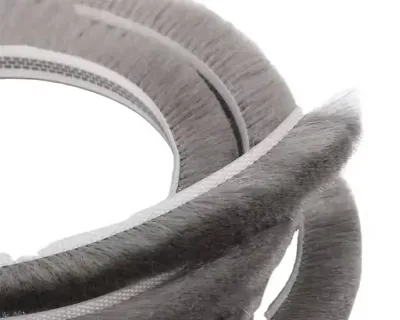
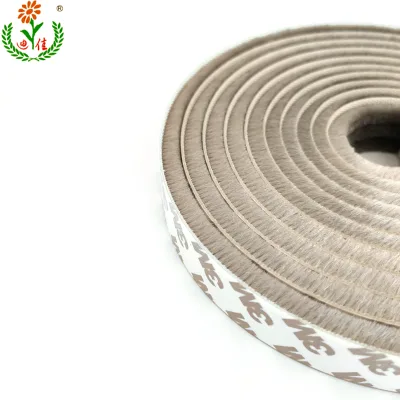
Compare 30 available dust-proof window brush sealing strip options from verified suppliers. These products feature customizable sizes and materials like PVC or EPDM for effective sealing in doors, windows, and furniture applications.
Key considerations
Products List




Comprehensive Sourcing Guide
Strategic Sourcing Guide for Dust-Proof Window Brush Sealing Strips
Understanding Product Specifications and Material Variability
The procurement of dust-proof window brush sealing strips requires a precise understanding of the technical specifications that define product performance. Unlike generic gaskets, brush seals rely on the interaction between bristle density and the gap between the door or window frame and the sash. The supplied market data indicates that the core product category is identified as a "Brush Sealing Strip," with specific model numbers such as NP013, W007, and WF016 appearing in various listings. Buyers must recognize that these model numbers often correspond to specific dimensional profiles rather than universal standards.
Material selection is the primary driver of durability and environmental resistance. The observed product attributes reveal a diverse range of materials, including PVC, EPDM, TPE, and Silicone. Some listings explicitly state "EPDM Rubber Or Flexible PVC," while others specify "Hard Rubber" or "Plastic." This variation suggests that the "dust-proof" capability is not inherent to the category name alone but is a function of the specific material formulation chosen. For instance, EPDM is often preferred for its resistance to ozone and weathering, whereas PVC offers cost-effective flexibility. The physical dimensions are equally critical; observed specifications list lengths ranging from 0.2 to 6 meters and thicknesses of 2, 4, or 6 mm. The size and shape are frequently noted as customizable based on customer drawings or samples, meaning that off-the-shelf solutions may not fit every application without modification.
Furthermore, the color options observed in the market include Black, White, Orange, and Brown. While color is often an aesthetic choice, it can also indicate the base polymer type or the presence of specific UV stabilizers. Buyers should verify that the color consistency is maintained across the production batch, as variations can signal inconsistent mixing processes. The product origin is consistently listed as Zhejiang, China, a major manufacturing hub for rubber and plastic extrusions. However, the specific manufacturing location within this region does not guarantee uniform quality, necessitating a rigorous supplier evaluation process.
Technical Performance and Functional Attributes
The functional performance of a brush sealing strip is defined by its ability to create a barrier against external elements while maintaining operational smoothness. The observed product attributes highlight several key features: Waterproof, Soundproof, Dust-Proof, and Windproof. These claims are interdependent; a strip that effectively blocks dust must also manage air infiltration to be considered windproof. The "Easy Installation" feature is frequently cited, suggesting that the design often includes adhesive backing or a mechanical retention system that simplifies the retrofitting process.
However, buyers must exercise caution regarding the "Electric Remote Control" feature listed in some attributes. This attribute appears inconsistent with the core definition of a passive sealing strip and may refer to a specific automated door system integration or be a data entry error in the source listings. In a standard dust-proof window application, the seal should function passively. The "Vulcanization" process is noted as "Non-continuous Vulcanization" for some items, which is a specific manufacturing method that affects the cross-linking density of the rubber. This process choice impacts the material's elasticity and recovery rate after compression.
The application scope is broad, covering Window, Door, Cabinet, and Furniture. Specific usage scenarios include Interior Doors, Garage Doors, Exterior Doors, and Commercial Doors. The versatility of the product is evident, but the performance requirements vary significantly between these applications. An exterior door seal must withstand UV exposure and temperature fluctuations, whereas a cabinet seal primarily needs to prevent dust accumulation in a controlled environment. The "Seal Tape Usage" attribute mentions "Gas Piping," which is a distinct application from window sealing and likely refers to a different product line within the same supplier's catalog. Buyers must ensure the specific product selected matches the intended application environment to avoid premature failure.
Compliance, Certification, and Quality Verification
When sourcing industrial sealing components, verifying compliance with international standards is essential for risk mitigation. The supplied data includes low-confidence background references to ISO9001, ISO14001, and ISO18001, as well as CE and RoHS certifications. It is critical to note that these are listed as background information and not as confirmed attributes for every listed product. Therefore, buyers cannot assume that a specific brush sealing strip listing possesses these certifications without direct verification from the supplier.
The "Standard" attribute is listed as "Standard" or "Customized" in various entries. This ambiguity underscores the need for buyers to request specific test reports and compliance documentation before placing an order. For products intended for export to the European Union, CE marking is a mandatory requirement, indicating conformity with health, safety, and environmental protection standards. Similarly, RoHS compliance is crucial for electronic or electrical applications, though less critical for passive window seals unless the product contains conductive bristles.
Buyers should establish a verification protocol that includes requesting a Certificate of Analysis (CoA) for the raw materials used, such as the EPDM or PVC compounds. The "After-sale Service" is listed as "Other," which is a non-specific designation. This implies that warranty terms and support mechanisms are not standardized across the market. The "Warranty" attribute mentions a "1 Year" period for some items, but this should be treated as a variable term subject to negotiation rather than a fixed industry standard. Quality control should focus on verifying the material composition against the claimed specifications, ensuring that the "Hard Rubber" or "Metal Rubber Compound" claims are backed by physical testing data.
Cost Drivers and Pricing Dynamics
The pricing structure for brush sealing strips is influenced by a complex interplay of material costs, order volume, and customization requirements. The observed price range in the market is 0.01 to 8.8 USD, a span that reflects the vast difference between simple plastic extrusions and high-performance silicone or EPDM compounds. The lower end of the spectrum likely corresponds to basic PVC products with standard dimensions, while the higher end may include custom profiles, specialized materials, or smaller batch sizes.
The Minimum Order Quantity (MOQ) is a significant cost driver. The observed MOQ range spans from 1 to 50,000 units, with specific listings showing MOQs of 10,000 meters, 3,000 pieces, and 1,000 pieces. This variability suggests that suppliers have different production thresholds. High MOQs, such as 10,000 meters, are typical for custom extrusion runs where the cost of tooling and setup is amortized over a large volume. Conversely, lower MOQs of 1,000 pieces may indicate the use of standard stock profiles or a supplier willing to accommodate smaller trial orders at a higher per-unit cost.
Customization is a major factor in cost escalation. The "prod_standard" attribute notes that size and color can be customized. Developing a new die for a specific profile incurs upfront tooling costs, which are often passed on to the buyer. Additionally, the "Design Style" is listed as "Modern," which may imply aesthetic requirements that necessitate tighter tolerances or secondary processing steps. Buyers should anticipate that requests for specific colors, such as Orange or Brown, might incur a premium if they require non-standard pigments. The "Selling Units" are listed as "Single item" in some contexts, which is unusual for industrial commodities and may indicate a sample or retail listing rather than a bulk procurement opportunity.
Supplier Evaluation and Operational Capabilities
Evaluating suppliers for brush sealing strips requires a focus on their production capabilities, logistical reliability, and responsiveness. The "Place of Origin" is consistently Zhejiang, China, a region known for a dense concentration of rubber and plastic manufacturers. However, the presence of a location does not guarantee quality. Buyers should verify the supplier's "Project Solution Capability," which is listed as "Others," indicating that they may offer custom engineering support beyond simple order fulfillment.
The "Brand Name" "jiasheng" appears in the data, but buyers should not limit their search to this specific entity. The market is fragmented, and many suppliers operate under private labels or generic names. The "Type" of product is consistently identified as "Brush Sealing Strip" or "Sealing Strip," but the "Material" varies from Plastic to Hard Rubber. A robust supplier evaluation should include a site audit or a detailed questionnaire regarding their vulcanization processes, specifically the "Non-continuous Vulcanization" method observed in some listings. This process affects the final product's mechanical properties and must be controlled to ensure consistency.
Logistical factors are equally important. The "Delivery" time is observed as 10-20 days or a specific 20-day window. This lead time must be factored into the procurement schedule, especially for projects with tight deadlines. The "prod_packing" is listed as "Carton" or "Standard Export Carton," which is standard for protecting extruded profiles during transit. However, buyers should confirm that the packaging is sufficient to prevent crushing or deformation of the brush strips, which are susceptible to damage if stacked improperly. The "Usage" attributes, including "Gas Piping" and "Doors & Windows," suggest that some suppliers offer a wide range of products. Buyers must ensure that the specific product line they are sourcing is managed by a dedicated team to avoid confusion with unrelated items.
Long-Term Procurement and Application Management
Sourcing brush sealing strips is not merely a transactional activity but a strategic decision that impacts the long-term performance of building envelopes and furniture. The "Application" scope includes Window, Door, Cabinet, and Furniture, each with unique environmental stressors. For exterior applications, the "Windproof" and "Dust-Proof" features are critical for energy efficiency and indoor air quality. Buyers should consider the lifecycle of the product; a seal that degrades quickly due to UV exposure or ozone will require frequent replacement, increasing total cost of ownership.
The "Customization" attribute is available, allowing buyers to tailor the seal to specific gap sizes and movement requirements. This flexibility is essential for retrofitting older buildings or designing custom cabinetry. However, customization introduces complexity into the supply chain. Buyers must maintain clear communication regarding the "Model Number" and "Size" to ensure that the delivered product matches the design intent. The "Standard" attribute indicates that while some products are standard, many are customized, requiring a more rigorous quality assurance process.
Long-term procurement considerations also include the "Warranty" and "After-sale Service." With a warranty period of 1 year observed in some listings, buyers should negotiate terms that cover premature failure due to material defects. The "Feature" of "Easy Installation" is a significant advantage for reducing labor costs during installation, but it must not compromise the seal's integrity. Buyers should request installation guidelines and training materials from the supplier to ensure that the product is installed correctly, as improper installation is a common cause of seal failure.
In conclusion, the market for dust-proof window brush sealing strips offers a wide array of options in terms of materials, dimensions, and customization. However, the variability in specifications, certifications, and supplier capabilities requires a disciplined approach to sourcing. By focusing on verified material properties, clear communication of technical requirements, and rigorous supplier evaluation, buyers can secure high-quality sealing solutions that meet their specific performance and cost objectives. The observed data provides a foundation for understanding the market landscape, but successful procurement depends on the buyer's ability to navigate the nuances of product attributes and supplier reliability.
Comparative Analysis of Product Attributes
To assist in decision-making, the following table summarizes the key attributes observed in the market data, highlighting the variability that buyers must navigate.
| Attribute Category | Observed Variability | Procurement Consideration |
|---|---|---|
| Material | PVC, EPDM, TPE, Silicone, Hard Rubber, Plastic | Verify material suitability for the specific environment (e.g., UV resistance for exterior). |
| Dimensions | Length: 0.2-6m; Thickness: 2/4/6mm; Size: 4-25mm | Confirm exact dimensions against gap measurements; expect customization for non-standard sizes. |
| MOQ | 1 to 50,000 units (e.g., 1000PCS, 3000PCS, 10000M) | Negotiate MOQ based on project scale; higher volumes may reduce per-unit cost. |
| Lead Time | 10-20 Days (specifically 20 days noted) | Factor into project scheduling; confirm if expedited shipping is available. |
| Certification | ISO9001, CE, RoHS (Low-confidence/Background) | Do not assume compliance; request specific certificates for the batch ordered. |
| Application | Window, Door, Cabinet, Furniture, Gas Piping | Ensure the product is designed for the specific application (e.g., exterior vs. interior). |
| Color | Black, White, Orange, Brown | Verify color consistency and availability for branding or aesthetic requirements. |
| Packaging | Carton, Standard Export Carton | Confirm packaging prevents damage during transit, especially for flexible brush strips. |
This comparison underscores the necessity of detailed specification sheets and clear communication with suppliers to ensure that the final product meets the exact requirements of the procurement project.
FAQs
What materials are used for dust-proof window brush sealing strips?
These strips are typically made from PVC, EPDM, TPE, or Silicone. Some listings also specify Hard Rubber or Plastic compositions. Buyers should verify the specific material formulation to ensure durability and environmental resistance for their application.
Can the size and shape of the sealing strip be customized?
Yes, customization is available based on customer drawings or samples. The standard size range includes lengths from 0.2 to 6 meters and thicknesses of 2, 4, or 6 mm. Specific profiles like NP013 or W007 may also be available as standard models.
What is the typical lead time for delivery of these products?
The delivery time generally ranges from 10 to 20 days. Some specific listings indicate a fixed 20-day window for production and shipment. Buyers should confirm the exact lead time with the supplier before placing an order.
Which features do dust-proof window brush sealing strips offer?
Key features include being waterproof, soundproof, dust-proof, and windproof. Easy installation is also a common attribute, though some listings mention electric remote control which may apply to specific automated systems. These seals are suitable for windows, doors, and cabinets.
What is the minimum order quantity for purchasing these strips?
The minimum order quantity varies significantly, ranging from 1 unit to 50,000 units. Specific listings show MOQs of 1,000 pieces, 3,000 pieces, or 10,000 meters. The required volume often depends on whether the product is a standard stock item or a custom profile.
Where are these sealing strips typically manufactured?
The place of origin is consistently listed as Zhejiang, China. This region is a major hub for rubber and plastic extrusions. Buyers should verify the specific factory location within this region to ensure quality control and logistical reliability.
What warranty is provided for these sealing products?
A 1-year warranty is mentioned for some items in the product listings. However, after-sale service is often listed as 'Other,' indicating that terms may vary. Buyers should negotiate specific warranty conditions and support mechanisms before finalizing the purchase.