Source Dust Monitor for Industrial, Environmental, and Mining Applications
Compare 30 Dust Monitor units from verified Chinese suppliers. Buyers can evaluate specifications like IP ratings, sampling rates, detection ranges, and temperature accuracy for industrial, environmental, and mining applications to find the right solution; compare the available evidence and request quotations based on your requirements.
Updated
Key considerations
Products List

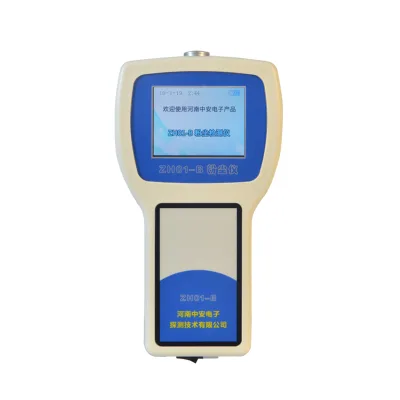
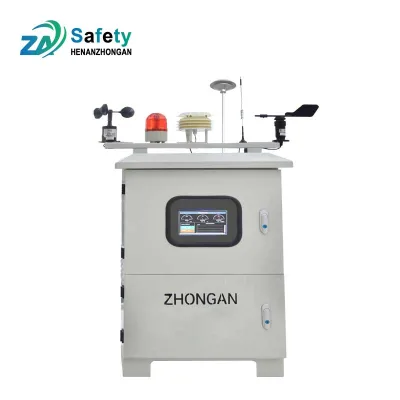

Stable High-Precision Dust Monitor for Industrial Environment Detection
$6800.00 - $7500.00
MOQ: 1 Unit

High Precision Flue Dust Monitor for Emission Testing with Adjustable Sensors
$6800.00 - $7500.00
MOQ: 1 Unit

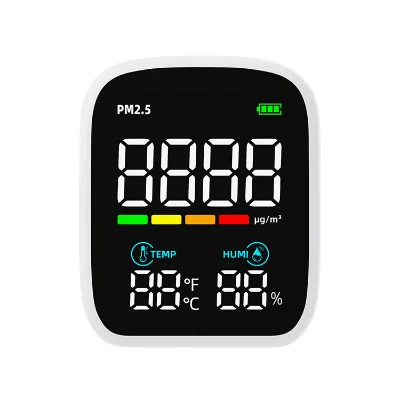
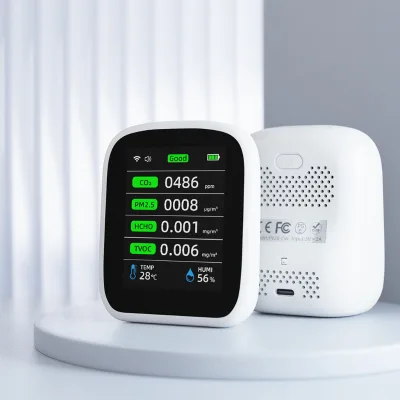

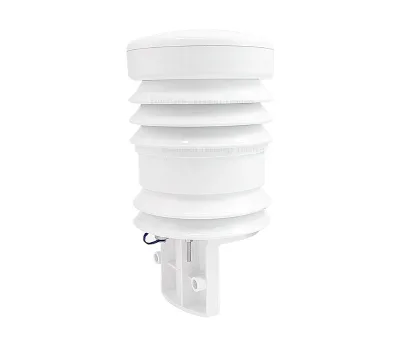
Integrated Durable and Easy to Install Dust Monitoring Sensor for PM Dust Observation
$299.00 - $359.00
MOQ: 1 sets
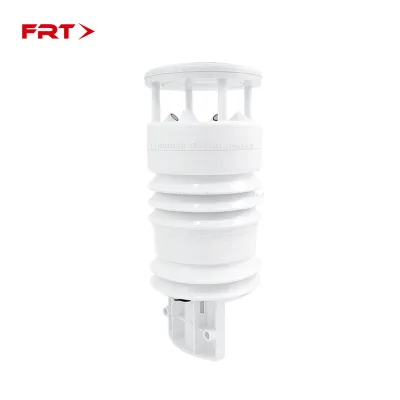
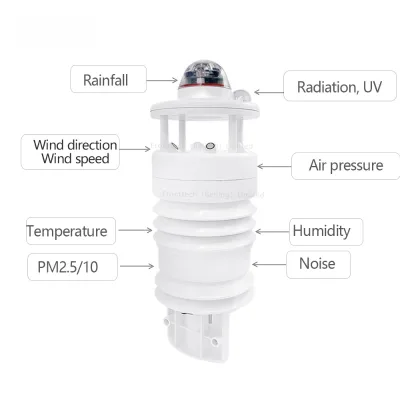


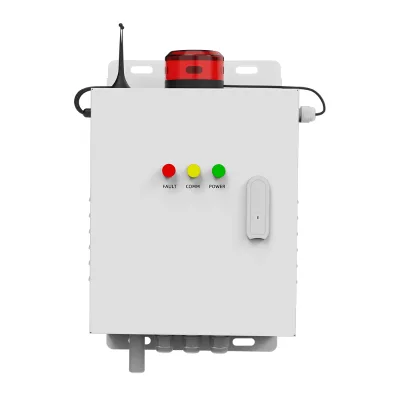
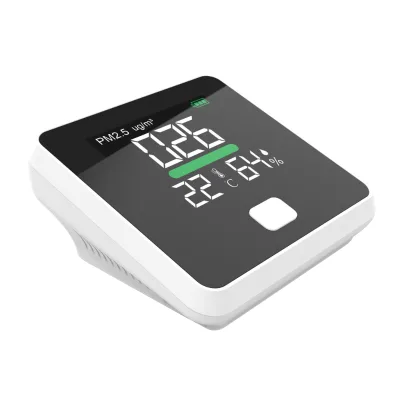
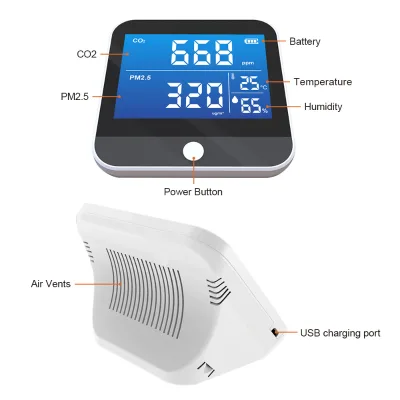
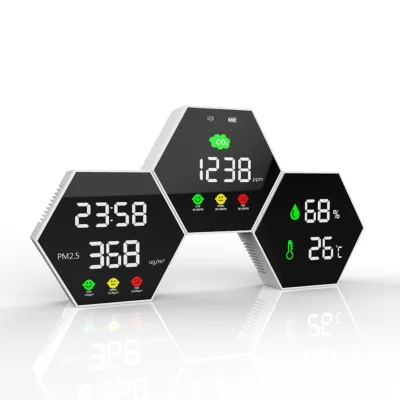
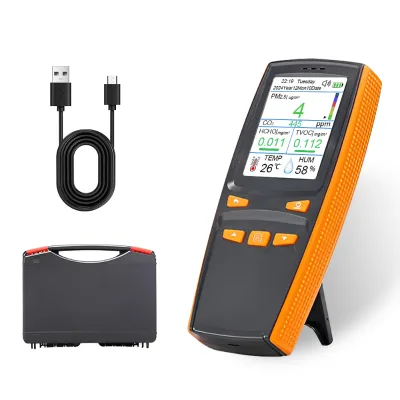
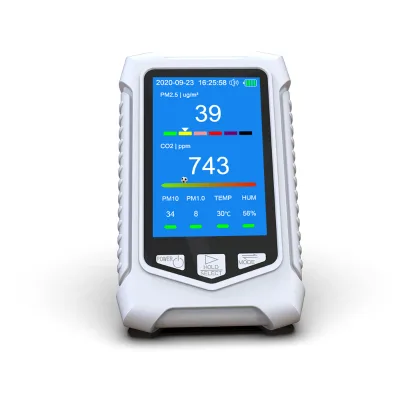
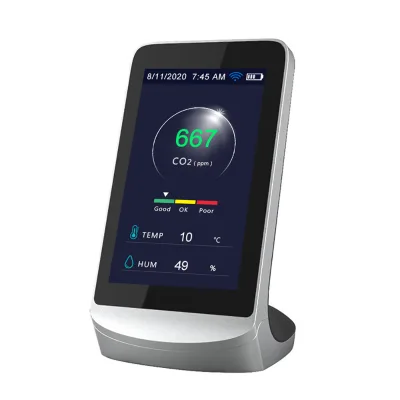
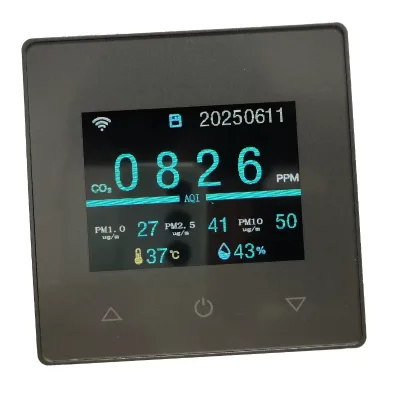
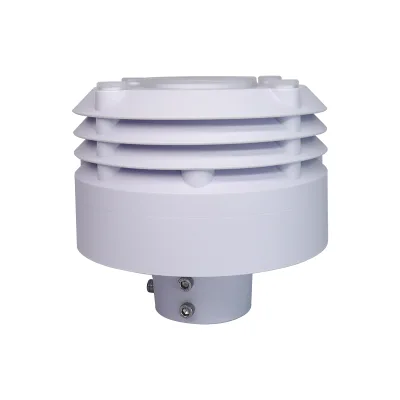
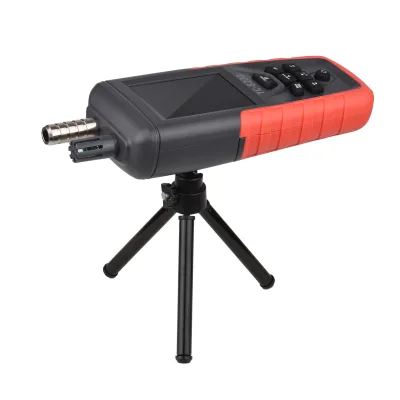

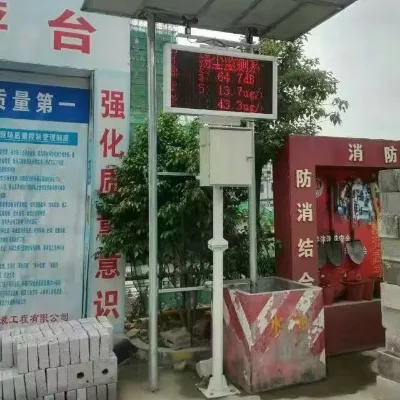

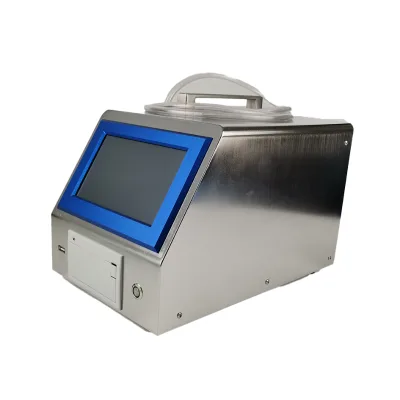
B1030 Handheld Airborne Particle Counter Industrial Grade Dust Monitoring100L/MIN
$9900.00 - $12740.00
MOQ: 1 pieces

Comprehensive Sourcing Guide
Dust Monitor Sourcing Guide
Procurement professionals must first distinguish between portable and fixed installation units, as the supplied data indicates a clear split in product categories. While some listings describe portable gas detectors with specific transmission ranges, other entries explicitly label units as non-portable with fixed, online, or pipeline working modes. Buyers should verify the intended deployment environment immediately, as the physical form factor dictates the required mounting infrastructure and power supply compatibility.
The observed market signals reveal a wide variance in operational capabilities, ranging from simple diffusion sampling to active pump suction systems with flow rates up to 2 liters per minute. This distinction is critical for applications requiring rapid response times or the ability to draw air from confined spaces. Sourcing teams must align the selected sampling method with the specific environmental conditions of the target site to ensure the device can effectively capture particulate matter or gas concentrations without performance degradation.
Product Scope and Observed Listing Signals
The current market inventory includes devices capable of detecting a broad spectrum of pollutants, including PM1.0, PM2.5, PM10, and various gases like sulfur dioxide and ozone. Some units feature advanced display modes with 7-inch color LCD screens, while others rely on basic sound and strobe light indications for status updates. Buyers should carefully review the detectable items list to ensure the monitor covers the specific contaminants relevant to their industrial field or environmental monitoring needs.
Listing data also highlights significant differences in physical dimensions and packaging, with single package sizes ranging from compact units to large industrial enclosures weighing up to 70 kilograms. The presence of customized support options, including OEM and OBM services, suggests that many suppliers can tailor the hardware to specific client requirements. Procurement teams must evaluate whether standard off-the-shelf models meet their needs or if custom engineering is necessary for integration into existing safety systems.
Technical Specifications to Verify
Operational environmental limits are a primary verification point, as observed units specify operating temperatures ranging from minus 10°C to 60°C or 0°C to 50°C depending on the model. Humidity tolerance also varies, with some devices rated for 10% to 95% Rh while others support up to 99% Rh under non-condensing conditions. Buyers must confirm that the selected device can withstand the specific climate conditions of the installation site to prevent sensor drift or hardware failure.
Data accuracy and response characteristics require rigorous validation, with some models boasting response times of T90 less than 30 seconds and indication errors within ±3% of full scale. Sampling rates and data update frequencies, such as updates occurring more than every two seconds, directly impact the system's ability to provide real-time alerts. Procurement specialists should request detailed test data to verify that the stated resolution and repeatability meet the precision requirements of their specific monitoring protocols.
Compliance and Safety Documentation
Explosion-proof ratings are a critical safety consideration for hazardous environments, with observed units carrying an Ex D Iic T6 certification. This rating indicates suitability for specific explosive gas atmospheres, but buyers must verify that the specific zone classification of their facility matches the device's rating. Relying on general safety claims without confirming the exact hazardous area classification can lead to significant compliance violations and safety risks.
Ingress protection levels are equally vital for outdoor or harsh industrial applications, with listings showing IP 65 and P65 ratings for dust and water resistance. These ratings ensure that the internal electronics remain protected against dust ingress and low-pressure water jets, which is essential for long-term reliability. Procurement teams should demand certification documents that explicitly confirm these protection levels rather than accepting unverified marketing descriptions.
Cost Drivers and Commercial Terms
Pricing in the observed market spans a vast range from 15 to 12,740 USD, driven largely by the complexity of the detection principles and the inclusion of advanced features like PID sensors or infrared technology. Higher-priced units often include comprehensive data storage capabilities, such as the ability to store 1,000 erasable records, and sophisticated debugging modes via remote control. Buyers should correlate the price point with the specific functional requirements to avoid overpaying for unnecessary features or under-specifying critical safety functions.
Commercial terms vary significantly, with minimum order quantities ranging from single items to larger batches, and warranty periods observed at 18 months for certain models. The selling units are typically listed as single items, but the availability of customized support suggests that bulk orders may involve different pricing structures or lead times. Procurement managers must clarify the total cost of ownership, including potential costs for calibration, maintenance, and the replacement of consumable parts like filters or sensors.
Supplier Qualification and Quality Control
Geographic origins of the listed products include Jiangsu and Henan in China, indicating a concentration of manufacturing capabilities in these regions. While the supply base is established, buyers must verify the specific factory capabilities and quality control processes for each supplier to ensure consistency. The presence of standardized packaging dimensions and specific model numbers suggests a level of industrial maturity, but individual supplier performance can still vary widely.
Quality assurance should focus on the repeatability of measurements, with some specifications requiring a relative standard deviation not greater than 3%. Buyers should request evidence of internal testing protocols and the ability to provide traceable calibration certificates for the sensors used. Establishing a clear quality control framework with the supplier is essential to mitigate the risk of receiving units that do not meet the agreed-upon performance standards upon delivery.
Long-Term Procurement Checks
Sustainability and long-term support are key factors, as evidenced by the 18-month warranty periods and the availability of remote debugging modes for maintenance. Buyers should assess the supplier's ability to provide ongoing firmware updates and sensor replacements to extend the operational life of the monitoring equipment. A robust after-sales support structure is necessary to handle any technical issues that arise during the extended deployment of the dust monitors.
Future-proofing the procurement strategy involves verifying the compatibility of the selected units with evolving data standards and integration requirements. The ability to store data and the presence of various working modes, such as fixed or online configurations, suggest that these systems are designed for scalable deployment. Procurement teams should plan for potential upgrades or expansions, ensuring that the initial investment remains viable as monitoring needs evolve over time.
FAQs
What detection principles are used in these dust monitors?
The devices utilize PID, electrochemical, and infrared detection principles to ensure accurate monitoring. This multi-principle approach allows for versatile application in industrial fields. It supports the detection of various pollutants including TVOC, PM2.5, and PM10. This versatility makes the equipment suitable for comprehensive environmental monitoring tasks in complex settings.
Can the Dust Monitor operate in high humidity environments?
Yes, the unit is designed to function within a humidity range of 10% to 99% RH. It operates reliably without condensation issues. The IP65 rating further protects internal components from dust and water ingress. This ensures stable performance even in challenging industrial environments with varying moisture levels.
What is the sampling rate for the gas detector?
The sampling rate is specified at 0.5 litres per minute for standard operation. Some models support a pump suction flow of 2 litres per minute. This flexibility allows users to choose the appropriate method based on their specific monitoring needs and environmental conditions.
How long is the warranty period for the equipment?
The standard warranty period provided is 18 months. This coverage ensures support for the device's operational reliability. Buyers should verify specific terms with suppliers as policies may vary. The warranty helps mitigate risks associated with long-term industrial use and maintenance.
What is the data storage capacity of the monitor?
The device can store up to 1,000 test data points. This storage capacity is erasable, allowing for continuous monitoring cycles. It ensures that historical data is available for analysis without immediate external transfer. This feature supports efficient data management in remote or fixed installations.
Is customization available for these industrial monitors?
Customization is available for these units, supporting OEM and OBM services. Buyers can request specific modifications to meet unique operational requirements. This flexibility allows for tailored solutions in various industrial applications. Suppliers should be consulted for specific customization options and associated lead times.