Source Dutch Style Iced Coffee Dripper for Home, Hotel, and Office
Compare 30 glass cold brew options including the Ecocoffee BD19 and BD25 models. These dutch style iced coffee drippers feature sustainable materials and customizable packaging for home, hotel, and office use; compare the available evidence and request quotations based on your requirements.
Key considerations
Products List


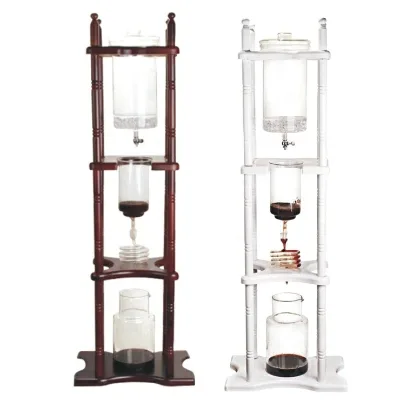
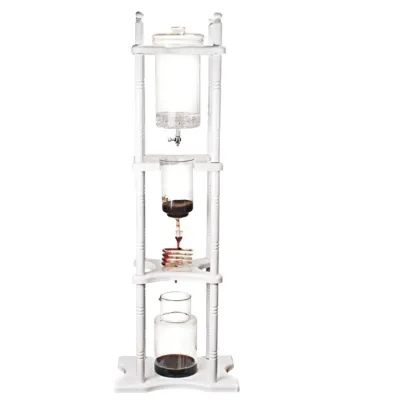
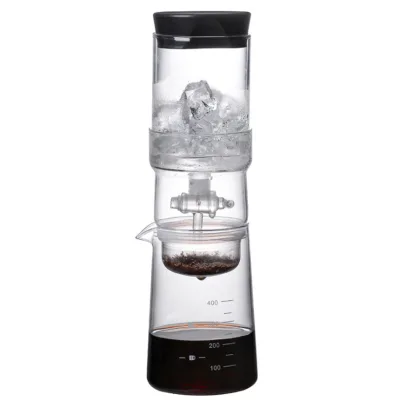
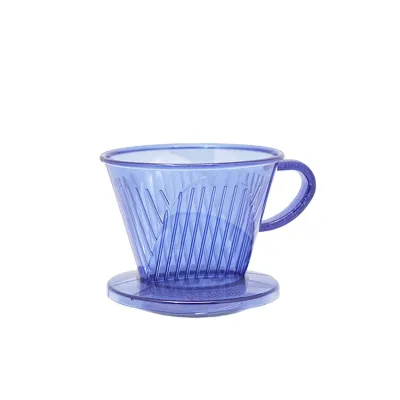
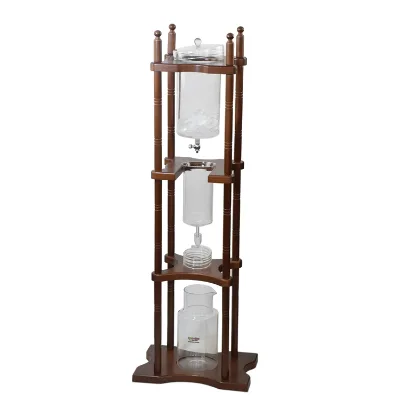
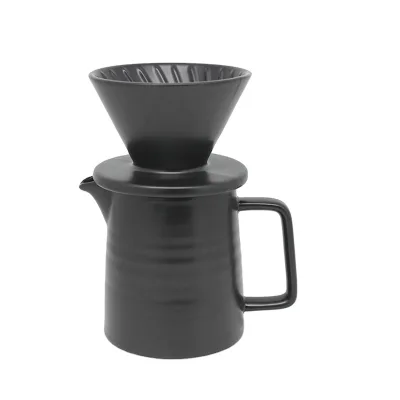


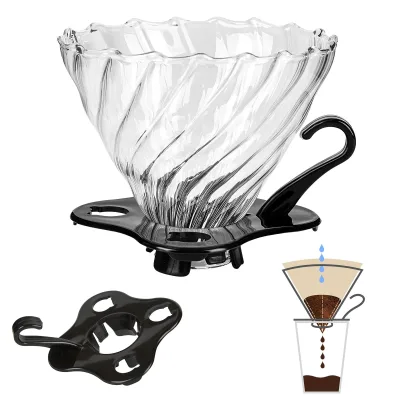
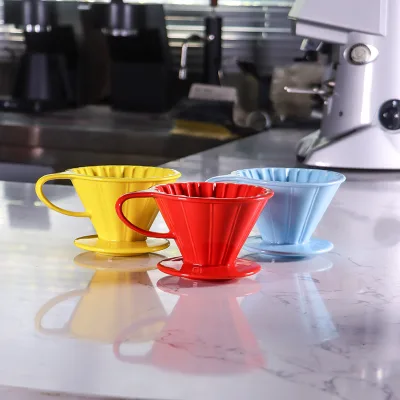
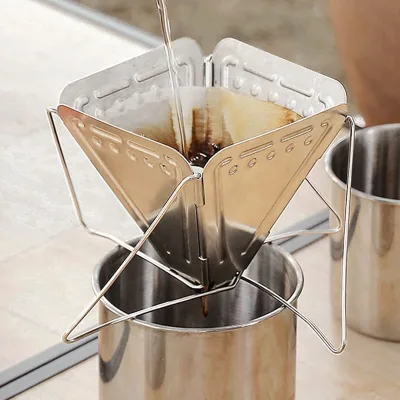
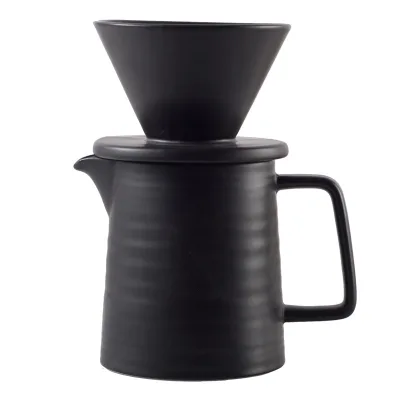
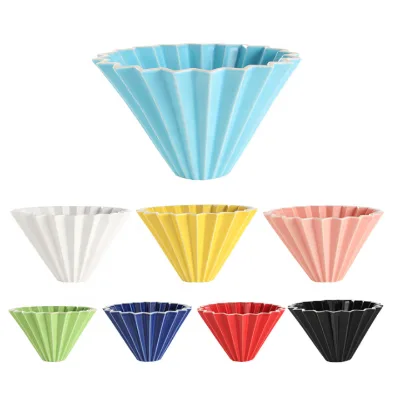
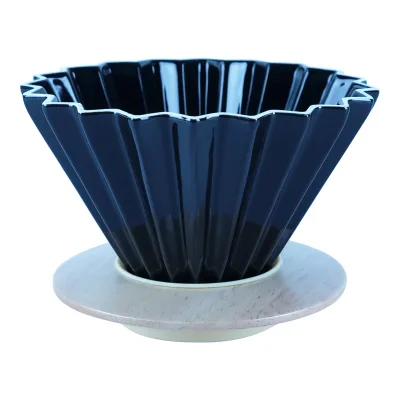
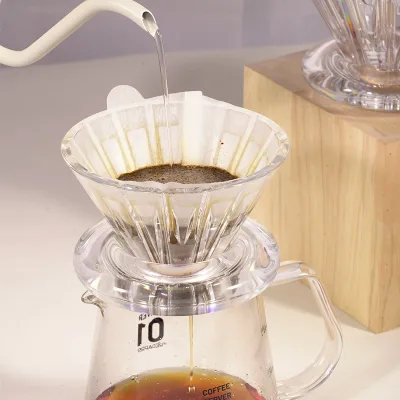
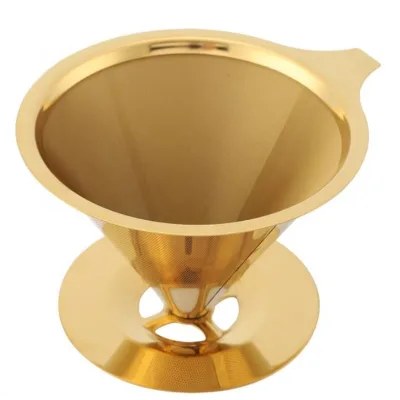
Coffee Accessories Ceramic Pour Over Coffee Dripper Sets for Brew Coffee
$7.54 - $9.00
MOQ: 96 Minimum
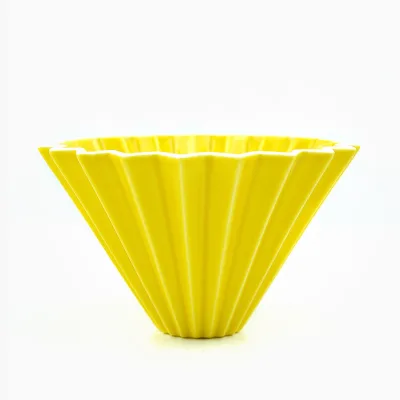
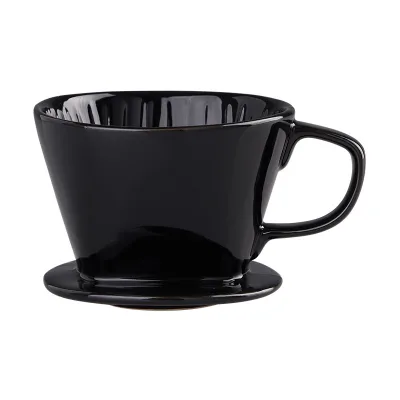
Comprehensive Sourcing Guide
Dutch Style Iced Coffee Dripper Sourcing Guide
Buyers evaluating Dutch style iced coffee drippers must first distinguish between specific capacity models and general glass brewing vessels. The market data indicates a wide range of capacities, from 600ml units suitable for single servings to larger 1000ml or 25-cup systems designed for commercial hospitality environments. Understanding these volume distinctions is critical before engaging suppliers, as the physical dimensions and material thickness required for a 1000ml vessel differ significantly from those needed for a compact 600ml unit.
Procurement decisions should also account for the specific functional claims observed in listings, such as the ability to brew espresso or general coffee and tea. While some products are explicitly marketed as "Dutch Cold Brewers" with sustainable features, others are listed simply as glass coffee pots with boiling water applicability. Buyers must verify that the specific model selected aligns with their intended brewing method, ensuring the glass construction supports the thermal shock requirements of cold brew processes without compromising structural integrity.
Product Scope and Observed Listing Signals
The observed product scope reveals a diverse array of configurations, including clear glass models and options featuring white or brown finishes. Listings frequently highlight customization availability, allowing buyers to request specific logos or packaging variations like white, color, or brown boxes. This flexibility is particularly valuable for brands seeking to align the product's aesthetic with their own identity, though buyers must confirm whether the customization applies to the glass itself or only the external packaging materials.
Market signals also point to a mix of stocked and custom-made inventory, with some suppliers offering immediate availability while others require lead times for bespoke orders. The presence of "Eco-Friendly" and "Reusable" attributes suggests a focus on sustainability, yet buyers should treat these as observations rather than guaranteed certifications. It is essential to cross-reference these marketing terms with physical product samples to ensure the glass quality and manufacturing processes genuinely meet environmental and durability expectations.
Technical Specifications to Verify
Technical verification must begin with precise capacity measurements, as observed listings range from 4 cups to 25 cups, with specific models like BD19 and BD25 indicating distinct volume tiers. Buyers should request detailed dimensional data, including height and overall footprint, to ensure the dripper fits within their existing kitchen or bar infrastructure. The standard packaging dimensions of 432770CM per set provide a baseline for logistics planning, but individual unit sizes will vary significantly based on the selected capacity model.
Material composition and thermal properties are equally critical, with glass being the primary material across the observed range. Buyers must verify the glass type to ensure it can withstand the temperature differentials inherent in cold brew preparation, especially when combined with hot water for cleaning or specific brewing techniques. Additionally, the model numbers such as GV13 and BD7 should be treated as unique identifiers for specific design iterations, requiring confirmation of the exact features like lid types or filter compatibility before finalizing any order.
Compliance and Safety Documentation
Compliance verification should prioritize the presence of recognized safety certifications, with CIQ appearing as a documented standard for certain listings. While this indicates a level of regulatory adherence, buyers must confirm the specific scope of the CIQ certification to ensure it covers food contact safety for the glass material used in the drippers. Relying solely on the presence of a certification label without reviewing the actual test reports can lead to gaps in understanding the product's safety profile for commercial use.
Documentation regarding material safety and durability should also be scrutinized, particularly for products marketed as eco-friendly or reusable. Buyers need to ensure that the glass used is free from harmful substances and that the manufacturing process adheres to relevant food safety standards. Although some listings mention advantages like reusability, these claims require backing from third-party test results or manufacturer guarantees to validate the product's long-term safety and performance in a professional setting.
Cost Drivers and Commercial Terms
Cost structures are heavily influenced by customization levels and order volumes, with observed minimum order quantities ranging from a single unit to 1000 units. Buyers should anticipate that customized orders involving specific logos or unique packaging will carry higher unit costs compared to standard stocked items. The availability of sample products suggests that initial testing is feasible, but the cost implications of sampling versus bulk purchasing must be weighed carefully to optimize the overall procurement budget.
Commercial terms also vary based on the origin and logistics requirements, with products originating from China and specific regions like Anhui. Buyers must factor in shipping costs, which can be significant given the fragile nature of glass products and the varying dimensions of different capacity models. Understanding the packaging standards, such as the use of brown or color boxes, is essential for calculating freight costs and ensuring that the products arrive without damage, as improper packaging can lead to substantial financial losses.
Supplier Qualification and Quality Control
Supplier qualification should focus on their ability to provide consistent quality across different capacity models and customization requests. The presence of features like "Business Services" and "Stocked" items indicates a supplier's capacity to handle both immediate needs and larger, customized orders. Buyers should verify the supplier's track record in delivering glass products that meet the specific durability and aesthetic requirements of the Dutch cold brew market, ensuring they can maintain quality control throughout the production process.
Quality control protocols must include rigorous inspection of the glass for defects such as bubbles, cracks, or uneven thickness, which can compromise the brewing experience. Buyers should request detailed quality assurance procedures, including pre-shipment inspections and random sampling methods, to ensure that the final products match the agreed-upon specifications. The ability to provide samples and the willingness to engage in detailed discussions about product features are strong indicators of a supplier's commitment to quality and customer satisfaction.
Long-Term Procurement Checks
Long-term procurement strategies should include regular audits of supplier performance and product consistency over time. Buyers need to establish clear metrics for evaluating the durability and performance of the glass drippers, ensuring they continue to meet the high standards required for commercial use in hotels, restaurants, and offices. Regular feedback loops with suppliers can help identify potential issues early and facilitate continuous improvement in product design and manufacturing processes.
Sustainability and supply chain resilience are also critical factors for long-term success, given the eco-friendly attributes often highlighted in product listings. Buyers should assess the supplier's commitment to sustainable practices and their ability to maintain a stable supply of raw materials. By building a partnership based on transparency and shared values, buyers can ensure a reliable source of high-quality Dutch style iced coffee drippers that support their brand's long-term growth and market positioning.
FAQs
What materials are used for the Dutch Style Iced Coffee Dripper?
The dripper is constructed from high-quality glass to ensure durability and clarity. This material allows users to monitor the brewing process effectively. The design supports sustainable usage and is stocked for immediate availability. It is suitable for home, hotel, restaurant, and office environments. The simple style complements various kitchen decors while maintaining functionality.
Can the product be customized for specific branding needs?
Yes, customization is available for this glass coffee pot. Buyers can request specific logos or packaging options. The product supports both white and color box packaging. Some models allow for customized branding to meet business requirements. This flexibility helps companies align the product with their brand identity. The service ensures that the final item meets specific corporate standards.
What capacities are available for the iced coffee dripper?
The dripper comes in various capacities to suit different needs. Options include 1000ml, 600ml, and specific cup counts like 4, 8, or 25 cups. These variations allow users to choose based on their daily consumption. The large capacity models are ideal for offices or restaurants. Smaller sizes are perfect for individual home use or small cafes.
Which certifications does the Dutch Style Iced Coffee Dripper hold?
The product holds CIQ certification, ensuring it meets specific quality standards. This certification verifies the safety and reliability of the glass material. Buyers can trust the product for commercial and personal use. The certification adds value for businesses requiring compliant sourcing. It confirms that the manufacturing process adheres to established industry regulations.
How is the product packaged for shipping and storage?
The dripper is packaged in white boxes, color boxes, or brown cartons. This flexible packaging option protects the glass during transit. The standard packing size is 43*27*70CM per set. Each set weighs approximately 5kg for logistics planning. The packaging ensures the product arrives in pristine condition for end users.
What is the minimum order quantity for bulk purchases?
The minimum order quantity starts at 1 piece for this item. This low MOQ allows buyers to test the product easily. It is suitable for small businesses or individual purchasers. Bulk buyers can also order larger quantities up to 1000 pieces. The flexible ordering policy supports various business scales and inventory needs.
Where is the Dutch Style Iced Coffee Dripper manufactured?
The product is manufactured in China, specifically in the Anhui region. This location is known for its glass manufacturing capabilities. Buyers can source directly from these established production centers. The origin ensures consistent quality and competitive pricing. The supply chain is optimized for efficient global distribution and delivery.