Source E0 Certified Indoor MDF Board for Furniture, Hotel, Decoration
Compare 30 listings of E0 Certified Indoor MDF Board available from suppliers in China. Buyers can evaluate specifications like thickness, formaldehyde emission standards, and surface finishing options for furniture, hotel interiors, and decoration projects.
Key considerations
Products List


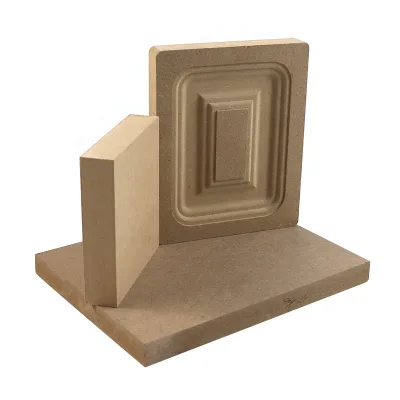
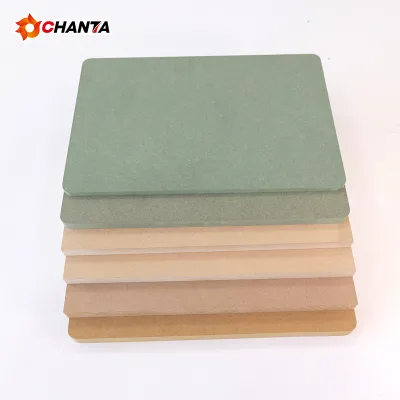
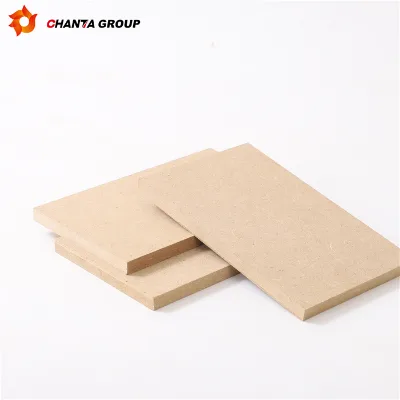
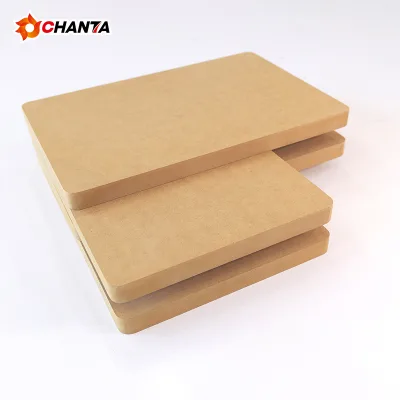
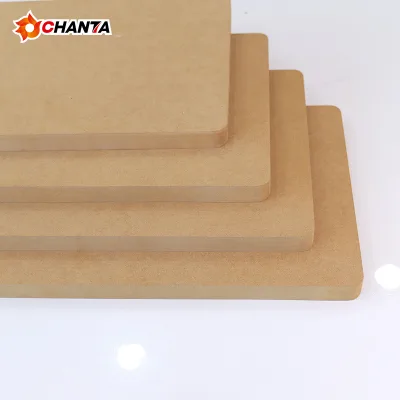
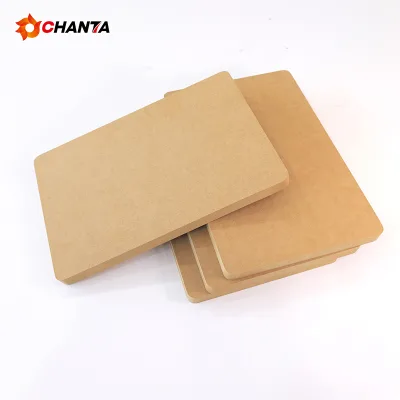
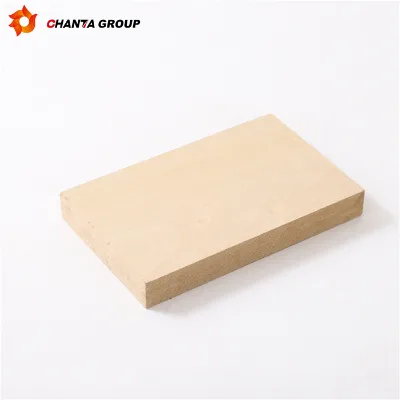


High Quality Plain MDF Board with Competitive Price for Indoor and Outdoor
$3.00 - $20.00
MOQ: 500 Pieces


Fiber Board Wood MDF / HDF Board E0 E1 E2 Grade Wooden MDF with Different Thickness
$3.00 - $28.80
MOQ: 2000 Pieces

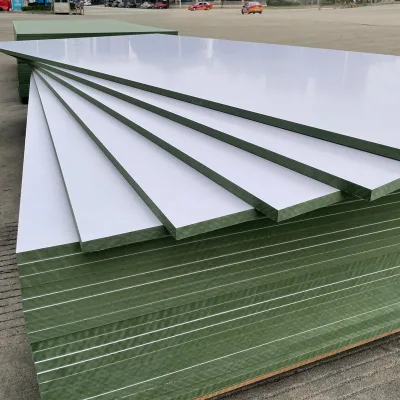
1220*2440mm Furniture Grade High Quality MDF Board for Indoor Decoration
$4.90 - $11.90
MOQ: 1000 piece
Comprehensive Sourcing Guide
Strategic Sourcing Guide for E0 Certified Indoor MDF Boards
Procuring Medium Density Fiberboard (MDF) with specific environmental compliance, particularly E0 formaldehyde emission standards, requires a disciplined approach to supplier evaluation and technical verification. For buyers targeting indoor applications, the intersection of material performance, regulatory adherence, and supply chain reliability forms the core of a successful sourcing strategy. This guide synthesizes available product attributes and industry standards to provide a framework for evaluating potential suppliers without relying on unverified claims or external market speculation.
Understanding E0 Standards and Formaldehyde Emission Compliance
The primary driver for sourcing "E0 certified" MDF is the stringent control of formaldehyde emissions, a volatile organic compound (VOC) that poses health risks in enclosed indoor environments. The E0 standard represents a specific threshold for formaldehyde release, often lower than the E1 standard commonly found in general construction materials. When evaluating suppliers, buyers must verify that the product explicitly meets the E0 requirement as stated in the product specifications.
In the current market, formaldehyde emission standards vary by region and application. While some listings indicate compliance with E0, others may reference E2 or general emission standards. It is critical for procurement teams to distinguish between these classifications. The presence of an E0 designation in a product listing suggests a manufacturing process that utilizes low-emission resins or advanced pressing techniques to minimize VOC release. However, buyers should not assume that all "indoor" MDF automatically meets E0 criteria. Verification requires checking the specific product data sheet for the formaldehyde emission standard designation.
Compliance is not merely a marketing label; it is a technical specification that must be backed by testing. Buyers should request documentation that confirms the board's emission levels align with the E0 threshold. This verification step is essential because the same manufacturer may produce boards with different emission grades depending on the resin type and production batch. The distinction between E0, E1, and E2 is significant for indoor projects such as hotels, residential interiors, and furniture manufacturing, where air quality is a priority.
Technical Specifications and Material Composition
The physical and mechanical properties of MDF are as critical as its chemical compliance. For indoor applications, the board must offer dimensional stability, adequate density, and the correct thickness to support the intended design. Based on observed product data, standard dimensions for MDF boards often include sizes like 12202440mm, 12202800mm, and 1830*2440mm. These standard sheet sizes facilitate efficient cutting and minimize waste during fabrication.
Thickness is another vital parameter. The market offers a range of thicknesses, including 9mm, 15mm, and 18mm options. The selection of thickness depends on the structural requirements of the application. For instance, 9mm boards are often used for backing or light-duty shelving, while 18mm boards are preferred for cabinetry and furniture frames that require higher load-bearing capacity. Buyers must ensure that the selected thickness aligns with the project's engineering specifications.
Material composition also plays a role in performance. The primary raw material for many high-quality MDF boards is wood fiber, often derived from poplar or other fast-growing timber species. The grade of the material, such as "First-Class," indicates the quality of the fiber and the consistency of the board. Additionally, the production process, whether semi-dry or dry-process, influences the density and internal bond strength of the final product.
Tolerance levels are equally important for precision manufacturing. A thickness tolerance of ±0.2 mm is a common specification for high-quality MDF. This tight tolerance ensures that the boards fit together seamlessly in joinery and assembly, reducing the need for excessive sanding or adjustment. Buyers should verify that the supplier guarantees these tolerance levels in their quality assurance protocols.
Certification Verification and Regulatory Alignment
Beyond formaldehyde emissions, a comprehensive certification profile is necessary for international procurement. The E0 standard is often part of a broader compliance framework that includes environmental and safety certifications. Common certifications observed in the MDF sector include CARB (California Air Resources Board), ISO (International Organization for Standardization), FSC (Forest Stewardship Council), and CE (Conformité Européenne).
The CARB certification is particularly relevant for buyers targeting the North American market, as it mandates strict limits on formaldehyde emissions. Similarly, FSC certification ensures that the wood fiber is sourced from responsibly managed forests, which is increasingly important for corporate sustainability goals. The presence of multiple certifications, such as CE, ISO, CARB, and FSC, on a single product listing indicates a robust quality management system and adherence to multiple international standards.
However, buyers must exercise caution when interpreting certification claims. Not every product from a supplier with an FSC label will necessarily meet E0 emission standards. The certifications are often product-specific or batch-specific. Therefore, the procurement process must include a verification step where the specific product model is cross-referenced with its certification documents. This ensures that the board being purchased is the one that carries the claimed certifications.
Cost Drivers and Economic Factors in MDF Procurement
The price of MDF boards is influenced by a complex interplay of raw material costs, production processes, and logistical factors. The observed price range for MDF boards can vary significantly, from low-cost options to premium grades, reflecting differences in material quality, thickness, and certification status. Buyers should anticipate that E0 certified boards, which require specialized resins and stricter quality control, may command a higher price point than standard emission boards.
Minimum Order Quantity (MOQ) is another critical economic factor. Suppliers may set MOQs ranging from 1 unit to 2000 units, depending on the product type and production capacity. For small-scale projects or prototype development, buyers may need to negotiate lower MOQs or seek suppliers with flexible order policies. Conversely, large-scale procurement can benefit from economies of scale, potentially reducing the unit cost.
Logistics and packaging also contribute to the total cost of ownership. MDF boards are typically shipped on wooden pallets or crates to prevent damage during transit. The choice of packaging, whether wooden pallets, paper cartons, or specialized binding boards, affects the handling efficiency and protection of the goods. Buyers should consider the cost of packaging and the potential for damage during shipping when evaluating the total landed cost.
Typical Applications and Design Considerations
The versatility of MDF makes it suitable for a wide range of indoor applications. Common uses include furniture manufacturing, interior decoration, and hotel fit-outs. The material's smooth surface and uniform density make it ideal for painting, veneering, and laminating. For projects requiring a specific design style, such as modern interiors, MDF offers the flexibility to be cut into complex shapes and profiles.
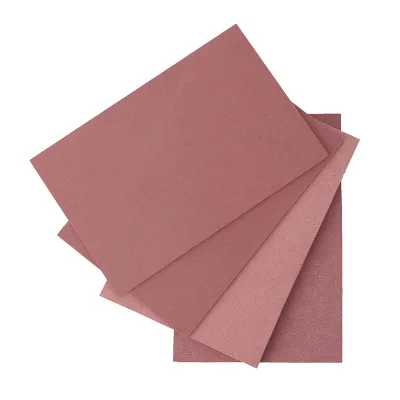
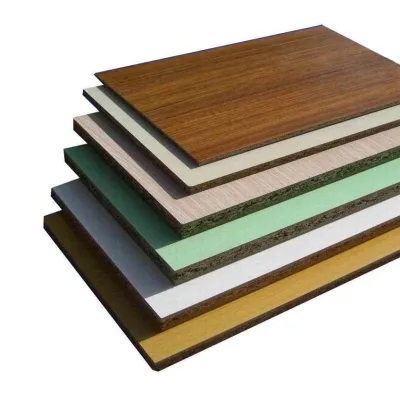
The application of MDF in hotels and commercial spaces often demands high durability and aesthetic appeal. In these settings, the board may be used for wall paneling, cabinetry, and decorative elements. The availability of customization options, such as different thicknesses, sizes, and surface finishes, allows designers to tailor the material to specific project requirements. Some suppliers offer double-sided decoration or colorful veneer board surfaces, which can enhance the visual impact of the final product.
However, the use of MDF in outdoor applications requires careful consideration. While some product listings indicate "Indoor/Outdoor" usage, the standard E0 certified indoor MDF is primarily designed for interior environments. Exposure to moisture and direct sunlight can degrade the material over time. For outdoor projects, buyers should seek specialized weather-resistant variants or ensure that the indoor MDF is properly sealed and protected.
Supplier Evaluation and Quality Control Protocols
Selecting the right supplier is paramount to ensuring the quality and compliance of the MDF boards. Buyers should evaluate suppliers based on their production capabilities, quality control systems, and after-sales support. A supplier with a "Semi-Dry Process" or "Dry-Process" production line demonstrates a commitment to specific manufacturing techniques that affect the board's properties.
Quality control should be a central part of the supplier evaluation. Buyers should inquire about the supplier's testing procedures for formaldehyde emissions, thickness tolerance, and density. The ability to provide third-party test reports or certification documents is a strong indicator of a supplier's reliability. Additionally, the supplier's warranty policy, which may range from 1 to 5 years, reflects their confidence in the product's longevity.
After-sales service is another critical factor. Suppliers that offer online technical support can assist buyers in resolving issues related to installation, finishing, or product performance. This support is particularly valuable for complex projects where technical expertise is required. The location of the supplier, such as Shandong, China, may also influence lead times and shipping costs, which should be factored into the procurement decision.
Long-Term Procurement and Supply Chain Resilience
Sourcing MDF boards is not just a one-time transaction but a long-term relationship that impacts project success and operational efficiency. Buyers should consider the supplier's ability to maintain consistent quality over time and their capacity to scale production as project demands grow. The availability of customized models, such as "Plain MDF" or specific model numbers like "HC mdf2483," indicates a supplier's flexibility in meeting diverse project needs.
Supply chain resilience is also crucial. Buyers should assess the supplier's inventory management and production planning to ensure timely delivery. Lead times can vary based on order volume and production schedules, so establishing clear communication channels is essential. The use of standardized packaging, such as pallets or crates, helps streamline logistics and reduces the risk of damage during transit.
Finally, buyers should stay informed about evolving regulations and market trends. The demand for sustainable and low-emission materials is likely to increase, driving further innovation in the MDF industry. By maintaining a proactive approach to supplier evaluation and technical verification, buyers can ensure that their procurement strategies remain aligned with the highest standards of quality and compliance.
FAQs
What formaldehyde emission standards apply to these boards?
The boards meet E0 formaldehyde emission standards, which are stricter than E1 and E2 levels. Some listings also reference E2 compliance, so buyers must verify the specific product data sheet to confirm the E0 threshold for indoor applications.
Which certifications ensure environmental and safety compliance?
Common certifications include CARB, ISO, FSC, and CE, often appearing together on product listings. CARB specifically mandates strict formaldehyde limits for North American markets, while FSC ensures responsible wood fiber sourcing from managed forests.
What standard dimensions and thicknesses are available?
Standard sheet sizes include 1220*2440mm, 1220*2800mm, and 1830*2440mm. Thickness options typically range from 9mm for light-duty backing to 15mm and 18mm for furniture frames requiring higher load-bearing capacity and structural stability.
How does the production process affect board quality?
Manufacturing uses either a Semi-Dry Process or Dry-Process to influence density and internal bond strength. The primary material is wood fiber, often derived from poplar, with a grade classified as First-Class for consistent quality.
Can I find suppliers offering customization options?
Yes, customization is available for various product models like Plain MDF or specific model numbers. Buyers can request tailored thicknesses, sizes, and surface finishes, including double-sided decoration or colorful veneer board surfaces for specific design styles.
What warranty and after-sales support are provided?
Warranty periods typically range from 1 year to 5 years depending on the specific product listing. Suppliers often provide online technical support to assist with installation, finishing, or resolving performance issues related to the board.