Source E Mechanism Body Flute for Schools, Bands, and Studios
Find 30 E Mechanism Body Flute options from verified manufacturers. Compare key materials like silver-plated nickel silver and cupronickel, hole designs, and packing details to select the right wind instrument for your inventory needs.
Key considerations
Products List


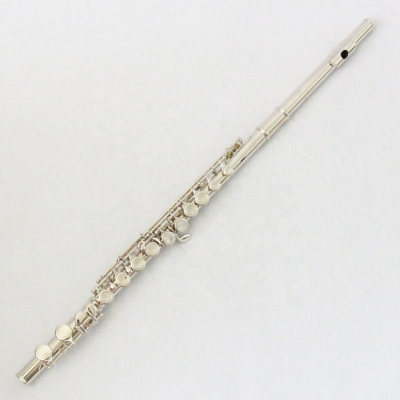
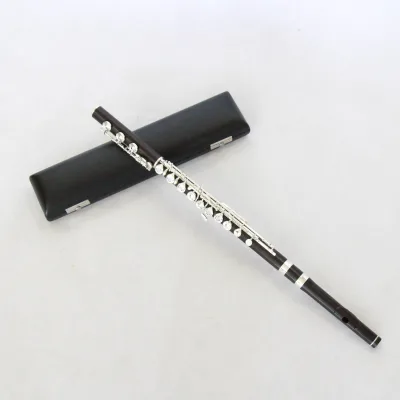
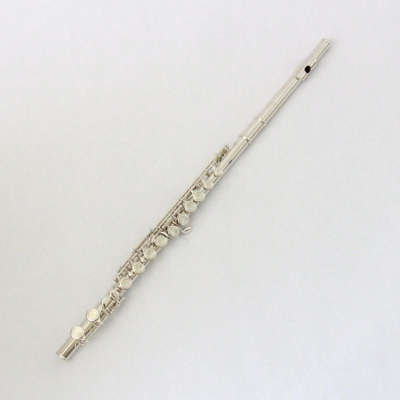
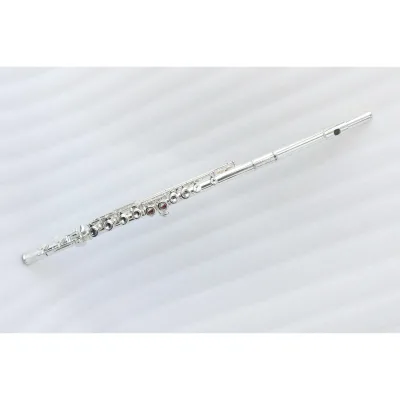
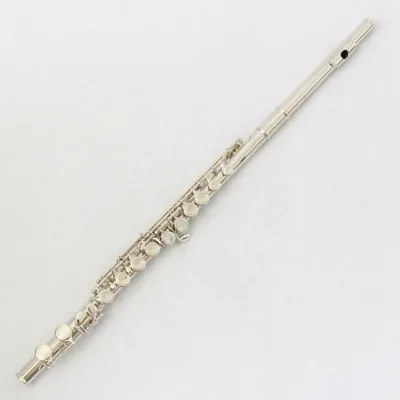

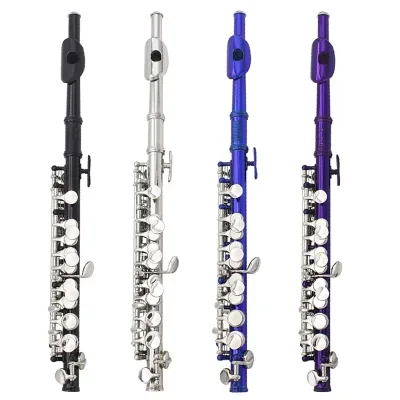
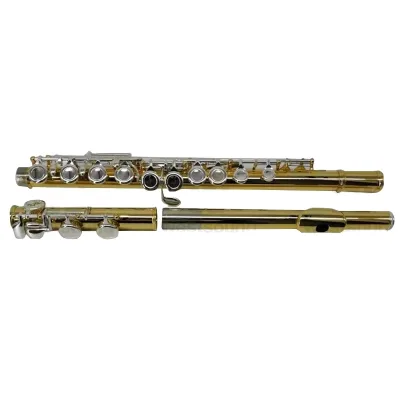
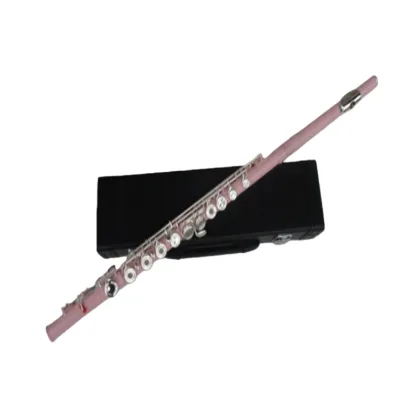
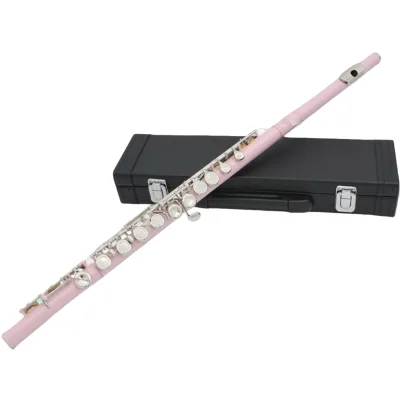
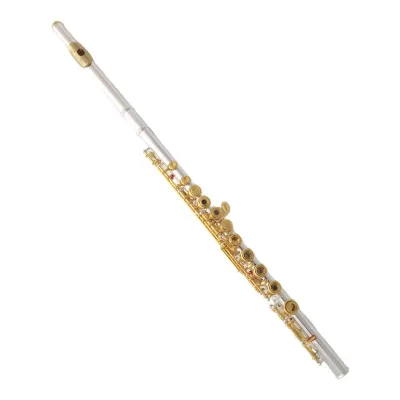

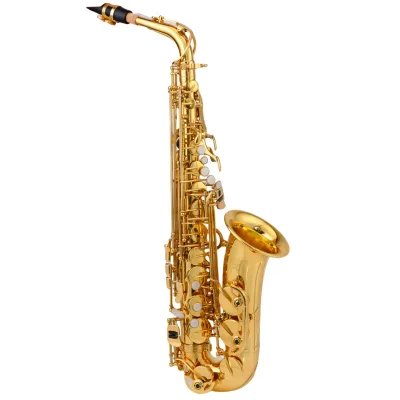

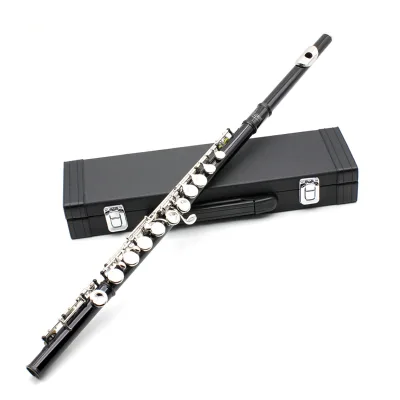
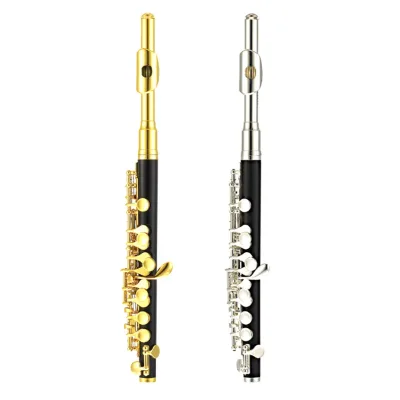
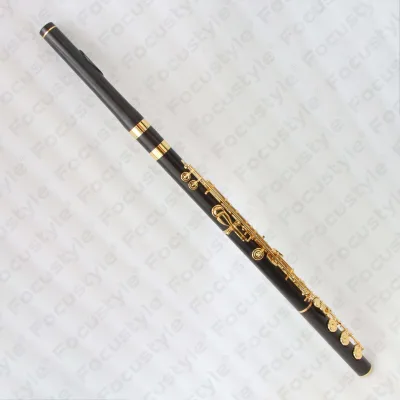
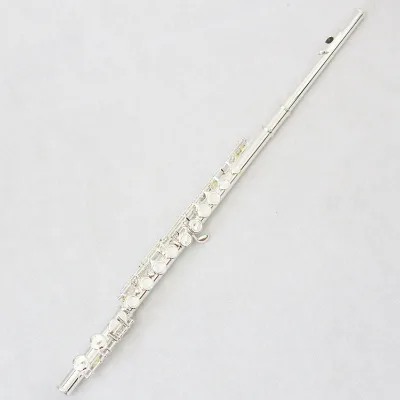
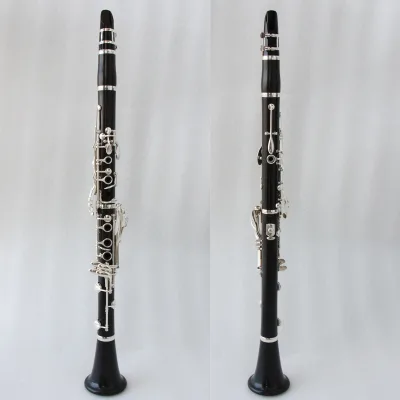
Comprehensive Sourcing Guide
E Mechanism Body Flute Sourcing Guide
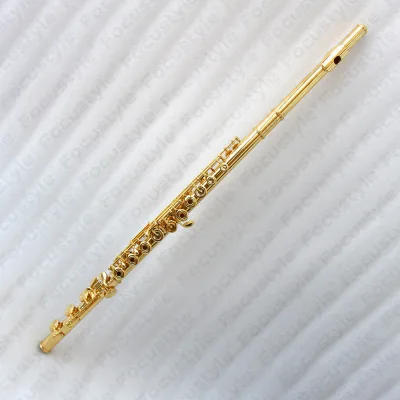
Sourcing an E Mechanism Body Flute requires a nuanced understanding of both the mechanical configuration and the material composition that defines the instrument’s tonal quality and playability. The E mechanism is a critical ergonomic feature that allows for smoother execution of specific musical passages, particularly those involving the E and F notes, by reducing finger travel and improving intonation stability. Buyers must distinguish between standard body constructions and those specifically engineered with this mechanism, as the latter often command a premium due to the additional machining and assembly complexity involved. The decision to source this specific configuration should be driven by the target market’s demand for professional-grade instruments or advanced student models that require enhanced technical performance.
The procurement landscape for these instruments is characterized by a wide variance in material specifications, ranging from nickel silver and cupronickel to silver-plated finishes, which directly impacts both the acoustic properties and the final unit cost. Suppliers often offer customization options, allowing buyers to tailor the key mechanics, surface treatments, and packaging to their brand identity. However, this flexibility introduces complexity into the quality assurance process, as each customization variant requires distinct verification protocols. Buyers must establish clear technical specifications before engaging with suppliers to ensure that the delivered goods match the intended performance standards, particularly regarding the alignment of the E mechanism keys and the consistency of the bore dimensions.
Product Scope and Observed Listing Signals
The current market for E mechanism body flutes exhibits a broad price range, observed between $0.15 and $4,270 USD, reflecting the disparity between entry-level student instruments and high-end professional models. This variance is primarily driven by the key material, with options including copper-nickel, nickel silver, and 925 silver, as well as the surface finish, such as nickel plating or silver plating. The presence of a case, often included in packaging configurations, adds to the perceived value and protects the instrument during transit. Buyers should interpret the lower end of this price spectrum as indicative of basic nickel silver bodies with standard plating, while the higher end suggests the use of precious metal plating or more complex key mechanisms, such as those featuring offset G keys or specialized tone hole designs.
Listing signals also reveal significant variation in packaging and logistical details, which are critical for calculating landed costs. Common packaging methods include carton packing, cloth cover foam boxes, and specific carton dimensions such as 44x27x39 cm or 48x28x39 cm, which influence shipping volume and freight charges. Some suppliers specify a packing quantity of 10 pieces per carton, while others may list different unit counts or single-item packaging. The origin of these instruments is predominantly China, with specific mentions of Tianjin as a place of origin and Xingang as a primary port, which suggests a concentrated supply chain in this region. Buyers must carefully review these logistical details to avoid unexpected freight surcharges or handling fees associated with non-standard packaging sizes.
Technical Specifications to Verify
Verification of the E mechanism’s functionality is paramount, as improper alignment can lead to air leaks and inconsistent tuning. Buyers should request detailed technical drawings or videos demonstrating the key action, specifically focusing on the linkage between the E key and the adjacent mechanisms. The number of holes, typically 16 for standard concert flutes, must be confirmed, along with the specific design of these holes, whether open or closed, which affects the instrument’s responsiveness and tonal character. Additionally, the tone of the instrument, often specified as C or G for the main body or specific keys, should be verified against the buyer’s requirements, as this determines the fundamental pitch and harmonic series of the flute.
Material composition and finish quality are equally critical technical aspects that require rigorous verification. The body material, whether nickel silver or cupronickel, must be consistent throughout the instrument to ensure uniform thermal expansion and acoustic resonance. Surface materials, such as silver plating or nickel plating, should be inspected for uniformity and adhesion, as poor plating can lead to tarnishing or skin irritation for the player. Buyers should also verify the key mechanics, noting if they are constructed from 925 silver or other alloys, as this affects the durability and weight of the keys. The model numbers, such as LKFL-420SE or FFL-100N, serve as unique identifiers for these specifications and should be cross-referenced with the supplier’s technical documentation to ensure accuracy.
Compliance and Safety Documentation
Safety documentation for musical instruments primarily focuses on material safety and the absence of harmful substances, particularly in the plating and finishing processes. Buyers must ensure that the silver plating or nickel plating used on the flute body complies with international standards for heavy metal content, such as limits on lead and cadmium, to protect both the manufacturer and the end-user. While specific certification statuses are not universally listed, buyers should request material safety data sheets (MSDS) or test reports from accredited laboratories to verify that the surface materials are free from toxic elements. This is especially important for instruments intended for markets with strict regulatory frameworks, such as the European Union or North America.
Environmental compliance is another critical area, particularly regarding the manufacturing processes used to produce the nickel silver or cupronickel bodies. Buyers should inquire about the supplier’s adherence to environmental management standards, such as ISO 14001, to ensure that the production of these instruments does not contribute to excessive pollution or waste. The use of specific finishes, such as silver plating, may involve chemical processes that require proper disposal and handling protocols. Buyers should verify that the supplier has implemented measures to manage these environmental impacts, as this can affect the brand’s reputation and compliance with corporate social responsibility (CSR) policies.
Cost Drivers and Commercial Terms
The cost of an E Mechanism Body Flute is heavily influenced by the raw material prices, particularly for silver and nickel, which are subject to market fluctuations. The thickness and quality of the silver plating, whether on the body or the keys, represent a significant portion of the material cost. Additionally, the complexity of the E mechanism itself, including the number of moving parts and the precision required for assembly, adds to the manufacturing labor costs. Buyers should anticipate higher unit prices for instruments with 925 silver key mechanics or those featuring custom logo printing and laser graphics, as these processes require additional time and specialized equipment.
Commercial terms, including minimum order quantities (MOQ) and payment conditions, vary significantly among suppliers. Observed MOQs range from 1 to 100 pieces, with some suppliers specifying an MOQ of 50 pieces for customized orders. Payment terms are typically structured around T/T (Telegraphic Transfer), with deposits required before production and balances due before shipment. Lead times, often cited as 30-40 days, must be factored into the procurement schedule, especially for customized orders that require additional processing time for plating and assembly. Buyers should negotiate clear terms regarding penalties for delayed delivery and conditions for order cancellation to mitigate financial risk.
Supplier Qualification and Quality Control
Supplier qualification begins with verifying the manufacturer’s production capacity and technical expertise in flute manufacturing. Buyers should assess the supplier’s facility for the presence of specialized machinery for bore drilling, key bending, and plating, as these processes require precision equipment to ensure consistent quality. The availability of customization services, such as laser printing for logos or graphic design, indicates a supplier’s ability to meet specific branding requirements. Buyers should also evaluate the supplier’s experience with E mechanism flutes, as this specific configuration requires a higher level of skill in key alignment and adjustment compared to standard models.
Quality control protocols must be clearly defined and enforced throughout the production process. Buyers should implement pre-production samples approval, where a representative sample is tested for tone, intonation, and mechanical function before mass production begins. During production, in-line inspections should be conducted to check for defects in plating, key alignment, and body finish. Final random inspections, based on statistical sampling methods, should be performed before shipment to ensure that the delivered goods meet the agreed-upon specifications. Buyers should also verify the supplier’s packaging standards, ensuring that instruments are protected against damage during transit, particularly given the delicate nature of the key mechanisms and the plating finish.
Long-Term Procurement Checks
Long-term procurement success depends on establishing a robust relationship with suppliers who can provide consistent quality and reliable delivery over time. Buyers should conduct periodic audits of the supplier’s quality management systems to ensure that they continue to meet the required standards. This includes reviewing the supplier’s process for handling customer complaints and implementing corrective actions for any recurring defects. Regular communication regarding market trends and product updates can help buyers stay ahead of competition and ensure that their flute offerings remain relevant and desirable.
Continuous monitoring of supply chain risks is essential, particularly regarding the availability of raw materials and the stability of production costs. Buyers should diversify their supplier base where possible to mitigate the risk of supply disruptions. Additionally, staying informed about changes in international trade regulations and environmental standards can help buyers avoid compliance issues and maintain their market access. By maintaining a proactive approach to supplier management and quality assurance, buyers can ensure the long-term success of their flute product line and build a reputation for reliability and quality in the marketplace.
FAQs
What materials are used for the flute body and keys?
The flute body is constructed from Nickel Silver or Cupronickel, while the keys are made of 925 Silver or Copper-Nickel. Some models feature a Silver Plated surface material to ensure durability and a bright tone. These material choices support the instrument's acoustic performance and resistance to corrosion.
Which hole designs are available for this flute model?
Available hole designs include both Closed and Open configurations depending on the specific model selected. The product line offers variations such as the LKFL-420SE with a closed design and others with an open design. Buyers should verify the specific model number to confirm the exact hole configuration required.
Can the flute be customized with specific logos or designs?
Yes, customization is available for this flute product line. Buyers can request laser printing for logos or graphic designs on the instrument. This service allows for branding options while maintaining the standard specifications of the body material and key mechanism provided in the catalog.
What is the minimum order quantity for purchasing these flutes?
The minimum order quantity varies by supplier but can be as low as 1 piece or typically starts at 50 pieces. Some listings indicate an MOQ of 50 pcs for specific models like the FFL-100N. Buyers should check the specific supplier requirements to confirm the exact threshold for their order.
How are the flutes packaged for shipping and delivery?
Packaging options include individual cloth cover foam boxes or cartons containing 10 pieces per carton. Shipping methods utilize sea or air freight with standard carton packaging. The single package size is often around 42x15x9 cm, ensuring safe transport for the wind instrument during international delivery.
What is the typical delivery time for these instruments?
The standard delivery time ranges from 30 to 40 days after order confirmation. This lead time applies to the production and shipping process from the origin in Tianjin, China. Buyers should account for this duration when planning their procurement schedule to ensure timely arrival of the instruments.