Source E0 Smooth Surface Plywood LVL for construction, furniture, and packing
Find 30 verified listings for E0 Smooth Surface Plywood LVL suitable for construction, furniture, and packing applications. Buyers can compare formaldehyde emission standards, thickness options, and bonding strength specifications from multiple suppliers in Shandong, China.
Key considerations
Products List
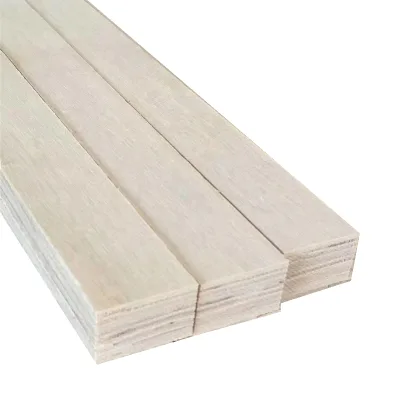
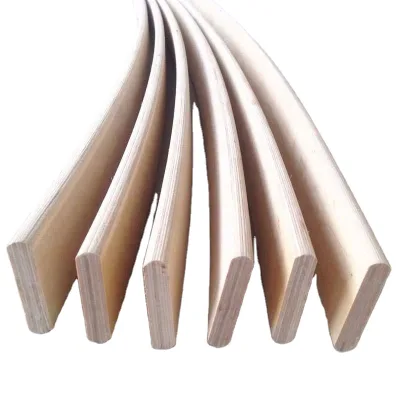


Versatile Multilayer Plywood LVL with Exceptional Grain Direction
$260.00 - $490.00
MOQ: 100 Square Meters

Premium Multilayer Plywood LVL for Structural and Decorative Use
$260.00 - $490.00
MOQ: 100 Square Meters

Premium Multilayer Plywood LVL with Grade One Quality Assurance
$260.00 - $490.00
MOQ: 100 Square Meters

Exceptional Multilayer Structure Plywood LVL with Grade One Quality
$260.00 - $490.00
MOQ: 100 Square Meters


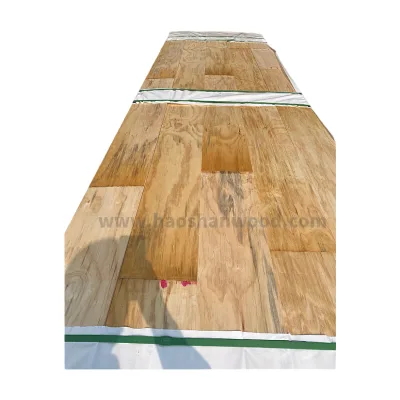


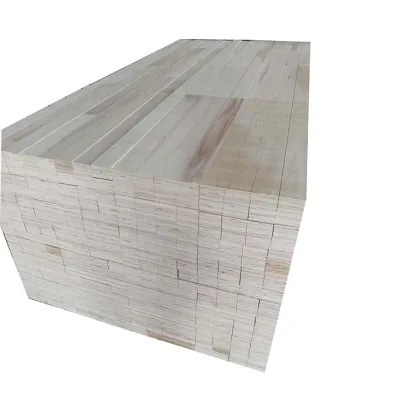

Comprehensive Sourcing Guide
Strategic Sourcing Guide for E0 Smooth Surface Plywood LVL
Understanding the Technical Profile of LVL Plywood
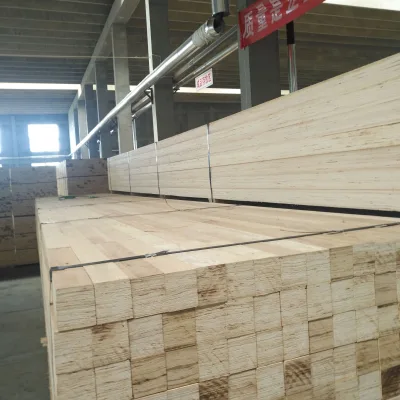
When sourcing E0 Smooth Surface Plywood LVL, buyers must first distinguish between standard plywood and Laminated Veneer Lumber (LVL). The core keyword implies a product that combines the structural integrity of LVL with the surface finish of high-grade plywood. Based on observed market data, the primary material composition for these products is predominantly Poplar, often combined with Pine. The core structure is frequently described as "full poplar" or "Poplar Hardwood Combi," indicating a solid wood core rather than a particle-based alternative. This composition is critical for applications requiring high bending strength and stiffness.
The physical specifications for these boards vary significantly across listings, reflecting the customizability of the manufacturing process. Thickness is a primary variable, with observed ranges spanning from 16 mm to 28 mm, and specific instances noting 18 mm or 25 mm as common options. Width dimensions are equally flexible, ranging from 10 mm up to 1200 mm, while length can extend up to 8000 mm. This allows for the production of long-span structural beams or large-format panels for interior fit-outs. The surface finishing process is a key differentiator; many listings specify "Double-Sided Decoration," which often involves melamine or similar laminates. The available melamine colors observed include Red, Yellow, and Cherry, though the surface material is sometimes listed as "Other" or customizable to "AS your needs."
The grain structure is another technical observation. While some products feature a "Straight Grain" which is preferred for aesthetic consistency, others may exhibit an "Irregular Grain." Buyers should verify the grain pattern against their specific design requirements, as this impacts the final visual appeal of the finished product. Furthermore, the bonding strength is a critical structural parameter. Data indicates the existence of two primary bonding strength classifications: Ⅱ(Ns) and Ⅲ(Nc). These designations relate to the durability of the adhesive under different moisture and load conditions, and verifying which class applies to a specific order is essential for structural safety.
Formaldehyde Emission Standards and Environmental Compliance
The "E0" designation in the core keyword refers to a specific formaldehyde emission standard, representing one of the strictest limits for indoor air quality. In the context of the supplied product data, formaldehyde emission standards are explicitly listed as E0, E1, and E2. The E0 standard is the target for high-end interior applications where air quality is paramount. However, buyers must exercise caution, as the market data also lists products with E2 standards. This indicates that while E0 is available, it is not a universal attribute for all LVL plywood products in this category.
Compliance verification is necessary because the term "E0" is often used as a marketing claim that may vary by region or testing protocol. The supplied facts mention "Formaldehyde Emission Standards: E2" and "Formaldehyde Emission Standards: E0" as distinct observations. To ensure the product meets the specific "E0" requirement, buyers must request independent test reports from the supplier. Relying solely on the product title or a general "E0" label without documentation is risky. Additionally, while some background knowledge suggests certifications like CE or FSC, these are not confirmed in the specific product attributes provided. Therefore, the procurement strategy must prioritize asking for current, valid test certificates that explicitly state the formaldehyde emission levels in mg/L or ppm, matching the specific regulatory requirements of the destination market.
Cost Drivers and Pricing Dynamics
The pricing for E0 Smooth Surface Plywood LVL is influenced by a complex interplay of material costs, processing complexity, and order volume. The observed price range in the market is substantial, spanning from 3 USD to 550 USD. This wide variance suggests that the unit price is not fixed but is highly dependent on the specific configuration of the order. Factors driving the lower end of the price spectrum likely include smaller dimensions, standard thicknesses, and lower-grade surface finishes. Conversely, the higher price points are associated with custom sizes, premium E0 adhesives, double-sided decoration, and specialized bonding strengths.
Order Volume is another significant cost driver. The Minimum Order Quantity (MOQ) observed ranges from 1 to 400 units. Buyers purchasing small quantities, such as single items or samples, may face a higher per-unit cost compared to those placing bulk orders that meet the higher MOQ thresholds. The "Selling Units" are listed as "Single item," which implies that the platform or supplier accommodates both small and large orders, but the economic efficiency improves with volume.
Material composition also dictates cost. While Poplar is the dominant material, the inclusion of Pine or the use of "Poplar Hardwood Combi" can alter the price. Products with "First-Class" or "Excellent Grade" ratings typically command a premium over standard grades. Furthermore, the customization options, such as specific melamine colors or non-standard dimensions, add to the manufacturing complexity and, consequently, the final cost. Buyers should expect that a request for E0 certification, double-sided decoration, and custom dimensions will place the order at the higher end of the observed price range.
Typical Applications and Usage Scenarios
The versatility of E0 Smooth Surface Plywood LVL allows it to serve a diverse range of applications, from structural support to interior design. The product attributes indicate usage in both "Indoor" and "Outdoor" environments, although the "E0" standard is primarily relevant for indoor air quality. For indoor applications, the material is suitable for apartment construction, as noted in the "Application: Apartment" attribute. The "Straight Grain" and "Double-Sided Decoration" features make it ideal for visible structural elements, cabinetry, and furniture where aesthetics are as important as strength.
For outdoor applications, the product attributes list "Outdoor" usage and "Anti-Corrosion" features. However, buyers must verify the specific adhesive class (Ⅱ or Ⅲ) to ensure the board can withstand moisture exposure without delamination. The "Usage: Packing" attribute suggests that these boards are also utilized in logistics and shipping, where durability and the ability to bear heavy loads are critical. The "Project Solution Capability" is listed as "Others" or "Total solution for projects," indicating that suppliers may offer design and engineering support for complex builds.
The "Design Style" is noted as "other," implying that the product is adaptable to various architectural styles. Whether for residential apartments or commercial packing solutions, the LVL structure provides the necessary load-bearing capacity. The "Warranty" of 2 years and "After-sale service" including online technical support suggest that these products are intended for professional use where long-term performance and support are expected. Buyers should match the specific application (e.g., high-moisture outdoor vs. dry indoor) with the correct bonding strength and surface treatment specifications.
Supplier Evaluation and Quality Assurance
Evaluating suppliers for E0 Smooth Surface Plywood LVL requires a rigorous approach to verifying claims against physical evidence. The "Place of Origin" is consistently listed as "Shandong, China," which is a major hub for wood processing. However, the origin alone does not guarantee quality. Buyers should focus on the supplier's ability to provide proof of the "E0" emission standard through third-party testing. The presence of "CE," "SGS," and "ISO" standards in the product attributes is a positive indicator, but these must be current and applicable to the specific batch being ordered.
Quality control should extend to the physical inspection of the "Grade." The data lists "FIRST-CLASS" and "Excellent Grade" as available options. Buyers must define what constitutes "First-Class" in their contract, as this can vary between manufacturers. Inspecting the "Core" for "full poplar" consistency is vital to prevent voids or weak spots that could compromise structural integrity. The "Bonding Strength" classification (Ⅱ or Ⅲ) must be clearly stated on the purchase order and verified upon delivery.
The "Project Solution Capability" and "Total solution for projects" attributes suggest that some suppliers offer more than just raw materials. These suppliers may provide design assistance, ensuring the LVL dimensions and properties align with the structural requirements of the project. Buyers should prioritize suppliers who offer "Online technical support" and have a clear "Warranty" policy, as these services indicate a commitment to long-term customer satisfaction. Additionally, the "Packing List" and options for "Loose Packing" or "Strong Pallets" are crucial for ensuring the product arrives without damage, especially given the high value of some LVL configurations.
Long-Term Procurement and Strategic Considerations
Sourcing E0 Smooth Surface Plywood LVL is not merely a transactional purchase but a strategic decision that impacts the longevity and safety of the final project. The "Customization: Available" attribute highlights the importance of flexibility in procurement. As project requirements evolve, the ability to order specific thicknesses, widths, and lengths up to 8000 mm ensures that the supply chain can adapt to changing needs without compromising the project timeline.
Buyers should consider the "Lead Time" and "MOQ" dynamics when planning their procurement schedule. With an MOQ range of 1 to 400, small projects can be initiated with minimal inventory risk, while large-scale developments can leverage bulk ordering for cost efficiency. However, the variability in lead times, though not explicitly quantified in the data, is a common factor in international wood trade. Establishing a relationship with a supplier who offers "Total solution for projects" can mitigate these risks by providing more predictable delivery schedules and consistent quality.
Finally, the "Warranty" and "After-sale service" are critical for long-term risk management. A 2-year warranty provides a safety net against premature failure, but it is contingent on proper installation and adherence to the supplier's specifications. Buyers should ensure that their installation teams are trained on the specific properties of the LVL, particularly regarding moisture resistance and bonding strength. By focusing on these strategic elements, buyers can secure a supply of high-quality E0 Smooth Surface Plywood LVL that meets both immediate project needs and long-term performance expectations.
FAQs
What formaldehyde emission standards are available for this plywood?
Products are available with E0, E1, and E2 formaldehyde emission standards. Buyers must verify specific test reports to confirm E0 compliance, as listings vary between these distinct emission levels.
Which bonding strength classes are offered for structural applications?
The available bonding strength classifications are Ⅱ(Ns) and Ⅲ(Nc). Selecting the correct class is essential for ensuring durability under specific moisture and load conditions required for your project.
Can I customize the thickness and dimensions of the LVL boards?
Yes, customization is available with thickness ranging from 16 to 28 mm and lengths up to 8000 mm. Specific widths can also be adjusted, allowing for tailored solutions beyond standard sizes.
What material composition is used for the core of these boards?
The core is primarily composed of full poplar or a Poplar Hardwood Combi mix. This solid wood composition ensures high bending strength and stiffness suitable for various structural and decorative applications.
How does the surface finishing process affect the product appearance?
Many options feature double-sided decoration with melamine finishes in colors like Red, Yellow, or Cherry. The surface material can also be customized to meet specific aesthetic needs or design styles.
What warranty and after-sales support are provided by suppliers?
Suppliers typically offer a 2-year warranty and online technical support services. This support helps ensure long-term performance and provides assistance for installation or troubleshooting issues with the LVL products.