Source e2 double-sided film faced plywood for construction, formwork, outdoor
Compare 30 listings of e2 double-sided film faced plywood from Chinese manufacturers. Buyers can evaluate specifications like glue type, formaldehyde emission standards, and dimensions for building and outdoor applications; compare the available evidence and request quotations based on your requirements.
Updated
Key considerations
Products List


AAA Grade 2 Times Hot Pressed Film Faced Plywood 1200X1800mm Formply Plywood
$17.50 - $23.75
MOQ: 1000 Pieces


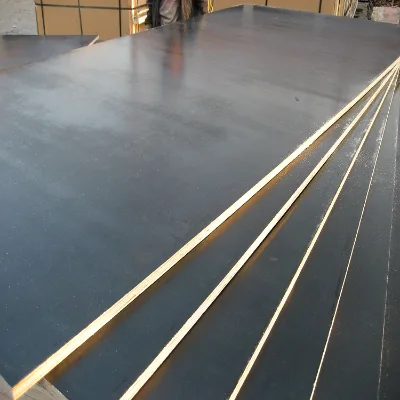
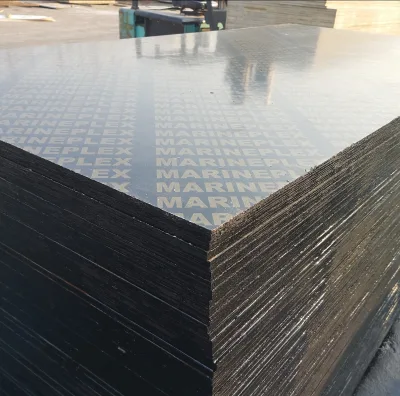
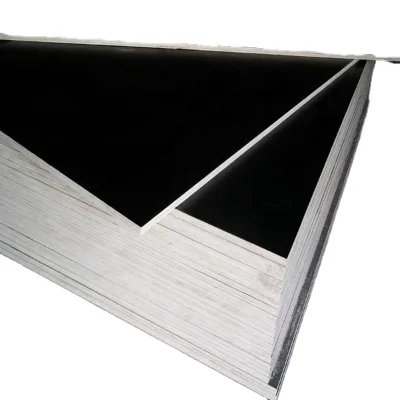
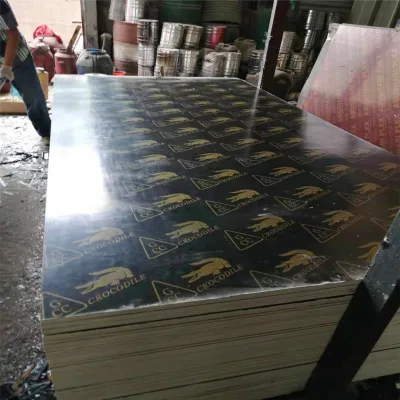
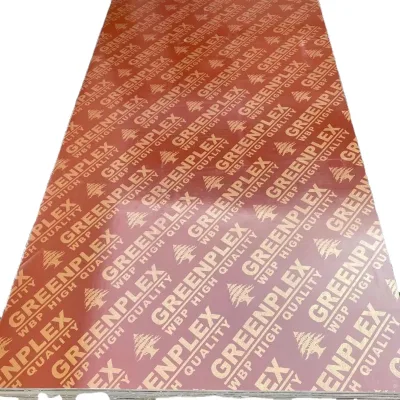
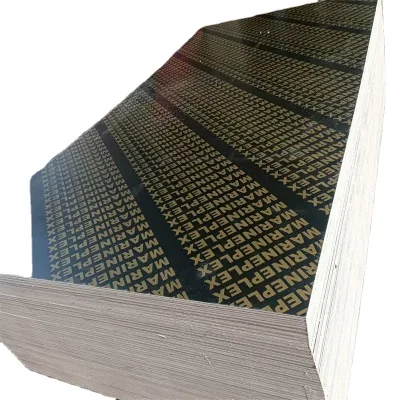
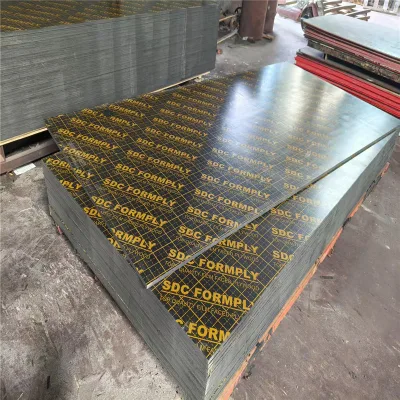
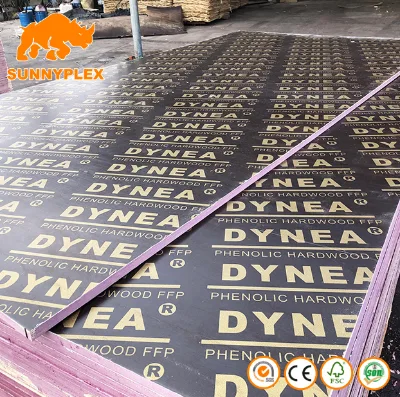
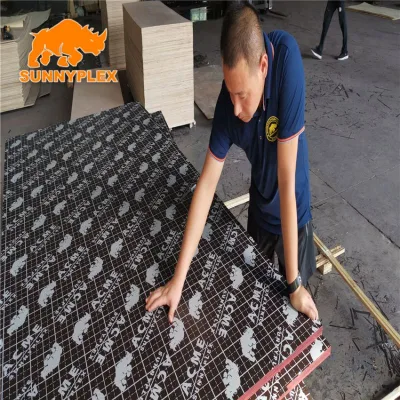
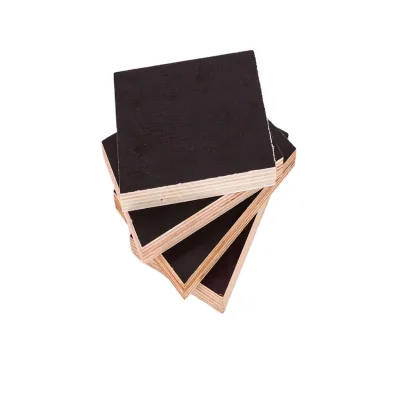
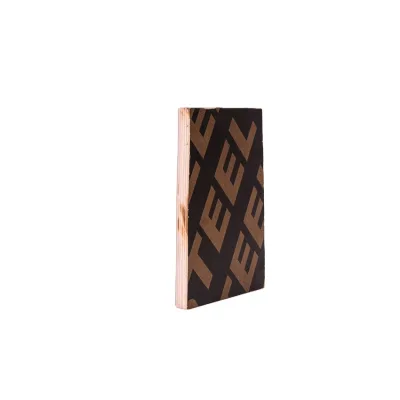
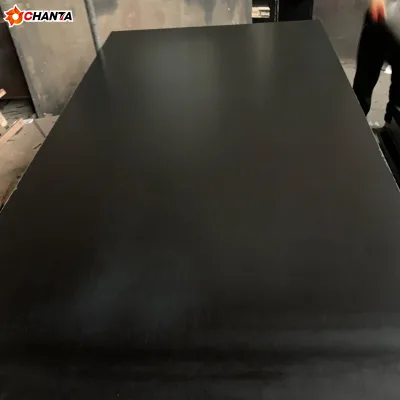
18mm Black Film Faced First-Class E1 Formaldehyde Shuttering Plywood for Construction
$222.3505 - $327.8903
MOQ: 50 Minimum
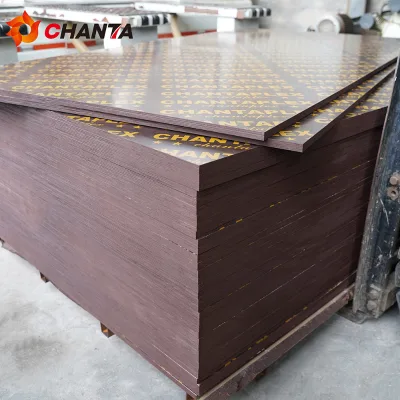

Comprehensive Sourcing Guide
E2 Double-Sided Film Faced Plywood Sourcing Guide
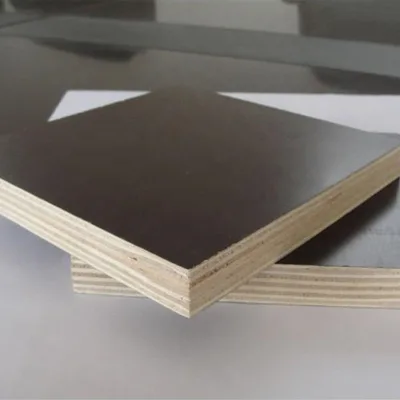
E2 double-sided film faced plywood is a construction-grade panel product in which both faces carry a phenolic or similar film overlay, giving the board a smooth, reusable surface on either side. Buyers searching this term are typically procurement teams for formwork contractors, building material distributors, and project suppliers who need panels that can be cycled repeatedly against concrete without delamination or surface degradation. Because "E2" can refer to a formaldehyde emission class in some listings and to a product naming convention in others, the first step in any sourcing exercise is to confirm with each seller precisely what the designation means in their specification sheet rather than assuming a single definition.
The listings observed for this product category originate largely from Shandong, China, with additional origins noted in Linqing and Xuzhou, and span film-faced construction plywood of the type used for wall formwork and shuttering applications. Product models in the observed data include HL-319 and HL-340, alongside generic listings for film faced plywood in standard sheet dimensions. This guide sets out what buyers should verify at each stage of procurement, from technical specification through long-term supply relationships, using only signals visible in actual product listings.
Product Scope and Observed Listing Signals
The observed listings cover a coherent product family: film faced plywood for outdoor use, positioned as F17 shuttering plywood for commercial building and wall formwork applications. Core construction attributes include 13-ply layups and veneer board constructions, with poplar cited as a core material in several listings. Bonding strength ratings appear as Ⅲ(Nc) and NS classifications, and glue systems span MR, melamine glue, and WBP (phenolic) glue — a spread that materially affects water resistance and reuse life. Densities are listed at 680–730 kgs/cbm, and grain is described as both straight and irregular depending on the listing.
Commercial signals from the listings are equally informative for buyers structuring a search. Price observations across the 30 listed products range from roughly $1 to $800 per unit, which signals a wide mix of thicknesses, grades, and order configurations rather than a single commodity price. MOQ observations run from 1 to 1000 units, indicating that both sample-level and container-level purchasing are represented. Customization is listed as available, and target markets are noted as the Middle East and Europe. Buyers should treat these as observations of the listing pool, not guaranteed terms from any individual seller.
Technical Specifications to Verify
Dimensional verification should come first. Observed sizes include 1220mm×2440mm, 1250mm×2500mm, 610mm×2440mm, and customized 1220×2440 / 1250×2500 options, with thickness standards cited at 9mm, 12mm, 15mm, 18mm, and 21mm. Tolerance is listed at +/-0.2mm on some listings, which is a meaningful figure for formwork alignment and should be contractually specified. Buyers should also confirm edge sealing treatment, film thickness, and the number of usable faces — since "double-sided" must be confirmed as identical film quality on both surfaces, not a premium face with a lesser reverse.
Glue and structural performance demand equal scrutiny. WBP and phenolic glue listings indicate exterior-grade bonding, while MR and melamine glue options suit less demanding cycles; the bonding classifications Ⅲ(Nc) and NS should be cross-checked against the buyer's own project requirements. Density at 680–730 kgs/cbm provides a useful acceptance checkpoint on delivered panels. Ask each supplier to state film weight, press cycle, core species (poplar is observed), and reuse count expectations in writing, and request production samples from the same press batch as the contract goods before committing to volume.
Compliance and Safety Documentation
Formaldehyde emission is the central documentation question. Listings in this category show "EGrade: Excellent Grade" and "EGrade: Accepts" descriptors alongside E1 classification, but the E2 designation in the keyword does not map cleanly to a single documented emission class in the observed data. Buyers should therefore require an explicit written statement of the emission standard each batch is tested against, together with test reports from a recognized laboratory, rather than relying on grade descriptors in a listing title. European destinations in particular will need clarity on which emission class applies to the shipped goods.
Beyond emissions, verify structural and chain-of-custody documentation. Observed certifications include FSC and AS/NZS on one listing and CE, ROHS, and ISO on another, while one listing cites ISO as its production standard and another references EN 314 in background context — none of which should be assumed to apply across all products. Ask each candidate supplier for copies of the specific certificates covering your order, confirm the certificate holder matches the exporting entity, and check validity dates. For public infrastructure tenders, also confirm which third-party audit or mill inspection records the supplier can provide on request.
Cost Drivers and Commercial Terms
Thickness and glue system are the largest observable cost drivers. The spread from 9mm through 21mm thicknesses, combined with MR versus WBP/phenolic bonding, explains much of the wide observed price range from $1 to $800 across the listing pool; heavier 18mm and 21mm panels with phenolic film and poplar 13-ply cores sit at the top of any realistic budget. Sheet size matters too, since 1250×2500mm panels carry more material than 1220×2440mm. Customization, listed as available, typically adds cost and should be quoted separately from standard stock items.
Commercial terms in the observed data are sparse but actionable. MOQ observations range from 1 to 1000 units, so buyers should match order size to the supplier's stated minimum rather than assuming container-only purchasing. Packing is consistently described as wooden pallets, pallet packing, or exporting pallets — confirm whether palletization and fumigation treatment are included in the quoted price. Payment structure, lead time, and shipping terms do not appear in the observed listings, so these must be negotiated explicitly, with incoterms, inspection windows, and a defined tolerance for dimensional and density variation written into the purchase contract.
Supplier Qualification and Quality Control
Geographic concentration offers a qualification shortcut. The observed origins cluster in Shandong province, including Linqing and Xuzhou, which are established plywood production regions; this density makes factory audits practical and allows buyers to compare multiple mills on identical criteria. Qualification should verify: export experience to the Middle East and Europe (the observed target markets), ownership of the cited certifications, production capacity against your order volume, and the specific product models on offer — HL-319 and HL-340 in the observed data — rather than accepting a generic catalogue claim.
Quality control should be staged across the order cycle. Pre-production, approve a signed sample covering film appearance, edge sealing, and both-face quality. During production, define inspection checkpoints on thickness tolerance (+/-0.2mm where specified), density against the 680–730 kgs/cbm band, and bonding integrity through boil or soak tests appropriate to the declared glue class. Pre-shipment, arrange third-party or in-house inspection of pallet packing, moisture content, and dimensional accuracy against the 1220×2440mm or 1250×2500mm standards. Tie the final payment release to a passing inspection report to preserve leverage.
Long-Term Procurement Checks
Sustained value in film faced plywood comes from reuse performance, not the initial unit price. Buyers running ongoing formwork programs should track field data — actual pour cycles achieved per panel, edge deterioration rates, and delamination incidents — and feed this back into supplier scorecards. A supplier whose panels deliver consistent double-sided film performance across repeat orders is worth a modest price premium over one whose initial shipment was acceptable but whose quality drifts. Annual requalification of certificates and test reports keeps documentation current as standards evolve.
Relationship structure also matters for long-term procurement. Lock in agreed specifications — model numbers, thicknesses, glue class, and film type — through a framework agreement so repeat orders need not be re-quoted from scratch. Diversify across at least two qualified mills in the Shandong production cluster to protect supply during peak construction demand in the Middle East and Europe. Finally, review packing and logistics periodically: pallet configurations, container utilization, and customs documentation requirements change, and a supplier who proactively manages these details will reduce total landed cost over a multi-year relationship.
FAQs
What glue types are used in e2 double-sided film faced plywood?
The product utilizes WBP glue, phenolic glue, and melamine glue for bonding. These adhesives ensure high durability and water resistance, making the plywood suitable for demanding outdoor applications and construction formwork environments where structural integrity is critical.
Which formaldehyde emission standards does this plywood meet?
The plywood meets E1 formaldehyde emission standards and is classified as an excellent grade product. This ensures safe usage in various construction projects while adhering to strict environmental regulations for indoor and outdoor building materials.
Can I customize the size of the e2 double-sided film faced plywood?
Yes, customization is available for the plywood dimensions. Standard sizes include 1220mm by 2440mm and 1250mm by 2500mm, with thicknesses ranging from 9mm to 21mm. Buyers can request specific dimensions to match their project requirements.
What certifications are provided for the e2 double-sided film faced plywood?
The product holds FSC, AS/NZS, CE, ROHS, and ISO certifications. These credentials verify compliance with international quality and safety standards, providing assurance for global buyers regarding the material's origin, manufacturing processes, and environmental impact.
How is the e2 double-sided film faced plywood packed for shipping?
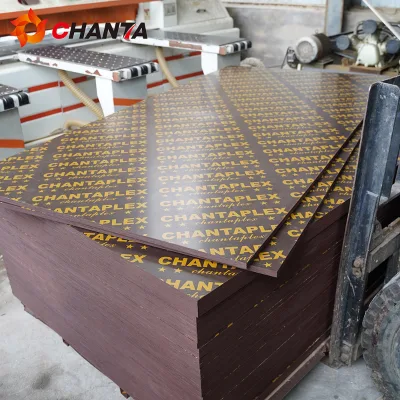
The plywood is packed using wooden pallets or exporting pallets to ensure safe transport. This packaging method protects the boards from damage during logistics, maintaining the quality of the film-faced surface and structural integrity upon arrival at the destination.
What is the density range of the e2 double-sided film faced plywood?
The density ranges from 680 to 730 kilograms per cubic meter. This specific density range contributes to the plywood's strength and stability, making it ideal for use as wall formwork and shuttering in commercial building construction projects.