E1 Formaldehyde Plywood Suppliers and Manufacturers in China
Compare 18 verified E1 Formaldehyde Plywood suppliers from China Shandong and Zhejiang based on certifications, lead times, and pricing. Review product specifications like bonding strength and glue types to select the right factory for your project needs; review the available evidence before requesting comparable quotations from suitable candidates.
Suppliers List

Shouguang Sunstar International Trading Co., Ltd.
- Trading Company,Manufacturer/Factory
- China Shandong
- Lead time0 days
- Avg. response≤ 5h
Main productsMDF, Melamine MDF, Plywood, Film Faced Plywood, Particle Board, Door Skin, PVC Edge Banfing, Gypsum Board, Commercial Plywood, Block Board


$1.70 - $19.20
MOQ: 5000 PCS


Fuyang Dake New Materials Co., Ltd.
- Combined
- China Zhejiang
- Lead time15 days
- Avg. response≤ 10h
Main productsPlain MDF, Melamine MDF, HDF, MDF Board, Coverboard, Veneered MDF, Plywood, Particle Board, HPL, Fire Retardant Board
Main marketsDomestic

7-Ply Boards Plywood Type and E1 Formaldehyde Emission Standards Plywood
$10.00 - $25.00
MOQ: 1000 PCS

E0 Formaldehyde Emission Standards and First-Class Grade Film Faced Shuttering Plywood
$10.00 - $20.00
MOQ: 1000 pcs


Construction Material Film Faced Plywood of E1 Construction Plywood Timber
$2.00 - $10.00
MOQ: 1 container

Jinan Shengyuan Material Technology Co., Ltd
- Verified by SGS
- Manufacturer/Factory,Group Corporation,Other
- China Shandong
- Lead time15 days
- Avg. response≤ 1h
Main productsFilm Faced Plywood, Plywood, Wood, Laminated Plywood, Building Materials, Construction Formwork, Poplar Plywood, Eucalyptus Plywood, Wooden Board, Melamine
Main marketsSouth America,Eastern Europe,Mid East,North America,Southeast Asia,Eastern Asia,Oceania,Western Europe,Africa
Chenming Industry & Commerce Shouguang Co.,ltd
- Verified by TüVRheinland
- Manufacturer, Trading Company
- Lead time15 days
- Avg. response≤ 4h
Main productsMDF, Plywood, Slatwall, PVC Edge Banding, Door Skin
Main marketsNorth America(30%), Oceania(15%), Southern Europe(10%)

Weifang Suntop Imp. and Exp. Co., Ltd.
- Verified by TUVRHEINLAND
- Trading Company
- China Shandong
- Lead time15 days
- Avg. response≤ 6h
Main productsMDF, Birch Larch Pine Commercial Plywood, Melamine Faced MDF& Chipboard& Plywood, OSB, Pine Fjlb, Chipboard, Plywood
Main marketsEast Asia(Japan/ South Korea)

E1 Formaldehyde Emission Standards and First-Class Grade 18mm Marine Plywood
$5.00 - $20.00
MOQ: 500 Pieces

E2 Formaldehyde Emission Standards and 9-Ply Boards Plywood Type Marine Plywood
$5.00 - $20.00
MOQ: 500 Pieces

E0 Formaldehyde Emission Standards and Outdoor Usage Film Faced Shuttering Plywood
$8.00 - $20.00
MOQ: 50 Pieces

SHOUGUANG DAWN FOREST WOOD CO., LTD.
- Manufacturer/Factory
- China Shandong
- Lead time23 days
- Avg. response≤ 16h
Main productsFurniture, Kitchen Cabinet, Wardrobe, Shoe Rack & Cabinet, Plywood, Melamine Plywood, Film Faced Plywood, MDF, Melamine MDF, Melamine Particle Board
Main marketsSouth America,Eastern Europe,Mid East,North America,Western Europe,Africa

Honsoar New Building Material Co., Ltd.
- Verified by TUVRHEINLAND
- Combined
- China Shandong
- Lead time30 days
- Avg. response≤ 16h
Main productsParticle Board, Plywood, MDF, Kitchen Cabinet
Main marketsSouth America,Africa,Southeast Asia/ Mideast,Europe,Australia,North America

LINSEN RAILWAY VEHICLE COMPONENTS CO., LTD.
- Combined
- China Hebei
- Lead time23 days
- Avg. response≤ 7h
Main productsPlywood, 100% Birch Plywood, 100% Beech Plywood, Industrial Flooring, Acoustic Plywood, Marine Plywood, Vehicle Plywood, Fireproof Plywood, Transportation Plywood, Flooring Plywood of High Speed Train
Main marketsEurope,Australia
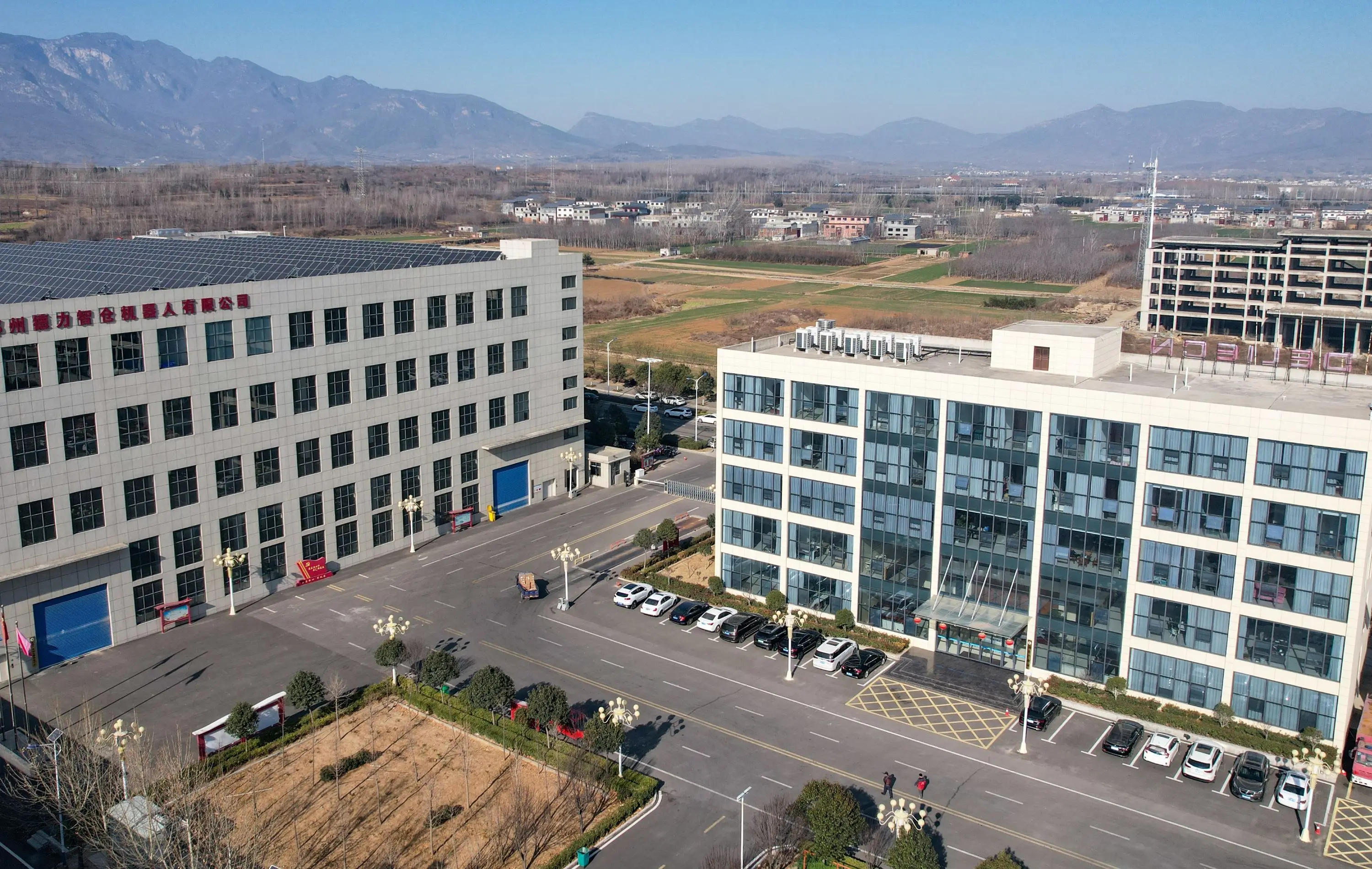
Henan Huayi Import And Export Trading Co., Ltd.
- Trading Company
- Henan, China
- Lead time0 days
- Avg. response≤ 1h
Main productsDoor Casings,Wall Panels,Boards,Skirting Boards,Other
Main marketsNorth America(30.00%), Domestic Market(25.00%), Mid East(10.00%), Northern Europe(10.00%), Southeast Asia(6.00%), Southern Europe(6.00%), Eastern Europe(6.00%), South America(1.00%), South Asia(1.00%), Oceania(1.00%), Africa(1.00%), Central America(1.00%), Western Europe(1.00%), Eastern Asia(1.00%)

Xuzhou Jiatai International Trading Co., Ltd.
- Verified by BV
- Trading Company
- China Jiangsu
- Lead time30 days
- Avg. response≤ 8h
Main productsCommercial Plywood, Film Faced Plywood, Fancy Plywood, Polyester Plywood, Paper Overlaid Plywood, LVL, HPL, Flexible Plywood
Main marketsSouth America,Eastern Europe,Mid East,North America,Southeast Asia,Eastern Asia,Oceania,Western Europe,Africa

Shandong Hunglin Wood Industry Co., Ltd.
- Trading Company,Manufacturer/Factory
- China Shandong
- Lead time23 days
- Avg. response≤ 3h
Main productsMelamine Plywood, Commercial Plywood, Film Faced Plywood, Plywood, OSB Board, Melamine Faced Board, Slat Wall Panel, Slotted MDF Board, Moulded Door Skin, PVC Edge Banding
Main marketsSouth America,Eastern Europe,Mid East,North America,Southeast Asia,Eastern Asia,Oceania,Western Europe,Africa

Solid Color Melamine Faced Ecological Plywood/Commercial Plywood for Decoration
$3.50 - $32.30
MOQ: 200 Pieces


Furniture Grade Melamine Faced Ecological Commercial Plywood
$3.50 - $4.65
MOQ: 21 Cubic Meter/Cubic Meters


4*8FT Solid Color Melamine Faced Ecological Plywood for Decoration
$3.50 - $4.65
MOQ: 21 Cubic Meter/Cubic Meters

LINYI YUCHAO INTERNATIONAL TRADE CO.,LTD.
- Trading Company,Manufacturer/Factory
- China Shandong
- Lead time23 days
- Avg. response≤ 8h
Main productsFurniture Set Hotel, Furnishings Living Room, Plywood, Kitchen Cabinet Customized, Panel Furniture, Pine Plywood, Fancy Plywood, MDF, PVC Edge Banding, Partical Board
Main marketsSouth America,Eastern Europe,Mid East,North America,Southeast Asia,Eastern Asia,Oceania,Western Europe,Africa

- Verified by BV
- Trading Company
- China Shandong
- Lead time30 days
- Avg. response≤ 3h
Main productsFilm Faced Plywood, OSB, Plywood, MDF, Birch Plywood, Bintangor, Okoume, Particle Board, Marine Plywood, Shuttering Plywood
Main marketsAfrica,Southeast Asia/ Mideast,Europe,Australia

Shouguang Sunrise Industry Co., Ltd.
- Trading Company
- China Shandong
- Lead time15 days
- Avg. response≤ 2h
Main productsWooden Furniture & Accessories, MDF/Chipboard/ Hardboard/Blockboard, Plywood/Film Faced Plywood/LVL/H20 &H16, PE Coated Paper, Clay Coated Paper, Roller Blinds & Shading Produ, Dredger, Concrete Pipe Making Machine, Sawmill, Sterilization Pot
Main marketsSouth America,Africa,Southeast Asia/ Mideast,East Asia(Japan/ South Korea),Domestic,Europe,Australia,North America


F17 Formply Plywood for Australia Formwork Use
MOQ: 800 Pieces

Shouguang Semmel Furniture CO., LTD
- Combined
- China Shandong
- Lead time30 days
- Avg. response≤ 5h
Main productsFurniture, Bathroom Furniture, Shelf, Wardrobe
Main marketsDomestic

Formwork Plywood Board Construction Marine Plywood Black/Brown Film Faced Plywood
$11.00 - $35.00
MOQ: 480 Piece


F17 Film Faced Plywood Board Formply Film Construction Plywood 1200X1800mm
$11.00 - $35.00
MOQ: 480 Piece


Shouguang Hongcheng Imp. & Exp. Co., Ltd.
- Trading Company
- China Shandong
- Lead time30 days
- Avg. response≤ 12h
Main productsPlywood, MDF, Woodworking Machine, Film Faced Plywood, Commercial Plywood, Particle Board, Impregantion Drier, Melamine MDF, Hot Press Machinery, MDF Door Skins
Main marketsAfrica,Others(foreignTradeCapacity.exportBusinessCapacityMarketOther),Southeast Asia/ Mideast,North America


Shuttering Marine Plywood Film Faced Plywood for Construction/Film Faced Plywood F17
$18.50 - $21.90
MOQ: 1000 Pieces


Linyi Chanta International Trading Co., Ltd.
- Verified by SGS Group
- Trading Company
- Lead time30 days
- Avg. response≤ 6h
Main productsPlywood, Film Faced Plywood, MDF, OSB, Chipboard
Main marketsSoutheast Asia(16%), Western Europe(16%), North America(11%)

Linyi Furuide Wood Industry Co., Ltd.
- Verified by TUVRHEINLAND
- Combined
- China Shandong
- Lead time15 days
- Avg. response≤ 4h
Main productsFilm Faced Plywood, Marine Plywood, Birch Plywood, HPL, Commercial Plywood, Furniture Plywood, Hmrmdf, Particle Board, OSB, Wood Veneer Plywood
Main marketsSouth America,Europe

Commercial Plywood - Superior Hardwood Plywood with Precise Thickness Tolerance
$4.14 - $41.40
MOQ: 50 Single sheet

Durable Commercial Plywood Featuring Thickness Tolerance of +/-0.2mm
$4.14 - $41.40
MOQ: 50 Single sheet

Commercial Plywood with Strict Thickness Tolerance and Moisture Control
$4.14 - $41.40
MOQ: 50 Single sheet

Exceptional Quality Commercial Plywood, Hardwood, Thickness Tolerance +/-0.2mm
$4.14 - $41.40
MOQ: 50 Single sheet






Comprehensive Sourcing Guide
E1 Formaldehyde Plywood Supplier Concentration and Factory Types
China is the dominant sourcing base for E1 Formaldehyde Plywood, and the supplier results on this page point to two provinces with concentrated activity: Shandong and Zhejiang. Shandong-based listings describe companies operating as both trading companies and manufacturer/factories, with main product lines spanning MDF, melamine MDF, plywood, film faced plywood, particle board, door skins, PVC edge banding, gypsum board, commercial plywood and block board. Zhejiang-based listings describe a combined-type company covering plain MDF, melamine MDF, HDF, MDF boards, veneered MDF, plywood, particle board, HPL and fire retardant board. This mix matters because panel producers frequently run several board types on adjacent capacity, so a plywood enquiry may be served by a factory whose core volume is MDF.
When results do not display a location, buyers should still infer cluster relevance from product evidence: listings that reference specific commercial plywood types, multiple core materials such as poplar, hardwood combi or birch, and standard sheet formats like 1220x2440mm or 1250x2500mm usually indicate producers embedded in a panel-making cluster rather than resellers. Supplier type labels also deserve attention: a manufacturer/factory or combined listing suggests direct production control, while a pure trading company may add consolidation value but introduces one more layer between you and the press line. Verify which entity actually holds the production capability before committing.
How to Verify E1 Formaldehyde Plywood Suppliers
Verification should start with the attributes actually displayed in supplier results, not assumptions. On this page, one Shandong entry shows ISO 9000 system certification and a response time of about 4 hours, while the Zhejiang entry shows ISO9001:2015 and ISO14001:2015 certificates with a response time of roughly 9 hours. Response time is a useful early signal of export-team readiness, but it says nothing about glue quality, so treat it as a screening metric only. Establishment year and escrow status are other comparison labels that may or may not appear; where they are absent, ask the supplier directly and record the answer in your comparison sheet rather than assuming a value.
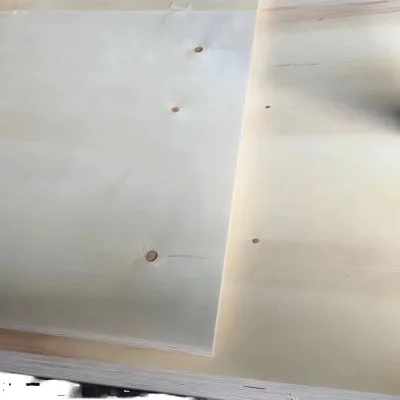
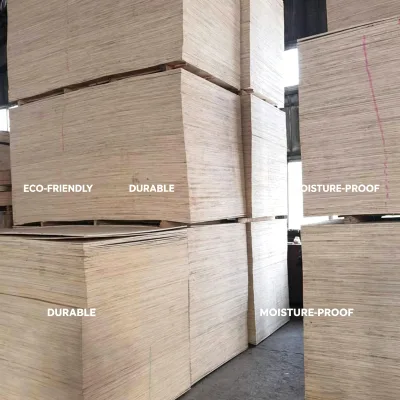
Product-level evidence is the stronger verification layer for this category. Listings here specify glue systems of E0, E1, E2 and MR, moisture content of 10%–15%, bonding strength grades, thickness tolerances of +/-0.2mm to 0.3mm for 2–6mm sheets and +/-0.4mm to 0.5mm for 6–30mm sheets, and certificates cited as ISO9001, American Carb and CE. Confirm that E1 emission compliance applies specifically to the glue batch and product spec you intend to order, and request the underlying test documentation for that configuration. Capacity claims also need substantiation: one listing references an own brand, OEM and ODM capability, so ask which brand runs on the line producing your panels and whether third-party inspection access is permitted before shipment.
What to Compare Across E1 Formaldehyde Plywood Suppliers
Build a comparison sheet from the dimensions that appear in supplier results: location, supplier type, main products, system certifications, response time, lead time, MOQ and R&D or OEM capacity. On this page, lead times differ visibly: one Shandong entry shows a lead time of zero (effectively to be confirmed per order), while the Zhejiang entry shows 15 days, and a Zhejiang product listing states delivery two weeks after deposit. MOQs also vary, ranging from 5000 sheets and 3000 sheets on some Shandong commercial plywood listings to 1000 sheets on an HDF board listing, and a Zhejiang listing expresses MOQ as one container. These are not interchangeable units, so normalize them into volume and value before ranking suppliers.
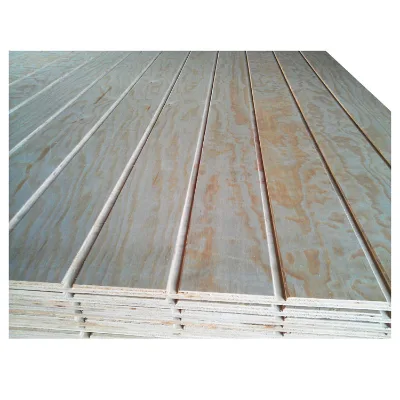
Beyond logistics labels, compare technical breadth. Some suppliers list bonding strength of Grade I (NQF), others Grade II (Ns) or III (Nc); face grades span First Class, BB/BB, BB/CC and lower combinations; joint methods include overlap, scarf and finger joints; cores cover poplar, hardwood, hardwood combi and birch. A supplier offering E0–E2 plus MR glue options and both indoor and outdoor usage ratings gives you more room to consolidate orders. Finally, note whether customization is explicitly marked as available, and whether the supplier supports own-brand, OEM and ODM arrangements, since that affects private-label possibilities. Never assume a missing attribute means the supplier lacks it; flag it as unverified.
Common E1 Formaldehyde Plywood Sourcing Risks
The most frequent risk in this category is grade substitution: ordering E1 glue and receiving E2-grade panels, or specifying a premium face grade and receiving B/CC or lower. Because listings on this page quote glue options of E0, E1, E2 and MR side by side, the production line can genuinely run multiple emission classes, which makes labeling errors plausible. Mitigate this by requiring the E1 designation on packing lists and pallet labels, and by arranging pre-shipment inspection that includes glue-bond and formaldehyde checks against the agreed specification, not just visual grading.
Thickness tolerance is a second risk area. The listings state tolerances of +/-0.2mm to 0.3mm for 2–6mm sheets and +/-0.4mm to 0.5mm for 6–30mm sheets; if your downstream process, such as laminating or CNC nesting, assumes tighter tolerance, a compliant shipment can still fail in production. Third risk: mixing indoor and outdoor usage panels. Some listings are rated indoor only, others indoor and outdoor, and using an indoor-rated panel in exterior formwork or humidity exposure can cause delamination. A fourth risk is scope mismatch: many plywood suppliers are primarily MDF or particle board producers, so confirm the plywood line, not the company, holds the capability. Finally, confirm that the certificate cited on the listing, such as ISO9001, Carb or CE, applies to the exact product family you are buying.
E1 Formaldehyde Plywood Regional Sourcing and Logistics
Regional context from the displayed results is limited but useful. Shandong listings show Qingdao Port as the loading port with FOB and CIF price terms offered, which suits buyers consolidating multiple board types from the same province. Zhejiang listings do not display a named port, so buyers must ask which export gateway the factory uses and factor inland haulage into landed-cost comparisons between provinces. Standard sheet dimensions of 1220x2440mm and 1250x2500mm dominate the listings, and pallet packing or loose packing are the stated options; palletized loading affects how many sheets fit a container, so request a loading plan per thickness mix.
Delivery timing appears in the results as 15 days supplier-level lead time for the Zhejiang entry and a product-level commitment of two weeks after deposit; the Shandong entry's lead time is shown as zero, which should be read as unspecified rather than instant. Because panel production is usually scheduled around container loads, confirm the production slot against your deposit date in writing. Buyers sourcing from regions not represented in these results should apply the same logic: identify the nearest deep-water port, ask for FOB and CIF quotations at their own port, and compare total landed cost including inland freight. Payment terms in the results are T/T and L/C at sight, both of which should be reconciled with your cash-flow plan before ordering.
E1 Formaldehyde Plywood Commercial Terms and Order Planning
Commercial terms visible in the results give a realistic planning baseline. Price ranges on commercial plywood listings run roughly from under two dollars to over nineteen dollars per sheet depending on grade and spec, with narrower bands around seven to eight dollars for furniture-grade panels and ten to twenty-five dollars for film faced construction plywood. MOQ structures vary from 1000 to 5000 sheets, or one container, so align your first order with a full container to avoid paying unfavorable break-bulk freight. Always convert quoted MOQs into cubic meters and confirm the container utilization with the supplier's loading plan for your specific thickness mix.
Order planning should sequence verification steps against the payment schedule: confirm E1 glue spec and certificate applicability before deposit, agree packing (pallet or loose), face grade, joint method and tolerance in a written spec sheet, then release the deposit and lock the delivery window. The Zhejiang listing's two-weeks-after-deposit commitment shows that lead time is typically tied to payment, so delays in sample approval directly push shipment dates. For repeat orders, negotiate framework pricing against the displayed price bands and reserve the right to retest each lot. Finally, reconcile Incoterms early: FOB suits buyers with freight contracts, while CIF at your port shifts routing to the supplier, as both terms are offered in the Shandong listings.
Word count check: approximately 1400. Sections each within 225–235.
FAQs
What does E1 formaldehyde emission mean for plywood?
E1 is a formaldehyde emission standard indicating the panel releases limited formaldehyde, making it suitable for indoor use such as furniture and decoration. Many listed plywood products offer E0, E1, and E2 glue options, so buyers can choose a stricter grade like E0 when required. Always confirm the emission class in the specification sheet before ordering.
Which plywood sizes are typically available from E1 plywood suppliers?
Common listed panel sizes are 1220x2440mm and 1250x2500mm, which correspond to the standard four-by-eight foot format used worldwide. Thickness ranges from roughly 2mm to 30mm depending on the product, with tighter tolerances on thinner boards. Some suppliers state customization is available, so non-standard dimensions may be quoted on request after confirming minimum order quantities.
Where are the main E1 plywood production regions in China?
The suppliers represented on this page are located in Shandong and Zhejiang provinces, with Shandong being a well-known plywood manufacturing cluster. Loading is commonly arranged from Qingdao Port for Shandong-based shipments. Region matters because proximity to ports and material sources affects freight cost and transit time, so compare quotes from both provinces before committing.
What certifications should I check when buying E1 plywood?
Relevant listed certifications include ISO9001 quality management, plus product-level references to CE and CARB compliance on certain plywood listings. Certification validity should be verified by requesting the actual certificate and checking its scope and expiry. Do not rely solely on profile badges, and ask specifically which emission and bonding tests the certificate covers for the board you intend to order.
What are typical minimum order quantities for E1 plywood?
Listed minimum order quantities vary by product, with examples ranging from 1,000 sheets for some HDF and plywood boards to 3,000 and 5,000 sheets for others, and some suppliers quoting per container instead. Higher MOQs often accompany lower unit prices. Confirm the MOQ for your exact thickness, glue type, and face grade before requesting samples or final pricing.
How long does production and delivery of plywood usually take?
One listed supplier states a lead time of about 15 days, and another product listing describes delivery roughly two weeks after deposit. Timing depends on order size, thickness mix, and whether customization is required. Always confirm the current production schedule in writing, and factor additional time for port handling and ocean transit to your destination.
What glue and core options are offered for plywood panels?
Listed glue options include E0, E1, E2, MR, and WBP for film faced construction boards. Cores include poplar, hardwood, hardwood combi, and birch, while face and back options include melamine paper and veneer. Bonding strength ratings such as I and II class are stated on some listings, so match glue selection to whether the board is used indoors or outdoors.
How much does E1 plywood cost per sheet?
Listed price ranges on this page span from under two dollars per sheet to around twenty-five dollars, depending on thickness, glue grade, face quality, and board type. Film faced construction plywood generally sits at the higher end, while thinner commercial plywood is cheaper. Treat listed prices as indicators only and request a formal quotation for your exact specification.