Source Easy Assembly Dinner Rack for Kitchen, Living Room, and Study
Explore 30 options for an Easy Assembly Dinner Rack designed for modern homes. Compare metal, wood, and stainless steel models with multi-tier structures. Find freestanding racks suitable for balconies, bedrooms, and kitchens with extra heavy-duty load capacities; compare the available evidence and request quotations based on your requirements.
Key considerations
Products List


Multi Purpose Storage Rack Easy Assembly Adjustable Shelf for Home Kitchen
$19.90 - $21.90
MOQ: 300 Pieces


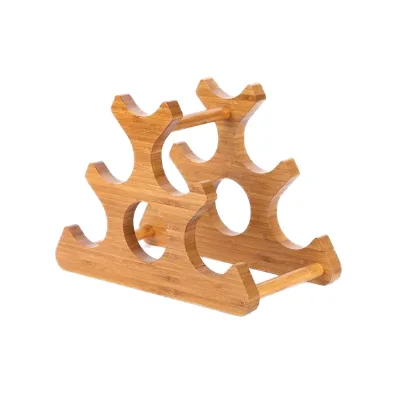




Popular High Quality Multi-Tier Buffet Rack for Elegant Dining Displays
$110.00 - $125.00
MOQ: 2 Pieces


$4.95 - $5.26
MOQ: 300 Pieces
Comprehensive Sourcing Guide
Easy Assembly Dinner Rack Sourcing Guide
Procuring an Easy Assembly Dinner Rack requires distinguishing between freestanding units designed for residential dining areas and heavy-duty industrial racks intended for warehouse storage. The observed market data indicates a clear divergence in product attributes, where some listings specify a modern, multi-tier design suitable for living rooms and kitchens, while others describe industrial steel structures with drawer configurations for tool storage. Buyers must carefully align their specific usage needs with these distinct product categories to avoid purchasing a unit that lacks the necessary stability for a dining environment or the appropriate aesthetic for a home setting.
Verification of the installation method is critical, as the supply chain offers both freestanding models and units requiring specific assembly protocols. While some products are marketed with convenient installation features and a four-layer structure ideal for balconies or bedrooms, other listings describe heavy-duty steel racks with a 500kg weight capacity intended for industrial applications. Sourcing teams should prioritize suppliers who explicitly confirm the installation method matches the intended location, ensuring the selected rack provides the necessary structural integrity without requiring complex mounting hardware that contradicts the "easy assembly" requirement.
Product Scope and Observed Listing Signals
The current market presents a wide spectrum of materials, ranging from metal and stainless steel to wood and steel composites, each offering distinct advantages for dining environments. Buyers should note that while some products are explicitly labeled as bookcases or practical racks with a rectangular shape, others are described as buffet-style display shelves with adjustable mobility. This variation suggests that the term "dinner rack" may encompass diverse furniture types, from simple wooden shelving units to robust metal storage solutions, necessitating a precise definition of the desired material and finish before engaging with suppliers.
Listing signals regarding customization and model numbers provide a reliable method for filtering relevant inventory from the broader catalog. The data reveals multiple specific model identifiers, such as snj26, jj19, and ZO2025184, alongside customizable standards and logos, indicating that many suppliers offer tailored solutions for specific branding or dimensional requirements. However, the presence of industrial-grade attributes like "Extra Heavy-Duty" load capacity and "Open" structures in some listings warns buyers to scrutinize product descriptions to ensure the item is not an industrial tool rack mislabeled for residential dining use.
Technical Specifications to Verify
Dimensional accuracy and structural configuration are paramount when selecting a rack for a dining space, as the observed data includes specific standard sizes like 8040167cm and 620*700mm. Buyers must verify that the listed dimensions align with their available floor space and that the four-layer or multi-tier structure provides adequate storage without obstructing movement in the kitchen or living room. It is essential to confirm whether the product is an unfolded unit or a folded design, as this directly impacts the ease of assembly and the final footprint of the furniture within the intended indoor room type.
Load capacity and material composition must be rigorously checked to ensure the rack can safely support dinnerware and kitchen essentials without risk of collapse. While some listings claim an extra heavy-duty capacity exceeding 20kg, others specify a massive 500kg weight limit, which may indicate a mismatch between the product's intended use and the buyer's expectations for a dining rack. Sourcing teams should request detailed load distribution charts and confirm the material grade, distinguishing between standard steel, stainless steel, or wood, to guarantee the unit meets the safety and durability requirements for daily household use.
Compliance and Safety Documentation
Safety compliance for furniture intended for indoor residential use often involves adherence to specific stability and material safety standards, though explicit certification data in the current listings remains limited. Buyers should proactively request documentation regarding the structural integrity of the freestanding units, particularly those marketed for bedrooms and living rooms, to ensure they meet local safety regulations for tipping and load-bearing. While some background information mentions FSC certification, this should not be assumed for all products; instead, procurement teams must verify that the wood or composite materials used in the construction are free from harmful chemicals and meet relevant indoor air quality standards.
Documentation regarding the manufacturing origin and production standards is equally critical for ensuring long-term reliability and traceability. The observed data indicates that products originate from China and Guangdong, regions known for diverse manufacturing capabilities, but buyers must confirm that the specific production standard cited, such as the customizable 8040167cm specification, is rigorously enforced during the manufacturing process. Requesting a certificate of origin and a detailed quality control report for the specific model number will help mitigate risks associated with inconsistent quality control and ensure the product matches the advertised technical specifications.
Cost Drivers and Commercial Terms
Pricing in this category is highly variable, with observed ranges spanning from $4.95 to $4,299, driven primarily by material costs, customization levels, and order volume. The significant price disparity suggests that budget-conscious buyers can find basic metal or wooden units, while those requiring custom logos, specific dimensions, or heavy-duty industrial-grade steel will face substantially higher costs. Understanding these cost drivers is essential for setting a realistic budget, as the inclusion of features like custom branding, specialized packaging, or unique structural designs will directly impact the final landed cost per unit.
Commercial terms such as Minimum Order Quantity (MOQ) and sample lead times play a decisive role in the procurement strategy and cash flow management. The market data shows an MOQ range from 1 to 300 units, offering flexibility for small businesses or individual buyers, while sample times of 7-10 days allow for rapid product validation before committing to a larger order. Buyers should negotiate clear terms regarding shipping, payment schedules, and the handling of custom orders, ensuring that the supplier can meet the required delivery timeline without compromising on the quality of the easy assembly features or the structural integrity of the rack.
Supplier Qualification and Quality Control
Supplier qualification should focus on their ability to deliver consistent quality across different product models, particularly given the wide variety of materials and structures observed in the listings. Buyers must verify that the supplier has a proven track record in manufacturing freestanding racks with convenient installation features, as the complexity of assembling multi-tier units can vary significantly between different production lines. Requesting references from previous clients who have purchased similar models, such as the snj26 or jj19 series, will provide insight into the supplier's reliability and their ability to maintain quality standards over time.
Quality control protocols must be explicitly defined to ensure that every unit meets the specified structural and aesthetic requirements before shipment. Given the presence of both new condition items and customized products, suppliers should demonstrate a robust inspection process that checks for defects in welding, finishing, and assembly instructions. Buyers should insist on pre-shipment inspections that verify the load capacity, material thickness, and the accuracy of the customizable features, ensuring that the final product matches the agreed-upon specifications and is free from manufacturing defects that could compromise safety or usability.
Long-Term Procurement Checks
Establishing a long-term partnership requires regular performance reviews to ensure the supplier continues to meet quality and delivery expectations as order volumes grow. Buyers should implement a system for tracking defect rates, return reasons, and customer feedback on the ease of assembly and durability of the racks over time. This data-driven approach allows for early identification of potential issues with specific models or production batches, enabling proactive adjustments to the supply chain before minor problems escalate into significant disruptions or customer dissatisfaction.
Continuous monitoring of market trends and technological advancements is essential for maintaining a competitive edge in the dining rack sector. As suppliers introduce new types of materials or improved assembly mechanisms, procurement teams must stay informed to ensure their product offerings remain relevant and efficient. Regularly reviewing the supplier's innovation capabilities, such as their ability to develop new types of racks or adapt to changing customization demands, will help secure a reliable supply chain that can evolve alongside the buyer's business needs and market expectations.
FAQs
What materials are used for easy assembly dinner racks?
These racks are constructed from metal, wood, stainless steel, or steel. The choice depends on the desired style and load capacity. Metal and stainless steel options offer high durability for heavy items, while wood provides a warm aesthetic. Buyers can select based on specific structural needs and environmental conditions.
Can I customize the logo on these racks?
Yes, customization is available for many models. Suppliers accept OEM and ODM requests, allowing you to add a custom logo. This service supports branding efforts for retail or commercial use. You should confirm specific customization options and lead times with the manufacturer before placing a bulk order.
What is the typical load capacity for these racks?
Many models feature extra heavy-duty capacity, supporting more than 20kg per tier. Some industrial variants are rated for significantly higher weights, such as 500kg. Always verify the specific load rating for the chosen model to ensure it meets your storage requirements for kitchenware or display items.
How many layers do these racks typically have?
Common configurations include four layers or multi-tier structures. Some rectangular models also feature four layers for efficient vertical storage. The number of layers helps maximize space in kitchens, living rooms, or studies. Select a tier count that aligns with your available floor space and storage volume needs.
Are these racks suitable for indoor use?
Yes, they are designed for indoor environments like bedrooms, living rooms, and kitchens. Some models are also suitable for balconies or studies. The materials and finishes are optimized for interior conditions. Ensure the specific product application matches your intended room type for optimal performance and longevity.
What is the sample time for custom orders?
The sample time is typically 7-10 days. This period allows manufacturers to produce and ship prototypes for your review. It ensures the design, material, and customization meet your expectations before mass production begins. Plan your procurement schedule accordingly to accommodate this lead time for custom specifications.