Source Easy Assemble Direction Signs for Road, Highway, Parking
Find Easy Assemble Direction Signs from 30 verified suppliers offering customizable sizes and materials like PVC. Buyers can compare specifications, certifications, and prices for road, highway, and parking lot applications.
Key considerations
Products List


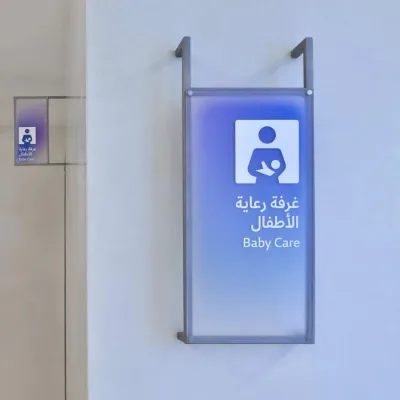
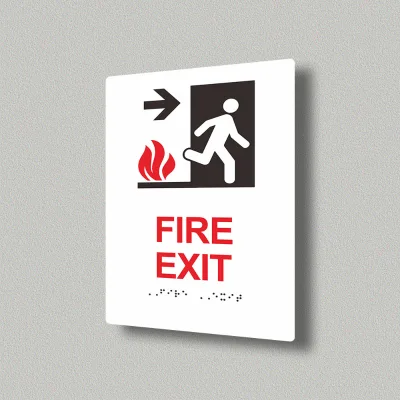
Aluminum Material Hospital Guidance Wayfinding Signage and Directory Sign
$10.00 - $120.00
MOQ: 5 Pieces




Comprehensive Sourcing Guide
Strategic Sourcing Guide for Easy Assemble Direction Signs
Navigating the global market for Easy Assemble Direction Signs requires a disciplined approach that balances immediate logistical needs with long-term operational reliability. For procurement professionals, the core challenge lies in identifying products that offer genuine modularity without compromising structural integrity or regulatory compliance. The available data indicates a diverse range of offerings, from heavy-duty traffic infrastructure to lightweight advertising solutions, each serving distinct operational environments. This guide synthesizes observed product attributes, specifications, and compliance markers to provide a framework for evaluating potential suppliers and selecting the right signage solutions for specific use cases.
Understanding Technical Specifications and Modularity
The primary differentiator for "easy assemble" signage is the engineering of the connection points and the material composition. Based on the observed product data, manufacturers offer various structural configurations. Some units are designed with specific dimensions, such as a base size of 370320100mm paired with a panel size of 725*200mm, suggesting a modular approach where the base and the sign face are separate components. This separation facilitates easier transport and on-site assembly, reducing the risk of damage during shipping.
Material selection is equally critical. The supply chain data highlights PVC as a common material for specific sign types, which offers a balance of durability and weight. For applications requiring high visibility, such as road signage, the design often incorporates a base weight of 8kg to ensure stability against wind and environmental forces. In contrast, other categories, such as advertising banners or indoor displays, utilize lighter materials like Correx, with graphic sizes ranging from 85×200cm to standard A-series formats.
The assembly mechanism itself varies by application. Some products are categorized under "Movement" installation types, implying dynamic or adjustable mounting systems. Others, like octagonal warning traffic signs, may rely on fixed mounting but utilize pre-drilled holes or standardized bolt patterns to simplify the process. Buyers must verify if the "easy assemble" claim refers to tool-free assembly, the use of standardized fasteners, or a design that minimizes the number of components required for setup. The presence of accessories like grommets in certain listings suggests that hanging or tension-based assembly methods are also part of the market offering.
Compliance and Certification Verification
In the B2B sector, compliance is not merely a formality but a prerequisite for market entry and liability protection. The observed product data reveals a strong emphasis on international standards. Multiple listings explicitly mention CE, RoHS, and SGS certifications. For instance, specific models carry CE and ISO certifications, while others list CE, RoHS, and SGS together. These certifications indicate that the products have undergone testing for safety, environmental compliance, and quality management systems.
When sourcing direction signs, particularly those intended for public roads or high-traffic areas, verifying the specific standard is essential. The data shows standards such as "710inch / 1014inch /OEM" and "150mm*100mm," which likely refer to dimensional tolerances or specific industry standards for sign sizing. Buyers should not assume that a generic "CE" mark covers all aspects of the product; instead, they must request the specific test reports that validate the product against the relevant local regulations. For example, road signs often require specific retroreflectivity standards that are not always explicitly detailed in general product summaries.
The distinction between "Trading Company" business types and direct manufacturers is also relevant for certification verification. Trading companies may aggregate products from various factories, meaning the certification documents provided might vary between batches. Buyers should insist on seeing the original certification documents linked to the specific model number, such as SA18-103-11 or JW-DB-008, to ensure that the compliance status is current and applicable to the exact unit being purchased.
Cost Drivers and Pricing Structures
The pricing landscape for direction signs is highly variable, with observed ranges spanning from $0.19 to $1500. This wide disparity is driven by several factors, including material costs, complexity of assembly, and volume. The lower end of the spectrum likely corresponds to simple, lightweight advertising signs or small-scale directional markers made from PVC or Correx. These items often have minimal hardware requirements and can be produced in high volumes.
Conversely, the higher price points are associated with heavy-duty infrastructure components. Products with substantial bases, such as those weighing 8kg, or those requiring complex mounting systems for highway applications, naturally command higher prices. The "OEM" standard mentioned in the data suggests that custom branding and specific design requirements can also influence cost. Customization is available across the market, but this service often incurs additional setup fees or higher per-unit costs, especially for low-volume orders.
Minimum Order Quantity (MOQ) is another significant cost driver. The observed MOQ range is 1 to 1000 units, with a specific listing noting an MOQ of 500PCS for certain models. For buyers requiring small quantities for pilot projects or emergency replacements, suppliers with lower MOQs are essential, though they may carry a premium per unit. Bulk buyers can leverage the lower end of the price range by meeting higher volume thresholds. It is crucial to calculate the total landed cost, including packaging and shipping, as some products are packed in standard cartons while others require container shipping, which affects the overall unit economics.
Typical Applications and Use Cases
The versatility of Easy Assemble Direction Signs is evident in the diverse applications listed in the product data. These signs serve critical functions in both public infrastructure and private commercial spaces.
| Application Sector | Typical Product Attributes | Key Requirements |
|---|---|---|
| Road & Highway | Base Weight: 8kg, View Distance: >800 M, Material: PVC | High stability, wind resistance, high visibility, compliance with traffic standards. |
| Parking Lots | Application: Parking Lot, Highway, Type: Warning Traffic Sign | Clear visibility, durability against weather, easy reconfiguration for changing layouts. |
| Indoor Advertising | Display Place: Indoor, Usage: Advertising, Style: Hang Banner | Lightweight materials (Correx), aesthetic flexibility, grommets for hanging. |
| Event & Temporary | Installation: Movement, Shape: Octagonal, Customization: Available | Rapid deployment, portability, modular design for temporary setups. |
For road and highway applications, the requirement for a view distance of over 800 meters implies the need for large, highly reflective surfaces. These signs often feature octagonal shapes or specific warning configurations. In parking lots, the signs must be robust enough to withstand vehicle proximity but flexible enough to be moved if the lot layout changes. Indoor applications prioritize visual clarity and ease of installation, often utilizing double-sided designs or banner styles that can be hung from ceilings or walls. The "Movement" installation attribute suggests that some products are designed for temporary events or dynamic environments where signage needs to be frequently repositioned.
Supplier Evaluation and Business Model Analysis
Evaluating suppliers requires a clear understanding of their business model and capabilities. The data indicates the presence of "Trading Companies" in the supply chain. While trading companies can offer a wide variety of products and consolidate shipping, buyers must verify their ability to provide consistent quality and direct technical support. A trading company may not have direct control over the manufacturing process, which can lead to variability in product quality.
When assessing a supplier, buyers should look for evidence of a robust quality control process. The mention of "Top Quality Oriented" as a quality grade suggests that some manufacturers prioritize high standards, but this is an internal claim that must be validated through third-party audits or sample testing. The availability of samples is a positive indicator, as it allows buyers to physically inspect the "easy assemble" mechanism before committing to a large order.
The origin of the products is consistently listed as China. While this region is a major hub for signage manufacturing, buyers should be aware of potential logistical challenges, such as lead times and shipping delays. The data does not specify exact lead times, so buyers must request this information explicitly. Furthermore, the "OEM" capability indicates that suppliers can customize products, but this requires clear communication of design specifications to avoid errors in production.
Quality Control and Long-Term Procurement Considerations
Ensuring the longevity of direction signs is vital for minimizing replacement costs and maintaining safety standards. The "Top Quality Oriented" attribute points to a focus on durability, but buyers must define what this means in their specific context. For outdoor signs, resistance to UV degradation, moisture, and temperature fluctuations is critical. The use of PVC and Correx materials offers some inherent resistance, but the quality of the coating and the reflectivity of the surface are key factors that determine lifespan.
Long-term procurement strategies should include a plan for maintenance and replacement. Signs exposed to harsh environments, such as highways with a view distance requirement of over 800 meters, will degrade faster than indoor advertising banners. Buyers should inquire about the warranty periods and the availability of replacement parts, such as grommets or mounting hardware. The "Standard Cartons" and "Export Cartons" packaging options suggest that the products are designed for international shipping, but buyers should verify that the packaging is sufficient to protect the signs during transit, especially for fragile components.
Finally, the "Any Available" design attribute highlights the flexibility of the market. However, this flexibility can lead to confusion if not managed correctly. Buyers should establish a clear set of design guidelines and technical specifications before engaging with suppliers. By doing so, they can ensure that the "easy assemble" features do not come at the expense of structural integrity or regulatory compliance. Regular audits of the supply chain and periodic re-evaluation of supplier performance are essential to maintaining a reliable procurement pipeline for direction signs.
FAQs
What certifications do Easy Assemble Direction Signs typically have?
Many products carry CE, RoHS, and SGS certifications. Some listings also include ISO certification, ensuring compliance with international safety and quality standards for road and parking applications.
Can I get samples of Easy Assemble Direction Signs before ordering?
Samples are available for most models. Buyers can request them to verify the assembly mechanism and material quality before committing to larger orders with specific minimum quantities.
What is the minimum order quantity for these signs?
The minimum order quantity ranges from 1 to 1000 units depending on the supplier. Specific models like JWSS-001 may require an MOQ of 500 pieces for standard production runs.
Which materials are used for Easy Assemble Direction Signs?
Common materials include PVC and Correx for lightweight options. Heavy-duty road signs often feature bases weighing 8kg to ensure stability against wind and environmental forces.
How are these signs packaged for international shipping?
Packaging options include standard cartons, export cartons, and container shipping. Specific items may be packed as 100x100x100mm units or in carry bags with six pieces per carton.
What customization options are available for direction signs?
Customization is available for design and branding purposes. Suppliers offer OEM services allowing buyers to specify dimensions like 7x10inch or 150mmx100mm and request unique graphic sizes.