Source Easter Gnomes Plush Toy for Table Decor, Gifts, and Promotions
Browse 30 Easter Gnomes Plush Toy listings and compare sizes, plush materials, handmade details, MOQs, packing options, and quoted prices. Filter by decoration, gift, or promotional use to shortlist suitable options before requesting quotes from suppliers.
Key considerations
Products List


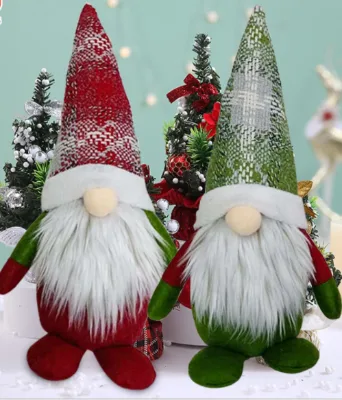


Creative Plush Toy Santa Claus Doll Christmas Gift Children Toys Wholesale
$0.80 - $3.00
MOQ: 500 Pieces


Comprehensive Sourcing Guide
Easter Gnomes Plush Toy Sourcing Guide
Sourcing plush toys for seasonal events like Easter requires a strategic approach that balances aesthetic appeal with rigorous safety and quality standards. While the provided product data highlights Christmas-themed items such as Santa Claus and Snowman figures, the underlying manufacturing capabilities for plush toys are often transferable to Easter-themed designs like gnomes, bunnies, or chicks. Buyers must recognize that the core material—plush—and the production method—hand-made—are consistent across these seasonal categories. This guide focuses on the procurement principles applicable to plush toy sourcing, ensuring that buyers can adapt these insights to specific Easter product requirements while maintaining compliance and cost-efficiency.
The procurement landscape for plush toys is characterized by a wide range of customization options and flexible packaging solutions. Suppliers often offer OEM and ODM services, allowing buyers to tailor colors, sizes, and designs to match specific brand identities or seasonal themes. Understanding the typical specifications, such as material composition and packing methods, is crucial for accurate cost estimation and logistics planning. This guide provides a structured framework for evaluating suppliers, verifying technical details, and managing commercial terms, ensuring a smooth sourcing process for high-quality plush toys.
Product Scope and Observed Listing Signals
The observed market signals indicate a strong emphasis on handmade craftsmanship and versatile usage scenarios. Products are frequently described as toys with applications in decoration, gifts, and promotional activities. The "hand-made" attribute suggests a focus on quality and detail, which is often a key selling point for premium plush toys. Buyers should verify if the "hand-made" claim applies to the entire production process or specific finishing steps, as this impacts both the unit cost and the consistency of the final product. Understanding the distinction between machine-sewn and hand-finished items is essential for setting realistic quality expectations.
Usage contexts for these plush toys extend beyond simple play, encompassing home, party, restaurant, bar, hotel, and wedding decorations. This versatility allows buyers to target multiple market segments, from retail consumers to B2B clients seeking promotional gifts or event decor. The "flexible" shape attribute indicates that the toys are soft and pliable, suitable for cuddling and display. Buyers should consider how the product's flexibility affects packaging density and shipping costs, as well as how it influences the customer's unboxing experience and perceived value.
Technical Specifications to Verify
Size and dimension specifications vary significantly across different product models, ranging from small decorative items to larger display pieces. For instance, observed models include dimensions such as 3515cm, 20cm, and larger carton standards like 3929*42cm. Buyers must clearly define the target size for their Easter gnomes to ensure alignment with supplier capabilities and shipping constraints. Smaller sizes may offer higher packing density, reducing freight costs, while larger sizes may command higher retail prices but incur greater shipping expenses. Verifying the exact dimensions of the finished product, including any variations due to the handmade nature, is critical for accurate inventory planning.
Packaging solutions are another critical technical aspect, with options ranging from individual polybags to multi-layer brown boxes and cartons. Observed packing methods include "1PC in a Polybag, 60PCS in a Carton" and "6PC/3-Layer Brown Box 60PC/CTN." The choice of packaging affects product protection, shelf appeal, and logistics efficiency. Buyers should evaluate the durability of the packaging to prevent damage during transit and consider the environmental impact of the materials used. Additionally, verifying the packing quantity per carton is essential for calculating shipping volumes and optimizing container utilization.
Compliance and Safety Documentation
Safety compliance is paramount for plush toys, especially those intended for children. Suppliers often claim adherence to international standards such as EN71-1, 2, 3, ASTM, and REACH. These standards cover mechanical and physical properties, flammability, and chemical composition, ensuring the product is safe for its intended use. Buyers must request valid test reports from accredited laboratories to verify compliance. It is important to note that standards like EN71 are specific to certain regions, such as the European Union, while ASTM is relevant for the United States. Buyers should ensure that the test reports match the target market's regulatory requirements.
In addition to product-specific testing, supplier audits provide insight into the manufacturing environment's social and ethical standards. Observed certifications include ICTI, Sedex, and ISO9001. ICTI certification is particularly relevant for toy manufacturers, focusing on ethical labor practices. Sedex membership indicates a commitment to supply chain transparency and ethical trade. ISO9001 demonstrates a robust quality management system. Buyers should verify the validity of these certifications and review audit reports to assess the supplier's compliance with social responsibility and quality management standards.
Cost Drivers and Commercial Terms
The cost of plush toys is influenced by several factors, including material quality, labor intensity, and customization requirements. The "hand-made" attribute suggests higher labor costs compared to fully automated production. Buyers should understand the breakdown of costs to negotiate effectively. Material costs, such as the type of plush fabric and filling, also play a significant role. Premium materials may increase the unit price but enhance the product's perceived value. Customization options, such as specific colors, sizes, or packaging, can further impact the cost structure.
Commercial terms, including MOQ, payment methods, and lead times, are critical for procurement planning. Observed MOQs range from 30 to 2000 pieces, with some specific models requiring 500 pcs. Lower MOQs may be suitable for testing the market or small-scale orders, while higher MOQs offer better unit prices. Payment terms like T/T are common, but buyers should negotiate favorable conditions based on order volume and relationship history. Lead times, observed as 7-10 days for some items and 25-35 working days for others, vary based on production complexity and order size. Buyers should plan their procurement timeline accordingly to avoid delays.
Supplier Qualification and Quality Control
Supplier qualification involves assessing their production capacity, quality control processes, and responsiveness. Buyers should request samples to evaluate the product's quality, including stitching, material feel, and overall appearance. The "hand-made" nature of the product may lead to slight variations between units, which should be acceptable within a reasonable tolerance. Buyers should establish clear quality standards and communicate them to the supplier. Regular communication and clear specifications are essential to ensure that the final product meets expectations.
Quality control measures should be implemented throughout the production process, from raw material inspection to final product testing. Buyers should consider hiring third-party inspection services to conduct pre-shipment inspections. These inspections can verify product quality, quantity, and packaging compliance. Establishing a robust quality control plan helps mitigate risks and ensures that the supplier consistently delivers high-quality products. Buyers should also evaluate the supplier's ability to handle defects and provide after-sales support.
Long-Term Procurement Checks
Long-term procurement success depends on building a strong relationship with reliable suppliers and continuously monitoring performance. Buyers should conduct regular supplier evaluations based on quality, delivery, and service. Establishing a scorecard system can help track supplier performance over time. Continuous improvement initiatives, such as joint quality improvement projects, can enhance the partnership. Buyers should also stay updated on market trends and regulatory changes to adapt their sourcing strategies accordingly.
Risk management is another key aspect of long-term procurement. Buyers should diversify their supplier base to mitigate risks associated with single-source dependencies. Developing contingency plans for potential disruptions, such as raw material shortages or production delays, is essential. Regularly reviewing and updating procurement policies and procedures ensures that the sourcing process remains efficient and compliant. By focusing on these long-term checks, buyers can build a resilient and sustainable supply chain for their plush toy products.
FAQs
What materials are used for these Easter gnomes plush toys?
These Easter gnomes are made of plush material and produced using hand-made processing. The plush construction suits both decoration and toy use, and the listings also cover related characters such as Santa Claus, snowman, and plush penguin designs. If you need a specific fabric composition or filling detail, request it from the manufacturer during quoting, since material specifications can vary between models.
Can the Easter gnomes plush toys be customized?
Yes, customization is available, and OEM and ODM services are offered. Size can be 20cm or customized to your requirement, and colors can follow the photo or your specification. Customization typically affects the quotation, sample time, and production lead time, so confirm your artwork, size, and packaging requirements with the supplier before placing an order to receive accurate terms.
What is the minimum order quantity for Easter gnomes plush toys?
The listed MOQ is 500 pcs, although observed listings across the category range from 30 to 2000 pieces depending on the model and supplier. Lower MOQs usually apply to stock designs, while customized orders tend to require higher volumes. Always confirm the exact MOQ for the specific model you want, as it can differ by design, size, and packaging option.
How long do samples and bulk production take?
Sample time is typically 5 to 7 working days, and bulk delivery time is 25 to 35 working days after order confirmation. Some listings cite a shorter 7 to 10 day delivery time, which may apply to ready-stock items. Customized designs, larger quantities, and peak holiday seasons can extend timelines, so plan orders well ahead of the Easter selling period.
Which certifications and test standards do the products meet?
Listed factory audit credentials include ICTI, Sedex, and ISO9001, and products are tested against En71-1, En71-2, En71-3, ASTM, and Reach standards. These cover safety and quality expectations for toys sold in many markets. Certification scope can vary by factory and product, so request current test reports and audit certificates for the specific model before finalizing your order.
Where are these Easter gnomes plush toys produced and shipped from?
The products originate in China, specifically Guangdong, with loading ports at Shenzhen or Guangzhou. Suppliers ship globally, and payment is typically arranged by T/T. Carton packing is standard, with some models packed one piece in a polybag and 60 pieces per carton. Confirm the loading port, carton dimensions, and shipping terms with your supplier when requesting a quotation.