Source eco-friendly absorbent ceramic stone coaster for Cafes, Homes, and Offices
Compare 30 listings of eco-friendly absorbent ceramic stone coaster options featuring sublimation blanks and car coasters. Buyers can review sizes, shapes, and materials from Fujian, China suppliers to find the right fit for various applications.
Key considerations
Products List
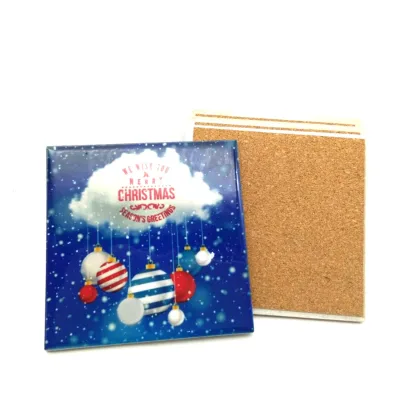
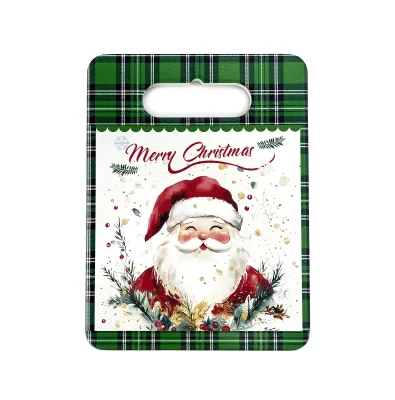
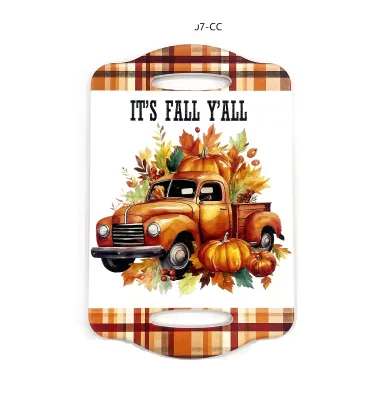
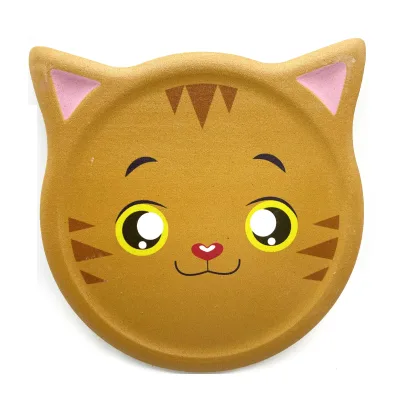
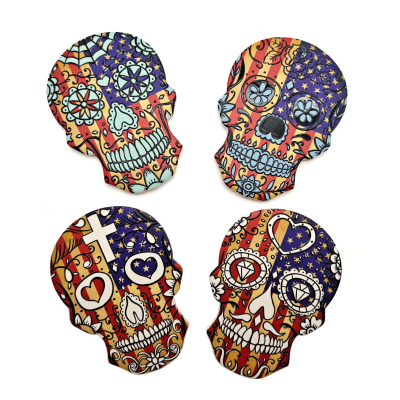
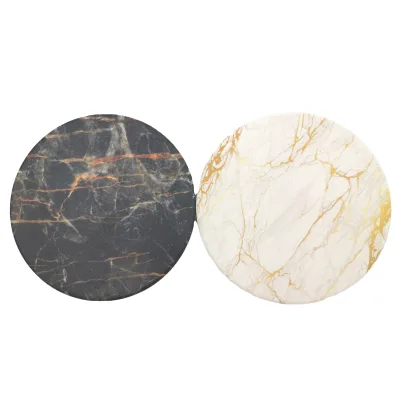
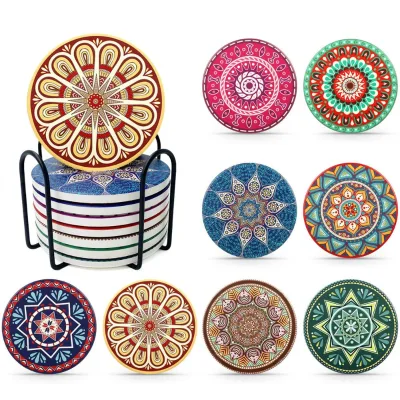

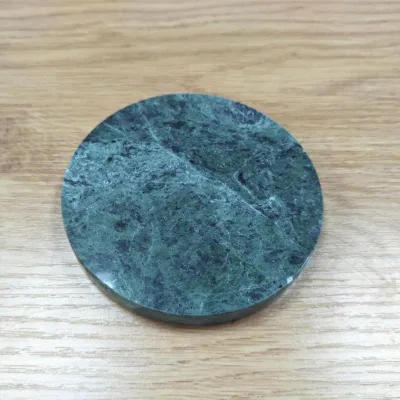
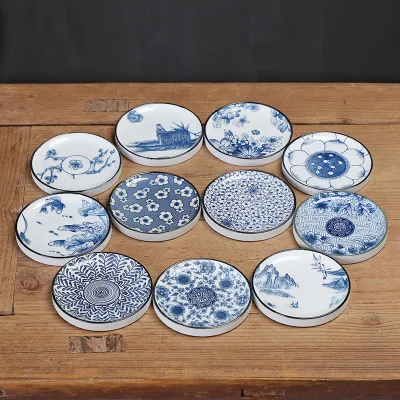
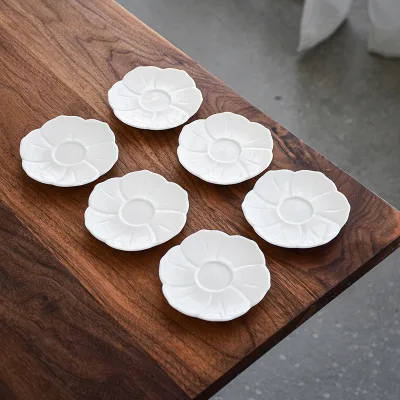
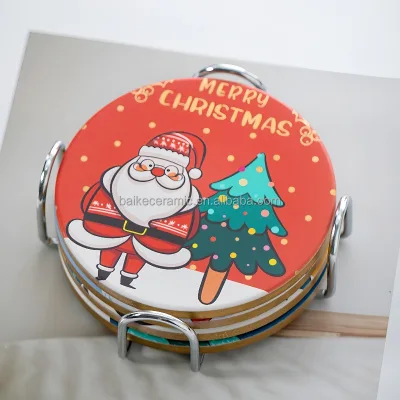
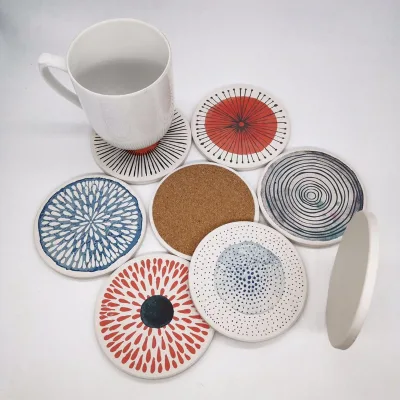
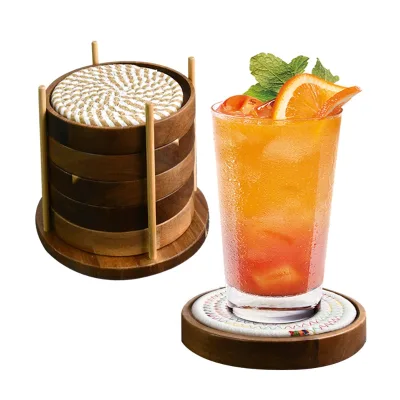
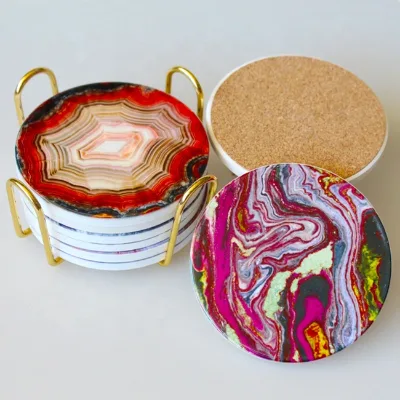
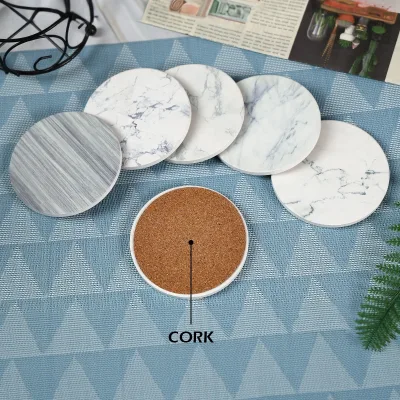
Eco-Friendly Fast Dry Water Absorbent Diatomite Stone Absorbent Coasters
$0.50 - $1.00
MOQ: 2000 Pieces

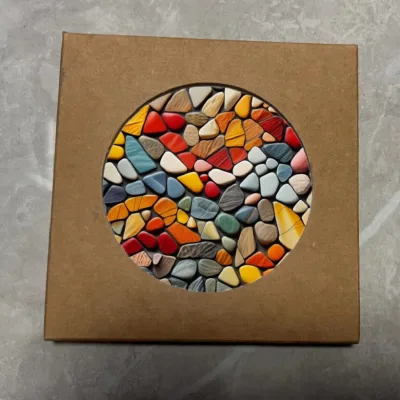


Comprehensive Sourcing Guide
Strategic Sourcing Guide for Eco-Friendly Absorbent Ceramic Stone Coasters
The global B2B market for tableware accessories has seen a significant shift toward sustainable, functional, and aesthetically pleasing items. For procurement officers and sourcing agents, the core keyword "eco-friendly absorbent ceramic stone coaster" represents a specific intersection of material science, environmental compliance, and design utility. This guide provides a disciplined framework for evaluating suppliers and products that align with these criteria, drawing strictly from observed market data and established industry standards for ceramic manufacturing.
Understanding Material Composition and Functional Attributes
The foundation of sourcing ceramic coasters lies in verifying the material composition. While the term "ceramic stone" is often used in marketing to imply durability and a natural aesthetic, the technical reality involves high-temperature fired clay bodies. In the current supply landscape, products are frequently categorized simply as "ceramic coaster" or "ceramic ornament." A critical distinction for buyers is the difference between standard glazed ceramic and absorbent varieties.
Standard ceramic coasters are often non-porous, relying on a glass-like glaze to protect the underlying clay. However, the specific requirement for "absorbent" functionality suggests a need for unglazed surfaces or specialized porous ceramic formulations that can wick moisture away from glassware. When evaluating product listings, buyers must look for explicit mentions of absorbency. Observed product attributes in the market include "ceramic absorbent car coaster" and "sublimation blank coaster ceramic," indicating that the base material is versatile for both functional use and customization.
The physical properties of these items are equally critical. Dimensions observed in the market range from compact car coasters measuring approximately 6.6 x 6.6 x 0.6 cm to larger square dining coasters at 10 x 10 x 0.8 cm. The thickness, often noted as 5 mm or 0.7 cm, directly impacts the coaster's ability to prevent heat transfer and condensation damage. Buyers should verify that the "Single package size" and "Single gross weight" align with the product's intended density. For instance, a heavier gross weight of 0.500 KG for a square coaster suggests a denser, more robust clay body compared to lighter variants, which may be preferable for high-end hospitality applications.
Technical Specifications and Design Customization
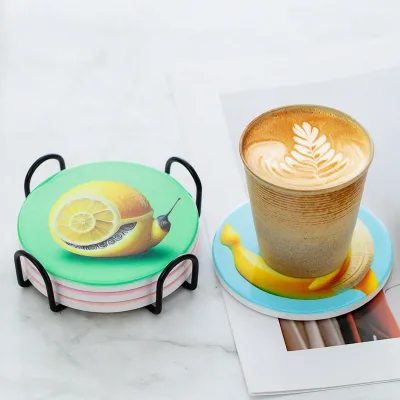
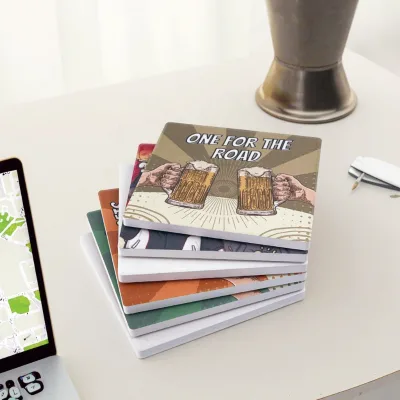
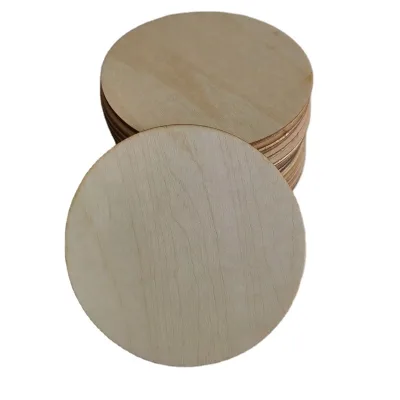
Technical specifications extend beyond dimensions to include surface treatments and design capabilities. The market data highlights a strong trend toward "sublimation blank" products. These are ceramic items specifically engineered to accept sublimation printing, allowing for high-resolution, full-color graphics that become part of the coating rather than sitting on top of it. This feature is essential for corporate gifting, promotional items, and custom retail collections.
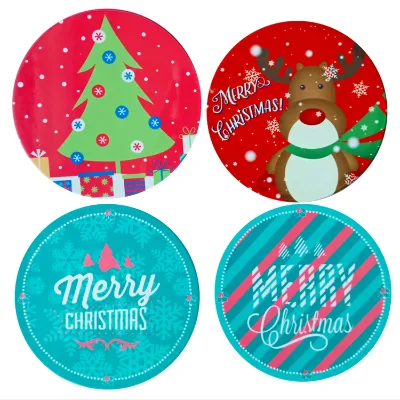
Design attributes vary significantly based on the target application. The observed inventory includes "Christmas coaster gift" designs, "Cute" styles, and "Europe" or "Country" aesthetics. For a buyer seeking an "eco-friendly" product, the design should not only be visually appealing but also produced using sustainable inks and processes. The "UV printing" keyword observed in the market indicates an alternative decoration method that is often associated with lower VOC emissions compared to traditional solvent-based inks, though the specific environmental impact depends on the ink formulation used by the supplier.
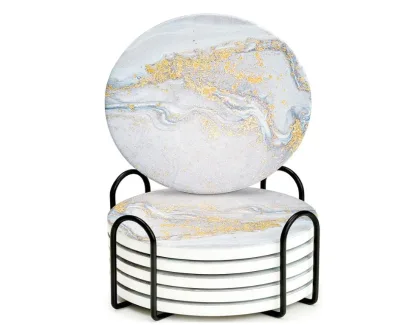
Shape is another critical specification. While "Square" and "Round" are the dominant forms, the market also lists "ornament coaster" shapes, which may deviate from standard geometric forms. The "Diameter" specification for some items exceeds 600mm, which likely refers to the packaging or a specific large-format product line rather than the coaster itself, requiring careful verification by the buyer to avoid confusion. The "Model Number" (e.g., CH1711, CH171jx1-Coaster) serves as a unique identifier for these variations, ensuring that the exact technical specifications are replicated in bulk orders.
Compliance, Certification, and Environmental Claims
The "Eco-Friendly" attribute is a high-confidence observation in the current market, yet it requires rigorous verification. In the B2B context, "eco-friendly" is not a regulated term with a single universal definition. Buyers must demand evidence supporting this claim. This includes verifying the sourcing of raw materials, such as clay and glazes, for the absence of heavy metals like lead and cadmium, which are common concerns in ceramic manufacturing.
Compliance checks should focus on international safety standards. While specific certification names were not observed in the provided product data, reputable suppliers typically adhere to standards such as FDA regulations for food contact materials or EU Directive 84/500/EEC regarding ceramic articles. The "Reusable" feature, observed in the product attributes, supports the sustainability argument by reducing waste compared to disposable paper or cork alternatives.
Buyers should also investigate the "Factory" status of the supplier. The presence of "Yes sublimation blank coaster ceramic" and "Factory Wholesale" indicators suggests direct manufacturing capabilities. Direct factory sourcing often allows for better control over the production process, including waste management and energy efficiency, which are key components of a genuine eco-friendly supply chain. However, buyers must verify if the "ODM" (Original Design Manufacturer) or "ODM coaster" branding implies a generic production line that may not prioritize sustainable practices over cost efficiency.
Cost Drivers and Pricing Dynamics
Understanding the cost structure of ceramic coasters is vital for budget planning. The observed price range of 0.1 to 5.29 USD per unit indicates a wide spectrum of quality and complexity. The lower end of the price range likely corresponds to basic, unbranded, or mass-produced items with minimal customization. The higher end may reflect premium materials, complex designs, or specialized eco-friendly certifications.
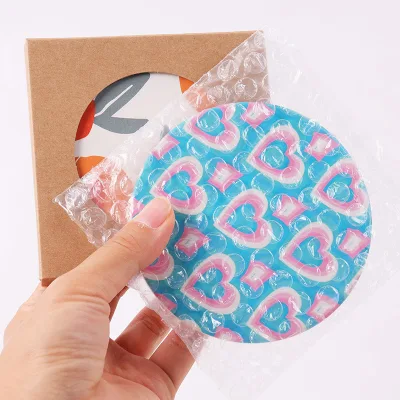
Several factors drive these costs. First, the "Material" cost varies based on the quality of the clay and the glaze. Second, the "Packing" method, such as "4 pieces in a box," adds to the unit cost due to packaging materials and labor. Third, customization costs, particularly for sublimation or UV printing, can significantly increase the price. The "MOQ" (Minimum Order Quantity) range of 2 to 2000 units also influences the per-unit price; higher volumes typically yield lower unit costs, but the initial investment is higher.
Buyers should be wary of prices that seem too low, as they may indicate the use of inferior materials or non-compliant manufacturing processes. The "Single gross weight" is a useful proxy for material density; heavier coasters generally command higher prices due to the increased material usage. Additionally, the "Place of Origin" (Fujian, China) is a major manufacturing hub for ceramics, offering competitive pricing, but logistics and import duties must be factored into the total landed cost.
Supplier Evaluation and Quality Control Protocols
Evaluating suppliers for ceramic coasters requires a multi-faceted approach. The "Factory" attribute suggests that the supplier is a manufacturer rather than a trader, which can offer better price stability and quality control. However, the presence of "ODM" and "Brand Name" variations like "changhong" or "ODM coaster" indicates that some suppliers may operate as white-label manufacturers, producing goods for various brands.
Quality control should begin with a review of the "Product Type" and "Usage." For example, "cup coaster holder" usage implies a need for stability and heat resistance, while "car coaster" usage requires durability against vibration and potential spills. Buyers should request samples to test for "absorbency" and "glaze adhesion." A common defect in ceramic coasters is chipping or cracking, which can be mitigated by checking the "Thickness" and "Single package size" for adequate cushioning during transit.
The "Style" and "Design" elements also play a role in quality assessment. A "Modern" or "Europe" style coaster should have precise edges and consistent coloring. Buyers should verify that the "Keyword" attributes like "Coster Set" or "uv printing" are accurately reflected in the physical product. It is essential to ensure that the "Model Number" on the sample matches the order specifications to avoid receiving the wrong variant.
Typical Applications and Market Segmentation
The versatility of ceramic coasters allows them to serve diverse market segments. The "Christmas coaster gift" attribute points to the seasonal gift market, where aesthetic appeal and thematic design are paramount. The "Car coaster" and "Car ornament" categories highlight the automotive accessories market, where functionality and compact size are key.
In the hospitality sector, "Square" and "Round" coasters are standard for restaurants and hotels. The "Reusable" nature of these products aligns with the sustainability goals of modern hospitality brands. Furthermore, the "Sublimation blank" capability makes these coasters ideal for corporate branding, event souvenirs, and retail promotional items. The "Table Decoration & Accessories Type" classification confirms their role in enhancing the dining experience.
Buyers should consider the specific "Color" options available, such as "Deep Blue" or "Sky Blue," when targeting specific demographics. The "Size" variations, from "S" to larger dimensions, allow for customization based on the type of glassware or beverage being served. Understanding these applications helps in selecting the right product mix and negotiating terms that align with the end-user's needs.
Long-Term Procurement Considerations
Sourcing ceramic coasters is not just a one-time transaction but a long-term partnership. The "Factory" status and "Wholesale" nature of the suppliers suggest a capacity for volume scaling. However, buyers must consider the "Lead Time" and "MOQ" flexibility. A high MOQ of 2000 units may be suitable for large retailers but prohibitive for smaller businesses.
Sustainability is a long-term consideration. As regulations tighten regarding environmental impact, buyers should prioritize suppliers who can demonstrate a commitment to "Eco-Friendly" practices beyond mere marketing claims. This includes verifying the lifecycle of the product, from raw material extraction to end-of-life disposal. The "Reusable" attribute is a strong starting point, but buyers should also inquire about the recyclability of the packaging and the production waste management systems.
Finally, the "Brand Name" and "ODM" dynamics require careful management. If a buyer intends to build their own brand, they should ensure the supplier offers exclusive design rights or the ability to customize the "Model Number" and packaging. The "Single package size" and "Gross Weight" data provided in the product listings should be used to optimize logistics and reduce shipping costs over the long term. By focusing on these strategic elements, buyers can secure a reliable supply of high-quality, eco-friendly ceramic coasters that meet both functional and ethical standards.
FAQs
How are eco-friendly absorbent ceramic stone coasters customized for branding?
These coasters are customized using sublimation or UV printing techniques to apply full-color graphics directly onto the ceramic surface. The product data confirms they are available as sublimation blanks suitable for corporate gifting and promotional items, allowing for high-resolution designs that become part of the coating rather than sitting on top.
What are the standard dimensions for square ceramic coasters in this category?
Standard square ceramic coasters typically measure 10 by 10 centimeters with a thickness of 0.8 centimeters. Some variants may have slightly different sizes like 10.5 by 10.5 centimeters, but the 10 by 10 centimeter dimension is the most common specification observed for dining and table decoration applications.
Which material properties ensure the absorbent functionality of these ceramic coasters?
Absorbent functionality is achieved through specialized porous ceramic formulations or unglazed surfaces that wick moisture away from glassware. While standard glazed ceramics are non-porous, the specific product listings identify 'ceramic absorbent car coaster' variants, indicating a deliberate material choice for moisture management in functional applications.
Can buyers find these coasters with a minimum order quantity of 2000 units?
Yes, buyers can find these coasters with a minimum order quantity of 2000 units, though lower MOQs starting at 2 units are also available. The observed MOQ range spans from 2 to 2000, allowing flexibility for both small businesses testing the market and large retailers requiring bulk inventory for seasonal or promotional campaigns.
How is the packaging configured for shipping square ceramic coaster sets?
The packaging is typically configured with four pieces placed inside a single box for efficient shipping and protection. This packing method helps maintain the structural integrity of the ceramic items during transit and aligns with the observed single package dimensions of approximately 10.3 by 10.3 by 0.8 centimeters for square variants.
What styles are available for eco-friendly absorbent ceramic stone coasters?
Available styles include Cute, Europe, Country, and Modern designs to suit various aesthetic preferences and target demographics. The product attributes list specific design themes such as Christmas gifts and car coasters, demonstrating the versatility of these items for both seasonal gifting and automotive accessory markets.
Where are these ceramic coasters primarily manufactured?
These ceramic coasters are primarily manufactured in Fujian, China, which is a major hub for ceramic production. The location data confirms this origin for the listed products, offering competitive pricing and established supply chains for international buyers seeking direct factory sourcing for bulk orders.