Source eco-friendly artificial flower for Home, Wedding, and Landscaping
Compare 30 listings of eco-friendly artificial flower options featuring PP and PE materials with varying styles like bonsai and wisteria. Buyers can evaluate customization availability, certifications, and lead times for recreation and landscaping projects.
Key considerations
Products List


Eco-Friendly Anti-UV Artificial Plants Green Flower Artificial Flowers Ball
$10.00 - $12.00
MOQ: 492 Pieces
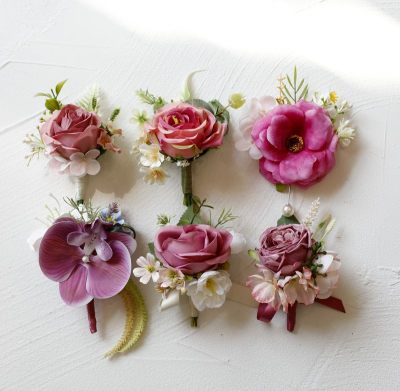


Star Flowers Artificial Flower Synthetic Flower Plant Plastic Flower for Decoration
$0.65 - $0.66
MOQ: 1000 Pieces


White Puple Synthetic Flower Plastic Flower Decoration Artificial Flower
$0.42 - $0.43
MOQ: 1000 Pieces


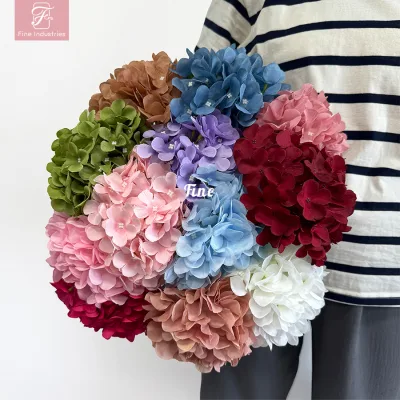


Artificial Flower, Rose Plastic Flowers. Plastic Flowers for Home Decoration
$4.36 - $5.00
MOQ: 2000 Sets


Comprehensive Sourcing Guide
Strategic Sourcing Guide for Eco-Friendly Artificial Flowers
The global B2B market for artificial floral arrangements has evolved significantly, driven by a demand for sustainable, durable, and aesthetically pleasing alternatives to fresh blooms. For procurement professionals seeking "eco-friendly artificial flowers," the sourcing strategy must move beyond simple visual inspection to a rigorous evaluation of material composition, manufacturing processes, and supply chain transparency. This guide provides a structured approach to navigating the complex landscape of artificial flora, ensuring that the selected products align with both environmental goals and commercial requirements.
Material Composition and Environmental Attributes
The foundation of any eco-friendly artificial flower lies in its material composition. Traditional plastics often rely on non-biodegradable polymers that contribute to long-term waste. However, modern sourcing requires a focus on specific material grades that balance durability with environmental responsibility. In the current market, high-quality artificial flowers are frequently constructed from Polypropylene (PP) and Polyethylene (PE). These materials are selected not only for their ability to mimic the texture and flexibility of natural petals but also for their recyclability potential.
When evaluating suppliers, buyers must verify the specific grade of these polymers. The presence of "International Class" materials suggests a higher standard of purity and performance, often indicating resistance to degradation under UV exposure. Furthermore, the manufacturing process plays a critical role in the product's environmental footprint. Handmade processing methods, as observed in specific product lines, often imply a higher level of craftsmanship and attention to detail, which can reduce material waste compared to fully automated mass production. However, buyers should also inquire about the energy sources used in these facilities. While the product itself may be labeled as "Environmentally Friendly," the broader lifecycle impact depends on the energy efficiency of the production facility and the disposal protocols for off-cuts.
Technical Specifications and Design Standards
Technical specifications define the functional utility and aesthetic longevity of the product. For artificial flowers, dimensions and structural integrity are paramount. Standardized sizing is crucial for logistics and installation, particularly for large-scale landscaping or event decoration projects. Observed industry standards indicate that product models often adhere to specific height and length parameters, such as 38cm or 110cm, to ensure compatibility with various display fixtures and architectural designs.
The physical properties of the flower, including the "Touch Feeling," are essential for consumer acceptance. High-end artificial flowers are engineered to feel "Nature and Comfortable" to the touch, distinguishing them from cheaper, plastic-like alternatives. This tactile quality is achieved through specific yarn lengths and fiber treatments. For instance, "Medium" yarn lengths are often preferred to create a balanced look that mimics the natural droop of real wisteria or other trailing vines. Additionally, the color palette is a critical specification. While "Green" is a common base, the market offers a wide array of specific color codes, ranging from 1# to 10# Corsage and Wrist flower variations, including specialized combinations like "White and Purple." Buyers must ensure that the color consistency is maintained across batches, as variations can disrupt the visual harmony of large installations.
Compliance, Certification, and Safety Standards
In the B2B sector, compliance is not merely a formality but a prerequisite for market access, particularly in regions with strict environmental and safety regulations. For artificial flowers intended for export to Europe, Russia, Latin America, Africa, and Asia, specific certifications are often mandatory. The presence of CE, SGS, and TUV certifications indicates that the product has undergone rigorous testing for safety and quality.
Beyond general safety, eco-friendly claims often require specific performance validations. Buyers should look for certifications related to "Anti-Fire" and "Anti-UV" properties. These are not optional features but critical safety requirements for indoor venues like hotels, restaurants, and supermarkets, as well as outdoor landscaping applications. The "Anti-Fire" certification ensures the material meets flame retardancy standards, reducing the risk of rapid fire spread. Similarly, "Anti-UV" certification is vital for products intended for outdoor use, preventing the fading of colors and the brittleness of materials over time. Additionally, a "Chromium Test" certification is essential to ensure that the dyes and materials do not contain harmful heavy metals that could leach into the environment or pose health risks.
Cost Drivers and Procurement Economics
Understanding the cost structure of artificial flowers is essential for budgeting and negotiation. The price of these products is influenced by several key factors, including material quality, labor intensity, and packaging complexity. The "Handmade" nature of certain high-end artificial flowers significantly impacts the cost, as it requires skilled labor rather than purely automated machinery. This labor intensity often results in a higher unit price but offers superior aesthetic quality and customization options.
Packaging is another significant cost driver. Efficient packing, such as "4PCS Be Packed in a Box" or "Carton Box" configurations, affects the volume and weight of the shipment, directly influencing freight costs. The "Carton Size" of 0.760.760.38m and a specific Cbm (Cubic Meter) of 0.219/PC are critical metrics for logistics planning. Buyers must calculate the total volume to optimize container loading and minimize shipping expenses. Furthermore, the Minimum Order Quantity (MOQ) varies widely, ranging from 100PCS for specific flower models to 492 Pieces or even 2000 units for bulk landscaping projects. These MOQ thresholds directly affect the per-unit cost, with larger orders typically yielding better economies of scale. Payment terms such as T/T, Western Union, Moneygram, and Paypal also influence the financial flow and risk management for the buyer.
Typical Applications and Market Segmentation
The versatility of eco-friendly artificial flowers allows them to serve a diverse range of applications across multiple industries. The primary market segments include recreation, landscaping, and interior decoration. In the landscaping sector, these flowers are used to create permanent greenery in areas where natural growth is difficult or impossible, such as high-rise building facades or indoor atriums. The "Complex" ground cloth mentioned in some specifications suggests that these products are designed to be integrated into intricate landscape designs, providing a realistic appearance even from a distance.
For the event and hospitality industry, artificial flowers are indispensable for weddings, hotel lobbies, and restaurant decor. Their ability to maintain a "Natural" appearance without the need for water or sunlight makes them ideal for long-term displays. The "Lifetime" of these products, typically ranging from 3-5 years for standard models to 5-8 years for high-grade artificial grass and floral arrangements, ensures a strong return on investment for commercial clients. The "Style" of the flowers, whether "Bonsai," "Spherical Flower," or "Artificial Flower," allows buyers to tailor their procurement to specific design themes. The "Main Market" data indicates a strong demand in Europe, Russia, and Latin America, suggesting that these products are well-suited for international trade and cross-border logistics.
Supplier Evaluation and Quality Control
Selecting the right supplier requires a comprehensive evaluation of their capabilities, location, and quality control processes. The origin of the product, whether from Guangzhou, Jiangsu, or Guangdong in China, can provide insights into the local supply chain ecosystem and manufacturing expertise. Guangzhou, for instance, is known for its strong export infrastructure, while Jiangsu and Guangdong are hubs for textile and plastic manufacturing.
Quality control should be a continuous process, not a one-time check. Buyers must verify that the supplier adheres to the "International Class" grade and that the "Warranty" period, typically 5-8 years, is backed by genuine performance data. The "Customization" availability is a key differentiator; suppliers that offer "Available" customization allow buyers to tailor colors, sizes, and styles to specific project needs. However, buyers must also be aware of "Non-Customized" options, which may offer faster lead times and lower costs for standard orders. The "Lead Time" of 7-15 days is a standard benchmark, but buyers should confirm this with the supplier to avoid delays in project timelines.
Long-Term Procurement Considerations
Sourcing eco-friendly artificial flowers is a long-term strategy that requires careful planning and relationship management. The "Warranty" of 5-8 years is a strong indicator of product durability, but buyers should also consider the end-of-life disposal options. While the materials are recyclable, the actual recycling infrastructure varies by region. Buyers should inquire about the supplier's commitment to sustainability beyond the product itself, such as their waste management practices and carbon footprint reduction initiatives.
Furthermore, the "Main Market" trends suggest that demand is shifting towards more sustainable and durable products. Buyers who invest in high-quality, certified artificial flowers now will be better positioned to meet future regulatory requirements and consumer expectations. The "Feature" of being "Evergreen" and "Environmentally Friendly" is not just a marketing claim but a strategic asset that enhances the brand value of the buyer's own projects. By focusing on suppliers with robust certification portfolios and transparent supply chains, buyers can ensure a steady supply of high-quality, eco-friendly artificial flowers that meet the evolving needs of the global market.
Comparative Analysis of Product Attributes
To facilitate decision-making, the following table summarizes key attributes observed in the current market for eco-friendly artificial flowers:
| Attribute Category | Specific Observation | Relevance to Procurement |
|---|---|---|
| Material | PP, PE | Determines recyclability and durability. |
| Certification | CE, SGS, TUV, Anti-Fire, Anti-UV | Essential for market access and safety compliance. |
| Lifetime | 3-5 Years (Standard), 5-8 Years (High Grade) | Impacts long-term cost of ownership. |
| MOQ Range | 100PCS to 2000 Pieces | Influences inventory management and cash flow. |
| Lead Time | 7-15 Days | Critical for project scheduling and delivery. |
| Origin | Guangzhou, Jiangsu, Guangdong | Indicates manufacturing hub and logistics efficiency. |
| Customization | Available / Non-Customized | Affects product flexibility and unit cost. |
| Packing | 4PCS/Box, Carton Box | Impacts shipping volume and freight costs. |
By adhering to these guidelines and leveraging the detailed product attributes, procurement professionals can make informed decisions that align with their organizational goals and sustainability mandates. The focus on verified certifications, material quality, and supplier reliability ensures that the final product not only meets aesthetic standards but also stands the test of time in a competitive global market.
FAQs
What materials are used for eco-friendly artificial flowers?
These flowers are constructed from Polypropylene and Polyethylene materials. These polymers are selected for their durability and recyclability potential while mimicking natural textures. The products often meet International Class grade standards for purity and performance.
Which certifications ensure safety for export markets?
Products typically hold CE, SGS, and TUV certifications for safety and quality. Additional validations include Anti-Fire, Anti-UV, and Chromium Test results. These are essential for meeting regulatory requirements in Europe, Russia, and Latin America.
How long do these artificial flowers typically last?
The standard lifetime ranges from 3 to 5 years for most models. High-grade artificial grass and floral arrangements may offer a warranty of 5 to 8 years. This duration ensures a strong return on investment for commercial clients.
Can I customize the color and style of these flowers?
Customization is available for many product lines to meet specific project needs. Buyers can select from various color codes like 1# to 10# Corsage or specific styles such as Bonsai and Spherical Flower. Some standard models may be non-customized for faster delivery.
What is the minimum order quantity for these products?
Minimum order quantities vary significantly depending on the specific product model. Some items require as few as 100 pieces, while others may start at 492 pieces or up to 2000 units for bulk landscaping. Larger orders often yield better economies of scale.
Where are these artificial flowers manufactured?
Manufacturing origins include Guangzhou, Jiangsu, and Guangdong in China. These regions are known for strong export infrastructure and expertise in textile and plastic manufacturing. The specific origin can influence logistics and supply chain efficiency.
How are these flowers packaged for shipping?
Products are packed in carton boxes, often with configurations like 4 pieces per box. Carton dimensions may be 0.76 by 0.76 by 0.38 meters with a specific cubic meter value. This packaging affects volume and weight for freight cost calculations.
What is the typical lead time for these orders?
The standard lead time is between 7 to 15 days for production and delivery. This timeframe applies to most standard orders but may vary based on customization requirements. Buyers should confirm specific timelines to avoid project delays.