Source eco-friendly anti-static wool felt for Leather, Embossing, and Agriculture
Find and compare 30 eco-friendly anti-static wool felt options tailored for leather machinery, embossing applications, and industrial customization. Evaluate specifications like GSM, thickness, and anti-static properties to select the right material for your manufacturing needs.
Key considerations
Products List


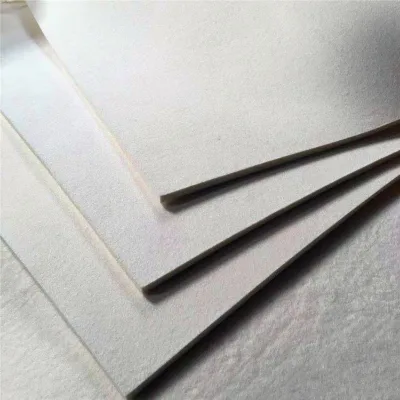
Customized Anti-Static Industrial Felt for Through-Feed Leather Processes
$100.00 - $2000.00
MOQ: 1 Pieces


High Density Thick Felt Pressed Wool Felt for Oil Absorption and Industrial Use
$2.00 - $3.00
MOQ: 100 Pieces


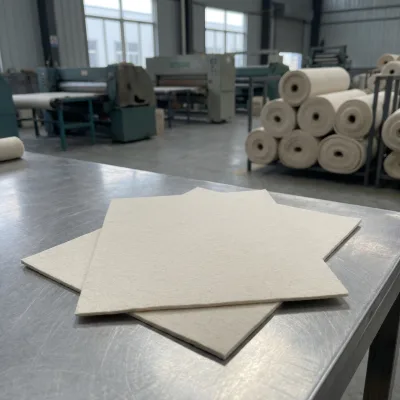
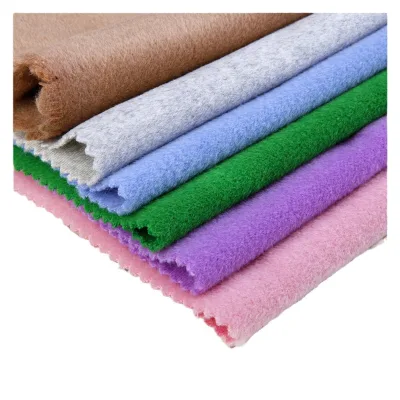
High-Quality Eco-Friendly High Density 100% Wool Felt Fabric Rolls Industrial Felt
$1.60 - $3.20
MOQ: 1000 Square Meters

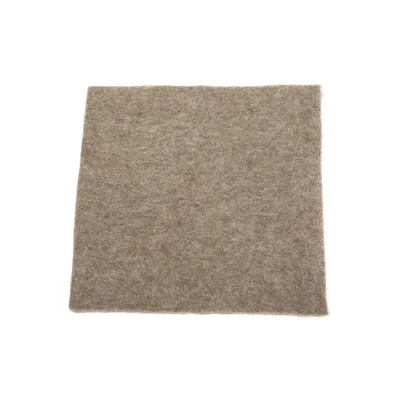
Eco-Friendly Wool Felt Customized 3mm 6mm 10mm Thick Wool Felt Fabric for Mattress
$1.60 - $3.20
MOQ: 1000 Square Meters

Factory Supply Eco-Friendly 100% Wool Felt Industrial Fabric Customized White Nonwoven Felt
$1.60 - $3.20
MOQ: 1000 Square Meters

Comprehensive Sourcing Guide
Eco-Friendly Anti-Static Wool Felt Sourcing Guide
Sourcing eco-friendly anti-static wool felt requires a nuanced understanding of material composition, industrial application, and supply chain transparency. This guide synthesizes observed market data and trusted category knowledge to help procurement professionals navigate the complexities of acquiring high-performance felt fabrics. The focus is on verifying technical specifications, ensuring compliance with safety standards, and managing commercial risks associated with custom industrial textiles.
The following sections provide a structured approach to evaluating suppliers, interpreting product listings, and establishing quality control protocols. By adhering to these evidence-based guidelines, buyers can mitigate the risk of receiving substandard materials and ensure that the final product meets the rigorous demands of leather machinery, embossing applications, and other industrial processes.
Product Scope and Observed Listing Signals
The market for eco-friendly anti-static wool felt presents a diverse range of products, often characterized by mixed material compositions and varying degrees of customization. Observed listings indicate that many suppliers offer felt fabrics composed of wool, synthetic fibers, and anti-static additives, catering to specific industrial needs. These materials are frequently marketed for use in leather machines and embossing applications, where durability and static control are paramount. Buyers should note that while the term "eco-friendly" is common, it often correlates with non-toxic material grades and specific environmental certifications, though the exact definitions may vary by supplier.
Listing signals reveal significant variability in product attributes, including GSM, thickness, and packing methods. For instance, some products are listed with a GSM of 500G/M2 or 550G/M2, while others boast much higher gram weights ranging from 8000 to 10000G/M2, suggesting different density and structural requirements. Thickness also varies, with some items specified at 20mm or greater than 1.2mm, indicating that buyers must carefully match the physical dimensions to their machinery’s tolerances. Additionally, packing methods range from PP woven bags with waterproofing to PE bags and standard export cartons, which can impact storage and handling logistics.
Technical Specifications to Verify
When evaluating technical specifications, buyers must prioritize the verification of material composition and structural integrity. The core composition often includes wool, synthetic fibers, and anti-static elements, which collectively determine the felt’s performance in high-friction environments. It is crucial to confirm whether the anti-static property is inherent to the fiber blend or achieved through surface treatments, as this affects longevity and maintenance. Furthermore, the structure is typically described as a fabric form with a needle-punched style, which influences the felt’s abrasion resistance and dimensional stability under mechanical stress.
Dimensional specifications such as size, thickness, and basic weight are critical for ensuring compatibility with specific machinery. Buyers should verify if the supplier offers customized sizing, as many listings indicate "Customerization" or "OEM" options. The working direction, often described as "Through-Feed," is another key parameter that must align with the operational flow of the buyer’s equipment. Additionally, the absence of elasticity in many felt products means that precise cutting and fitting are essential to prevent misalignment during high-speed operations.
Compliance and Safety Documentation
Compliance with international standards is a non-negotiable aspect of sourcing industrial felt, particularly when the material is used in close proximity to machinery or human operators. Many suppliers claim adherence to ISO9001 quality management systems, which provides a baseline assurance of consistent manufacturing processes. However, buyers should also investigate specific material safety certifications, such as RoHS, which indicates the absence of hazardous substances. While some listings mention OEKO-TEX, this should be treated as a low-confidence signal unless explicitly verified by the supplier, as it is not universally applied across all felt products.
The "eco-friendly" designation often implies non-toxic material grades, but this claim requires substantiation through third-party testing reports. Buyers should request documentation that confirms the absence of harmful chemicals and verifies the non-absorbent nature of the felt, which is crucial for applications where moisture resistance is required. Additionally, the condition of the product is typically listed as "New," but buyers should ensure that the material has not been compromised during storage or transit, which could affect its anti-static properties and overall performance.
Cost Drivers and Commercial Terms
Cost drivers for eco-friendly anti-static wool felt are influenced by material composition, customization requirements, and order volume. The inclusion of synthetic fibers and anti-static additives can increase the base cost compared to pure wool felt, while customized sizes and thicknesses may incur additional processing fees. Buyers should be aware that the observed price range in the market is broad, spanning from nominal values to higher tiers, which often reflects differences in quality, thickness, and functional properties. Understanding these variables is essential for accurate budgeting and cost comparison.
Commercial terms, including MOQ and lead times, vary significantly among suppliers. Observed MOQs range from 1 to 1000 units, offering flexibility for both small-scale trials and large-volume production runs. Lead times are typically cited as within 20-30 days after payment receipt, but this can be extended for customized orders or during peak production periods. Buyers should negotiate clear terms regarding payment schedules, shipping responsibilities, and penalties for delays to protect their supply chain continuity.
Supplier Qualification and Quality Control
Supplier qualification begins with verifying the origin and manufacturing capabilities of the provider. Many suppliers are located in China, with specific hubs like Taizhou emerging as key production centers. Buyers should assess the supplier’s production capacity, quality control processes, and ability to meet customized specifications. Requesting samples is a critical step in this process, allowing buyers to physically inspect the felt’s texture, density, and anti-static performance before committing to a larger order.
Quality control protocols should include regular inspections of raw materials, in-process checks, and final product testing. Buyers should inquire about the supplier’s procedures for maintaining consistency in GSM, thickness, and anti-static properties across batches. Additionally, verifying the supplier’s adherence to their stated standards, such as ISO9001, can provide confidence in their ability to deliver reliable products. Establishing a clear communication channel for addressing quality issues and requesting replacements is also essential for long-term partnership success.
Long-Term Procurement Checks
Long-term procurement success depends on establishing robust performance metrics and continuous supplier evaluation. Buyers should monitor the felt’s performance in real-world applications, tracking metrics such as abrasion resistance, static dissipation efficiency, and dimensional stability over time. Regular feedback loops with the supplier can help identify areas for improvement and ensure that the product continues to meet evolving operational requirements. This proactive approach minimizes the risk of production disruptions and maintains high-quality output.
Additionally, buyers should periodically review the supplier’s compliance status and market reputation. Keeping abreast of changes in environmental regulations and industry standards ensures that the sourced materials remain compliant and competitive. Building a diversified supplier base can also mitigate risks associated with single-source dependencies, providing flexibility in case of supply chain disruptions or quality issues. By maintaining a disciplined and evidence-based approach to procurement, buyers can secure a reliable supply of high-quality eco-friendly anti-static wool felt.
FAQs
What materials are used in eco-friendly anti-static wool felt?
The product is composed of wool, synthetic fibers, and anti-static fibers. It is classified as non-toxic and meets environmental grade standards for industrial applications.
Can I request custom sizes for this wool felt fabric?
Yes, customization is available for size and specifications. The product supports customer requirements with options like OEM sizing and customized thickness up to 20mm.
Which certifications does the manufacturer hold for this felt?
The product holds ISO9001 certification and RoHS compliance. These standards ensure quality management and restriction of hazardous substances in the manufacturing process.
How is the eco-friendly anti-static wool felt packed for shipping?
Packaging options include PP woven bags with waterproofing, PE bags, or standard export packing. Some variants use woven bags or cartons depending on the specific order.
What is the lead time for delivery after payment?
Delivery occurs within 20 to 30 days after receipt of payment. This timeline applies to standard orders for the specified industrial felt products.
Where is the origin of this wool felt fabric?
The product originates from China, with specific production locations including Taizhou. This origin supports the supply chain for industrial machine parts and textiles.
What is the minimum order quantity for this felt?
The minimum order quantity ranges from 1 to 1000 units depending on the supplier. Buyers should verify specific MOQs as they vary across different product models.