Source eco-friendly automatic dog feeder for Home, Travel, and Office
Source eco-friendly automatic dog feeder options from 30 verified suppliers. Compare features like fixed-time feeding, recyclable PP materials, and smart charging capabilities to find the right solution for your pet care business needs; compare the available evidence and request quotations based on your requirements.
Updated
Key considerations
Products List



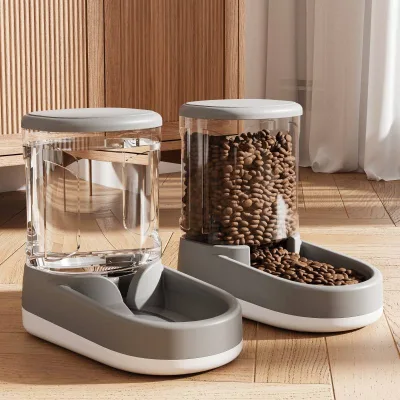


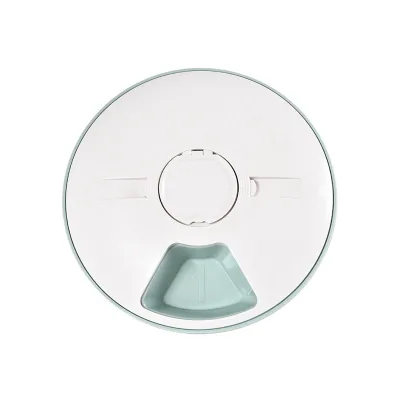
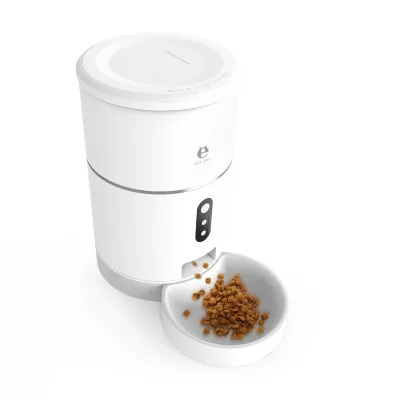
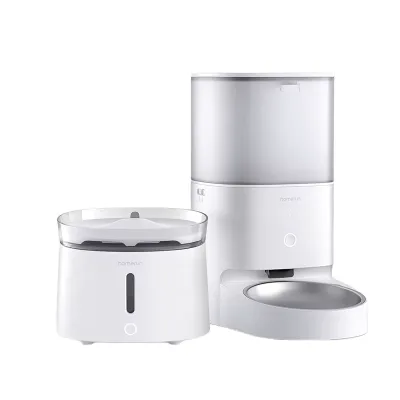


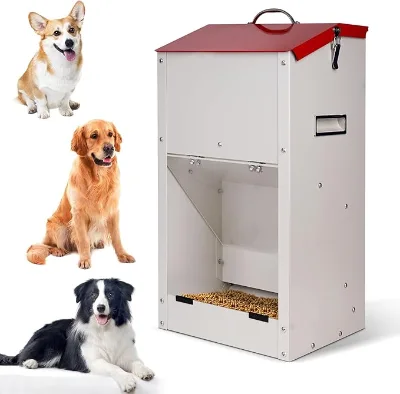

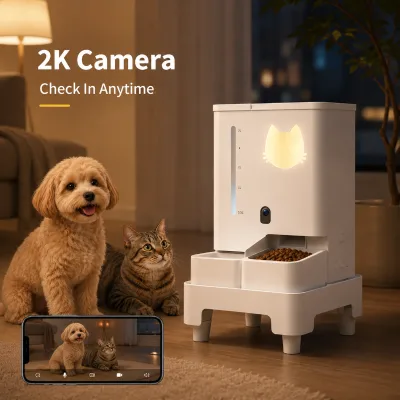
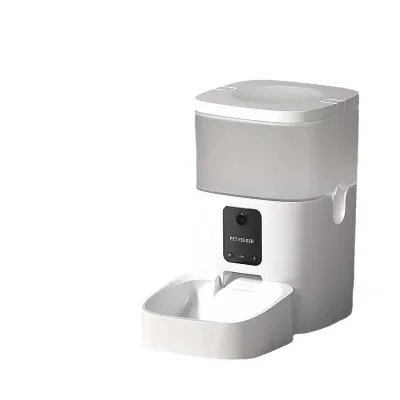


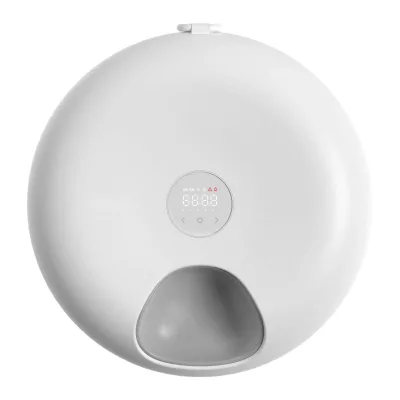
Pet Automatic Feeder Dog Accessories Long-Range WiFi Smart Automatic Pet Feeder
$33.79 - $33.80
MOQ: 2000 Pieces



Comprehensive Sourcing Guide
Eco-Friendly Automatic Dog Feeder Sourcing Guide
Sourcing eco-friendly automatic dog feeders requires balancing sustainable material choices with reliable mechanical performance. Buyers must prioritize suppliers who demonstrate a clear commitment to recyclable components without compromising the durability needed for daily pet care routines. The market offers various models, but verifying the specific environmental claims is essential to avoid greenwashing. Procurement teams should focus on products that explicitly state their recyclability and use materials like polypropylene or stainless steel, which are known for their longevity and lower environmental impact compared to mixed plastics.
The decision to source these devices often hinges on the ability to customize branding and packaging to meet specific corporate sustainability goals. Many manufacturers now offer options for hangtags and standard carton packing that can be tailored to reduce waste. It is crucial to evaluate whether the supplier’s production processes align with your company’s broader environmental, social, and governance objectives. By selecting partners who provide transparent information about their manufacturing practices, buyers can ensure that their procurement strategy supports both operational efficiency and ecological responsibility.
Product Scope and Observed Listing Signals
The current market for automatic feeders includes a diverse range of models designed specifically for dogs and cats. Listings indicate a price range from $0.30 to $89.99, reflecting variations in complexity, material quality, and feature sets. Minimum order quantities typically start at one unit, allowing for small-scale testing, while larger orders may require up to 2,000 units. This flexibility enables buyers to scale their procurement efforts based on demand forecasts and inventory requirements. Understanding these signals helps in budgeting and planning for initial pilot programs versus large-scale distribution.
Observed product attributes highlight key features such as fixed-time feeding capabilities, LCD displays, and various power sources including Type C charging cables or D-size batteries. Some models are designed for dry food only, with kibble sizes ranging from 5 to 15mm, which is critical for compatibility with different pet diets. The presence of waterproof ratings like IPX5 suggests suitability for various household environments. Buyers should carefully review these specifications to ensure the selected feeder meets the specific needs of their target pet owners, particularly regarding power convenience and food type compatibility.
Technical Specifications to Verify
Verifying technical specifications is paramount to ensuring the feeder operates reliably over time. Key attributes to confirm include the power source, whether it relies on rechargeable batteries or standard D-size cells, and the voltage requirements for plug-in models. Buyers should also check the single package dimensions and gross weight to optimize logistics and shipping costs. For instance, some models have a gross weight of 1.4kg to 8.4kg, which significantly impacts freight charges. Accurate data on these physical attributes is essential for calculating landed costs and warehouse storage requirements.
Material composition is another critical technical factor, with many feeders constructed from polypropylene or a combination of plastic and stainless steel. These materials are chosen for their durability and ease of cleaning, which are vital for maintaining hygiene in pet feeding routines. Additionally, features like recyclable design and eco-friendly construction should be validated through supplier documentation. Buyers must ensure that the claimed environmental benefits are backed by tangible product attributes, such as the use of single-material components that are easier to recycle at the end of the product's life cycle.
Compliance and Safety Documentation
Compliance with international safety and quality standards is non-negotiable for pet feeding devices. Buyers should request documentation for certifications such as FDA, ISO, and BRC, which indicate adherence to rigorous manufacturing and safety protocols. These certifications ensure that the materials used in the feeder are safe for contact with pet food and do not leach harmful substances. Verifying these credentials helps mitigate liability risks and builds trust with end consumers who are increasingly concerned about product safety and quality.
In addition to material safety, electrical compliance is crucial for automatic feeders that plug into wall outlets. Buyers must verify that the plug type matches the target market, such as CN plugs for specific regions, and that the device meets local electrical safety standards. Waterproof ratings like IPX5 should also be validated through independent testing reports to ensure the device can withstand accidental spills or cleaning with water. Ensuring comprehensive compliance documentation protects the buyer from regulatory issues and enhances the product’s marketability in regulated markets.
Cost Drivers and Commercial Terms
Several factors influence the total cost of ownership for automatic dog feeders, including material costs, manufacturing complexity, and customization options. The use of stainless steel and high-grade plastics can increase production costs but offers greater durability and perceived value. Customization services, such as private labeling and tailored packaging, may incur additional fees but can enhance brand differentiation. Buyers should negotiate clear terms for these services to avoid unexpected charges and ensure that the final product aligns with their branding strategy.
Payment terms and delivery times are also significant commercial considerations. Standard payment methods include T/T, L/C, Western Union, and PayPal, offering flexibility for different transaction sizes. Delivery times typically start at 20 days after payment, which buyers must account for in their supply chain planning. Understanding these commercial terms allows for better cash flow management and inventory planning. Buyers should also inquire about bulk discounts and lead time variations for larger orders to optimize their procurement strategy.
Supplier Qualification and Quality Control
Evaluating supplier qualifications is essential to ensure a reliable partnership. Buyers should look for suppliers with over 13 years of experience, as this often indicates stability and expertise in the industry. Checking the supplier’s place of origin, such as Zhejiang or Guangdong in China, can provide insights into their manufacturing capabilities and supply chain efficiency. Additionally, verifying the supplier’s ability to provide customized branding and packaging options is crucial for buyers seeking to differentiate their products in a competitive market.
Quality control processes should be clearly defined and agreed upon before placing orders. Buyers should request samples to test the feeder’s functionality, durability, and ease of use. Establishing clear quality standards for materials, assembly, and packaging helps prevent defects and ensures consistency across production batches. Regular audits and inspections can further mitigate risks by identifying potential issues early in the production process. A robust quality control framework is vital for maintaining product integrity and customer satisfaction.
Long-Term Procurement Checks
Long-term success in sourcing automatic dog feeders depends on continuous monitoring of supplier performance and market trends. Buyers should regularly review supplier delivery times, product quality, and responsiveness to issues. Establishing key performance indicators (KPIs) for these metrics helps in objectively assessing supplier reliability and identifying areas for improvement. Regular communication with suppliers ensures that any changes in production processes or material availability are promptly addressed, minimizing disruptions to the supply chain.
Staying informed about emerging technologies and sustainability trends is also crucial for maintaining a competitive edge. Buyers should explore new features, such as improved power efficiency or enhanced smart connectivity, that may offer additional value to customers. Additionally, monitoring regulatory changes in target markets ensures ongoing compliance and avoids potential legal issues. By proactively adapting to these changes, buyers can ensure their procurement strategy remains aligned with market demands and sustainability goals, securing long-term business success.
FAQs
Can I customize the brand name on the automatic feeder?
Yes, the product supports customized branding options for buyers. You can request specific brand names or logos to be applied to the unit. This customization is available alongside standard features like fixed time feeding and recyclable materials for your specific needs.
What certifications do these automatic feeders hold?
The feeders hold FDA, ISO, and BRC certifications to ensure safety and quality. These standards verify that the materials and manufacturing processes meet international requirements. Buyers can rely on these documented certifications when sourcing products for their pet supply businesses.
How long does delivery take after payment is made?
Delivery is typically shipped within 20 days after payment is received. This lead time applies to the standard production and shipping process for the automatic feeders. Buyers should plan their inventory orders accordingly to ensure timely arrival of the products.
What is the power source for the automatic feeder?
The device operates using a Type C charge cable or three D-size batteries. This dual power option ensures the feeder functions reliably even during power outages. The unit is designed to handle dry food only with a kibble size between 5 and 15mm.
Which materials are used to construct the feeder bowl?
The feeder is constructed from PP plastic and stainless steel materials. These materials are selected for their durability and eco-friendly properties. The combination ensures the product is safe for pets while maintaining a recyclable profile for environmentally conscious buyers.
What is the capacity of the automatic feeder model?
The feeder has a specification capacity of 3.75 liters for holding dry food. This volume is suitable for medium-sized pets and supports regular feeding schedules. The unit includes a desiccant bag accessory to keep the food fresh during storage.
Where are these automatic feeders manufactured?
The products originate from Zhejiang and Guangdong provinces in mainland China. This location allows for efficient manufacturing and shipping logistics for international buyers. The origin is clearly stated to ensure transparency regarding the supply chain and production standards.