Source Eco-Friendly Beaded Metal Shirt Button for Jackets, Trousers, and Sweaters
Compare 30 Eco-Friendly Beaded Metal Shirt Button options from Guangdong suppliers. These customizable metal buttons feature polishing techniques and various hole types, suitable for jackets, trousers, and sweaters with OEM support; compare the available evidence and request quotations based on your requirements.
Key considerations
Products List


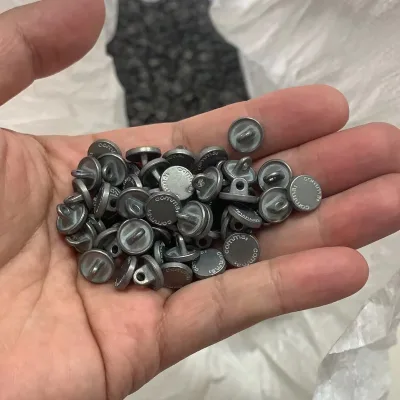


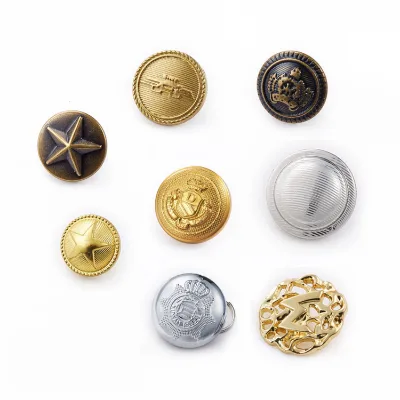

Fashion Garment Accessories /Shirt Button /Plastic Button /Metal Button
$0.03 - $0.04
MOQ: 2000 Pieces


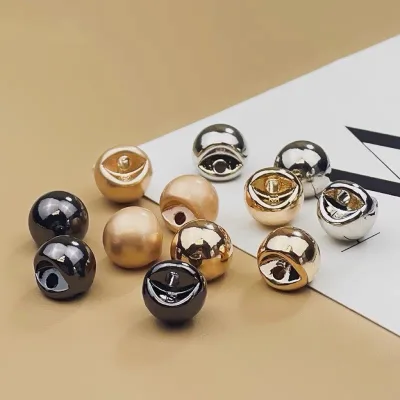


Comprehensive Sourcing Guide
Eco-Friendly Beaded Metal Shirt Button Sourcing Guide
Buyers seeking eco-friendly beaded metal shirt buttons must first distinguish between generic metal fasteners and those specifically designed with sustainable manufacturing processes. The observed product data indicates a strong focus on fashion applications, with customization available for logos and sizes to match specific garment lines. While some listings mention eco-friendly features, the primary material is consistently identified as metal, requiring careful verification of the plating and finishing processes to ensure they align with environmental standards.
Procurement teams should prioritize suppliers who explicitly confirm their adherence to RoHS standards, as this is the only specific compliance metric observed in the current market data. The availability of custom sizes and designs suggests that buyers can tailor these buttons for jackets, trousers, and sweaters, but the "Not Stock" status implies a reliance on made-to-order production. This necessitates a clear understanding of lead times and minimum order quantities before committing to a purchase order.
Product Scope and Observed Listing Signals
The current market signals reveal a diverse range of button types, including prong, four-hole, and jeans buttons, all categorized under the fashion element. Buyers will observe that while the core material is metal, specific variations exist, such as resin buttons with flat pearl or striped finishes, which may serve as decorative accents rather than structural fasteners. The usage data spans a wide array of garments, from jackets and trousers to shoes, hats, and even toys, indicating that these components are versatile but require specific selection based on the intended application.
A critical observation for buyers is the variation in adjustability, with some products listed as non-adjustable while others are adjustable, a distinction that impacts the final assembly process. The packaging methods vary from simple OPP bags to more robust international express or sea freight options, reflecting the different logistical needs of small versus large orders. Additionally, the presence of customized engraved logos and color-matching options highlights the potential for branding, though the "Not Stock" status confirms that these are primarily custom-manufactured items rather than off-the-shelf inventory.
Technical Specifications to Verify
When evaluating technical specifications, buyers must verify the exact dimensions and hole configurations, as the data shows models ranging from two-hole to four-hole designs and specific model numbers like DGJH-091 or NCHA114. The surface treatment is described as high-quality polishing, which is essential for durability and aesthetic appeal, but the specific thickness or gauge of the metal is not universally defined in the provided listings. It is crucial to request detailed technical drawings that confirm the button's ability to withstand the stress of the intended garment, such as the tension found in denim or heavy wool jackets.
The customization of size is a key technical variable, with many listings specifying "Custom Size" rather than standard measurements. Buyers should confirm whether the supplier can accommodate specific diameter and thickness requirements to ensure compatibility with existing garment patterns. Furthermore, the distinction between fabric cover types and standard metal buttons must be clarified, as the "Fabric Cover" attribute suggests a composite construction that may require different sewing techniques compared to solid metal alternatives.
Compliance and Safety Documentation
Compliance verification is paramount, with RoHS being the only explicitly mentioned standard in the observed product data. Buyers should request current test reports confirming that the metal components and any associated plating or resin elements meet these restrictions on hazardous substances. While some listings mention eco-friendly features, these claims should be substantiated by third-party documentation rather than relying solely on marketing descriptions, ensuring that the supply chain adheres to recognized environmental protocols.
Safety documentation must also address the physical integrity of the buttons, particularly for applications involving children's toys or items subject to high wear. The observed usage in toys and hats necessitates a check for sharp edges or loose parts that could pose a choking hazard. Buyers should ensure that the supplier provides evidence of quality control processes that verify the structural soundness of the prong or shank mechanisms, preventing failures that could compromise the safety of the final product.
Cost Drivers and Commercial Terms
Cost drivers for eco-friendly beaded metal buttons are heavily influenced by the level of customization required, including logo engraving, specific color matching, and unique size specifications. The observed MOQ range of 10 to 10,000 units indicates that smaller orders may carry a higher per-unit cost due to setup fees, while larger volumes can leverage economies of scale. Buyers must carefully evaluate the trade-off between the desired aesthetic customization and the financial impact of meeting higher minimum order thresholds, especially given the "Not Stock" nature of the products.
Commercial terms regarding shipping and packaging are also significant cost factors, with options ranging from OPP bags to international express and sea freight. The choice of packaging directly affects the final landed cost and the protection of goods during transit, particularly for delicate metal finishes. Buyers should negotiate clear terms that define who bears the risk during shipping and how packaging costs are allocated, ensuring that the total cost of ownership aligns with the project budget while maintaining the integrity of the product.
Supplier Qualification and Quality Control
Supplier qualification should focus on verifying their capacity for OEM and ODM services, as the data indicates a warm welcome for both types of collaboration. Buyers must assess the supplier's ability to maintain consistent quality across custom orders, given the variation in product models and the reliance on polishing and surface treatments. It is essential to confirm that the supplier has a robust quality control system in place to handle the specific requirements of eco-friendly manufacturing, ensuring that every batch meets the agreed-upon standards for material and finish.
Quality control checks should include random sampling of finished goods to verify the accuracy of the engraved logos, the consistency of the color matching, and the structural integrity of the button holes. Since the products are often made to order, buyers should establish clear acceptance criteria before production begins to avoid disputes over non-conforming goods. Regular audits of the supplier's production line can help ensure that the high-quality surface treatments and polishing processes are consistently applied, maintaining the brand's reputation for quality.
Long-Term Procurement Checks
Long-term procurement strategies should include periodic re-evaluation of supplier performance against the initial quality and compliance benchmarks established at the start of the partnership. Buyers need to monitor whether the supplier continues to meet RoHS standards and maintain the eco-friendly attributes of the metal buttons over time, as manufacturing processes can drift without regular oversight. Establishing a feedback loop for any quality issues allows for timely corrections and ensures that the supply chain remains resilient and responsive to changing market demands.
Sustainability checks should also extend to the supplier's broader environmental practices, verifying that their metal sourcing and finishing processes remain aligned with the buyer's corporate social responsibility goals. As the market evolves, buyers should stay informed about new standards or regulations that may impact the production of metal fasteners. By maintaining a proactive approach to supplier management, buyers can ensure a steady supply of high-quality, eco-friendly buttons that support their brand's long-term objectives and customer expectations.
FAQs
Can these metal buttons be customized with a logo?
Yes, customized logos are available for these fashion metal buttons. The product page confirms that OEM and ODM services are warmly welcomed. Buyers can request customized engraved logos to brand their garments. This customization option allows for unique branding on jackets, trousers, and other apparel items while maintaining the high-quality surface treatment and eco-friendly attributes of the metal material.
What is the minimum order quantity for these buttons?
The minimum order quantity is 2000 pieces for these metal buttons. This MOQ applies to the standard customization options available for fashion and eco-friendly designs. Buyers should note that the stock status is not available, meaning production is typically made-to-order. This quantity ensures efficient manufacturing while allowing for the required polishing and surface treatment processes on the metal material.
Are these buttons suitable for use on jackets and trousers?
Yes, these metal buttons are suitable for jackets and trousers. The product usage explicitly lists jackets, trousers, sweaters, and bags as compatible applications. The round shape and metal material provide durability for outerwear. With options for customized sizes and color matching, they fit various garment styles. The eco-friendly feature adds value for sustainable fashion brands seeking reliable fastening solutions for their collections.
What certifications do these metal buttons meet?
These metal buttons meet the RoHS standard. This certification ensures the product complies with restrictions on hazardous substances, aligning with eco-friendly claims. The high-quality surface treatment and polishing process further support quality assurance. Buyers sourcing for global markets can rely on this standard for compliance. The Guangdong origin and OEM capabilities provide additional assurance for international supply chain requirements and sustainable manufacturing practices.
How are these buttons packaged for shipping?
These buttons are packaged in OPP bags, with some options including carton packaging. The standard packing method ensures protection during transit. For larger orders, international express, airfreight, or sea freight options are available. The packaging supports the eco-friendly nature of the product while maintaining safety. Buyers can choose shipping methods based on their logistics needs, ensuring the metal buttons arrive in optimal condition for garment assembly.