Source Eco-Friendly Bee Venom Moisturizing Lotion for body care
Compare 30 listings of Eco-Friendly Bee Venom Moisturizing Lotion from verified Chinese manufacturers. Buyers can evaluate customization options, certifications, and pricing for daily skin care applications.
Key considerations
Products List







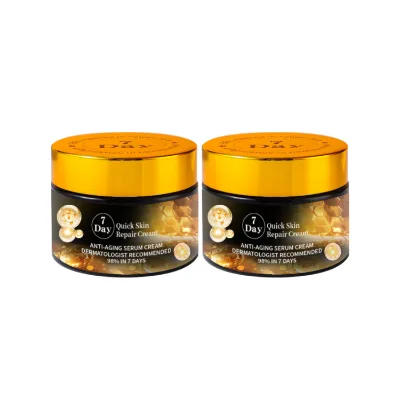
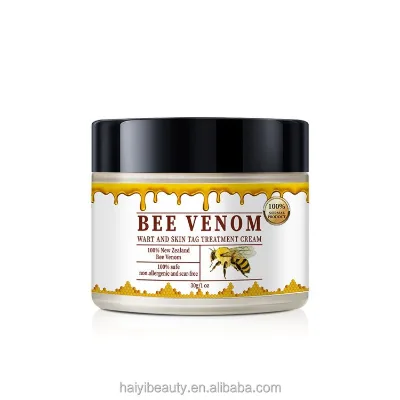
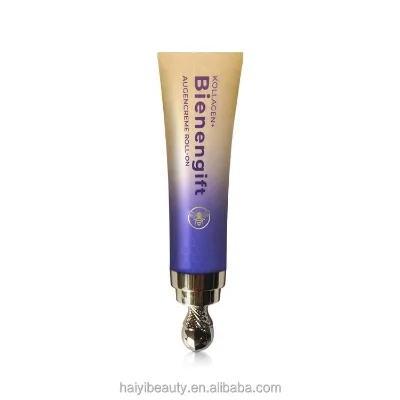
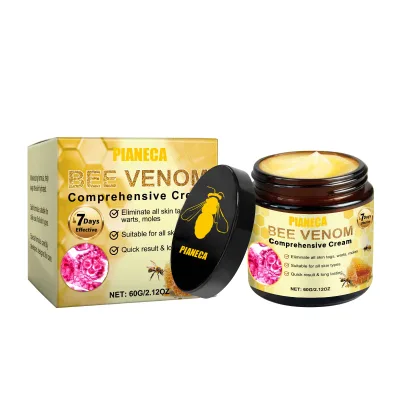
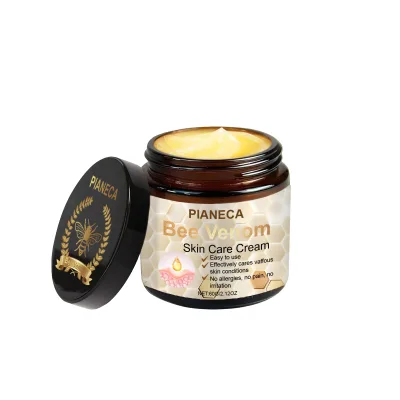
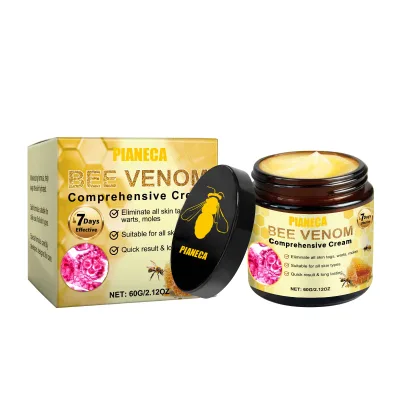
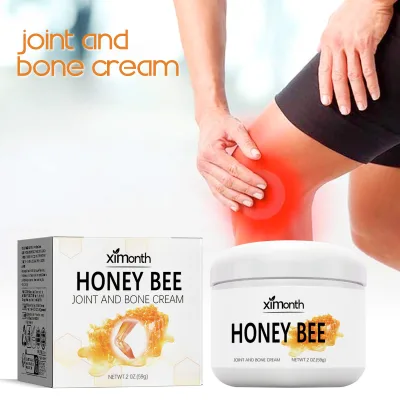


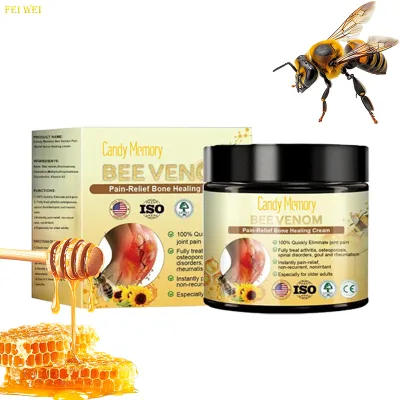
Comprehensive Sourcing Guide
Strategic Sourcing Guide for Eco-Friendly Bee Venom Moisturizing Lotion
Understanding Product Specifications and Formulation Profiles
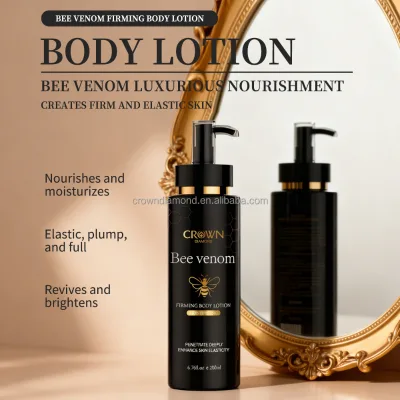
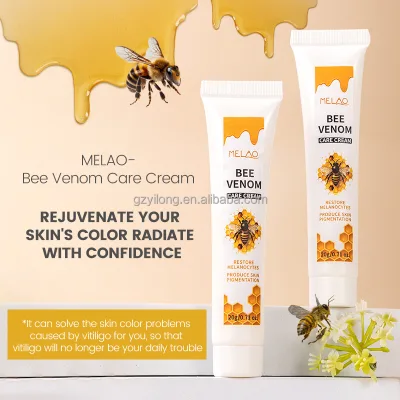
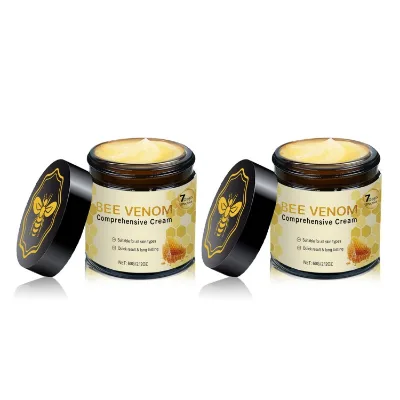
When sourcing an eco-friendly bee venom moisturizing lotion, buyers must first establish a clear understanding of the technical specifications that define the product's market viability. The core product category is identified as a body lotion, specifically designed for daily skin care applications. The formulation is characterized by a diverse array of active ingredients that cater to various skin concerns. Key ingredients observed in the supply chain include Aloe Vera, Dead Sea Salt, Glycerin, Green Tea, Pearl, Shea Butter, Vitamin C, Hyaluronic Acid, and the specific highlight of Bee Venom. This combination suggests a multifunctional product aimed at hydration, nourishment, and skin revitalization.
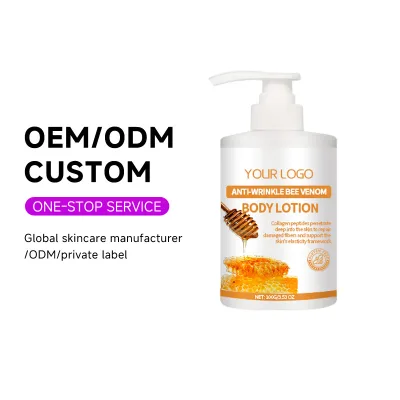
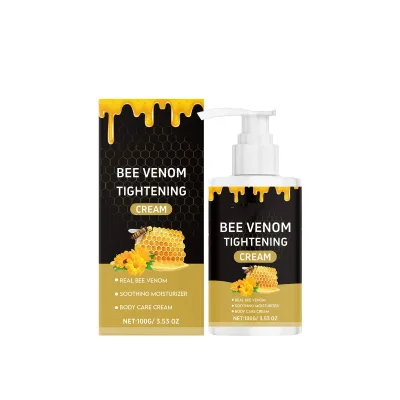
The physical attributes of the lotion are equally critical for logistics and packaging planning. The product typically arrives in a bottle format, with a single package size often recorded around 5.5 cm by 5.5 cm by 20.5 cm. The gross weight per unit is approximately 0.350 kg, which is a vital metric for calculating freight costs. The volume of the product can be customized, though standard listings often reference a 270g capacity. The form is consistently a lotion, suitable for all skin types, including sensitive, oily, normal, dry, and combination skin. While the product is marketed as eco-friendly and organic, it is important to note that specific claims regarding hypoallergenic status may vary, as some data points indicate "No" for hypoallergenic classification, necessitating careful verification of batch-specific testing.
Compliance, Certification, and Regulatory Standards
Navigating the regulatory landscape is a paramount step in the procurement of cosmetic and personal care items. For a product to be viable in international markets, it must adhere to specific certification standards. The supply chain data indicates that products in this category frequently hold CE, FDA, and GMP certifications, alongside MSDS (Material Safety Data Sheet) documentation. These certifications are essential for demonstrating that the manufacturing process meets international safety and quality benchmarks. The presence of an MSDS is particularly crucial for logistics, as it outlines the handling, storage, and emergency response procedures for the chemical components within the lotion.
Furthermore, the "eco-friendly" and "organic" claims require rigorous verification. While the product attributes list "Organic" and "Eco-Friendly" as advantages, buyers must verify the specific organic standards applied, such as USDA Organic or EU Organic standards, as these are not explicitly detailed in the general product descriptions. The ingredient list also highlights "Paraben-Free," "Sulfate-Free," "Silicone-Free," "Gluten-Free," and "Cruelty-Free" attributes. These are significant selling points for modern consumers but must be substantiated by the supplier through third-party testing or certification documents. Buyers should not assume these claims are universal across all listings but must request proof of compliance for the specific batch or model number, such as the VIA-20240819 or BL-013, to ensure the product meets the intended regulatory requirements for the target market.
Cost Drivers and Pricing Structure Analysis
The pricing structure for eco-friendly bee venom moisturizing lotions is influenced by several dynamic factors, primarily the customization level, ingredient quality, and order volume. The observed price range in the market spans from $0.64 to $5.30 USD per unit. This wide variance indicates that the final cost is heavily dependent on the specific configuration of the order. Lower price points are typically associated with standard formulations and higher volumes, while premium pricing reflects custom ingredients, specialized packaging, or smaller order quantities.
The Minimum Order Quantity (MOQ) is a significant cost driver. While some suppliers may offer flexible MOQs ranging from 1 to 1000 pieces, a common threshold for this product category is 500 pieces. Ordering below this threshold often incurs a higher unit cost due to the setup and production line inefficiencies. Additionally, the trade terms play a critical role in the landed cost. Suppliers typically offer EXW (Ex Works), FOB (Free on Board), CIF (Cost, Insurance, and Freight), CFR (Cost and Freight), DAP (Delivered at Place), and DDP (Delivered Duty Paid) terms. Selecting DDP terms can simplify the procurement process but will likely increase the unit price to cover logistics and duties, whereas EXW or FOB terms place the responsibility and cost of shipping on the buyer. Buyers must also consider the sample time, which is typically within one week, and the production lead time, which ranges from 20 to 30 days, or specifically 20 to 25 days for certain models. These timelines impact inventory planning and cash flow, indirectly affecting the overall cost of procurement.
Typical Applications and Market Positioning
The primary application for this product is daily skin care, specifically targeted for home use. The product is designed to address a wide spectrum of skin concerns, making it suitable for a broad demographic. The feature set includes acne treatment, anti-aging, anti-wrinkle, dark circles reduction, firming, lightening, moisturizing, nourishing, and skin revitalization. The inclusion of Bee Venom suggests a focus on anti-aging and firming, as this ingredient is often associated with stimulating collagen production and improving skin elasticity. The product is also marketed with whitening and lightening effects, which are high-demand features in many global markets.
The target audience is predominantly female, as indicated by the gender specification, though the "All Skin Type" attribute suggests a broad applicability. The product's versatility allows it to be positioned in various retail channels, from mass-market drugstores to premium beauty boutiques. The "OEM/ODM" (Original Equipment Manufacturer/Original Design Manufacturer) capability is a key differentiator, allowing brands to create private label products that align with their specific brand identity. This customization extends to the color of the lotion, the packaging design, and the specific blend of active ingredients. The shelf life of the product is approximately three years, which is a standard duration for cosmetic lotions and allows for extended distribution windows without significant quality degradation.
Supplier Evaluation and Manufacturing Capabilities
Selecting the right supplier requires a thorough evaluation of their manufacturing capabilities and location. The majority of these products originate from China, with a specific concentration in the Guangdong province. This region is known for its robust supply chain and expertise in cosmetic manufacturing. Buyers should verify the supplier's ability to handle the "Customized" nature of the product, including the ability to produce customized volumes and colors. The "OEM" and "Brand: OEM" attributes confirm that the suppliers are equipped to produce private label goods, but the extent of their ODM capabilities should be confirmed.
When evaluating suppliers, buyers should look for evidence of a robust quality management system. The presence of GMP certification is a strong indicator of a facility that adheres to Good Manufacturing Practices. Additionally, the ability to provide samples within one week is a practical metric for testing product quality before committing to a large order. The payment terms, which typically include TT (Telegraphic Transfer), PayPal, and Trade Assurance, offer varying levels of security for the buyer. Trade Assurance is particularly valuable as it provides a layer of protection against non-delivery or quality disputes. Buyers must also assess the supplier's logistics capabilities, as they offer shipment via Express, Air Freight, and other methods. The ability to handle complex shipping terms like DDP can be a significant advantage for buyers lacking extensive logistics experience.
Quality Control and Long-Term Procurement Considerations
Implementing a rigorous quality control (QC) protocol is essential for maintaining brand integrity and consumer safety. Given the diverse ingredient list, including potential allergens like Bee Venom, QC must focus on ingredient verification and batch consistency. Buyers should request detailed test results for each batch, specifically verifying the absence of prohibited substances and the concentration of active ingredients. The "Hypoallergenic" status, which is listed as "No" in some data points, underscores the need for patch testing or specific allergen labeling to ensure consumer safety.
For long-term procurement, consistency in lead times and supply chain reliability is paramount. The standard lead time of 20 to 30 days must be factored into inventory planning to prevent stockouts. Buyers should establish a clear communication channel with the supplier to monitor production progress and address any potential delays. The "Customized" nature of the product means that any changes in formulation or packaging require a new production run, which could impact lead times. Therefore, maintaining a stable order volume and a well-defined product specification is crucial for efficiency. Additionally, the shelf life of three years provides a buffer for inventory management, but buyers should ensure that their distribution strategy aligns with this timeline to minimize waste.
| Feature Category | Observed Attribute | Procurement Verification Point |
|---|---|---|
| Certifications | CE, FDA, GMP, MSDS | Request valid certificates for the specific batch. |
| Ingredients | Bee Venom, Aloe Vera, Vitamin C, etc. | Verify organic and cruelty-free claims with documentation. |
| MOQ | 1-1000 (Common: 500 pcs) | Confirm if lower MOQs incur higher unit costs. |
| Lead Time | 20-30 Days (Some: 20-25 days) | Align production schedule with inventory needs. |
| Packaging | Bottle, Carton, Customized Color | Verify sample packaging for branding alignment. |
| Origin | China (Guangdong) | Assess logistics costs based on port of loading. |
| Shelf Life | 3 Years | Plan distribution to utilize full shelf life. |
In conclusion, sourcing an eco-friendly bee venom moisturizing lotion requires a balanced approach that weighs technical specifications, regulatory compliance, cost efficiency, and supplier reliability. By adhering to the verified facts and maintaining a disciplined approach to quality control, buyers can successfully navigate the complexities of this market and secure high-quality products that meet consumer expectations.
FAQs
What certifications do Eco-Friendly Bee Venom Moisturizing Lotion products typically hold?
Products typically hold CE, FDA, GMP, and MSDS certifications. Buyers should request valid certificates for the specific batch to ensure compliance with international safety standards before placing orders.
How long is the lead time for manufacturing these lotions?
The standard lead time is about 20 to 30 days. Some specific models may require 20 to 25 days, so buyers must align production schedules with their inventory needs to prevent stockouts.
Can buyers customize the volume and color of the lotion?
Yes, customization is available for volume, color, and packaging. Buyers should verify sample packaging for branding alignment and confirm that specific formulation changes may impact the production timeline.
What is the minimum order quantity for these products?
The MOQ ranges from 1 to 1000 pieces, with 500 pieces being a common threshold. Ordering below this threshold often incurs higher unit costs due to production line inefficiencies.
Where are these moisturizing lotions primarily manufactured?
These products originate from China, specifically the Guangdong province. Buyers should assess logistics costs based on the port of loading and verify the supplier's ability to handle export documentation.
How long is the shelf life of the eco friendly lotion?
The shelf life is approximately three years. This duration allows for extended distribution windows, but buyers should ensure their distribution strategy aligns with this timeline to minimize waste.