Source eco-friendly breathable velvet pantyhose for Winter, Spring, and Autumn
Compare 30 listings of eco-friendly breathable velvet pantyhose from verified suppliers. Options include thermal, anti-bacterial, and eco-friendly features for adults, babies, and children in various sizes and styles.
Key considerations
Products List


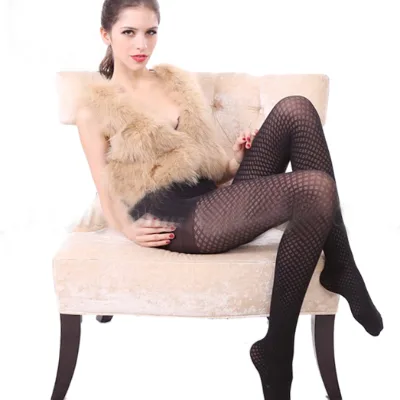
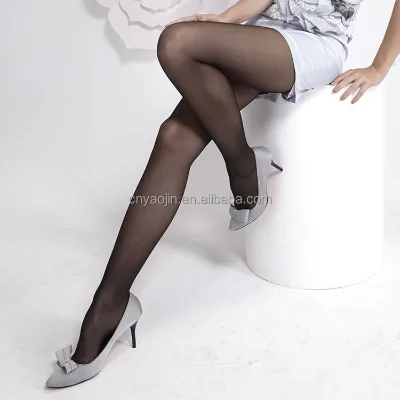
Tights Thin Pantyhose,Compression Pantyhose Women,Custom Made Pantyhose
$2.03 - $3.05
MOQ: 500 Minimum
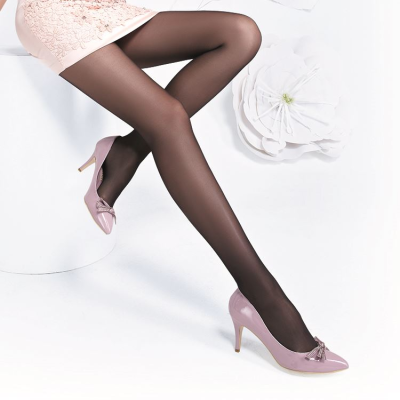
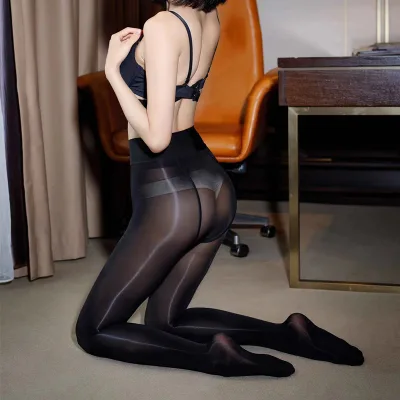
Transparent Glossy Tights Pantyhose,Nylon Lady Pantyhose,Shiny Pantyhose Tights
$2.04 - $3.06
MOQ: 500 Minimum
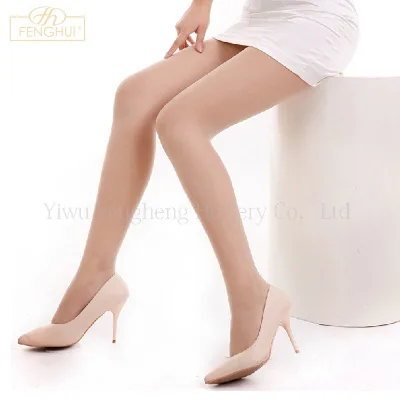
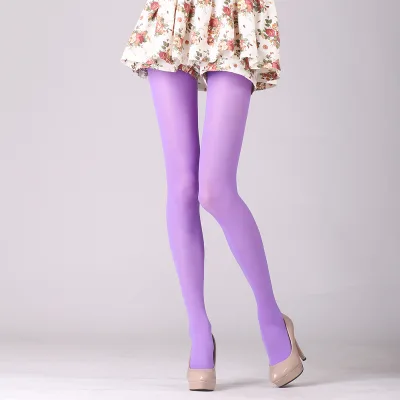
Velvet Through Meat Silk Stockings Through Gears Pantyhose Woman Filar Socks
$0.72 - $0.82
MOQ: 5 Minimum
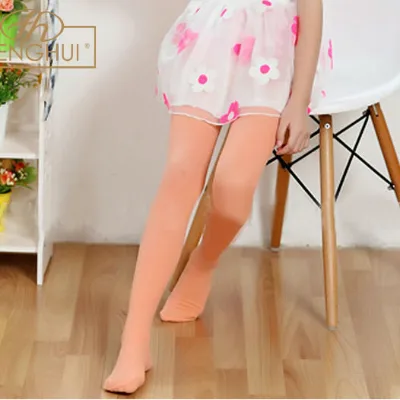
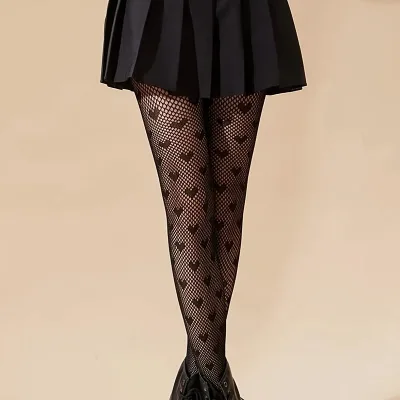
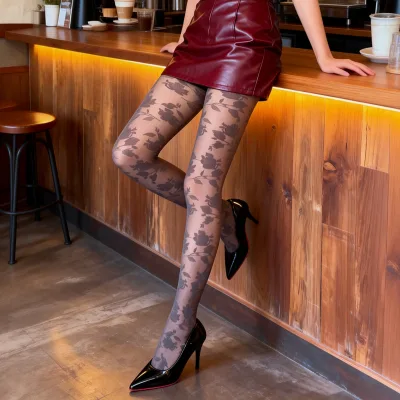
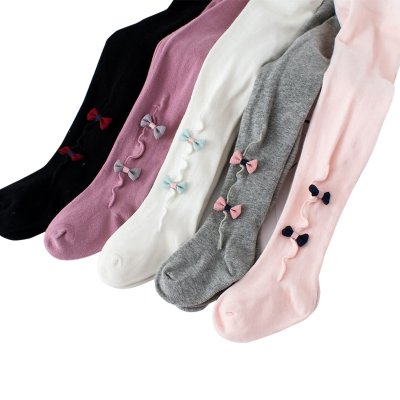


Comprehensive Sourcing Guide
Sourcing Guide for Eco-Friendly Breathable Velvet Pantyhose
The global demand for sustainable hosiery has driven a significant shift in procurement strategies, particularly for products described as eco-friendly and breathable. When sourcing "velvet pantyhose," buyers must navigate a complex landscape where material composition, manufacturing standards, and specific product attributes intersect. The term "velvet" in this context often refers to a plush, high-density knit finish rather than a woven fabric, requiring specific needle counts and yarn types to achieve the desired texture. This guide provides a disciplined framework for evaluating suppliers, understanding technical specifications, and ensuring that the final product meets both performance and sustainability expectations without relying on unverified claims.
Technical Specifications and Material Composition
The foundation of any successful procurement for hosiery lies in the precise definition of material and construction. In the current market, "eco-friendly" and "breathable" are not merely marketing terms but technical requirements that dictate the supply chain. Based on observed product data, the primary material for adult hosiery often includes polyester, which can be engineered for breathability through specific knitting techniques. However, for products targeting younger demographics or specific seasonal needs, cotton blends appear as a viable alternative, offering natural breathability and comfort.
The thickness of the garment is a critical differentiator. The market observes a clear distinction between "thickening" variants designed for winter warmth and "normal" thickness options suitable for spring or autumn. For winter applications, the product attributes explicitly list "Thickening" as a key specification, often paired with thermal features. Conversely, standard seasonal wear may utilize a "Normal" thickness profile. The knitting gauge, measured in needles, is another vital technical parameter. Data indicates that infant and child hosiery often utilizes specific needle counts, such as 120 needles for the 6-12 month age group and 132 needles for other variations. Higher needle counts generally correlate with a finer, smoother fabric, which is essential for the "velvet" aesthetic that requires a dense, uniform surface.
Furthermore, the construction method, specifically the seam type, impacts both durability and comfort. Suppliers may offer "Handlink" or "Machine-Link" seams. Hand-linking is often preferred for premium hosiery as it creates a virtually invisible join, reducing friction points on the skin. The product style is consistently categorized under "Tights/Pantyhose" or "Stockings," with specific height classifications ranging from "Middle" to "Tall" for adult sizes, and specific age brackets like "Babies," "Children," and "Adults" for sizing logic. The weight of the product is also a measurable metric, with some listings noting a weight of 0.12kg per unit, which serves as a baseline for logistics planning.
Compliance, Certification, and Sustainability Verification
When sourcing eco-friendly products, the verification of certifications is paramount. While the supplied context lists high-confidence facts regarding product attributes, it also notes low-confidence background information regarding certifications such as BSCI, GOTS, and OEKO-TEX. Buyers must treat these as potential verification targets rather than guaranteed attributes of every listed product. The presence of "Eco-Friendly" and "Breathable" features in the product description suggests a commitment to sustainability, but the specific standard (e.g., OEKO-TEX Standard 100) must be confirmed on a per-supplier basis.
The "Free" standard mentioned in the product data likely refers to a baseline compliance or a specific internal company standard, but it does not replace third-party certification. For buyers requiring strict environmental compliance, the verification process should include requesting valid, up-to-date certificates from independent bodies. The "Eco-Friendly" claim often implies the use of recycled polyester or organic cotton, but without a specific certification like GOTS, this remains an observation rather than a verified fact. Similarly, "Anti-Bacterial" and "Disposable" features appear in specific product lines, particularly those targeting babies and children, indicating a need for rigorous hygiene standards.
Buyers should also scrutinize the "prod_standard" field, which varies from "Free" to specific packaging standards like "1 pcs/PE polybag." This variation highlights the importance of defining the standard clearly in the purchase order. A robust compliance check involves confirming that the supplier's manufacturing facility adheres to labor standards (such as BSCI) and that the raw materials meet chemical safety requirements. The absence of a specific certification in the initial product listing does not preclude a supplier from obtaining one; however, the buyer must actively request this documentation before finalizing the contract.
Cost Drivers and Pricing Dynamics
The pricing of eco-friendly breathable hosiery is influenced by a complex interplay of material costs, production complexity, and order volume. The observed price range in the market spans from $0.40 to $9.40 USD, a significant variance that reflects differences in material quality, finishing techniques, and order quantities. The lower end of the spectrum typically corresponds to basic polyester tights with standard thickness and minimal packaging. In contrast, the higher price points are often associated with specialized features such as thermal insulation, anti-bacterial treatments, or premium packaging like "Poly Bag+Carton" versus simple "PE Polybag" units.
Minimum Order Quantity (MOQ) is a primary driver of unit cost. The observed MOQ range is extensive, spanning from 3 units to 3,000 units. This flexibility allows buyers to test the market with small batches or secure economies of scale for large volumes. However, the relationship between MOQ and price is not linear. Suppliers may offer tiered pricing structures where the unit cost decreases significantly as the order volume approaches the higher end of the MOQ range. Additionally, customization options, which are marked as "Available" in the product data, can introduce variable costs. Customization may involve specific color requests, logo application (such as "Jacquard" logos), or unique packaging requirements, all of which can impact the final landed cost.
The origin of the product, primarily "China" with specific mentions of "Zhejiang, China," also plays a role in cost dynamics. Zhejiang is a major hub for textile manufacturing, offering competitive labor costs and established supply chains for polyester and cotton. However, the logistics of shipping from this region, including lead times and freight costs, must be factored into the total cost of ownership. Buyers should also consider the "prod_packing" specifications, as complex packaging solutions like "with Headcard and Polybag" or "3 Article in a Plastic Bag" add to the material and labor costs per unit.
Typical Applications and Market Segmentation
The versatility of eco-friendly breathable hosiery allows for application across multiple market segments, defined primarily by age, gender, and seasonal needs. The product data reveals a clear segmentation strategy. For adults, the focus is on "Winter" applications with "Thickening" and "Thermal" features, catering to consumers seeking warmth without sacrificing breathability. The "Unisex" attribute indicates that these products are designed for a broad adult demographic, suitable for both casual and professional wear.
In the pediatric market, the applications are more specialized. Products for "Babies" and "Children" often feature "Cotton" materials for their hypoallergenic properties and "Breathable" characteristics to prevent skin irritation. The "Spring / Autumn" season designation for these items suggests a transitional use, where the fabric provides protection against cooler temperatures while allowing airflow. Specific age groups, such as "6-12month," "12-24month," and "3-5years," dictate the sizing and needle count, ensuring a proper fit for growing children. The "Girl" gender specification in some listings indicates targeted marketing for female children, while other lines remain "Baby" or "Children" generic.
The "Velvet" finish is particularly relevant for fashion-forward applications, offering a luxurious aesthetic that appeals to consumers looking for style alongside function. The "Tights/Pantyhose" and "Stockings" styles cover a wide range of fashion needs, from everyday wear to special occasions. The "Disposable" feature mentioned in certain product lines points to a niche application, possibly for medical or hygiene-sensitive environments, where single-use or limited-reuse garments are required. Understanding these segmentation nuances is crucial for buyers to align their procurement with specific market demands.
Supplier Evaluation and Quality Control Protocols
Evaluating suppliers for hosiery requires a rigorous approach to quality control, focusing on the consistency of the "velvet" finish, the integrity of the seams, and the accuracy of the sizing. The "prod_model" codes, such as DTPS001, DTPS002, and DL-PH-29, serve as unique identifiers for specific product lines. Buyers should verify that the supplier can consistently reproduce these models with the specified needle counts and material blends. The "Handlink or Machine-Link" seam options require visual inspection to ensure the join is secure and comfortable.
Quality control should also extend to the packaging and labeling. The "prod_packing" variations, from simple polybags to cartons with headcards, must be executed precisely to prevent damage during transit and to meet retail presentation standards. The "Colour" attributes, ranging from "Colourful" to "Any Colour," require strict color matching protocols to ensure brand consistency. Buyers should request physical samples that match the "Any Colour" or specific color requests to verify the dye fastness and the uniformity of the "velvet" texture.
Furthermore, the "Weight" of the product, such as the 0.12kg observation, should be used as a benchmark for quality control. Significant deviations from the expected weight can indicate inconsistencies in material density or knitting tension. For products claiming "Anti-Bacterial" or "Thermal" properties, buyers should request test reports or batch-specific data to validate these performance claims. The "Free" standard mentioned in the data suggests a baseline quality level, but buyers must define their own quality thresholds to ensure the product meets their specific market requirements.
Long-Term Procurement Considerations and Strategic Sourcing
Sourcing eco-friendly breathable hosiery is not a one-time transaction but a long-term strategic partnership. The availability of "Customization" is a key factor in this relationship, allowing buyers to adapt products to changing market trends and consumer preferences. As sustainability regulations evolve, the ability to switch between polyester and cotton blends, or to incorporate new eco-friendly certifications, will be essential. Buyers should prioritize suppliers who demonstrate flexibility in their production capabilities and who are proactive in adopting new standards.
The "Season" attribute, spanning from "Winter" to "Spring / Autumn," indicates the need for a diversified product portfolio. Buyers should plan their procurement cycles to align with seasonal demand, ensuring that inventory levels are optimized to meet peak periods without overstocking. The "MOQ" range of 3 to 3,000 units offers the flexibility to adjust order sizes based on sales performance, but buyers must balance this flexibility with the need for consistent supply.
Finally, the "prod_origin" in China, specifically Zhejiang, offers a robust supply chain but requires careful management of logistics and lead times. Buyers should establish clear communication channels with suppliers to monitor production progress and address any potential disruptions. By focusing on technical specifications, verifying certifications, and maintaining a strategic approach to supplier evaluation, buyers can secure a reliable supply of high-quality, eco-friendly breathable hosiery that meets the demands of the modern market.
FAQs
What materials are used for eco-friendly breathable velvet pantyhose?
The primary materials observed are polyester and cotton, selected for their breathability and comfort. Polyester variants often feature thickening for winter thermal needs, while cotton options suit spring and autumn seasons for babies and children.
Can I customize the product with specific logos or colors?
Customization is available for logos, such as Jacquard styles, and color requests like colorful or any color options. Buyers should note that specific packaging requirements, such as poly bags with headcards, may also be customized to meet brand standards.
What are the typical thickness and seasonal applications for these tights?
Products are available in thickening styles for winter thermal protection and normal thickness for spring or autumn wear. The thickening variants are specifically designed for adults seeking warmth, while normal thickness options cater to transitional seasonal needs for all ages.
Which age groups and genders are these pantyhose designed for?
These hosiery items are designed for adults, babies, and children, with options available for both unisex and girl-specific markets. Specific models cater to age groups ranging from 6-12 months up to 3-5 years and adults, ensuring a proper fit across demographics.
How does the MOQ range affect the unit pricing for orders?
The minimum order quantity ranges from 3 to 3000 units, influencing the unit price between 0.4 and 9.4 USD. Higher order volumes typically secure lower unit costs, while smaller batches allow for market testing with flexible entry points for buyers.
What packaging standards are used for shipping these hosiery products?
Packaging varies from simple 1 piece per PE polybag to more complex options like poly bags with cartons or headcards. Some listings specify three articles in a single plastic bag, ensuring protection during transit while meeting different retail presentation needs.
Are there specific needle counts used for different age groups?
Yes, specific needle counts like 120 needles are used for the 6-12 month age group, while 132 needles are noted for other variations. These technical specifications ensure the fabric density and texture meet the comfort and fit requirements for infants and children.