Source Eco Friendly Canvas Money Pouch for Travel Daily Storage
Compare 30 verified listings for Eco Friendly Canvas Money Pouch options featuring waterproof and portable designs. Buyers can evaluate materials like polyester and canvas, custom sizes, and MOQs ranging from 1 to 1000 units for travel, daily use, and storage needs.
Key considerations
Products List
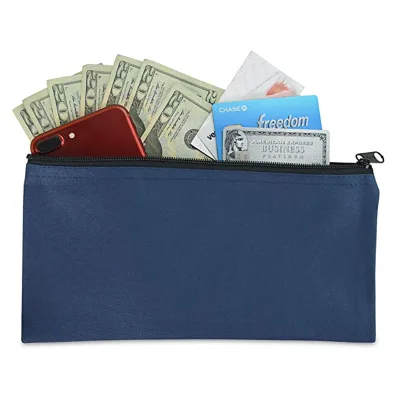
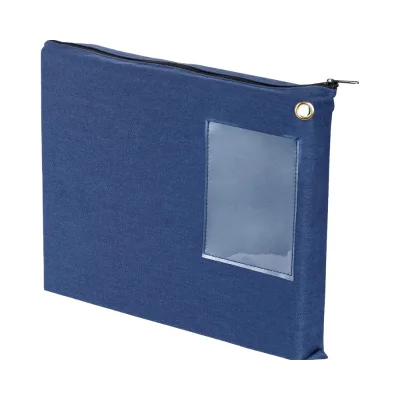
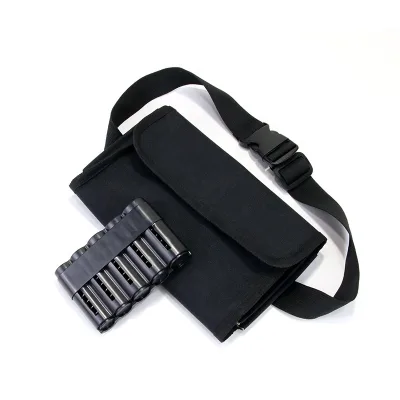

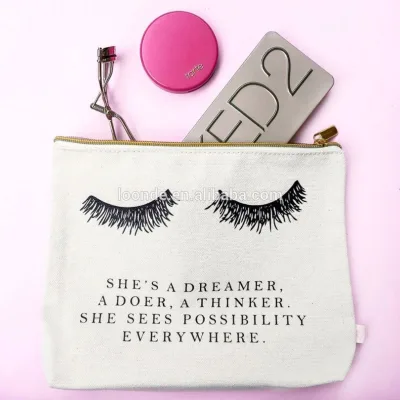
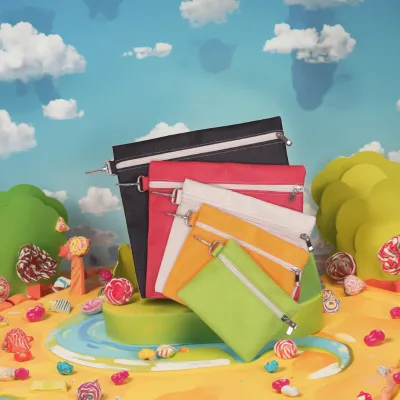


Leather Bank Bag Money Pouch Security Deposit Zipper Bag for Cash Money Wallet
$0.98 - $1.30
MOQ: 500 Pieces


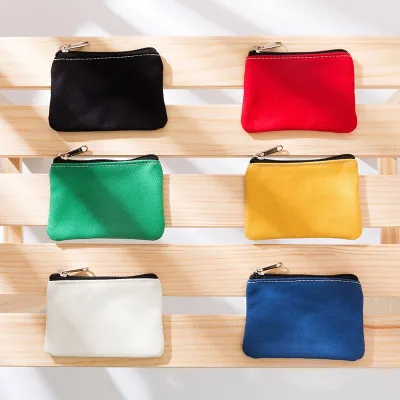


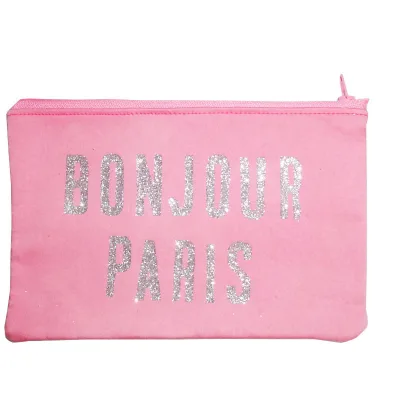


Comprehensive Sourcing Guide
Eco Friendly Canvas Money Pouch Sourcing Guide
Sourcing eco-friendly canvas money pouches requires distinguishing between genuine sustainable materials and standard polyester or blended alternatives. While the market offers products labeled as canvas, verified listings indicate a mix of materials including polyester and 100% organic cotton, necessitating strict material verification before order placement. Buyers must prioritize suppliers who explicitly confirm the organic status of their cotton or the recycled content of their canvas to ensure the "eco-friendly" claim holds water in a competitive B2B environment.
Procurement teams should also evaluate the functional versatility of these pouches across different use cases, such as travel, daily storage, and spinning applications. The observed product range includes diverse styles like mini coin pouches, pillow-shaped waist bags, and long wallets, each serving distinct logistical needs. Understanding these specific applications helps buyers align their inventory with customer expectations for durability and portability while maintaining the aesthetic appeal of fashion-forward designs.
Product Scope and Observed Listing Signals
The current market landscape for canvas money pouches reveals a wide spectrum of product attributes, including varied closure types like zippers and distinct patterns ranging from panelled designs to raw cotton textures. Listings frequently highlight customization options for colors, logos, and sizes, with some suppliers offering specific dimensions like 24.516 cm or 28w43h cm. Buyers must carefully cross-reference these signals to ensure the selected product matches their specific branding and functional requirements without assuming all listed items share identical specifications.
Price and minimum order quantity (MOQ) signals vary significantly, with observed ranges spanning from $0.19 to $7.99 and MOQs starting as low as three units up to 1000. This variability suggests a fragmented supply chain where small-batch customizers compete with larger volume manufacturers. Procurement strategies should account for these fluctuations by negotiating based on total volume potential rather than unit price alone, ensuring that the chosen supplier can scale production while maintaining the quality standards required for eco-friendly claims.
Technical Specifications to Verify
Technical due diligence must focus on the precise material composition, as observed listings cite both polyester and 100% organic cotton as primary components. Buyers should request physical samples to verify the weight, texture, and weave density, noting that single gross weights can range from 0.200 kg to 0.550 kg depending on the design. Confirming the exact material blend is critical, as the presence of synthetic fibers may contradict eco-friendly marketing claims unless the supplier provides evidence of recycled content or organic certification.
Dimensional accuracy and packaging specifications are equally vital for logistics planning, with observed single package sizes varying from 28X19X2 cm to 35X27X4 cm. The product shapes also differ, including pillow forms and standard rectangular pouches, which impact how items are stacked and shipped. Verifying these physical attributes against the supplier's technical data sheet ensures that the final product will fit the intended retail packaging and meet the spatial constraints of the buyer's distribution network.
Compliance and Safety Documentation
While specific certification data is limited in the provided context, buyers must actively seek documentation proving the organic status of cotton or the safety of dyes used in canvas production. Trusted category knowledge suggests that claims of "eco-friendly" status often rely on standards like GOTS, which should be verified through valid certificates rather than supplier assertions alone. Procurement teams should require proof of compliance with relevant chemical safety regulations to ensure the products are safe for consumer use and meet international import standards.
Safety documentation should also cover the manufacturing process, particularly regarding the origin of raw materials and the environmental impact of production. Suppliers located in regions like Guangdong or Shaanxi, China, may have varying levels of regulatory oversight, making it essential to audit their facilities for adherence to environmental protection laws. Buyers should insist on third-party test reports for flammability, heavy metals, and other hazardous substances to mitigate liability risks associated with selling textile products in global markets.
Cost Drivers and Commercial Terms
Cost structures for eco-friendly canvas pouches are heavily influenced by material sourcing, with organic cotton typically commanding a premium over standard polyester or blended fabrics. The observed supply ability of 10,000 pieces per month indicates that volume discounts may be available, but buyers must balance this against the higher costs associated with sustainable material procurement. Understanding these cost drivers allows procurement teams to negotiate effectively, ensuring that the final price reflects the true value of the eco-friendly attributes without compromising on quality.
Commercial terms such as sample times and delivery lead times also play a crucial role in total cost of ownership, with observed sample times ranging from 1 to 7 days and delivery periods extending from 20 to 25 days. These timelines can impact inventory planning and cash flow, especially for buyers requiring rapid market entry. Negotiating clear terms regarding port of dispatch, such as Guangzhou or Shenzhen, and defining responsibilities for shipping and insurance will help streamline the procurement process and reduce unexpected logistical expenses.
Supplier Qualification and Quality Control
Supplier qualification should begin with a thorough assessment of their production capacity and history, particularly their ability to handle customized orders for logos, colors, and sizes. The observed listing data shows a mix of suppliers offering single-item sales and bulk orders, indicating a need to verify their consistency in meeting quality standards across different order volumes. Buyers should prioritize suppliers who demonstrate a clear track record of delivering on time and maintaining the integrity of their eco-friendly claims through transparent communication.
Quality control protocols must be established early in the relationship, focusing on the inspection of raw materials and finished goods for defects. Given the variation in product weights and dimensions, implementing a rigorous inspection plan that includes random sampling and functional testing is essential. Buyers should also verify the supplier's ability to provide detailed packaging details, such as poly bagging and carton quantities, to ensure that the products arrive in perfect condition and meet the specified retail requirements.
Long-Term Procurement Checks
Long-term procurement success depends on establishing a robust framework for ongoing supplier performance monitoring and continuous improvement. Buyers should schedule regular audits to verify that the supplier continues to meet the agreed-upon material standards and production timelines, ensuring that the eco-friendly attributes remain consistent over time. This proactive approach helps identify potential issues before they escalate, allowing for timely corrective actions that protect the brand's reputation and supply chain stability.
Strategic partnerships with suppliers who demonstrate flexibility and innovation in sustainable practices can provide a competitive advantage in the evolving market. Buyers should encourage suppliers to invest in new technologies or materials that enhance the eco-friendly profile of their products, fostering a collaborative environment that drives mutual growth. By maintaining open lines of communication and setting clear expectations for future development, procurement teams can secure a reliable supply of high-quality canvas money pouches that align with their long-term sustainability goals.
FAQs
What materials are used for eco friendly canvas money pouches?
The primary materials observed are polyester and canvas, with some options featuring 100% organic cotton. These durable fabrics ensure longevity and water resistance. Buyers can select from standard canvas blends or specialized organic cotton variants depending on their sustainability goals and functional requirements for daily use or travel storage.
Can I customize the size and logo of the pouch?
Yes, customized sizes and logos are widely accepted. Specifications include long wallets, mini coin pouches, and pillow shapes with dimensions like 24.5x16 cm or 28x43 cm. Buyers can request specific measurements and add their branding, making these items suitable for promotional campaigns or personalized retail collections with flexible production options.
What is the typical sample time for these products?
The sample time typically ranges from 1 to 7 days, with many suppliers offering samples within 5 to 7 days. This allows buyers to verify quality, material feel, and stitching before committing to bulk orders. Quick sampling ensures efficient decision-making and reduces overall sourcing timelines for new product development cycles.
What is the minimum order quantity for bulk purchases?
Minimum order quantities vary significantly, ranging from as low as 3 pieces to 1000 or more. Some suppliers accept small MOQs for testing, while others require larger volumes for cost efficiency. Buyers should check specific listings for exact thresholds, as options exist for both small batch trials and large-scale manufacturing needs.
Where are these canvas money pouches manufactured?
Manufacturing locations include Guangdong and Shaanxi in China. Guangdong suppliers often offer fast dispatch from ports like Guangzhou or Shenzhen, while Shaanxi sources may focus on organic cotton materials. Buyers can filter by origin to align with logistics preferences or specific regional sourcing strategies for their supply chain requirements.
Are these pouches suitable for travel and daily use?
Yes, they are designed for travel, daily use, and storage. Features include waterproofing, portability, and secure zipper closures. Styles range from casual to fashion-forward designs, including coin belts and mini pouches. These attributes make them practical for carrying essentials securely while traveling or for everyday organization in various settings.